
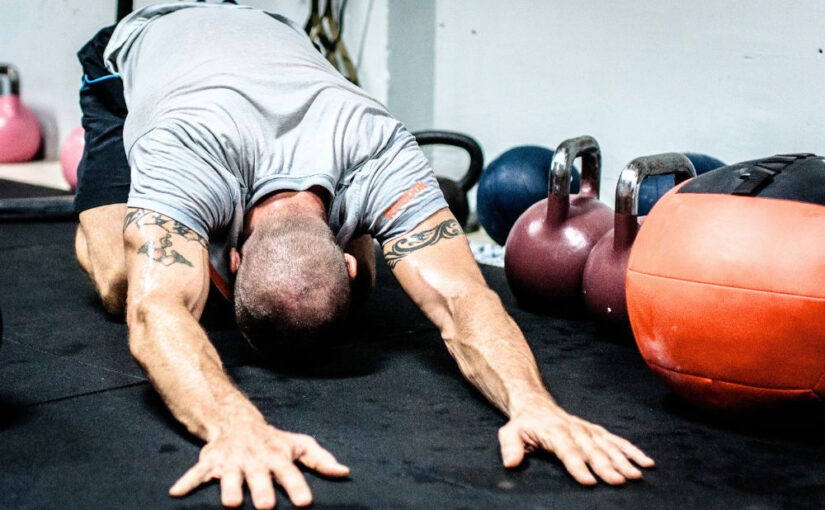
On the issue of health, fitness, and overall well-being, many people still underestimate why stretching is important. Regardless of whether you’re a competitive athlete, an occasional participant, or just someone looking to maintain an active lifestyle, stretching is essential for improving performance, avoiding injuries, and promoting long-term flexibility. Understanding the real benefits can help you build a routine that keeps your body strong, flexible, and pain-free.
What Makes It Essential for Performance?
1. Improves Flexibility and Range of Motion
One of the primary reasons why stretching is important is its ability to increase flexibility. Better flexibility means your muscles and joints can move smoothly through full ranges of motion, improving coordination and athletic performance. Flexible muscles also minimize the risk of strains during exercise.
2. Enhances Muscle Efficiency
Stretching helps in alleviating muscle tightness and tension, enabling your body to execute movements more effectively. When muscles are warm and pliable, they require less effort, helping you conserve energy during workouts.
3. Supports Better Posture
Sedentary habits—like sitting at a desk—tighten certain muscles and weaken others. Regular stretching helps correct these imbalances, supporting proper alignment and reducing back, neck, and shoulder pain.
Why It’s Important for Recovery
1. Helps Reduce Muscle Soreness
Delayed onset muscle soreness (DOMS) can impact your next workout. Light stretching following a workout promotes increased blood circulation, providing oxygen and nutrients that accelerate recovery.
2. Prevents Injuries
A significant part of why stretching is important is its role in injury prevention. Since flexible muscles are less prone to tearing or straining when under stress, incorporating stretching into a fitness routine is essential and can even be enjoyable.
3. Boosts Circulation
Stretching increases circulation to your muscles, helping flush out metabolic waste that builds up during exercise. This not only aids recovery but also promotes overall muscle health.
Types of Stretching That Boost Performance & Recovery
Dynamic
Best before workouts, dynamic stretching involves controlled movements that warm up the body. Examples include leg swings, arm circles, and walking lunges.
Static
Static stretches—such as touching your toes or holding a quad stretch—are ideal for post-workout recovery. Holding these stretches for 20–30 seconds helps improve flexibility and cool down the body.
PNF
Proprioceptive Neuromuscular Facilitation (PNF) uses muscle contractions and relaxations to increase flexibility quickly. It’s highly effective but best practiced with guidance.
Key Benefits for Performance & Recovery
| Benefit | How It Helps | Best Time to Use It |
|---|---|---|
| Improved Flexibility | Enhances range of motion and reduces stiffness | Before & after workouts |
| Injury Prevention | Reduces risk of muscle tears and strains | Before workouts |
| Better Posture | Corrects muscle imbalances from sitting or repetitive movement | Daily |
| Faster Recovery | Increases blood flow and reduces soreness | After workouts |
| Increased Muscle Efficiency | Helps muscles work more smoothly and effectively | Before workouts |
Conclusion
No matter your age or fitness level, understanding why stretching is important can transform your health and performance. Stretching enhances flexibility, improves posture, boosts recovery, and reduces the risk of injury—all essential for staying active and feeling your best. By making stretching a consistent part of your routine, you set the foundation for a healthier, more mobile, and more resilient body.
Frequently Asked Questions (FAQ)
Yes. Regular stretching helps lengthen tight muscles and improve joint mobility over time. Consistency is key—just a few minutes a day can lead to noticeable gains in flexibility.
Dynamic warm-up stretches typically last 5–10 minutes. These movements prepare your muscles for activity by increasing blood flow and gradually raising your heart rate.
Gentle stretching after exercise can help ease muscle tightness and improve circulation, potentially reducing the intensity of post-workout soreness.
Static stretches should be maintained for 20 to 30 seconds and are most effective when done after exercising. Dynamic stretches involve controlled movement and are ideal for warming up before exercise.
Absolutely. Daily flexibility training is safe for most people and can improve mobility, reduce stiffness, and support overall functional movement.