
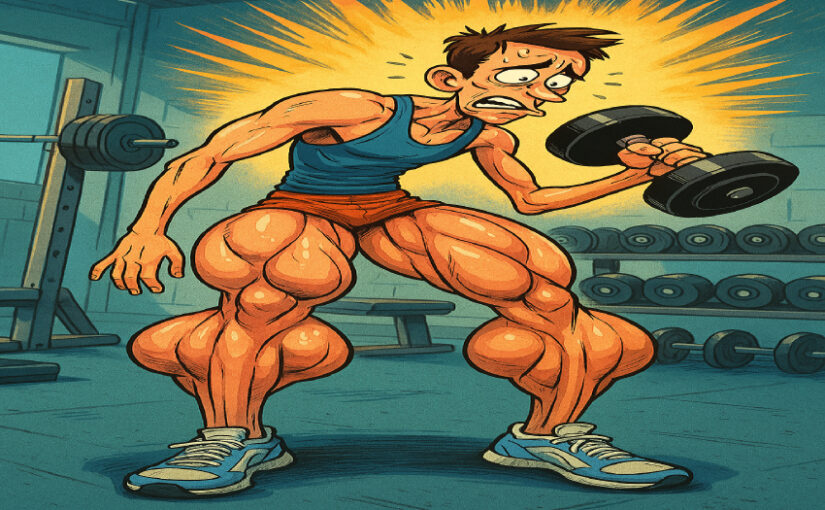
If you’ve ever wondered “what if you only train legs”, you’re not alone. Leg day is famously brutal, incredibly effective for building strength, and essential for overall athletic performance. But is focusing exclusively on lower-body training a smart fitness strategy—or a fast track to imbalance and burnout? This article breaks down what really happens when you ditch upper-body training and go all-in on legs.
Why People Consider Training Only Legs
Some people think that if they train their legs exclusively, they’ll burn more calories, build more muscle, or develop elite athletic power. There’s validity to this statement: the legs house some of the biggest muscle groups in the body, which means that leg exercises can provide significant strength and metabolic advantages.
But the question remains: what if you only train legs for weeks or months?
Let’s dive into the pros and cons.
The Benefits of Training Legs (But Not Only Legs)
1. Massive Lower-Body Strength Gains
Squats, lunges, and deadlifts create enormous strength adaptations. If you train legs frequently, those gains can come fast.
2. Higher Calorie Burn
Large muscle groups = higher energy demand. Leg workouts elevate heart rate and boost metabolism.
3. Athletic Performance Improvements
Sprinters, jumpers, and field athletes rely heavily on leg power. Extra leg volume can improve speed, vertical jump, and explosiveness.
These are legitimate benefits—but the problem isn’t training legs. It’s only training legs.
What Happens If You Only Train Legs? The Downsides
1. Major Muscular Imbalances
Ignoring your upper body leads to weak shoulders, chest, back, and arms. This can result in:
- poor posture
- rounded shoulders
- limited functional strength
- increased risk of injury
When you ask “what if you only train legs”, imbalance is the #1 issue.
2. Overuse Injuries
Your knees, hips, and lower back take a beating when you skip balanced programming. This can lead to:
- patellar tendonitis
- hip impingement
- lower-back strain
- chronic soreness
Your legs need rest as much as they need training.
3. Limited Overall Strength and Aesthetics
Even if you only care about performance, a strong upper body still matters. It supports:
- running form
- deadlifting stability
- balance during squats
- sprint mechanics
Aesthetically, you’ll end up with a powerful set of legs… and an underdeveloped torso. It’s the reverse “skip leg day” meme.
4. Poor Hormonal and Metabolic Balance
Training legs increases testosterone and growth hormone, but balanced, full-body routines amplify this effect. Focusing exclusively on legs creates diminishing returns over time.
Should You Ever Train Legs More Often Than Upper Body?
Absolutely—many athletes do. A 2:1 or 3:2 lower-body-to-upper-body ratio is common, especially for sports requiring power and speed.
But even in these cases, coaches NEVER recommend training only legs. Whole-body balance is essential for long-term performance and injury prevention.
The Ideal Training Approach Instead
To avoid the problems associated with what if you only train legs, aim for a balanced routine like:
Option 1: Upper/Lower Split
- Day 1: Upper
- Day 2: Lower
- Day 3: Rest
- Repeat
Option 2: Full-Body Training
Train full body 2–4× per week with both pushing and pulling movements.
Option 3: Strength + Athleticism Hybrid
- 2 lower-body days
- 2 upper-body days
- Optional conditioning day
This keeps your physique balanced, reduces injury risk, and maximizes long-term gains.
Table: Pros and Cons of Only Training Legs
| Pros | Cons |
|---|---|
| Builds massive lower-body strength | Upper body weakness and imbalance |
| Burns a high number of calories | Poor posture and rounded shoulders |
| Improves leg power and explosiveness | Increased risk of knee, hip, and lower-back injuries |
| Enhances athletic performance for lower-body dominant sports | Limited overall strength and aesthetics |
| Stimulates hormone release (testosterone, growth hormone) | Diminishing returns without full-body balance |
Conclusion
In the end, asking “what if you only train legs” leads to a clear conclusion: while leg training is essential, doing only legs is a bad idea. You’ll build strong quads, hamstrings, and glutes—but at the expense of balance, posture, performance, and long-term joint health. A well-rounded routine always delivers better results.
Frequently Asked Questions (FAQ)
Most fitness experts recommend training legs 2–3 times per week, allowing at least 48 hours of recovery between sessions to prevent overuse injuries and maximize muscle growth.
Yes. Focusing only on lower-body training can lead to rounded shoulders, weak back muscles, and an overall imbalance that negatively impacts posture over time.
Compound movements like squats, deadlifts, lunges, and step-ups are highly effective. Incorporating both heavy lifts and accessory exercises ensures balanced muscle development.
Proper form, progressive overload, and adequate rest are key. Strengthening surrounding muscles like glutes, hamstrings, and core also helps reduce joint stress.
While lower-body workouts can enhance speed, jumping, and power, neglecting the upper body can limit overall performance, stability, and functional strength in sports.