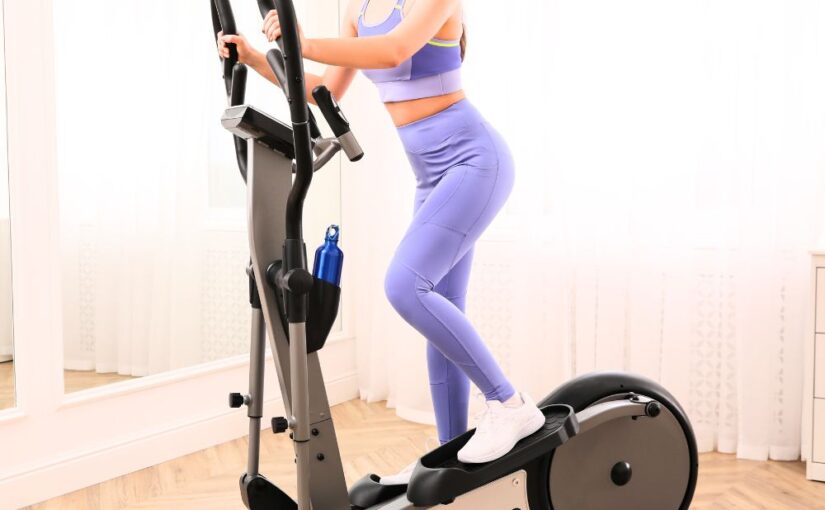
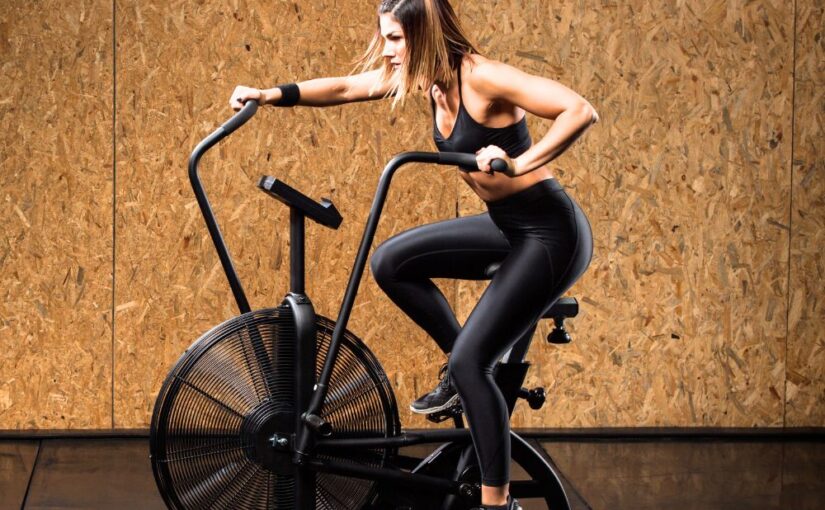
Difference Between Air Bike and Exercise Bike

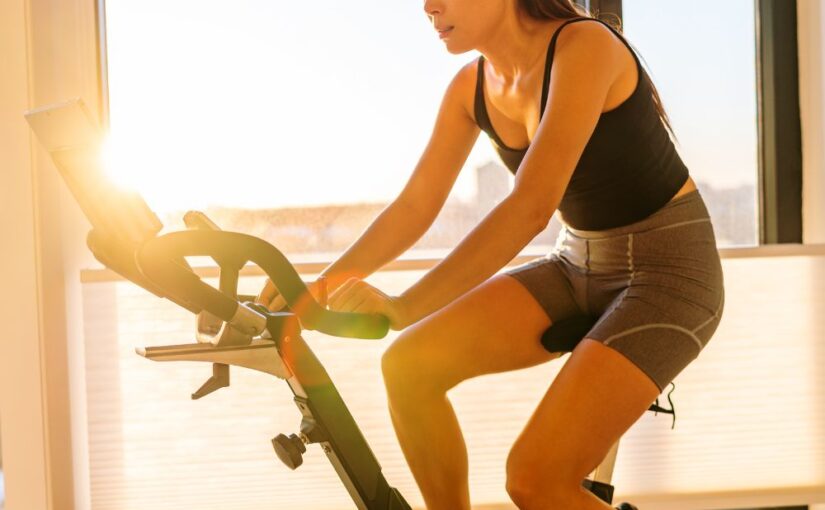
When building a home gym or choosing the right cardio equipment, many people wonder about the difference between air bike and exercise bike. While both options are great for improving endurance and cardiovascular health, they offer different features, resistance types, and training benefits. Understanding these differences can help you choose the best fit for your goals.


What Is the Main Difference?

The biggest difference between air bike and exercise bike is how resistance is generated.

  • Stationary bikes, often referred to as exercise bikes, usually rely on magnetic or friction-based systems to provide resistance. You set the resistance level manually, making it ideal for steady, low-impact cardio sessions.
  • Air bikes use a fan system where resistance increases as you pedal and push the handlebars harder. The faster you go, the more resistance you generate. This makes air bikes great for high-intensity interval training (HIIT) and full-body workouts.

Air Bike vs. Exercise Bike: Key Differences

FeatureAir BikeExercise Bike
Resistance TypeFan-based (effort-driven)Magnetic or friction (manual setting)
Intensity ControlAutomatic (based on effort)Manual (set resistance level)
Muscle EngagementFull-body (arms + legs)Primarily lower body
Workout StyleHIIT, metabolic conditioningSteady-state, low-impact cardio
Noise LevelLouder (fan noise)Quieter (especially magnetic models)
Best ForAdvanced users, short intense workoutsBeginners, long cardio sessions
Price RangeGenerally higherWide range (more budget-friendly)

Workout Style and Intensity

If you want a more controlled and consistent workout, an exercise bike is often the better choice. It’s great for:

  • Long-distance cardio
  • Recovery sessions
  • Low-impact workouts for beginners or older adults

In contrast, air bikes automatically match resistance to exertion. This makes them ideal for:

  • Short, intense bursts (HIIT)
  • Full-body conditioning (arms and legs work together)
  • Athletes or advanced fitness routines

Another key difference between an air bike and an exercise bike is how intensity is managed—manually on a standard bike versus automatically through effort on an air bike.


Noise, Space & Comfort

  • Noise: The fan makes air bikes sound relatively louder. Exercise bikes, especially magnetic ones, are much quieter—ideal for apartments or shared spaces.
  • Size & Portability: Air bikes tend to be bulkier and heavier. Exercise bikes often come in compact models and are easier to move.
  • Comfort: Most exercise bikes feature cushioned, adjustable seating and built-in workout programs for added comfort and convenience.

Which One Should You Choose?

If your goal is steady, low-impact cardio or you’re just starting your fitness journey, an exercise bike is a solid choice.

If you’re looking for intense, full-body workouts or enjoy pushing your limits with HIIT, an air bike may be a better fit.

Budget and space are also factors. Exercise bikes tend to be more affordable and come in more compact models, while air bikes are often higher-priced but deliver greater intensity and versatility.


Conclusion

The difference between air bike and exercise bike comes down to resistance type, workout style, and intensity. Either machine can enhance cardiovascular health, promote calorie burn, and contribute to fat loss, though each serves different workout goals.

Choose an exercise bike for quiet, low-impact rides, or go with an air bike if you want to crank up the intensity and involve your upper body. Ultimately, the most effective bike is the one you’ll stick with regularly.


Frequently Asked Questions (FAQ)

What is the Main Difference Between an Air Bike and an Exercise Bike?

The main difference lies in the resistance mechanism. Air bikes use a fan that increases resistance with effort, while exercise bikes use magnetic or friction resistance you adjust manually.

Which Bike is Better for Weight Loss?

Both can support weight loss, but air bikes tend to burn more calories in less time due to full-body involvement and high-intensity potential.

Is an Air Bike Harder Than a Regular Exercise Bike?

Yes, air bikes tend to be more difficult because the resistance intensifies as you pedal and exert more force.

Are Air Bikes Louder Than Exercise Bikes?

Yes, air bikes produce more noise due to the fan mechanism, while exercise bikes—especially magnetic ones—are much quieter.

Can Beginners Use Air Bikes?

Beginners can use air bikes, but the intensity may feel high at first. Starting with shorter sessions and gradually building up is recommended.

Recommended Products for Stationary Bikes and Air Bikes

If you’re considering adding a stationary bike or air bike to your fitness routine, it’s important to choose the right one based on your workout goals, available space, and budget. Both bikes provide distinct benefits, whether you’re after gentle cardio or challenging full-body workouts

Stationary Bikes

Stationary bikes are perfect for steady-state cardio, endurance training, and low-impact workouts. They tend to be quieter, more space-efficient, and feature adjustable resistance for personalized workout options.

Air Bikes

If an intense workout is what you’re after, an air bike might be the right choice. These bikes provide full-body workouts by engaging both your upper and lower body, and the resistance automatically adjusts based on your effort.


Affiliate Disclaimer:
The links above are affiliate links, meaning we may earn a small commission if you make a purchase through them, at no extra cost to you.

Is Cardio Good When Bulking? What You Should Know?

When you’re in a bulking phase, your primary goal is to gain muscle mass—and that often means eating more and lifting heavy. But what about cardio? Is cardio good when bulking, or does it just burn the calories you’re trying so hard to consume? This article breaks down the role cardio plays in a successful bulk and what you need to consider to get the most out of your training.


Understanding Bulking and Cardio

Bulking involves consuming more calories than you burn to promote muscle development. Cardio, on the other hand, is often associated with fat loss. This apparent conflict leads many to wonder: Is cardio good when bulking, or should it be avoided entirely?

It all comes down to your individual goals, physique, and the way you include cardio in your training plan. While it’s true that excessive cardio can hinder muscle gains, strategic cardio can actually support your bulk in several ways.


Benefits of Cardio While Bulking

  1. Improved Heart Health
    Even during bulking, cardiovascular health shouldn’t be ignored. Regular cardio strengthens your heart, improves circulation, and helps you recover faster between weightlifting sessions.
  2. Better Appetite Regulation
    For some people, cardio can stimulate appetite—making it easier to meet those high-calorie intake goals.
  3. Controlled Fat Gain
    A clean bulking approach aims to build lean muscle while keeping fat gain to a minimum. Adding 1–3 cardio sessions per week can help keep fat gain in check without compromising muscle growth.
  4. Enhanced Work Capacity
    Light to moderate cardio improves endurance and overall work capacity, which can support higher-volume weight training sessions.

How to Do Cardio During a Bulk

If you’re wondering is cardio good when bulking, the key lies in how you implement it:

  • Keep It Low to Moderate Intensity
    High-intensity cardio burns more calories and may interfere with muscle recovery. Choose steady-state cardio like light jogging, cycling, or walking.
  • Limit Frequency
    2–3 sessions per week, 20–30 minutes each, is enough for most lifters during a bulk.
  • Time It Wisely
    Avoid doing cardio immediately before heavy lifting. Instead, separate sessions by several hours or do cardio on rest days.
  • Fuel Properly
    Ensure you’re eating enough to support both cardio and strength training. Consider adding extra calories on cardio days.

Recommended Cardio Frequency, Duration, and Intensity for Bulking

GoalFrequency (per week)Duration (minutes)Intensity LevelExample Activity
Maintain Heart Health2–320–30Low to ModerateWalking, light cycling
Improve Work Capacity2–330–45ModerateJogging, incline walk
Minimize Fat Gain320–30Low to ModerateSteady-state cardio

When to Be Cautious

There are times when cardio may not be ideal during a bulk, such as:

  • If you’re having a hard time gaining weight despite a high-calorie intake
  • If cardio leaves you feeling too fatigued for strength sessions
  • If you’re doing cardio at high intensities too often

Being mindful of your body’s feedback and monitoring your results is essential.


Conclusion

So, is cardio good when bulking? The answer is yes—if done correctly. Incorporating light to moderate cardio can support your heart health, control fat gain, and even boost your overall training capacity. The key is balance. Don’t overdo it, prioritize your strength training, and make sure your nutrition supports your goals. With the right approach, cardio can be a valuable part of your bulking strategy.


Frequently Asked Questions (FAQ)

Is Cardio Necessary When Bulking?

No, cardio isn’t strictly necessary during a bulk, but it can support heart health, improve endurance, and help manage fat gain when done in moderation.

Will Cardio Kill My Muscle Gains During a Bulk?

Not if done correctly. Excessive or high-intensity cardio can interfere with muscle growth, but low to moderate cardio a few times per week is generally safe and even beneficial.

What Type of Cardio is Best During Bulking?

Low-intensity cardio such as walking, biking, or easy jogging is the preferred choice. These low-impact options burn fewer calories and are less likely to interfere with recovery and strength training.

How Often Should I Do Cardio When Bulking?

2 to 3 sessions per week, lasting 20–30 minutes each, is typically enough to maintain cardiovascular health without compromising your muscle-building goals.

Should I Eat More on Cardio Days When Bulking?

Yes. Cardio burns additional calories, so slightly increasing your intake on those days can help maintain the calorie surplus needed for effective bulking.

Essential Products for Hard Gainers & Home Gyms

If you’re a hard gainer or simply looking to improve your cardio while bulking, having the right tools can make all the difference. Below are some recommended product categories that can enhance your fitness journey—whether you’re looking to pack on muscle, boost your cardio, or improve overall fitness.

Weight Gainers

For those struggling to consume enough calories, weight gainers can provide a convenient way to increase your caloric intake. Look for products with a balanced mix of protein, carbohydrates, and healthy fats to support muscle growth without excessive fat gain.

Treadmills

Adding a treadmill to your home gym allows you to engage in low-impact cardio while maintaining a steady pace. It’s great for burning extra calories without compromising muscle mass. Choose one with adjustable speed and incline for a varied and effective workout.

Stationary Bikes

A stationary bike is another excellent cardio option for those focused on bulking. It provides a great full-body workout, burns calories efficiently, and is gentle on the joints. You can use it for both steady-state cardio or interval training to fit your needs.

These products can help you stay on track with your fitness goals while improving both strength and endurance. To achieve the best results, always pair equipment with good nutrition and a consistent workout schedule.


Affiliate Disclaimer:
The links above are affiliate links, meaning we may earn a small commission if you make a purchase through them at no additional cost to you.

Is Running Better Than Walking for Weight Loss?

Many ponder the following when it comes to burning calories and losing weight: is running better than walking for weight loss? Both are accessible, effective forms of cardiovascular exercise—but they differ in intensity, impact, and how they fit into your routine. In this article, we’ll compare the two to help you decide which is best for your weight loss goals.


Calorie Burn: Running vs. Walking

One of the main arguments in favor of running is its higher calorie burn per minute. On average for someone weighing 160 pounds:

  • Running at 5 mph burns around 606 calories an hour.
  • Walking at 3.5 mph burns approximately 314 calories an hour.

So, if you’re focused purely on burning calories in less time, running may appear better than walking for weight loss. However, weight loss depends on total energy expenditure over time, not just per session.

Pro Tip:

Use a heart rate monitor or fitness tracker to gauge effort during both walking and running. Maintaining a heart rate around 60–70% of your maximum can enhance fat burning and improve the effectiveness of both walking and running.


Sustainability and Consistency Matter

While running burns more calories, it also places greater stress on the joints and can lead to overuse injuries, especially in beginners or those carrying excess weight. Walking, on the other hand, is:

  • Easier to recover from
  • Lower impact and joint-friendly
  • More sustainable for daily practice

If you’re more consistent with walking than running, it could ultimately result in greater total calorie burn over time—making walking just as effective, if not better, for weight loss in some cases.

Tip for Beginners:

Try a walk-run combination (e.g., 1-minute jog, 2-minute walk) to ease into higher intensity without overwhelming your body.


Intensity, Afterburn, and Fat Burning

Running is a higher-intensity workout, which raises your heart rate and can trigger the afterburn effect—meaning your body continues to burn calories for hours post-exercise due to excess post-exercise oxygen consumption (EPOC). This effect is less pronounced with walking.

Walking, however, primarily uses fat as a fuel source during the session, making it ideal for those targeting fat loss specifically.

Want to boost walking’s effectiveness?

  • Add incline (outdoors or on a treadmill)
  • Walk briskly or use interval pacing
  • Incorporate hand weights or a weighted vest
  • Increase session duration to enhance total energy expenditure

Personalization Is Key

To answer the question is running better than walking for weight loss,” it helps to consider personal factors like fitness level, joint health, time availability, and overall goals.

FactorRunningWalking
Calorie BurnHigher per minuteModerate, increases with pace
Joint ImpactHigherLow
Injury RiskMore likely without conditioningVery low
AccessibilityRequires more staminaEasy for all fitness levels
ConsistencyCan be harder to sustainEasier to stick with
Afterburn EffectModerate to high (EPOC)Minimal

Other Factors That Influence Weight Loss

Neither running nor walking guarantees results without supporting habits. Consider these key components:

  • Nutrition: Fat loss requires a calorie deficit.
  • Sleep and Recovery: Both cortisol and cravings rise with insufficient sleep.
  • Strength Training: Adding resistance training helps preserve lean muscle mass while burning fat.
  • NEAT (Non-Exercise Activity Thermogenesis): Daily movements like standing, cleaning, and walking to the store also add up.

Conclusion

Is running a better way to lose weight than walking? Technically, yes—running burns more calories in a shorter amount of time and can lead to a higher afterburn. But if walking helps you stay active more consistently, puts less strain on your joints, and fits better into your lifestyle, it can be equally or even more effective over the long term.

The most effective cardio for losing weight is the one that you can do regularly and enjoy. Walking, running, or a mix of both—paired with a balanced diet and active lifestyle—can help you reach your goals.


Frequently Asked Questions (FAQ)

Is Running Always Better Than Walking for Losing Weight?

Not always. While running burns more calories per minute, walking can be just as effective if done consistently and for longer durations.

Can I Lose Weight by Just Walking Every Day?

Yes. Daily walking—especially at a brisk pace or with added incline—can support weight loss when combined with proper nutrition and consistency.

Does Running Burn Fat or Just Calories?

Running helps burn calories and fat, particularly during extended, moderate-paced workouts. Additionally, running also boosts the number of calories burned post-exercise (afterburn effect).

Which is Better for Beginners: Running or Walking?

Walking is better for most beginners. It’s low-impact, easier to stick with, and poses less risk of injury while still supporting fat loss.

What Can I Do to Maximize Weight Loss While Walking?

Increase intensity by walking uphill, adding short bursts of faster pace, using hand weights, or extending your session length.

What Cardio Machine is Easiest on Knees?

If you deal with knee pain or simply want to avoid joint stress while staying active, choosing the right equipment is crucial. Many people ask, what cardio machine is easiest on knees? The answer depends on your fitness goals, mobility level, and how you use the machine. In this article, we’ll explore low-impact cardio machines that support heart health and endurance—without aggravating your knees.


Why Joint-Friendly Cardio Matters

The knees are weight-bearing joints that take a lot of strain during high-impact activities like running, jumping, or certain strength exercises. Repetitive stress or previous injuries can make these movements uncomfortable—or even harmful.

Using low-impact cardio machines reduces stress on the joints while still delivering cardiovascular benefits, such as:

  • Improved circulation
  • Calorie burn and fat loss
  • Endurance building
  • Pain-free movement and recovery support

So, let’s answer the key question: what cardio machine is easiest on knees, and why?


Top 4 Low-Impact Cardio Machines for Bad Knees

1. Recumbent Bike

Why it’s easy on knees:
The reclined position offers excellent back support and minimizes pressure on the knees and hips. The pedals are in front of the body, which reduces joint strain compared to upright cycling.

Best for: Novices, elderly people, or people recuperating from injuries.


2. Elliptical Trainer

Why it’s easy on knees:
The elliptical simulates a normal gait without requiring contact with the ground. By keeping your feet in constant contact with the pedals, you can lessen knee shock.

Best for: Moderate to high-intensity cardio with low joint stress.


3. Treadmill (Walking at 0% Incline)

Why it’s easy on knees:
While running on a treadmill can be jarring, walking—especially at a zero incline—offers a smooth, controlled movement that’s gentler than outdoor terrain.

Best for: Those who prefer walking workouts but want a joint-friendly environment.


4. Rowing Machine

Why it’s easy on knees:
Rowing is a full-body, low-impact cardio exercise. While the legs are involved, the motion is controlled, and there’s no pounding or impact on the joints.

Best for: Full-body workouts with minimal knee strain (provided proper form is used).


Low-Impact Cardio Machines Compared

MachineKnee Impact LevelSupport ProvidedBest For
Recumbent BikeVery LowFull back supportSeniors, injury recovery
Elliptical TrainerLowFull foot contactGeneral fitness, joint sensitivity
Treadmill (Walking)Moderate-LowAdjustable speed/inclineWalking workouts
Rowing MachineLow (with proper form)Full-body engagementLow-impact total-body training

How to Use Cardio Machines Safely with Knee Concerns

  • Warm up completely, to prepare the joints and lessen stiffness.
  • Adjust machine settings like seat height and resistance to avoid overextension.
  • Focus on smooth, controlled movements to protect joint integrity.
  • Consult a professional if you’re dealing with chronic pain or post-injury recovery.

Conclusion

So, what cardio machine is easiest on knees? The top contenders are the recumbent bike and elliptical trainer, both of which offer low-impact, joint-friendly workouts that are safe for most people with knee sensitivity. Treadmills (with walking only) and rowing machines can also be great options if used with proper form. Ultimately, the best machine is the one that keeps you moving comfortably and consistently—without causing pain.


Frequently Asked Questions (FAQ)

What Cardio Machine is Easiest on Knees for Beginners?

For beginners, the recumbent bike is typically one of the most knee-friendly cardio options. It provides strong back support and minimizes joint stress with a natural pedaling motion.

Is the Elliptical Safe for People With Knee Pain?

Yes, the elliptical is generally safe because it offers a smooth, low-impact motion that avoids pounding or sudden stress on the knees.

Can Walking on a Treadmill Hurt My Knees?

Walking at a 0% incline is typically gentle on the knees, but poor posture, speed, or long sessions can still cause discomfort if not monitored.

Should I Avoid Cardio Altogether if I Have Bad Knees?

Not necessarily. Many low-impact machines—like recumbent bikes and ellipticals—allow you to stay active while protecting your knees.

How Can I Protect My Knees During Cardio Workouts?

Warm up first, maintain proper form, avoid high-impact movements, and use machines with adjustable settings to stay within a comfortable range of motion.

Joint-Friendly Cardio Equipment for Home Use

If you’re building a home gym or exploring knee-friendly cardio options, selecting the right machine can make all the difference in maintaining consistent, low-impact movement. Below are categories of equipment commonly used for cardio with minimal joint strain:


Recumbent Bikes

In addition to providing back support, recumbent bikes put less strain on the knees and hips because of their reclining position. Perfect for novices, elderly people, or anyone recuperating from an accident.


Elliptical Machines

Ellipticals provide a smooth, continuous motion that mimics walking or running—without the impact. They’re well-suited for general fitness with knee sensitivity.


Treadmills (Walking Focus)

For those who prefer walking, a treadmill at 0% incline offers a controlled, predictable surface that’s easier on the joints than running outdoors.


Rowing Machines

Rowers deliver full-body cardio while minimizing knee impact—especially when proper form is used to control the leg drive and avoid hyperextension.


Affiliate Disclosure: We may earn a small commission from purchases made through these links, at no extra cost to you.

Which Cardio Machine is Best for Glutes?

If you’re looking to tone, strengthen, or grow your glutes, cardio doesn’t have to mean sacrificing gains. With the right equipment and approach, cardio machines can play a key role in glute development. Thus, which cardio machine targets the glutes most efficiently? In this article, we’ll explore the top options and how to use them to activate your glutes during cardio workouts.


Why Target Glutes During Cardio?

Walking on a steep incline places greater demand on your hamstrings and glutes than walking or jogging on a flat surface. They are vital for proper posture, sports performance, and general lower-body strength. Engaging them during cardio helps:

  • Build shape and strength in the buttocks
  • Burn more calories due to muscle activation
  • Support hip and knee stability

Choosing the right cardio machine ensures you’re not just burning calories but also activating and sculpting your glutes.


Top 5 Cardio Machines for Glute Activation

1. Stair Climber / StairMaster

Why it works:
The motion mimics that of climbing stairs, which directly works the glutes. The upward stepping motion forces hip extension, engaging the glute max with every step.

Tip for better glutes:
Avoid leaning on the handles and push through your heels to emphasize glute engagement.


2. Treadmill (Incline Walking)

Why it works:
Incline walking activates the hamstrings and glutes more intensely than walking or jogging on a flat surface.

Tip for better glutes:
Set the incline to 10–15%, walk at a steady pace, and don’t hold onto the rails.


3. Elliptical Trainer

Why it works:
The elliptical provides a low-impact workout that can engage the glutes, especially if you use a backward pedaling motion and increase the resistance.

Tip for better glutes:
Push through your heels, maintain upright posture, and increase incline/resistance.


4. Stationary Bike (Upright or Spin Bike)

Why it works:
While primarily a quad-dominant exercise, adjusting the seat and standing during climbs (as in spin classes) can target glutes more effectively.

Tip for better glutes:
Elevate the seat to provide complete leg extension and include intervals of intense resistance.


5. Rowing Machine

Why it works:
Though not typically seen as a glute-focused cardio tool, the explosive drive through the legs in rowing can activate glutes, especially during powerful strokes.

Tip for better glutes:
Focus on driving through your heels and extending your hips forcefully during each stroke.


Best Overall: Stair Climber or Incline Treadmill?

If you’re asking which cardio machine is best for glutes overall, the Stair Climber and the Treadmill with incline settings are the top contenders. They both emphasize hip extension and glute recruitment naturally through their movement patterns.


Tips to Maximize Glute Engagement on Any Machine

  • Mind-muscle connection: With every movement, pay close attention to your glutes.
  • Push through your heels: Whether walking, pedaling, or stepping—heel drive activates glutes.
  • Add resistance: More resistance = more muscle engagement.
  • Use intervals: Alternate between high and moderate intensity to challenge the muscles.

Which Cardio Machine is Best for Glutes?

Cardio MachineGlute Activation LevelImpact LevelBest Use Tips
Stair Climber🔥🔥🔥🔥🔥ModeratePush through heels, avoid leaning on handles
Incline Treadmill🔥🔥🔥🔥Low to ModerateUse 10–15% incline, don’t hold rails
Elliptical (Backward)🔥🔥🔥LowUse resistance, pedal backward
Stationary Bike🔥🔥LowRaise seat, add resistance, stand when safe
Rowing Machine🔥🔥LowDrive through heels, strong hip extension

Conclusion

So, which cardio machine is best for glutes? For most people, the Stair Climber offers the strongest and most direct glute activation, closely followed by incline treadmill walking. However, with proper technique, other machines like the elliptical, bike, and rower can also play a role in a glute-focused cardio routine. Consistent effort and deliberate movement are crucial.


Frequently Asked Questions (FAQ)

Can Cardio Alone Build My Glutes?

Cardio can help activate and tone your glutes, especially with machines like the Stair Climber or incline treadmill. However, for serious glute growth, resistance training should be included in your routine.

Is the Stair Climber Better Than the Treadmill for Glutes?

Both machines are excellent, but the Stair Climber often provides more direct glute engagement due to the constant hip extension required with each step.

How Can I Make Sure I’m Targeting My Glutes During Cardio?

Focus on pushing through your heels, maintain proper posture, and increase resistance or incline when possible. Avoid leaning heavily on handlebars.

Are Low-impact Machines Like Ellipticals and Bikes Effective for Glutes?

Yes—when used correctly. Pedaling backward on an elliptical or using a high-resistance climb on a stationary bike can effectively engage the glutes.

Can Beginners Use These Machines for Glute Workouts?

Certainly. Work your way up from a low resistance or incline. Just make sure to use proper form and pay attention to muscle activation during each movement.

Cardio Equipment for Glute Activation

If you’re ready to elevate your glute workout, the right cardio machine can make all the difference. Whether you prefer the intensity of a stair climber or the versatility of a treadmill, there are plenty of great options for every fitness level and home gym setup.

Treadmills for Glute Activation

Incline walking or running is a great way to activate and strengthen the glutes. Treadmills with incline features allow you to adjust resistance and simulate uphill walking for increased muscle engagement. Look for treadmills with a sturdy build, adjustable incline, and heart rate monitoring for the best experience.


Stair Climbers for Glutes

A stair climber is an excellent choice for isolating and working your glutes. The constant stepping motion mimics stair climbing, providing consistent glute activation. Ideal for those looking for a low-impact but effective glute-focused cardio workout. When shopping, look for models with adjustable resistance and a compact design for easy storage.


Affiliate Disclaimer:
The links above are affiliate links. If you click on one of these links and make a purchase, we may earn a small commission at no additional cost to you.

Benefits of Fasted Cardio in the Morning: Boost Your Metabolism

Fasted cardio—or exercising on an empty stomach, usually first thing in the morning—has become a popular method among fitness enthusiasts wanting to burn fat and improve general health. But what are the real benefits of fasted cardio in the morning, and can it truly help boost your metabolism? In this article, we’ll explore how fasted cardio works, who it might benefit, and how to do it effectively.


What Is Fasted Cardio?

Fasted cardio is done after going without eating for an extended amount of time, typically after an overnight fast. This typically means engaging in moderate-intensity exercise—like walking, jogging, or cycling—before breakfast. The body, low on immediate fuel from food, may tap into stored fat for energy, which is why many people associate fasted cardio with improved fat loss.


The Science Behind Morning Fasted Cardio

Advocates of this practice often cite the potential for increased fat oxidation. When insulin levels are low, as they are in a fasted state, the body may prioritize fat as a fuel source. This mechanism is what drives much of the interest in the benefits of fasted cardio in the morning.

Potential Metabolic Benefits:

  • Increased Fat Utilization: The body may rely more on stored fat for energy.
  • Enhanced Insulin Sensitivity: Fasted training may help regulate blood sugar over time.
  • Hormonal Response: Morning workouts in a fasted state can increase levels of epinephrine and norepinephrine, which play a role in fat mobilization.

Additional Benefits of Fasted Cardio in the Morning

Beyond fat metabolism, there are several practical and psychological advantages:

  • Improved Consistency: Fewer distractions early in the day can lead to better workout adherence.
  • Boosted Mental Clarity: Many report increased focus after fasted exercise.
  • Convenience: No need to prep a meal before exercising.

Benefits of Fasted Cardio in the Morning: At a Glance

BenefitDescription
Increased Fat UtilizationBody taps into stored fat due to lower insulin and glycogen levels
Metabolic BoostMay enhance metabolic rate through hormonal responses
Improved ConsistencyMorning workouts are less likely to be interrupted by daily distractions
Enhanced Mental ClaritySome report sharper focus and energy post-cardio
ConvenienceNo need to prep or digest a meal before working out

Who Should Be Cautious?

Fasted cardio isn’t ideal for everyone. Those who engage in high-intensity training, have blood sugar regulation issues, or feel lightheaded without food should be cautious. For muscle preservation, it’s sometimes recommended to consume branched-chain amino acids (BCAAs) or protein post-workout.


How to Maximize Results

  • Keep it moderate: Fasted cardio works best with steady-state activities like brisk walking or light cycling.
  • Stay hydrated: Drink water before and during your session.
  • Eat soon after: A post-workout meal rich in protein and complex carbs supports recovery.

Conclusion

So, what are the real benefits of fasted cardio in the morning? While it’s not a magic bullet, it can support fat metabolism, improve workout consistency, and may offer a slight metabolic edge for some individuals. Like any fitness strategy, it works best when combined with proper nutrition, sleep, and overall activity levels. If you enjoy training early and it fits your lifestyle, fasted cardio could be a simple yet effective tool in your fitness routine.


Frequently Asked Questions (FAQ)

Is Fasted Cardio More Effective Than Fed Cardio for Fat Loss?

Fasted cardio may increase fat utilization during the workout, but long-term fat loss still depends on overall calorie balance and consistency.

How Long Should I Fast Before Morning Cardio?

Most people fast for 8–12 hours overnight, making early morning cardio a natural fit before breakfast.

What Types of Cardio Are Best When Training Fasted?

Moderate-intensity exercises like brisk walking, cycling, or light jogging are ideal for fasted sessions to avoid muscle fatigue.

Can I Drink Anything Before Fasted Cardio?

Yes. Water, black coffee, or zero-calorie drinks are fine and can even improve performance and mental clarity during fasted workouts.

Is Fasted Cardio Safe to Do Every Day?

It can be, as long as intensity and recovery are balanced. Listen to your body, stay hydrated, and eat a nourishing post-workout meal.

Low-Impact Cardio Equipment for Home Gyms

For home gym enthusiasts who prefer joint-friendly workouts—especially early morning fasted sessions—low-impact cardio equipment is essential. Below are three versatile options that support consistent, low-strain training:

Treadmills
Ideal for walking or light jogging with cushioned decks to reduce joint stress.

Stationary Bikes
Great for upright cycling that builds cardio endurance without high impact.

Recumbent Bikes
Offers back support and a comfortable seated position, perfect for longer sessions.


Affiliate Disclaimer

The links above are affiliate links. If you purchase through these links, we may earn a small commission—at no extra cost to you.

Is Fasted Weight Training Good for Fat Loss and Muscle Gain?

Fasted workouts, especially in the early morning, have grown in popularity among fitness enthusiasts. But many people still wonder: is fasted weight training good for achieving both fat loss and muscle gain? While the idea of lifting weights on an empty stomach might seem counterintuitive, some believe it offers metabolic and hormonal advantages. Let’s break down the science, pros, and potential drawbacks of this training approach.

What Is Fasted Weight Training?

This type of weight training refers to performing exercise sessions without consuming food for 8–12 hours beforehand, typically after an overnight fast. This is often part of intermittent fasting protocols, where individuals train before their first meal of the day.

The Science Behind Fasted Training

Supporters argue that fasted training can increase fat oxidation, helping the body rely more on stored fat for energy. This leads many to ask: is fasted weight training good for maximizing fat-burning potential?

Research shows that fasted cardio may slightly increase fat utilization during exercise, but the benefits for resistance training are less clear. When it comes to building muscle, the body typically needs sufficient fuel — especially carbohydrates and protein — to support performance and recovery.

However, fasted training may improve insulin sensitivity and help some individuals stay consistent with their workouts and eating windows.

Pros of Fasted Weight Training

  • Increased Fat Utilization: Some studies suggest your body may burn more fat during a fasted session, particularly if glycogen stores are low.
  • Convenience: Working out first thing in the morning without eating can simplify routines.
  • Improved Insulin Sensitivity: Training in a fasted state may enhance your body’s ability to handle carbohydrates later in the day.

Cons of Fasted Weight Training

  • Reduced Performance: Lifting weights without fuel can lead to decreased strength and endurance.
  • Muscle Loss Risk: Without proper post-workout nutrition, fasted training might not optimally support muscle protein synthesis.
  • Not Ideal for Everyone: Some individuals may feel lightheaded or fatigued during fasted sessions, especially with heavy lifting.

Fasted vs. Fed Weight Training: Benefits & Drawbacks

FactorFasted TrainingFed Training
Energy LevelsMay feel lower due to lack of foodTypically higher due to pre-workout nutrition
Fat Burn PotentialSlightly increased fat oxidationNormal fat oxidation, depending on intensity and duration
Muscle Gain SupportPossibly reduced if not followed by adequate nutritionBetter support for muscle growth and recovery
Hormonal ResponseMay improve insulin sensitivityStable depending on diet and timing
PerformanceOften slightly lowerOften higher
ConvenienceHigh (no meal prep)Requires time for digestion

Strategies to Maximize Results

If you’re considering fasted lifting, here are some tips:

  • Hydrate well before training.
  • Use essential amino acids (EAAs) or BCAAs before or during the workout to reduce muscle breakdown.
  • Prioritize a protein-rich meal post-workout to promote recovery and muscle repair.

So, Is Fasted Weight Training Good for Fat Loss and Muscle Gain?

Ultimately, the answer depends on your goals, body, and preferences. Is fasted weight training good for fat loss? Possibly, especially if it helps you stay consistent with your routine and manage your calorie intake. But for muscle gain, training in a fed state might offer better performance and recovery benefits.


Conclusion

So, is fasted weight training good for achieving both fat loss and muscle gain? It can be, but it is not a cure-all. While it may slightly enhance fat burning, the key to body composition changes still lies in total nutrition, training intensity, and recovery. Try both approaches and see what helps you feel and perform your best.


Frequently Asked Questions (FAQ)

Is Fasted Weight Training Better for Fat Loss?

Fasted training may slightly increase fat oxidation during workouts, but total calorie intake and consistency matter more for long-term fat loss.

Can I Build Muscle While Training in a Fasted State?

Yes, but it may be harder. Training fasted can reduce performance and recovery, so muscle gain is often better supported when training fed or with intra-workout nutrition.

How Long Should I Fast Before Weight Training?

Most people fast for 8–12 hours before fasted training, typically overnight. Anything longer could impact energy levels and performance.

What Should I Eat After Fasted Weight Training?

A balanced post-workout meal with protein (20–40g) and complex carbs helps stimulate muscle repair and recovery after fasted sessions.

Who Should Avoid Fasted Weight Training?

Those with blood sugar sensitivities, performance-focused athletes, or anyone who feels lightheaded without food may do better with fed workouts.

Recommended Home Gym Essentials

For those training at home—whether fasted or fed—having accessible, space-efficient equipment can make a meaningful impact on consistency and results.

Adjustable Dumbbells
Save space and scale your workouts.

Barbell Set
Ideal for compound lifts and progressive overload.

Adjustable Weight Bench
Enables flat, incline, and decline presses in one compact setup.

Treadmills
Great for low- to high-intensity cardio at home.

Airbikes (Fan Bikes)
Excellent for high-intensity interval training (HIIT).


Affiliate Disclaimer

The links above are affiliate links. This means we may earn a small commission if you choose to make a purchase—at no extra cost to you

Is Fasted Cardio Better for Fat Loss Than Fed Cardio?

The question of whether fasted cardio is superior to fed cardio for fat loss is one that you have undoubtedly encountered if you have ever attempted to reduce weight or improve your exercise regimen. Supporters of fasted cardio claim it burns more fat, while others argue that performance suffers and results are the same either way. So what does the research—and real-world experience—say?

In this article, we’ll break down the science behind fasted and fed cardio, explore the benefits and drawbacks of each, and help you decide which approach aligns best with your goals.


What Is Fasted Cardio?

The term “fasted cardio” describes cardiovascular activity that is done while fasting, usually in the morning before breakfast. The idea is that your body, low on readily available carbohydrates (glycogen), will burn more stored fat for fuel.

What Is Fed Cardio?

Put simply, fed cardio is performing cardio after consuming food, which is usually between 1–2 hours after a meal. This gives your body immediate access to energy from carbohydrates, which can support more intense or longer workouts.


Is Fasted Cardio Better for Fat Loss?

This is the core question: is fasted cardio better for fat loss, or is it just another fitness myth?

What the Science Says

  • Some studies have shown that fasted cardio increases fat oxidation during exercise — meaning your body uses more fat for fuel in the moment.
  • However, total fat loss over time appears to be similar whether you train fasted or fed — assuming calories and workout intensity are equal.
  • The Journal of the International Society of Sports Nutrition published a 2014 study that concluded “body composition changes associated with aerobic exercise in conjunction with a hypocaloric diet are similar regardless of whether or not an individual is fasted prior to training.”

Key Takeaway:

Fasted cardio may burn more fat during the session, but overall fat loss depends more on total daily calorie expenditure and intake than when you eat.


Pros and Cons of Fasted vs. Fed Cardio

TypeProsCons
Fasted Cardio– May increase fat oxidation
– Feels “lighter”
– Good for early risers
– May reduce performance
– Risk of muscle loss if prolonged
– Not ideal for high-intensity work
Fed Cardio– Supports better performance
– Lower risk of fatigue
– Ideal for intense or long sessions
– May reduce fat oxidation during session
– Feels heavier for some

Which One Is Right for You?

Choose Fasted Cardio if:

  • You enjoy morning workouts
  • You’re doing low-to-moderate intensity cardio (e.g., walking, cycling)
  • You prefer training on an empty stomach

Choose Fed Cardio if:

  • You’re doing high-intensity workouts (e.g., HIIT, sprints)
  • You need extra energy or train for performance
  • You tend to feel weak or dizzy without food

For home gym users, both can work well—fasted cardio on a treadmill in the morning, or fed cardio as part of a post-workout finisher later in the day.


Conclusion

In the end, is fasted cardio better for fat loss as opposed to fed cardio? Not necessarily. While fasted cardio may burn slightly more fat during the session, what really matters is your overall calorie balance, training intensity, and consistency. Both methods can be effective tools when used appropriately. The best approach? Choose the one that fits your lifestyle, keeps you motivated, and helps you stay consistent.


Frequently Asked Questions (FAQ)

Is Fasted Cardio Really More Effective for Fat Loss?

Fasted cardio may increase fat oxidation during the workout, but studies show total fat loss over time is similar to fed cardio when calorie intake and exercise intensity are equal.

Can Fasted Cardio Lead to Muscle Loss?

It can, especially during prolonged or high-intensity sessions without proper nutrition. To minimize muscle breakdown, keep fasted cardio short and low to moderate in intensity.

How Long Should a Fasted Cardio Session Last?

For best results, limit fasted cardio to 20–45 minutes of low to moderate intensity (e.g., brisk walking, cycling). Longer sessions may increase fatigue and muscle loss risk.

Who Should Avoid Fasted Cardio?

People with blood sugar issues, those prone to dizziness, or anyone doing high-intensity or long-duration workouts should stick to fed cardio for safety and performance.

Can I Drink Coffee or BCAAs Before Fasted Cardio?

Yes. Black coffee won’t break a fast and may boost fat burning and alertness. BCAAs are technically not fasting-compliant but may help preserve muscle during fasted sessions.

What’s the Best Time to Exercise: Morning or Night?

Ever questioned, “What’s the best time to exercise?” — well, you’re not alone. With busy schedules and endless fitness advice online, choosing the optimal time to work out can feel confusing. While some people feel that working out in the evening is more effective, others are devoted to their early morning sweat sessions. In actuality, your body, lifestyle, and particular fitness objectives will determine the ideal time for you to work out. In this article, we’ll explore how different workout times impact performance, fat loss, muscle gain, and overall consistency.


Morning Workouts: A Head Start on the Day

Exercising in the morning has several proven benefits. It gives you more energy, sharpens your focus, and makes you feel good about the remainder of the day. Research shows that morning workouts may also enhance fat burning, especially in a fasted state.

Pros of Morning Exercise:

  • Enhances mental clarity and focus
  • May improve fat oxidation
  • Opens up more time for the remainder of the day.
  • Can help regulate appetite and blood sugar

Cons:

  • Muscles may feel stiffer
  • Performance might be slightly lower due to body temperature and hydration levels

If wanting to know the best time of day to workout your primary concern, early mornings could be ideal — especially if paired with a healthy breakfast and consistent routine.


Afternoon or Evening Workouts: Performance Peaks

Studies suggest that strength, endurance, and flexibility naturally improve in the late afternoon or early evening. Your body temperature is higher, reaction times are faster, and your lungs are functioning more efficiently, which can lead to better overall workout performance.

Pros of Afternoon/Evening Exercise:

  • Peak physical performance
  • Lower risk of injury due to warmer muscles
  • Great for stress relief after a long day
  • May contribute to better muscle gain and endurance

Cons:

  • Can be harder to stay consistent due to late-day fatigue or social obligations
  • Intense workouts too close to bedtime might disrupt sleep in some people

If you’re wondering what’s the best time to exercise for strength or muscle building, evening sessions may offer a slight physiological edge.


Morning vs. Evening Workouts: Pros and Cons

Workout TimeProsCons
Morning– Boosts energy & focus for the day
– May burn more fat
– Frees up evening schedule
– Muscles may be stiffer
– Performance may be slightly lower
Evening– Peak physical performance
– Warmer muscles, lower injury risk
– Great for stress relief
– Can interfere with sleep (if done too late)
– Risk of schedule conflicts

What the Science Says

While there isn’t a “best” moment for everyone, there is a best time for you. Consistency often matters more than the hour on the clock. A study published in the Journal of Strength and Conditioning Research found that training at the same time of day, consistently, leads to better performance gains regardless of when you train.

So in answering “What’s the best time to exercise?” one must consider:

  • Your personal energy peaks
  • Work or family schedule
  • Sleep habits
  • Fitness goals (weight loss vs. muscle gain vs. general health)

Tailoring It to Your Lifestyle

For home gym users, flexibility is your biggest asset. Morning routines might help you start strong and stay disciplined, while evening workouts could allow you to push harder with a fully fueled body.

Tip: Track your performance and how you feel at different times of day for 1–2 weeks. It’s important to be mindful of what your body tells you.


Conclusion

So, what’s the best time to exercise? The answer is both simple and personal: it’s the time that fits your lifestyle, supports your goals, and keeps you consistent. Whether you’re a morning person or a night owl, what matters most is showing up regularly. No matter the hour, you will see benefits if you pay attention to your body and stick to a routine.


Frequently Asked Questions (FAQ)

When is the Best Time to Work Out to Lose Weight?

Morning workouts, especially in a fasted state, may enhance fat burning. The time of day is less significant than regularity, though.

Is It Bad to Exercise at Night?

No, exercising at night is not bad. Many people perform better in the evening. Just avoid intense workouts too close to bedtime if it affects your sleep.

Does Workout Performance Improve Later in the Day?

Yes, studies show that strength, endurance, and flexibility often peak in the late afternoon or early evening due to higher body temperature and muscle readiness.

Should I Exercise at the Same Time Every Day?

Yes, training at a consistent time each day—morning or evening—can lead to better long-term performance and habit formation.

How Can I Pick the Ideal Time for My Schedule to Work Out?

Consider your energy levels, daily routine, and fitness goals. Try tracking how you feel at different times and pick what helps you stay consistent.

Advantages of Walking After Dinner for Better Health

For home fitness enthusiasts, structured workouts are often a top priority — but sometimes it’s the simplest routines that offer powerful results. Among these, the advantages of walking after dinner are surprisingly impactful. This easy, low-impact activity not only complements your gym training but also plays a vital role in recovery, digestion, and overall wellness. Let’s dive into how evening walks can benefit your fitness lifestyle and why you should consider making it a consistent part of your day.


1. Enhances Post-Meal Digestion and Recovery

One of the most immediate advantages of walking after dinner is how it aids digestion. After a meal, especially a protein-rich dinner aimed at muscle repair, your body enters the digestive phase. A light walk helps activate your digestive system, preventing bloating and discomfort. For those using protein shakes, heavy meals, or creatine post-workout, walking can assist in nutrient absorption by improving circulation and gut motility.

🔍 Tip: Walk at a moderate pace for 15–20 minutes — not a power walk, but enough to raise your heart rate slightly.


2. Regulates Blood Sugar and Supports Lean Muscle Goals

For fitness-focused individuals, blood sugar management is crucial. Evening walks can help reduce postprandial (after-meal) glucose spikes, which in turn reduces insulin spikes — key for minimizing fat storage and supporting lean body composition.

🔍 Did you know? A 20-minute walk after dinner has been shown in studies to improve insulin sensitivity, especially valuable if you’re on a bulk or cut cycle and monitoring macros closely.


3. Assists with Weight Management and Fat Loss

The advantages of walking after dinner include energy balance and fat loss. While your home gym workouts may focus on strength or HIIT, a walk adds gentle caloric expenditure without taxing your recovery. It’s the perfect “non-exercise activity thermogenesis” (NEAT) to keep metabolism active without additional stress.

💡 Home Gym Tip: Use a treadmill at a 1–2% incline post-dinner if walking outdoors isn’t an option — it replicates natural terrain and slightly increases calorie burn.


4. Enhances Sleep and Recovery

Workouts in the evening might occasionally cause your nervous system to become active, which can interfere with sleep. Walking after supper aids in restoring your body’s parasympathetic (rest-and-digest) state, which is perfect for muscle repair and recovery.

💤 Recovery Boost: Walking helps reduce cortisol levels and supports melatonin production — a key hormone for quality sleep and nighttime growth hormone release.


5. Supports Mental Wellness and Consistency

For home gym users, motivation and mental focus are key to sustaining progress. A walk after supper offers mental clarity, decompression, and an opportunity to disconnect from devices and stress. It’s also a great time to mentally reflect on your workout performance or plan the next day’s training.

🧠 Mind-Muscle Connection: Set micro-goals, listen to music or a podcast that inspires a fitness mentality, or use nightly walks to envision your next workout.


6. Builds Healthy Evening Habits

One of the lesser-known advantages of walking after dinner is how it can help break poor nighttime habits like overeating, excessive screen time, or late-night snacking. A consistent walking routine signals to your body that the eating window has closed and the day is winding down.

🍽️ Routine Tip: Make your walk the last “event” of your evening, setting a clear boundary between nutrition and rest.


Advantages of Walking After Dinner for Fitness Goals

BenefitHow It HelpsRelevance to Fitness Goals
Improved DigestionStimulates gut movement post-mealBetter nutrient absorption, reduced bloating
Blood Sugar RegulationLowers post-meal glucose spikesSupports lean muscle and fat management
Calorie Burn (NEAT)Adds light activity without taxing recoveryAids weight control and metabolic health
Better Sleep & RecoveryLowers cortisol, promotes melatoninEnhances muscle repair and sleep quality
Mental Clarity & MotivationReduces stress, boosts endorphinsSustains workout consistency and focus
Habit Building & DisciplineSets a positive evening routineReduces late-night snacking and screen time

7. Encourages Movement Beyond the Gym

If you’re training hard in your home gym, your body still needs light, consistent movement throughout the day. Evening walks balance your sedentary time, especially if you’re working from home or sitting for long periods.

🚶 Low-Impact Bonus: Walking doesn’t interfere with DOMS (Delayed Onset Muscle Soreness) and may actually reduce it by increasing blood flow to tired muscles.


Conclusion


For home gym users and fitness enthusiasts, the advantages of walking after dinner are both practical and powerful. It enhances digestion, stabilizes blood sugar, improves recovery, and supports mental wellness — all without interfering with your training goals. Think of it as the cool down to your day. Simple, sustainable, and incredibly effective, a post-dinner walk can be the missing link in your holistic fitness routine.


Frequently Asked Questions (FAQ)

Is Walking After Dinner Good for Muscle Recovery?

Yes, walking after dinner promotes blood flow and activates the parasympathetic nervous system, aiding muscle recovery and reducing soreness after strength training.

How Long Should I Walk After Dinner for Health Benefits?

It is best to walk for 15 to 30 minutes at a moderate pace. It’s enough to support digestion, regulate blood sugar, and boost recovery without overexerting your body.

Can Walking After Dinner Help With Fat Loss?

Definitely. Post-dinner walks contribute to daily calorie burn and improve insulin sensitivity, both of which support fat loss and lean muscle maintenance.

Should I Walk or Rest After a Heavy Protein-rich Dinner?

A light walk is actually beneficial. It helps your digestive system process protein-rich meals and enhances nutrient absorption—especially valuable after workouts.

Can I Use a Treadmill for My Evening Walk?

Yes! A treadmill at a slight incline (1–2%) is perfect for evening walks, especially if the weather isn’t ideal. It simulates natural terrain and adds a mild challenge.