Is Treadmill Running Harmful to Your Knees?

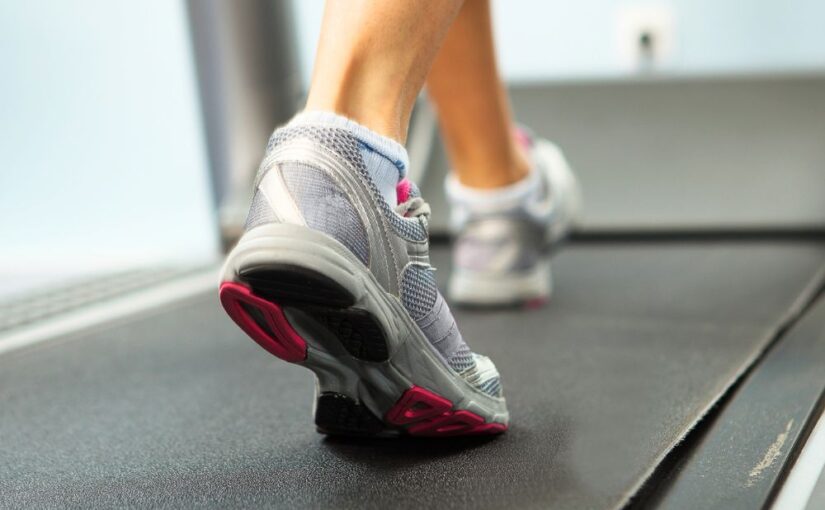
Running is a popular form of exercise, offering numerous health benefits, including improved cardiovascular fitness, weight management, and mental well-being. However, concerns often arise about the impact of running, particularly on joints like the knees. Many people wonder: is running on the treadmill bad for your knees? Let’s explore the factors involved.

Understanding Knee Stress

When discussing knee health and running, it’s essential to consider how stress is applied to the joints. The knees absorb significant impact during activities like running, whether on a treadmill or outdoors. Factors such as running form, body weight, and existing injuries can influence the level of stress placed on the knees.

Advantages of Treadmill Running

  1. Controlled Environment
    Treadmills allow for a consistent surface, reducing the risk of tripping or uneven terrain that can occur outdoors. This stability can minimize the chances of knee injuries.
  2. Cushioned Surface
    Many treadmills feature a cushioned deck, which can absorb some of the impact compared to harder surfaces like concrete or asphalt. This cushioning can lead to less joint stress, potentially making treadmill running safer for the knees.
  3. Adjustable Incline
    Treadmills allow users to adjust the incline, enabling varied workouts without increasing impact on the knees. Running at an incline can also reduce the strain on knee joints while providing an effective workout.

Potential Downsides

  1. Repetitive Motion
    Running on a treadmill often involves repetitive movements, which can lead to overuse injuries. If proper form isn’t maintained, or if one runs excessively, it may contribute to knee pain.
  2. Lack of Variation
    Treadmill running can lack the natural variation found in outdoor running, such as changes in terrain and surface. This uniformity can limit the engagement of stabilizing muscles, potentially leading to muscle imbalances.
  3. Inappropriate Use
    For individuals with pre-existing knee conditions or injuries, running on a treadmill—like any high-impact activity—can exacerbate pain or injury. Consulting a healthcare professional is essential for those with knee issues.

Tips for Healthy Treadmill Running

To enjoy the benefits of treadmill running while minimizing knee stress, consider the following tips:

  • Focus on Form: Maintain proper running posture. Maintain a relaxed posture, engage your core, and land softly on your feet. .
  • Wear Appropriate Footwear: Invest in good quality running shoes that offer adequate support and cushioning to help absorb impact.
  • Warm-Up and Stretch: Always warm up before running and stretch afterward to enhance flexibility and reduce the risk of injury.
  • Incorporate Cross-Training: Engage in low-impact activities, such as cycling or swimming, to build strength and endurance without putting excessive stress on the knees.
  • Listen to Your Body: If you experience pain or discomfort while running, it’s crucial to rest and consult a professional if necessary.

Conclusion

Running on the treadmill is not inherently bad for your knees, but it depends on various factors such as running technique, body mechanics, and existing knee conditions. By taking proper precautions and being mindful of your body, you can enjoy the benefits of treadmill running while minimizing the risk of knee problems. If you have concerns or experience persistent pain, consulting a healthcare provider or a physical therapist is always a wise choice.
Smith Machine: Pros and Cons

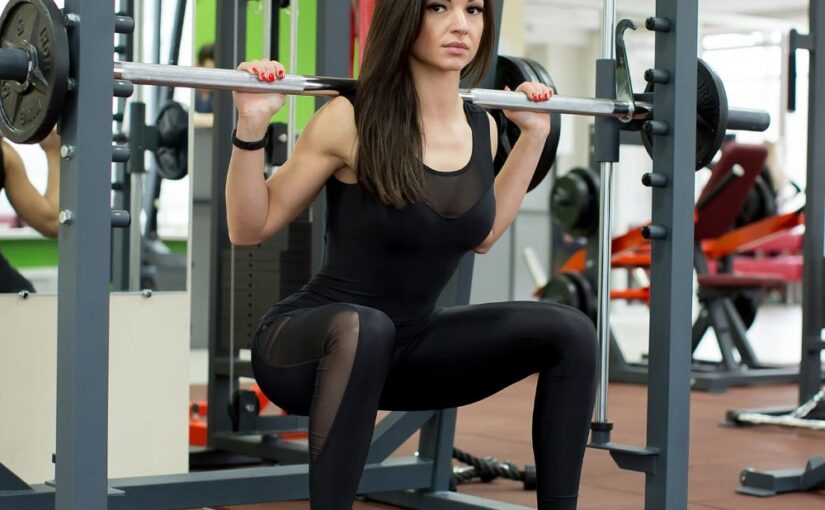
The Smith machine is a popular gym equipment that features a barbell fixed within steel rails, allowing for vertical movement while providing stability. While it can be a valuable tool for many lifters, it’s essential to weigh its advantages and disadvantages before incorporating it into your workout routine. In this article, we’ll explore the smith machine pros and cons to help you decide if it’s the right addition to your fitness regimen.

Advantages of Using a Smith Machine

The Smith machine offers numerous advantages for lifters. It enhances safety, improves stability, and supports controlled movements, making it a great choice for beginners. However, it’s also important to understand the smith machine pros and cons in terms of muscle engagement and range of motion to make an informed decision about its use.

  1. Safety and Stability
    The Smith machine enhances safety by providing a secure environment for lifting. The barbell’s fixed path reduces the risk of injury from losing balance or dropping the weight, making it an excellent option for beginners or those training alone.
  2. Controlled Movement
    Its design allows for controlled movements, which can help users isolate specific muscle groups more effectively during exercises like squats, bench presses, and shoulder presses.
  3. Versatility
    The Smith machine can be used for various exercises, offering a full-body workout without needing multiple pieces of equipment.
  4. Easier Progression
    Beginners can easily progress by starting with lighter weights and gradually increasing as they gain strength, all while feeling secure.
  5. Reduced Need for a Spotter
    The machine’s design means that a spotter is less necessary, which can be particularly advantageous for individuals working out alone.

Disadvantages of Using a Smith Machine

While the smith machine provides significant benefits, there are some Smith machine pros and cons to consider. One notable downside is the limited range of motion due to its fixed path, which may restrict natural movement and contribute to muscle imbalances over time.

  1. Limited Range of Motion
    The fixed bar path can restrict natural body movement, which may lead to discomfort and potentially increase the risk of injury over time.
  2. Muscle Imbalances
    The stabilization provided by the Smith machine may lead to underdeveloped stabilizing muscles, resulting in muscle imbalances.
  3. Less Functional Strength
    Training on a Smith machine may not translate as effectively to real-world activities or sports, where functional strength is crucial.
  4. Psychological Dependence
    Lifters may become overly reliant on the machine, neglecting to develop skills and strength with free weights.
  5. Not Ideal for All Exercises
    Some movements, such as Olympic lifts or dynamic exercises, may be compromised due to the machine’s fixed path.

Understanding the smith machine pros and cons becomes even more important when comparing it to free weights, which offer a different training experience.

Comparison with Free Weights

Free weights allow for a greater range of motion and engage stabilizing muscles more effectively, promoting functional strength and coordination. While the Smith machine provides stability and safety, it may not develop overall strength in the same way. For compound movements that require balance and coordination, free weights are generally preferred. However, the Smith machine can be beneficial for isolating specific muscles or for beginners who are still mastering their form.

Best Practices for Use

To maximize the benefits of the Smith machine, follow these best practices:

  • Start with Light Weights: Begin with lighter weights to focus on form and technique.
  • Warm-Up: Always warm up properly to prevent injury.
  • Engage Core Muscles: Maintain core engagement during lifts to promote stability and protect your back.
  • Vary Your Routine: Incorporate a mix of free weights and other exercises to ensure balanced muscle development.
  • Focus on Form: Prioritize proper form over lifting heavier weights to avoid injuries.

Ideal User Profiles

The Smith machine can be particularly beneficial for:

  • Beginners: Those new to weightlifting can use it to build confidence and learn proper form.
  • Rehabilitating Injured Athletes: Individuals recovering from injury may find the controlled environment helpful for safe strength training.
  • Those Lacking Spotters: Users who prefer to work out alone can benefit from the machine’s safety features.

Injury Prevention and Rehabilitation

The Smith machine can be a valuable tool in injury prevention and rehabilitation. Its fixed path allows for controlled movement, making it suitable for individuals recovering from injuries. Trainers often use it to help clients regain strength while minimizing the risk of re-injury. However, it should complement a broader rehabilitation program that includes flexibility and functional training.

Common Misconceptions

Some of the myths surrounding the smith machine pros and cons stem from misunderstandings about how the machine functions in real training scenarios.

  • “It’s Only for Beginners”: While it is excellent for beginners, many advanced lifters also use it for specific muscle isolation and rehabilitation.
  • “It Doesn’t Build Real Strength”: Although it may not engage stabilizing muscles as much as free weights, it can still contribute to strength gains, especially when used correctly.
  • “It’s Dangerous”: When used properly with a focus on form, the Smith machine can be very safe.

Alternative Equipment

For those looking for variety, consider incorporating other equipment such as:

  • Power Racks: Offering more versatility and a greater range of motion for compound lifts.
  • Cable Machines: Providing stability while allowing for a wider range of functional movements.
  • Resistance Bands: Great for enhancing stability and offering variable resistance during workouts.

Summary and Recommendations

The Smith machine offers several advantages, particularly in terms of safety, stability, and ease of use for beginners. However, its limitations regarding range of motion and muscle engagement should not be overlooked. A balanced approach that incorporates free weights, bodyweight exercises, and the Smith machine is ideal for maximizing strength training benefits. By understanding its advantages and disadvantages, users can effectively integrate the Smith machine into a comprehensive workout routine tailored to their fitness goals.


Frequently Asked Questions (FAQ)

What is a Smith Machine?

The Smith machine is a piece of gym equipment that features a barbell fixed within steel rails, allowing for vertical movement while providing stability and safety.

What Advantages Does the Smith Machine Offer?

The Smith machine provides a stable, secure environment with guided movement, making it a solid choice for beginners and for targeting individual muscle groups.

Can the Smith Machine Help Beginners With Weightlifting?

Absolutely, the Smith machine is a great option for those new to weight training. It provides a secure and controlled environment for practicing lifts like squats and bench presses without the need for a spotter.

Are There Any Drawbacks to Using a Smith Machine?

While the Smith machine offers stability, its fixed bar path can limit your range of motion, which might lead to muscle imbalances or less functional strength development.

Can I Use the Smith Machine for Full-Body Workouts?

The smith machine is versatile and accommodates various exercises such as squats, bench presses, and shoulder presses, making it effective for full-body workouts.

Explore Essential Strength Training Equipment

If you’re looking to enhance your home gym, consider adding these popular pieces of equipment. Below are some options to explore for your strength training routine.

Smith Machines

Smith machines offer a secure and sturdy setup for exercises such as squats, bench presses, and shoulder presses. They’re ideal for isolating muscle groups and building strength.

Power Racks

Power racks deliver a secure and versatile platform for performing essential compound exercises like squats, bench presses, and deadlifts. They provide adjustable settings and ensure safety during heavy lifts.

Resistance Bands

Resistance bands are cost-effective and easy to transport, making them a convenient complement to any fitness regimen. They’re ideal for targeting specific muscles and adding variety to your exercises.


Affiliate Disclaimer

The above links are affiliate links. If you make a purchase through these links, we may earn a small commission at no extra cost to you.

Benefits of the Stair Stepper: A Simple Guide

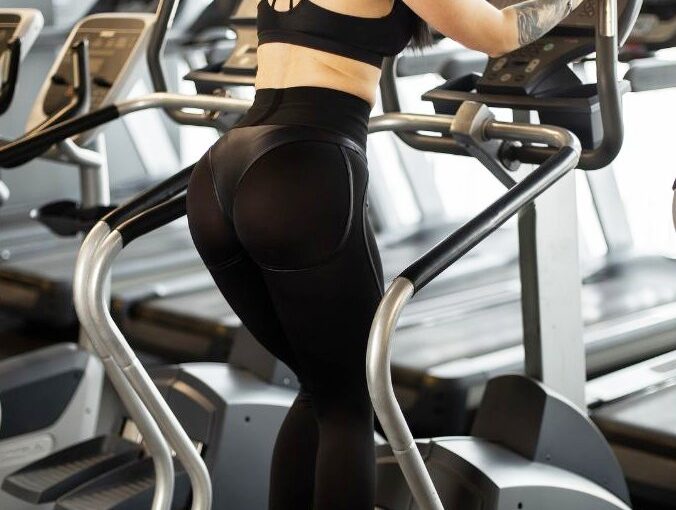
The stair stepper, commonly found in gyms and fitness studios, is an effective piece of equipment that simulates the action of climbing stairs. This low-impact machine offers a variety of benefits of using a stair stepper, including improved fitness levels, enhanced cardiovascular health, and muscle toning. Here’s a closer look at these advantages, along with recommendations on optimal duration, frequency, and affordability compared to other cardio machines.

1. Effective Cardiovascular Workout

One of the primary benefits of the stair stepper is its ability to provide an excellent cardiovascular workout. Climbing stairs elevates your heart rate, improving cardiovascular endurance and overall heart health. Regular use can help lower the risk of heart disease, reduce blood pressure, and enhance circulation.

2. Burns Calories

Stair stepping is a highly effective way to burn calories. Depending on your weight and workout intensity, you can burn more calories on a stair stepper compared to some other forms of cardio, such as walking on a flat surface. For optimal fat loss, aim for sessions lasting 30 to 60 minutes at least three to five times a week. This duration and frequency can significantly enhance calorie expenditure and support your fat loss goals.

3. Tones Muscles

Using a stair stepper engages several major muscle groups, particularly in the lower body. As you step, you activate your quadriceps, hamstrings, calves, and glutes. Over time, this leads to improved muscle tone and strength in these areas, contributing to a more sculpted physique.

4. Low Impact

Unlike running or other high-impact exercises, the stair stepper provides a low-impact workout that is easier on the joints. This makes it a great choice for individuals with joint issues or those recovering from injuries. It allows for vigorous workouts without excessive stress on your knees and hips.

5. Improves Balance and Coordination

Climbing stairs requires balance and coordination, which can improve with regular use of the stair stepper. This benefit is particularly valuable as we age, helping to reduce the risk of falls and injuries. Incorporating the stair stepper into your routine can enhance overall stability and functional fitness.

6. Boosts Metabolism

The stair stepper can help boost your metabolism, even after your workout has ended. The intensity of stair stepping can lead to a phenomenon known as excess post-exercise oxygen consumption (EPOC), where your body continues to burn calories as it recovers. This means you may continue to burn calories long after your workout is over.

7. Versatile Workout Options

Stair steppers typically come with various settings and resistance levels, allowing for customizable workouts. You can adjust the intensity to match your fitness level, whether you’re a beginner or more advanced. Many machines also feature built-in workout programs, helping to keep your routine fresh and engaging.

8. Affordability Compared to Other Cardio Machines

When considering cardio equipment, the stair stepper is often a cost-effective option. While high-end treadmills and ellipticals can be quite pricey, many stair steppers are available at a more affordable price point. Their durability and efficiency make them a worthwhile investment for home gyms, offering great value for your fitness journey.

Benefits of Using Stair Stepper vs. Other Cardio Machines

To better understand the benefits of using a stair stepper, it helps to compare it with other popular cardio machines like treadmills and ellipticals. Here’s a side-by-side look at how they stack up:

BenefitStair StepperTreadmillElliptical
Cardio Health✅ Excellent✅ Excellent✅ Excellent
Calorie Burn✅ Moderate–High✅ High✅ Moderate
Lower Body Toning✅ Strong✅ Moderate✅ Moderate
Upper Body Engagement❌ Minimal❌ None✅ With handlebars
Impact on Joints✅ Low❌ Higher (when running)✅ Low
Improves Balance✅ Yes✅ Slightly✅ Slightly
Ease on Knees/Hips✅ Joint-friendly❌ Can be harsh✅ Joint-friendly
Space Efficiency✅ Compact Options❌ Larger footprint✅ Moderate footprint
Cost (General Range)✅ Affordable Options❌ Can be expensive✅ Moderate to high

Notes:

  • ✅ = Strong or clear benefit
  • ❌ = Not ideal or less effective

Conclusion

The stair stepper is a versatile and effective piece of fitness equipment that provides numerous benefits for cardiovascular health, calorie burning, muscle toning, and overall fitness. Its low-impact nature makes it suitable for a wide range of users, from beginners to seasoned athletes.

To maximize fat loss, aim for 30 to 60-minute sessions three to five times a week. By incorporating the stair stepper into your workout routine, you can achieve your fitness goals while enjoying a challenging and rewarding exercise experience. Whether you’re looking to lose weight, tone your muscles, or improve your cardiovascular fitness, the stair stepper is a great option to consider.


Frequently Asked Questions (FAQ)

How Often Should I Use a Stair Stepper for Optimal Results?

For effective cardiovascular benefits and calorie burning, aim for 30 to 60-minute sessions, three to five times a week.

Is the Stair Stepper Suitable for Beginners?

Yes, the stair stepper is low-impact and adjustable, making it accessible for individuals of all fitness levels.

Can I Use the Stair Stepper if I Have Joint Issues?

Absolutely. The stair stepper provides a low-impact workout that is gentler on the joints compared to high-impact exercises like running.

How Does the Stair Stepper Compare to Other Cardio Machines?

While treadmills and ellipticals offer excellent cardiovascular workouts, the stair stepper uniquely targets lower body muscles and offers a low-impact alternative.

What Are the Cost Considerations for a Stair Stepper?

Stair steppers are often more affordable than high-end treadmills and ellipticals, making them a cost-effective option for home gyms.

Explore Home Cardio Equipment Options

If you’re considering adding equipment to your home workout setup, here are some commonly used machines to support cardiovascular fitness, strength, and endurance.

Treadmills

Treadmills offer walking and running options with adjustable speeds and incline settings. Ideal for those focused on endurance, fat loss, and convenience.

Ellipticals

Elliptical machines provide a low-impact, full-body workout. They’re suitable for individuals seeking joint-friendly cardio with both lower and upper body engagement.

Stair Steppers

Stair steppers simulate stair climbing, targeting lower-body muscle groups while supporting cardiovascular fitness. Often compact and efficient for home use.


Affiliate Disclaimer

The above links are affiliate links. If you click on a link and make a purchase, we may earn a small commission at no extra cost to you.

Treadmill vs. Elliptical: Which Is Best for Weight Loss?

When it comes to losing weight and getting toned, choosing the right exercise machine can make a significant difference. Two of the most popular options at gyms and home fitness setups are treadmills and ellipticals. On the issue of treadmill vs. elliptical, both machines offer unique benefits and can help you achieve your fitness goals, but understanding their differences can help you decide which is better for you. Let’s break down the features, advantages, and considerations of each.

1. Treadmill: Pros and Cons

Pros:

  • Natural Movement: Treadmills mimic natural running and walking movements, making them intuitive for most users.
  • Calorie Burn: Treadmills generally allow for a higher calorie burn, especially when running or at a higher incline. This makes them effective for weight loss.
  • Versatility: Treadmills offer various workout options, including interval training, hill workouts, and different speed settings, which can enhance cardiovascular fitness.

Cons:

  • Impact on Joints: Running on a treadmill can be hard on the joints, especially for those with pre-existing conditions or injuries.
  • Boredom Factor: Some users find treadmill workouts repetitive, which can lead to disengagement over time.

2. Elliptical: Pros and Cons

Pros:

  • Low Impact: Ellipticals provide a low-impact workout, reducing stress on the joints while still providing an effective cardiovascular workout.
  • Upper Body Workout: Many elliptical machines come with moving handlebars, allowing users to engage their upper body, which can aid in toning and increase overall calorie burn.
  • Versatile Workouts: Like treadmills, ellipticals also offer varying resistance levels and incline settings, allowing for customizable workouts.

Cons:

  • Less Natural Movement: Some users may find the elliptical movement unnatural or awkward, particularly if they are used to running or walking.
  • Caloric Burn: While ellipticals are effective for toning, they may not burn as many calories as treadmills, especially at higher intensities.

3. Comparing Calorie Burn

When it comes to weight loss, calorie burn is a crucial factor. Generally, running on a treadmill burns more calories per minute than using an elliptical, especially during high-intensity workouts. However, the actual calories burned will depend on various factors, including:

  • Body Weight: People who are heavier typically burn more calories.
  • Workout Intensity: Higher intensity workouts yield greater calorie burns, regardless of the machine.
  • Duration: Longer workout sessions contribute to increased overall calorie expenditure.

4. Toning and Muscle Engagement

Both machines can contribute to toning, but they do so in different ways:

  • Treadmill: Primarily engages the lower body muscles, including the calves, quadriceps, hamstrings, and glutes. Running or walking at an incline can further enhance toning.
  • Elliptical: Engages both upper and lower body muscles, providing a more full-body workout. The combination of pushing and pulling on the handlebars works the arms, shoulders, and back, contributing to overall muscle toning.

Treadmill vs. Elliptical: Quick Comparison

FeatureTreadmillElliptical
Calorie BurnHigher calorie burn, especially with running or incline walkingModerate to high calorie burn, depending on resistance and intensity
Impact on JointsHigher impact; can stress knees and anklesLow-impact; gentler on joints, ideal for injury recovery or joint issues
Muscle EngagementPrimarily lower body (glutes, hamstrings, calves, quads)Full-body (legs plus arms, shoulders, back with handlebars)
Workout VarietySpeed, incline, interval training optionsAdjustable resistance, incline, forward/reverse stride, arm involvement
Ease of UseNatural movement (walking/running) is intuitiveMay feel unnatural to some users at first
Upper Body UseMinimal (unless using weights separately)Built-in handlebars provide upper body activation
Boredom FactorCan feel repetitive without variationMovement variety and upper body use may increase engagement
Best ForThose aiming for maximum calorie burn and traditional cardio trainingThose wanting a low-impact, full-body cardio workout

5. Treadmill vs. Elliptical: Which One?

Ultimately, the choice between a treadmill and an elliptical comes down to personal preference, fitness goals, and any physical limitations.

  • If your primary goal is to burn calories and improve cardiovascular fitness, and you enjoy running or walking, a treadmill might be the better option.
  • If you’re looking for a low-impact workout that engages multiple muscle groups and is easier on the joints, an elliptical could be the way to go.

Final Thoughts

Both treadmills and ellipticals can be effective tools for weight loss and toning. The best approach is to incorporate both machines into your routine if possible, allowing you to enjoy the benefits of each while keeping your workouts varied and engaging. Remember to combine your machine workouts with a balanced diet and strength training for optimal results in your fitness journey.


Frequently Asked Questions (FAQ)

Treadmill vs, Elliptical: Which Burns More Calories?

Generally, treadmills burn more calories, especially if you’re running or walking at a high incline. However, the total calorie burn depends on workout intensity, duration, and your body weight. Ellipticals can still offer a strong calorie burn, particularly during high-resistance, full-body sessions.

Is the Elliptical Better for People With Joint Pain?

Yes. The elliptical is a low-impact machine, making it a better choice for people with joint issues or those recovering from injuries. It reduces stress on the knees, hips, and ankles compared to the higher-impact motion of running on a treadmill.

Can You Tone Your Body Using an Elliptical?

Yes, they do. Ellipticals work both the upper and lower body, particularly when using models equipped with moving handlebars. This helps tone arms, shoulders, glutes, and legs while also boosting cardiovascular fitness.

Can Walking on a Treadmill Help You Lose Weight?

Yes. Walking at a brisk pace or incline on a treadmill can be very effective for burning calories and promoting fat loss—especially when combined with a healthy diet and strength training. It’s also beginner-friendly and sustainable long-term.

Should I Use Both Machines in My Workout Routine?

Using both treadmill and elliptical machines can offer the best of both worlds. Alternating between them prevents boredom, reduces the risk of overuse injuries, and targets different muscle groups and energy systems for a more balanced fitness approach.

Fitness Equipment for Your Home Gym

If you’re looking to enhance your fitness routine, consider incorporating a treadmill, elliptical, or treadmill mat into your home gym setup.

Treadmills for Weight Loss

Treadmills are a widely chosen cardio option, giving you the flexibility to walk, jog, or run at a pace that suits you. They can be a highly effective way to burn calories, especially if you incorporate incline walking or high-intensity intervals.

Ellipticals for Full-Body Toning

Elliptical machines provide a low-impact, full-body workout, making them ideal for toning muscles without putting stress on the joints. Many ellipticals offer adjustable resistance, helping to customize your workout and engage both the upper and lower body.

Treadmill Mats for Floor Protection

Using a treadmill or elliptical can sometimes cause vibrations that may affect your floors or create noise. Treadmill mats are an excellent addition to help protect your flooring, reduce noise, and keep your equipment stable during use.


Affiliate Disclaimer:

The links above are affiliate links. This means that if you make a purchase through one of these links, we may earn a small commission at no additional cost to you.

Half Rack vs. Power Cage: Which Is Right for You?

When setting up a home gym, choosing the right equipment is crucial for achieving your fitness goals. Among the most popular options for strength training are the half rack and the power cage. Both provide essential support for exercises like squats and bench presses, but they differ significantly in design, features, and functionality. This article will compare half rack vs. power cage to help you determine which is the best fit for your workout routine.

Understanding the Basics

Half Rack

A half rack is a simplified version of a power cage, featuring two vertical posts and adjustable safety arms. It is designed primarily for performing squats and other free-weight exercises while allowing for a bit more open space compared to a full cage.

Key Features:

  • Compact Design: Takes up less space than a power cage, making it suitable for smaller home gyms.
  • Versatility: While primarily designed for squats, half racks can also accommodate bench presses and various other lifts.
  • Open Access: The open design allows for easier entry and exit during workouts, enhancing convenience.

Power Cage

A power cage, or power rack, is a more robust and enclosed structure with four vertical posts and safety bars. It provides a secure environment for a wide variety of exercises and is particularly useful for heavy lifting.

Key Features:

  • Enclosed Design: Offers enhanced safety with adjustable safety bars that catch the barbell in case of a failed lift.
  • Multiple Functions: Supports a broader range of exercises, including squats, bench presses, overhead lifts, and more.
  • Additional Attachments: Many power cages come with options for pull-up bars, dip stations, and other attachments, making them highly versatile.

Benefits of Each

Benefits of Half Racks

  1. Space Efficiency: Half racks take up less room, making them ideal for home gyms with limited space.
  2. Affordability: Typically less expensive than power cages, half racks are a cost-effective choice for those just starting out.
  3. Simplicity: The design is straightforward, making it easier for beginners to use without feeling overwhelmed by features.

Benefits of Power Cages

  1. Safety Features: The enclosed design and safety bars provide added security, particularly for solo lifters performing heavy lifts.
  2. Versatility: A power cage can accommodate a wider variety of exercises, allowing for a more comprehensive workout.
  3. Stability: The robust construction of power cages offers greater stability during heavy lifts, which is crucial for serious lifters.

Considerations for Choosing

Training Goals

Consider your specific training goals when choosing between a half rack and a power cage:

  • If you primarily focus on squats and basic lifts, a half rack may suffice. It offers the essential features needed for those exercises.
  • If you plan to perform a variety of lifts or lift heavy weights, a power cage is likely the better choice. It provides additional safety and versatility for advanced workouts.

Space and Budget

  • Space: Measure your available space before making a decision. A half rack is more compact, while a power cage requires more room.
  • Budget: Consider your budget. Half racks are generally less expensive, making them a practical choice for beginners or those on a budget.

Experience Level

  • Beginners: A half rack can be a good starting point for new lifters, as it is simpler and less intimidating.
  • Advanced Lifters: More experienced lifters may prefer a power cage for its safety features and versatility, especially when lifting heavy weights.

Conclusion

In the half rack vs. power cage debate, both pieces of equipment have unique advantages and are valuable additions to any home gym. Your choice ultimately depends on your training goals, available space, and budget. If you need a compact, budget-friendly option for basic lifts, a half rack may be the right fit. However, if you want a versatile piece of equipment that offers enhanced safety for heavy lifting, a power cage is likely the better investment.

Whichever you choose, both options will help elevate your strength training and enhance your workout routine!


Frequently Asked Questions (FAQ)

What’s the Main Difference Between a Half Rack and a Power Cage?

A half rack is a simpler, more compact option with two vertical posts and adjustable safety arms, ideal for limited spaces. A power cage is a larger, enclosed structure with four vertical posts and additional safety features, offering more versatility and security.

Which is Better for Beginners, a Half Rack or a Power Cage?

A half rack is often a better choice for beginners due to its simplicity, ease of use, and lower price. It’s a good option for those focusing mainly on squats and basic lifts.

Can I Perform Bench Presses With a Half Rack?

Yes, a half rack can accommodate bench presses, although it may not provide the same safety features as a power cage for this exercise. Ensure you have a spotter or utilize the adjustable safety bars for added protection.

Is a Power Cage Worth the Extra Cost?

If you plan to perform a variety of exercises or lift heavy weights, a power cage offers added safety and versatility, making it a worthwhile investment for serious lifters.

Which Option Takes Up Less Space, a Half Rack or a Power Cage?

For those with limited space in their garage or home gym, a half rack would be great because it has a smaller footprint than a power cage.

Build Your Strength Setup: Top Home Gym Picks

Whether you’re outfitting a garage gym or upgrading your home setup, these essential pieces of equipment are perfect for safe and effective strength training.


Half Racks

A space-saving solution that still provides the stability and safety you need for squats, bench presses, and pull-ups.


Power Cages

If you’re looking for the highest level of safety and room to grow your setup, a power cage is the ideal choice. Great for progressive overload and solo workouts.


    Barbell Sets

    No home gym is complete without a solid barbell and bumper or cast iron plates.


      Tip:

      When buying gym equipment, consider total space, ceiling height, and future upgrades. Investing in modular or expandable gear pays off long-term.


      Affiliate Disclosure

      The links above are affiliate links, which means if you click through and make a purchase, we may earn a small commission at no extra cost to you.

      Squat Rack vs. Power Cage: Which One Is Right for You?

      When it comes to strength training, having the right equipment can make a significant difference in your workouts. Two of the most popular pieces of equipment for squats and other exercises are the squat rack and the power cage. Both have their advantages, but choosing between them can be challenging. In this article, ‘Squat Rack vs. Power Cage: Which One Is Right for You?’ we’ll explore the key differences, benefits, and considerations for each to help you decide which is best for your fitness goals.

      Understanding the Basics

      Squat Rack

      A squat rack, also known as a squat stand, is a simpler piece of equipment designed primarily for performing squats. It typically consists of two vertical posts and adjustable safety bars. Squat racks are often more compact and can fit into smaller spaces.

      Key Features:

      • Adjustable Height: Allows users to set the bar at different heights for various exercises.
      • Versatile: Suitable for squats, bench presses, and other lifts.
      • Compact Design: Generally takes up less space than a power cage.

      Power Cage

      A power cage, or power rack, is a more robust and enclosed piece of equipment. It features four vertical posts, adjustable safety bars, and usually includes pull-up bars and additional attachment points for accessories.

      Key Features:

      • Enclosed Design: Provides a safer environment for heavy lifting.
      • Multiple Functions: Supports a wide range of exercises, including squats, bench presses, overhead presses, and more.
      • Additional Features: Many power cages come with attachments for dips, pull-ups, and other exercises.

      Benefits of Each

      Benefits of Squat Racks

      1. Space Efficiency: Squat racks typically require less floor space, making them ideal for home gyms with limited room.
      2. Cost-Effective: Generally more affordable than power cages, making them a good option for beginners or those on a budget.
      3. Simplicity: Easier to set up and use, especially for those new to weightlifting.

      Benefits of Power Cages

      1. Safety Features: The enclosed design and adjustable safety bars provide added security, especially when lifting heavy weights alone.
      2. Versatility: Can be used for a broader range of exercises, making it a more comprehensive piece of equipment for strength training.
      3. Stability: Power cages often feel more stable during heavy lifts due to their robust construction.

      Considerations for Choosing

      Training Goals

      When deciding between a squat rack vs. power cage, think about your specific training goals:

      • If your primary focus is squats and basic lifts, a squat rack might be sufficient. It offers the essential features needed for those exercises.
      • If you plan to perform a wider variety of lifts or lift heavy weights, a power cage is likely the better choice. It provides additional safety and versatility.

      Space and Budget

      • Space: Measure your available space before making a decision. A squat rack requires less floor space, while a power cage needs more room.
      • Budget: Consider your budget. Squat racks are usually less expensive, making them a practical choice if you’re just starting out or have limited funds.

      Experience Level

      • Beginners: A squat rack can be a good starting point for new lifters. It’s simpler and easier to navigate.
      • Advanced Lifters: More experienced lifters may prefer a power cage for its safety features and versatility, especially when lifting heavy weights.

      Conclusion

      In the squat rack vs. power cage debate, both pieces of equipment have their unique advantages and are valuable additions to any home gym. Your choice ultimately depends on your training goals, available space, and budget. If you’re primarily focused on squats and need something space-efficient and cost-effective, a squat rack may be the way to go. However, if you want a versatile piece of equipment that offers more safety for heavy lifting, a power cage is likely the better option.

      Whichever you choose, both options will help you achieve your strength training goals and enhance your workout routine!


      Frequently Asked Questions (FAQ)

      Which is Better for Beginners: a Squat Rack or a Power Cage?

      For beginners, a squat rack is often a better choice because it’s simpler to use and takes up less space. It’s great for those who are primarily focused on squats and basic lifts.

      Can a Squat Rack Replace a Power Cage for Safety?

      A squat rack can be safe if used with proper form, but it doesn’t provide the same level of safety as a power cage. The enclosed design of a power cage offers added security, especially when lifting heavy weights alone.

      Do Power Cages Support Exercises Other Than Squats?

      Yes! Power cages offer versatility by supporting a variety of exercises such as bench presses, overhead presses, pull-ups, dips, and more, making them a great option for comprehensive strength training.

      Is a Squat Rack Good for Home Gyms With Limited Space?

      Squat racks are more compact than power cages, making them an excellent choice for home gyms with limited space. Their compact design makes them easy to store and set up in smaller spaces.

      Which is More Expensive: a Squat Rack or a Power Cage?

      Power cages tend to be more expensive than squat racks because of their larger size and extra features, such as additional attachments and safety bars. If you’re on a budget, a squat rack is usually a more budget-friendly choice.

      Recommended Home Gym Equipment

      To enhance your strength training routine, consider investing in some of the equipment below for your home gym:

      Squat Racks

      A squat rack is an essential piece of equipment for any lifter. It allows you to safely perform squats and other exercises with the flexibility to adjust the bar height. Whether you’re a beginner or an advanced lifter, a squat rack will help take your workouts to the next level.

      Power Cages

      Power cages (or power racks) are a robust, enclosed piece of equipment that provides safety and stability for heavy lifts. They support a wide range of exercises like squats, bench presses, pull-ups, dips, and more.

      Barbell Sets

      A complete barbell set is perfect for various exercises, including squats, deadlifts, and bench presses. It provides all the weight plates you need for progressive strength training and growth.

      Leg Press Machines

      For those who want to target the legs in isolation, leg press machines are a fantastic choice. They focus on your quads, hamstrings, and glutes, helping you build leg strength safely and effectively.

      Leg Extension and Curl Machines

      To more precisely target your quadriceps and hamstrings, consider incorporating leg extension and curl machines into your home gym. These machines are ideal for isolating and building muscle in these areas.


      Affiliate Disclaimer: The above links are affiliate links, which means we may earn a small commission if you make a purchase through these links.

      Best Leg Press Machines for a Home Gym

      Would you like to build strong legs without the hassle of a gym membership? If yes, then consider investing in a leg press machine for your home gym. Leg presses are effective for targeting the quadriceps, hamstrings, glutes, and calves. But with so many options available, how do you select the right one for your needs? This article highlights key factors to consider when choosing a leg press machine and reviews some top options.

      Key Factors to Consider

      When determining the best leg press machines for a home gym, consider the following factors:

      Build Quality

      Look for machines with sturdy construction and durable materials to ensure safety and longevity.

      Weight Capacity

      Choose a machine that supports a wide range of weights to accommodate different fitness levels.

      Space Requirements

      Consider the size and footprint of the machine to ensure it fits well in your home gym.

      Adjustability

      Machines with adjustable features for foot placement and seat position allow for personalized workouts.

      Price

      Evaluate the cost-to-value ratio, ensuring quality machines are accessible for various budgets.

      User Reviews

      Feedback from actual users can provide insights into performance and satisfaction.

      Top Leg Press Machines

      1. Body-Solid Leg Press

      Overview: Known for its robust construction, the Body-Solid Leg Press is a favorite among home gym enthusiasts.

      • Weight Capacity: Supports up to 1,000 lbs.
      • Adjustability: Multiple footplate positions for varied exercises.
      • Dimensions: Compact design fits well in small spaces.

      Why It’s Great: The Body-Solid Leg Press offers stability and is suitable for advanced lifters.

      2. Marcy Diamond Elite Leg Press

      Overview: The Marcy Diamond Elite combines versatility with affordability.

      • Weight Capacity: Holds up to 300 lbs.
      • Adjustability: Adjustable backrest for comfort and support.
      • Dimensions: Space-efficient design.

      Why It’s Great: This machine provides an excellent range of motion and is suitable for beginners and intermediates.

      3. Titan Fitness Vertical Leg Press

      Overview: The Titan Fitness Vertical Leg Press features a compact vertical design, perfect for tight spaces.

      • Weight Capacity: Supports up to 600 lbs.
      • Adjustability: Adjustable footplate for various leg angles.
      • Dimensions: Space-saving vertical design.

      Why It’s Great: Ideal for limited spaces while still providing a robust workout.

      4. PowerLine P2LPX Leg Press

      Overview: The PowerLine P2LPX is a budget-friendly option that doesn’t compromise on quality.

      • Weight Capacity: Supports up to 400 lbs.
      • Adjustability: Adjustable backrest for comfort.
      • Dimensions: Moderate size, suitable for most home gyms.

      Why It’s Great: Offers great value and solid performance for effective leg workouts.

      5. Life Fitness Leg Press

      Overview: A premium option, the Life Fitness Leg Press is designed for serious athletes.

      • Weight Capacity: Up to 1,000 lbs.
      • Adjustability: Features for optimal foot placement and comfort.
      • Dimensions: Larger footprint built for high performance.

      Why It’s Great: Provides an exceptional workout experience for dedicated fitness enthusiasts.

      Conclusion

      Choosing the right leg press machine for your home gym depends on your specific needs, space constraints, and budget. The options listed above were selected based on their build quality, weight capacity, adjustability, and user feedback. Whether you’re a beginner or an experienced lifter, investing in a leg press machine can elevate your strength training routine and help you achieve your fitness goals from the comfort of home.

      Leg Press vs. Squats: Which Builds Leg Strength Better?

      When it comes to developing leg strength and size, two commonly used exercises are the leg press and the squat. Each has its advantages, but which one is better? This article will examine the benefits and drawbacks of leg press vs. squats, helping you determine which is best for your fitness goals.

      Understanding the Exercises

      Squats

      Squats are a compound movement that activates multiple muscle groups, like the quadriceps, hamstrings, glutes, and lower back. They mimic natural movements such as sitting and standing, making them functional exercises that can improve overall strength and stability.

      Leg Press

      The leg press is performed on a machine, where you push a weighted platform away using your legs. This exercise primarily targets the quadriceps, but it also engages the hamstrings and glutes, depending on foot placement.

      Benefits of Squats

      1. Full-Body Engagement: Squats require the activation of core and stabilizing muscles, promoting overall body strength.
      2. Functional Movement: Squats mimic everyday activities, improving your ability to perform daily tasks and sports.
      3. Versatility: They can be performed in various ways (e.g., back squats, front squats, goblet squats) to target different muscle groups and adapt to different fitness levels.

      Benefits of Leg Presses

      1. Isolation of Muscles: The leg press allows for more isolation of the leg muscles, making it easier to focus on the quadriceps.
      2. Reduced Risk of Injury: For individuals with back issues or limited mobility, leg presses can be a safer alternative as they provide back support.
      3. Easier to Load: The machine allows for easier adjustments in weight, making it user-friendly for beginners.

      Limitations of Each Exercise

      Squats

      • Technique Sensitivity: Squats require proper form to avoid injury, which can be challenging for beginners.
      • Mobility Requirements: Individuals with mobility issues may struggle with squats, especially if flexibility is limited.

      Leg Press

      • Less Core Engagement: While effective for the legs, the leg press does not engage the core as much as squats do, potentially leading to muscle imbalances.
      • Machine Dependence: Using the leg press machine limits your ability to perform the exercise anywhere, making it less functional.

      Leg Press vs. Squats: Which Is Better?

      The answer ultimately depends on your individual fitness goals:

      • For Overall Strength and Functional Fitness: Squats are generally considered superior due to their full-body engagement and functional movement pattern.
      • For Targeting Quadriceps or Injury Rehabilitation: The leg press can be more effective, especially for those recovering from injury or focusing on leg development without stressing the back.

      Conclusion

      Both leg presses and squats have unique benefits and can be effectively incorporated into your workout routine. Ideally, a balanced program should include both exercises, allowing you to reap the benefits of each. When weighing leg press vs. squats, consider your fitness goals, experience level, and any physical limitations when deciding which exercise to prioritize. As always, consult with a fitness professional if you’re unsure about form or technique to ensure a safe and effective workout.


      Frequently Asked Questions (FAQ)

      Which is Better for Beginners: Leg Press or Squats?

      The leg press is often better for beginners because it provides more stability and support, allowing them to build leg strength with lower injury risk.

      Can I Replace Squats With Leg Presses?

      Although leg presses help build leg strength, they don’t activate your core and stabilizing muscles as much as squats do. It’s best to include both if possible.

      Which Exercise is More Effective for Building Muscle?

      Squats generally provide more muscle-building benefits overall, as they involve multiple joints and muscle groups, including your core.

      Are Squats Bad for Your Knees?

      Not when done with proper form. Squats can actually help reinforce the muscles that support and stabilize the knee joint. Poor form and excessive load are what cause issues.

      How Should I Decide Between Leg Press vs. Squats?

      It depends on your goals. Choose squats for functional strength and full-body engagement, or leg press for focused leg training and injury recovery.

      Recommended Gear for Leg Training

      To get the most out of your leg workouts, consider investing in some of the equipment for your home gym to support your training goals:

      Squat Racks

      Perfect for performing safe and effective squats at home. Look for options with adjustable safety bars and sturdy frames.

      Barbell Set

      A reliable barbell set is essential for squats, deadlifts, and more. Choose one with durable plates and a knurled grip for control.

      Leg Press Machines

      Great for isolating leg muscles and minimizing stress on the lower back. Ideal for progressive overload.

      Leg Extension & Curl Machine

      Target your quads and hamstrings efficiently with a dual-function machine that supports both leg extensions and curls.


      Affiliate Disclaimer:
      The above links are affiliate links. If you purchase through these links, we may earn a small commission at no extra cost to you.

      Tips for Building Stronger Legs: A Growth Guide

      Building huge legs is essential for a balanced physique and overall strength. Stronger legs not only enhance your appearance, but also improve your performance in various sports and daily activities. This guide will provide you with effective strategies, exercises, and nutrition tips to help you develop impressive legs.

      Understanding Leg Anatomy

      To effectively train your legs, it’s important to know the major muscle groups:

      1. Quadriceps: The muscles at the front of your thighs, responsible for extending your knee.
      2. Hamstrings: Located at the back of your thighs, these muscles help flex your knee and extend your hip.
      3. Glutes: The gluteus maximus, medius, and minimus are key muscles for hip movement and overall leg power.
      4. Calves: Comprising the gastrocnemius and soleus, these muscles are crucial for ankle movement and stability.

      Key Principles for Building Huge Legs

      1. Progressive Overload

      To stimulate muscle growth, consistently challenge your legs by increasing the weights you lift, the number of repetitions, or the intensity of your workouts. This progressive approach will help you achieve stronger legs over time.

      2. Balanced Training

      Focus on all major leg muscles, including quads, hamstrings, glutes, and calves. A well-rounded routine will prevent imbalances and promote overall leg strength.

      3. Proper Form

      Maintain good form to maximize effectiveness and reduce injury risk. Prioritize quality over quantity; it’s better to lift lighter weights with correct technique.

      4. Recovery

      Leg muscles need time to recover and grow. Ensure you’re allowing adequate rest between leg workouts and getting enough sleep to support muscle recovery.

      Effective Leg Exercises

      Here are ten excellent exercises to help you build stronger legs:

      1. Squats

      • How to do it: Stand, place your feet shoulder-width apart. Bring your body down as if sitting back into a chair, keeping your chest up and knees behind your toes. Push through your heels to return to standing.
      • Muscles targeted: Quadriceps, hamstrings, glutes.

      2. Deadlifts

      • How to do it: Stand with your feet hip-width apart and grip a barbell on the ground. Maintain your back straight as you lift the bar by extending your hips and knees, then lower it back down.
      • Muscles targeted: Hamstrings, glutes, lower back.

      3. Lunges

      • How to do it: Take a step forward with one leg, lower your hips til both knees are bent at about a 90-degree angle. Push back to return to the beginning position and switch legs.
      • Muscles targeted: Quadriceps, hamstrings, glutes.

      4. Leg Press

      • How to do it: Sit on a leg press machine with your feet shoulder-width apart on the platform. Push the platform away from you by extending your legs, then return to the starting position.
      • Muscles targeted: Quadriceps, hamstrings, glutes.

      5. Calf Raises

      • How to do it: Stand on the edge of a step, your heels hanging off. Lift your heels as high as possible, then lower them below the step level.
      • Muscles targeted: Calves.

      6. Bulgarian Split Squats

      • How to do it: Stand a couple of feet in front of a bench or step. Place one foot on the bench behind you. Lower your body into a lunge, then push back up.
      • Muscles targeted: Quadriceps, hamstrings, glutes.

      7. Leg Curls

      • How to do it: Use a leg curl machine, lying face down. Curl the weight towards your glutes by bending your knees, then lower it back down.
      • Muscles targeted: Hamstrings.

      8. Leg Extensions

      • How to do it: Sit on a leg extension machine and place your feet under the pad. Extend your legs straight out, then lower back down.
      • Muscles targeted: Quadriceps.

      9. Sumo Squats

      • How to do it: Stand with your feet wider than shoulder-width and toes pointed slightly out. Lower your body into a squat, then return to standing.
      • Muscles targeted: Quadriceps, hamstrings, glutes, inner thighs.

      10. Step-Ups

      • How to do it: Stand in front of a sturdy bench or box. Step up with one foot, bringing the other foot up to meet it, then step back down and alternate legs.
      • Muscles targeted: Quadriceps, hamstrings, glutes.

      Sample Leg Workout Routine

      Workout A:

      1. Squats: 4 sets of 8-12 reps
      2. Deadlifts: 4 sets of 6-10 reps
      3. Calf Raises: 4 sets of 12-15 reps
      4. Lunges: 3 sets of 10-12 reps per leg

      Workout B:

      1. Bulgarian Split Squats: 3 sets of 10-12 reps each leg
      2. Leg Press: 4 sets of 8-12 reps
      3. Leg Curls: 3 sets of 10-12 reps
      4. Step-Ups: 3 sets of 10-12 reps per leg
      5. Sumo Squats: 3 sets of 10-12 reps

      Nutrition for Leg Growth

      Nutrition is crucial for muscle development:

      • Protein: Essential for muscle repair and growth. Strive for sources like lean meats, fish, eggs, legumes, and dairy.
      • Carbohydrates: Use complex carbohydrates, including those found in whole grains, fruits, and vegetables, to fuel your workouts..
      • Healthy Fats: Support hormone production and overall health with sources like nuts, seeds, avocados, and olive oil.
      • Hydration: Stay well-hydrated to support performance and recovery.

      TL;DR: Building stronger legs is key for overall strength, improved performance, and a balanced physique. To build your legs effectively, train all the key muscle groups—quads, hamstrings, glutes, and calves—for balanced strength and growth. Use progressive overload to continually challenge your muscles, maintain proper form to avoid injury, and allow adequate recovery between workouts. Include powerful movements such as squats, deadlifts, lunges, leg presses, and calf raises in your workouts to target all major leg muscles. Support your training with a nutrient-rich diet that includes lean protein, complex carbs, healthy fats, and plenty of hydration. Stay consistent, and you’ll be on your way to building powerful, well-defined legs.

      Conclusion

      Building huge legs requires a combination of targeted exercises, balanced nutrition, and adequate recovery. Focus on progressive overload, maintain proper form, and ensure you’re training all major leg muscles. With dedication and the right approach, you’ll be on your way to developing stronger legs that enhance both your strength and physique. Start your journey today and watch your legs grow!


      Frequently Asked Questions (FAQ)

      How Often Should I Train Legs for Growth?

      For optimal results, most individuals should train their legs 1 to 2 times per week, ensuring enough rest for muscle recovery and growth.

      What’s the Best Exercise for Overall Leg Development?

      Squats are often considered the most effective exercise for overall leg development, as they target multiple muscle groups including the quads, hamstrings, and glutes.

      Can I Build Bigger Legs With Just Bodyweight Exercises?

      Yes, especially if you’re a beginner. Exercises like bodyweight squats, lunges, and step-ups can be very effective. As you progress, adding resistance will be necessary for continued growth.

      How Soon Can You Expect to See Progress From Leg Workouts?

      With consistent training and proper nutrition, you may start noticing visible changes in 4–8 weeks. Significant muscle growth typically takes several months of dedicated effort.

      Why Are My Legs Not Growing Despite Training Regularly?

      Common issues include not using enough resistance, poor form, lack of progressive overload, insufficient recovery, or inadequate protein intake. Reassess your routine to identify gaps.

      Recommended Equipment for Serious Leg Training

      Want to level up your leg day? These essentials will help you train harder, safer, and more effectively—whether at home or in the gym.

      Squat Racks

      A must-have for safe, heavy squats and other compound lifts. Ideal for developing comprehensive leg strength and stability.

      Leg Press Machines

      Great for isolating your quads, glutes, and hamstrings with controlled, heavy resistance—without stressing your back.

      Barbell Set

      Ideal for squats, deadlifts, lunges, and more. A solid barbell and plate set is the foundation of any effective leg workout.

      Adjustable Dumbbells

      Perfect for exercises like lunges, step-ups, and split squats. Save space and switch weights easily during your routine.


      Affiliate Disclaimer:
      The links above are affiliate links, which means we may earn a commission if you make a purchase through them, at no extra cost to you.

      Guide to Building Bigger Arms: Tips and Techniques

      Building huge arms is a common goal for many fitness enthusiasts, and for good reason. Well-defined arms not only enhance your physique but also improve your strength for a variety of exercises. This guide will help you understand how to effectively build bigger biceps, triceps, and forearms through targeted workouts, proper nutrition, and recovery strategies.

      Understanding Arm Anatomy

      To effectively train your arms, it’s important to know the key muscle groups:

      1. Biceps: The muscles at the front of your upper arms, consisting of the long head and short head. They are primarily responsible for elbow flexion.
      2. Triceps: Located at the back of the upper arm, the triceps consist of three heads (long, lateral, and medial). They are crucial for elbow extension and contribute significantly to arm size.
      3. Forearms: Comprising various muscles that control wrist and finger movements. Strong forearms support grip strength and overall arm function.

      Key Principles for Building Huge Arms

      1. Progressive Overload

      To stimulate muscle growth, you must progressively increase the weights you lift or the intensity of your workouts. This can be done by increasing the weight, adding more repetitions, or reducing rest time between sets.

      2. Balanced Training

      Focus on both biceps and triceps equally to ensure balanced development. Neglecting one can lead to imbalances, affecting both aesthetics and performance.

      3. Proper Form

      Maintaining good form is crucial for maximizing effectiveness and minimizing injury risk. It’s better to use lighter weights with correct technique than to lift heavy with poor form.

      4. Recovery

      Muscles grow during recovery, not during workouts. Ensure you’re giving your arms enough time to recover by allowing 48 hours between arm-focused workouts.

      Effective Arm Exercises

      Here are some of the best exercises to help you build huge arms:

      1. Barbell Bicep Curl

      • How to do it: Stand and position a barbell at hip level. Curl the barbell up to shoulder level while keeping your elbows close to your body. Lower it back down.
      • Muscles targeted: Biceps.

      2. Dumbbell Hammer Curl

      • How to do it: Hold a dumbbell in each hand, palms facing each other. Curl the weights up while keeping your elbows stationary, then lower.
      • Muscles targeted: Biceps, forearms.

      3. Tricep Dips

      • How to do it: Use parallel bars or a sturdy bench. Lower your body down by bending your elbows, then push back up to the starting position.
      • Muscles targeted: Triceps.

      4. Skull Crushers

      • How to do it: Lie on a bench with a barbell or dumbbells. Extend your arms above your chest, then lower the weights towards your forehead before pushing back up.
      • Muscles targeted: Triceps.

      5. Close-Grip Bench Press

      • How to do it: Lie on a bench and grip the barbell with hands shoulder-width apart. Lower down the bar to your chest and press it back up.
      • Muscles targeted: Triceps, chest.

      6. Concentration Curl

      • How to do it: Sit on a bench and rest your elbow on your inner thigh while holding a dumbbell. Curl the weight up and then bring it back down.
      • Muscles targeted: Biceps.

      Sample Arm Workout Routine

      Workout A:

      1. Barbell Bicep Curl: 4 sets of 8-12 reps
      2. Skull Crushers: 4 sets of 8-12 reps
      3. Dumbbell Hammer Curl: 3 sets of 10-15 reps

      Workout B:

      1. Tricep Dips: 4 sets of 8-12 reps
      2. Concentration Curl: 3 sets of 10-12 reps
      3. Close-Grip Bench Press: 4 sets of 8-10 reps

      Nutrition for Arm Growth

      Nutrition plays a critical role in muscle development:

      • Protein: Essential for muscle repair and growth. Strive for sources like lean meats, fish, eggs, legumes, and dairy.
      • Carbohydrates: Fuel your workouts with complex carbs from whole grains, fruits, and vegetables.
      • Healthy Fats: Support hormone production and overall health with sources like nuts, seeds, avocados, and olive oil.
      • Hydration: Stay well-hydrated to support performance and recovery.

      Conclusion

      Building huge arms requires a combination of targeted exercises, balanced nutrition, and adequate recovery. Focus on progressive overload, maintain proper form, and ensure you’re training both biceps and triceps equally. With dedication and the right approach, you’ll be on your way to developing impressive arms that enhance both your strength and physique. Start your journey today and watch your arms grow!


      Frequently Asked Questions (FAQ)

      How Often Should I Train My Arms?

      You can train your arms 1–2 times per week, depending on your overall training split. Give your arms at least 48 hours of rest between focused workouts to support proper recovery and muscle growth.

      Can I Train Biceps and Triceps on the Same Day?

      Yes! Training both on the same day is common and effective. Supersetting opposing muscle groups (like biceps and triceps) can even boost pump and efficiency.

      Should I Lift Heavy or Focus on Higher Reps for Arm Growth?

      Both have benefits. Use heavier weights (6–8 reps) for compound movements and moderate weights (10–15 reps) for isolation exercises. Variety promotes overall development.

      Do Compound Lifts Help Build Bigger Arms?

      Absolutely. Exercises like pull-ups, bench presses, and rows work the arms indirectly and contribute to overall size and strength, especially when combined with isolation work.

      Why Aren’t My Arms Growing Despite Regular Training?

      Typical causes include using incorrect form, not gradually increasing workout intensity, not allowing enough recovery time, or lacking proper nutrition. Reassess your routine and make sure you’re covering all the fundamentals.

      Recommended Gear to Maximize Arm Growth

      Looking to build your own home arm-training setup? These accessories can help you hit your goals faster and more efficiently:

      Adjustable Dumbbells

      Perfect for saving space and easily changing weights mid-workout. Ideal for curls, hammer curls, and triceps extensions.

      Barbell Set

      A versatile must-have for barbell curls, close-grip bench presses, and compound lifts. Great for strength and size gains.

      EZ Curl Bar

      Designed to reduce wrist strain and improve grip during bicep and tricep movements. A favorite for curls and skull crushers.

      Resistance Bands

      Excellent for warm-ups, drop sets, and travel-friendly arm workouts. Also useful for improving joint stability.

      Adjustable Workout Bench

      An essential for performing a variety of arm exercises, from dumbbell curls to chest presses. Adjustable to fit different angles for maximum versatility.


      Affiliate Disclaimer
      The above links are affiliate links. If you click on a link and make a purchase, we may earn a commission at no extra cost to you.