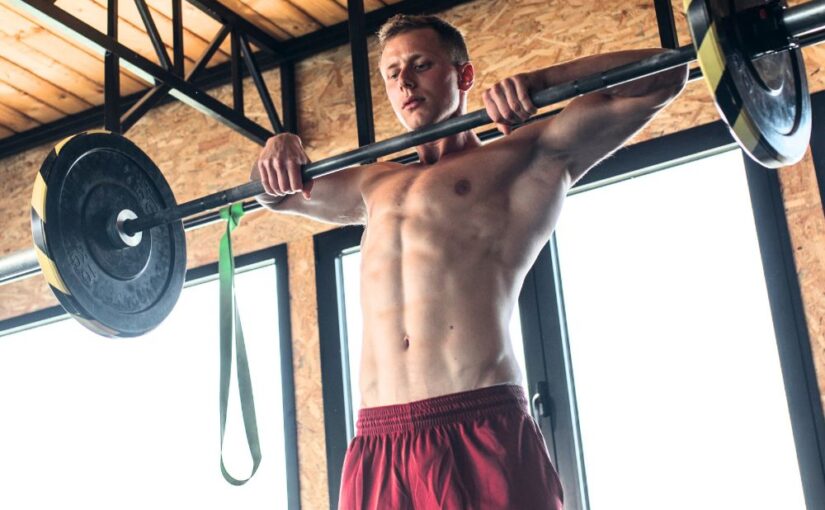
Barbell Upright Row Benefits

Barbell upright row benefits go beyond just shoulder development. This compound movement also engages the traps, biceps, and core, making it a valuable addition to any strength training routine. Here’s what you gain by adding barbell upright rows to your workouts.

1. Builds Shoulder Strength and Size Primary Target

The upright row works the deltoid muscles (shoulders), especially the lateral (middle) head. This helps in building shoulder strength and improving the definition and size of the shoulder muscles.

2. Improves Upper Trapezius Development

The trapezius muscles (traps) are heavily engaged during the upright row, particularly the upper part. This can help in developing a more pronounced and sculpted upper back.

3. Engages the Biceps

The upright row is a compound exercise that also recruits the biceps, especially during the pulling phase. This helps improve arm strength and endurance.

4. Enhances Posture

Building strength in the upper back and shoulders can lead to better posture. Upright rows promote better alignment of the upper body and reduce the risk of slouching.

5. Increases Core Stability

While the focus is on the upper body, upright rows require core engagement to maintain proper posture and stabilize the movement, helping to enhance overall core strength.

6. Improves Athletic Performance

The upright row mimics some functional movements used in sports, such as lifting and pulling motions. This can improve overall athletic performance, especially in activities requiring strong and explosive upper body movements.

7. Versatility

The barbell upright row can be performed with various grips (wide or narrow) to emphasize different parts of the shoulder and back muscles, making it a versatile exercise for muscle development.

8. Helps with Pulling Movements

Since the upright row involves a pulling motion, it can contribute to improving strength in other pulling exercises, such as deadlifts, pull-ups, and rows.

9. Scalable Intensity

As with most barbell exercises, the intensity can be adjusted by increasing the weight over time. This makes upright rows suitable for various fitness levels, from beginners to advanced lifters.

10. Time Efficiency

Since the upright row is a compound exercise, it targets multiple muscle groups simultaneously, making it an efficient use of time for those looking to work the shoulders, arms, and upper back in one movement. However, it’s important to note that the upright row can place significant stress on the shoulder joints, particularly if performed with improper form or excessive weight.

To minimize injury risk, ensure proper technique and avoid using a grip that’s too narrow or too heavy.

TL;DR: Benefits of Barbell Upright Row
Barbell upright rows are a powerful compound exercise that targets the shoulders while also working the traps, biceps, and core. Benefits include improved posture, upper back development, enhanced athletic performance, and increased training efficiency. With proper form and grip, this lift can add serious value to any strength routine.

Conclusion

Barbell upright row benefits extend far beyond shoulder development, making this exercise a smart addition to any strength training routine. From improved posture and upper back growth to enhanced athletic performance and core engagement, the upright row delivers full-body value in one efficient movement. To get the most out of these benefits, focus on proper form, avoid excessive weight, and tailor your grip to what feels safest and most effective for you.

https://www.pinterest.com/gymreadyequipment/ Shop Home Gym Equipment
https://www.gymreadyequipment.com/

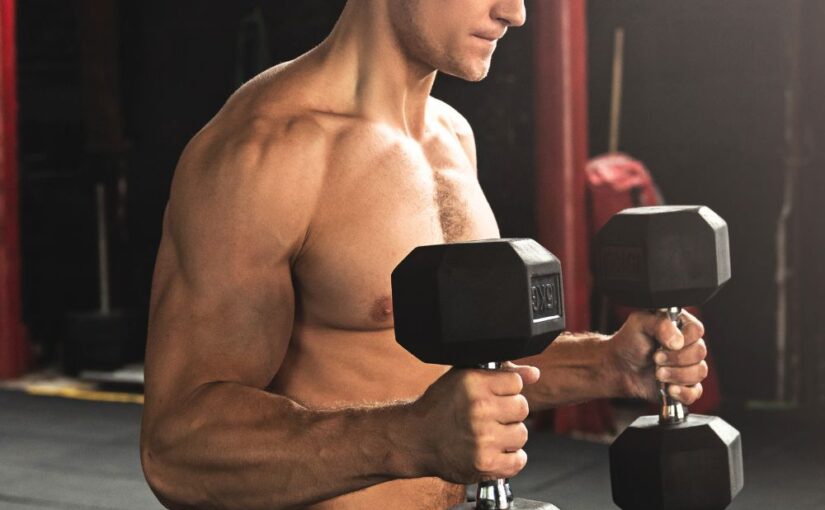
Hammer Curls Benefits | Build Aesthetic Arms

Hammer Curls: Benefits and Why You Should Include Them in Your Workout Routine

Hammer curls are a fantastic exercise for building both forearm and upper arm strength. In this video, we dive into the key benefits of hammer curls and why they should be a staple in your workout routine.

Targets Forearms and Brachioradialis:

Hammer curls primarily activate the brachioradialis, the muscle on the outside of your forearm. This helps improve grip strength, which is essential for performing other exercises and daily tasks that require hand strength.

Builds Stronger Biceps:

While the focus is on the forearms, hammer curls also engage the biceps brachii, the main muscle in your upper arm. This dual engagement helps improve overall arm development, giving you more balanced strength and muscle growth.

Improves Grip Strength:

With consistent hammer curls, you’ll notice significant improvements in your grip strength, which translates into better performance in other lifts like deadlifts, pull-ups, and rows.

Enhanced Functional Strength:

The grip and forearm strength developed from hammer curls translates to real-world activities, such as carrying heavy bags, lifting objects, or holding onto tools.

Reduced Wrist Strain:

The neutral grip used in hammer curls (thumbs facing upward) can be easier on your wrists compared to traditional curls, making them a great alternative for those with wrist discomfort.

Promotes Balanced Arm Musculature:

By working both the forearm and upper arm, hammer curls help create well-rounded arm development, preventing muscle imbalances.

Supports Other Lifts:

A stronger grip and forearms allow for better performance in compound lifts like deadlifts, pull-ups, rows, and more, ultimately leading to better overall strength gains.

TL;DR

Hammer curls are a quick, effective exercise that target both your forearms and biceps, making them essential for building balanced, aesthetic arms. They improve grip strength, reduce wrist strain thanks to the neutral grip, and enhance performance in lifts like deadlifts and pull-ups. Add them to your routine to boost functional strength and promote well-rounded arm development.

Add Hammer Curls to Your Routine!

Whether you’re aiming for stronger arms, a better grip, or enhanced performance in other exercises, hammer curls benefits make them a must-try. Include them in your arm workout or full-body routine to build strength and muscle growth in the forearms and biceps.


Frequently Asked Questions (FAQ)

What Muscles Do Hammer Curls Work?

Hammer curls primarily target the brachioradialis (a forearm muscle), but also engage the biceps brachii and brachialis, promoting full-arm development.

Are Hammer Curls Better Than Regular Bicep Curls?

Not necessarily better—just different. Hammer curls emphasize the forearms and brachialis more, while regular curls target the biceps peak. Each exercise offers its own advantages and can work together to enhance your overall arm training.

Can Hammer Curls Improve Grip Strength?

Yes! One of the biggest hammer curl benefits is improved grip strength, which translates to better performance in lifts like deadlifts, rows, and pull-ups.

Are Hammer Curls Good for Beginners?

Absolutely. Hammer curls are beginner-friendly thanks to the neutral grip, which is easier on the wrists and reduces strain while still building strength.

How Often Should I Do Hammer Curls?

You can include hammer curls in your arm or upper body routine 1–2 times per week. Target 3–4 sets with 8–12 reps, adjusting based on your specific fitness objectives.

Recommended Products for Hammer Curls at Home

Upgrade your arm workout at home with these must-have accessories for hammer curls:

Adjustable Dumbbells
A versatile and space-saving solution, adjustable dumbbells let you easily switch weights for a variety of exercises, including hammer curls.


    Tricep Bars
    Perfect for isolating your triceps, while also allowing you to perform a variety of arm exercises with proper form and control.


    Tricep Rope
    A must-have for tricep pushdowns and other arm exercises, the tricep rope promotes muscle engagement and proper form. While designed for triceps, it can also be used to perform hammer curls for additional forearm and bicep activation.


    Affiliate Disclosure

    The above links are affiliate links, meaning we may earn a small commission if you make a purchase through them, at no extra cost to you.


    Follow us on Pinterest: https://www.pinterest.com/gymreadyequipment/

    Shop Home Gym Equipment: https://www.gymreadyequipment.com/

    Dumbbell Renegade Rows | Build Functional Strength

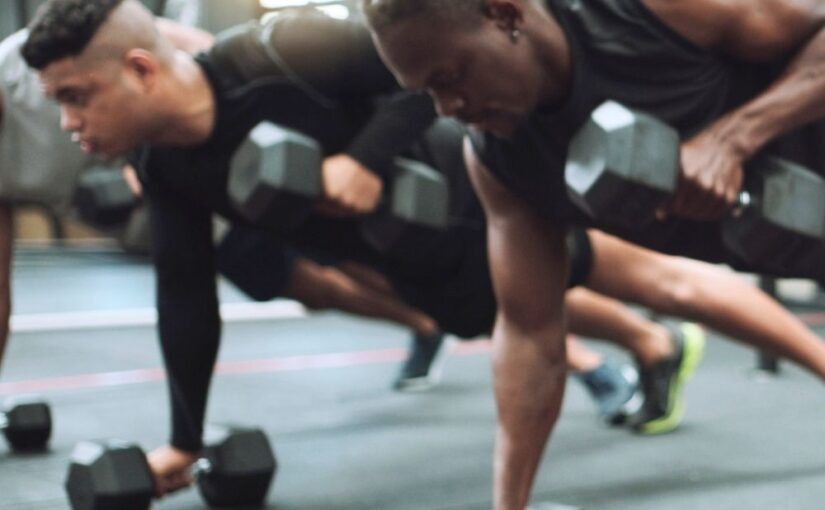
    Dumbbell renegade rows are an effective compound exercise that offers several benefits for strength, stability, and overall fitness.

    Here are the key benefits of incorporating this exercise into your routine:

    1. Improves Core Strength and Stability

    The renegade row requires you to maintain a plank position while rowing the dumbbells. This activates the core muscles—particularly the abdominals, obliques, and lower back—helping to build strength and stability in the core.

    2. Enhances Upper Body Strength

    The movement targets multiple upper body muscles, including the lats, rhomboids, traps, and shoulders. It also works the biceps and triceps as you perform the row. This makes it a great exercise for building upper body strength and muscle tone.

    3. Promotes Balance and Coordination

    Since you need to stabilize your body while lifting one dumbbell at a time, the renegade row challenges your balance and coordination. This improves neuromuscular control and helps you develop better body awareness.

    4. Boosts Full-Body Engagement

    In addition to working the core and upper body, the renegade row also engages the glutes, quadriceps, and hamstrings as you maintain a strong plank position. This makes it a full-body exercise, improving muscle engagement and functional strength.

    5. Improves Postural Control

    The exercise helps strengthen the back, shoulders, and core, which can improve posture. Strengthening these muscles supports a more upright, stable posture and may reduce the risk of poor posture and related discomfort.

    6. Increases Functional Strength

    The renegade row mimics real-life movements that require coordinated upper body strength and core stability. This makes it a functional exercise, improving your ability to perform daily tasks and sports activities with greater efficiency and strength.

    7. Supports Fat Loss and Conditioning

    Because it’s a compound movement that engages multiple muscle groups at once, the renegade row is excellent for boosting calorie burn. It can be part of a high-intensity workout that helps with fat loss and improves cardiovascular conditioning.

    8. Improves Grip Strength

    Holding onto the dumbbells while performing the rows helps strengthen the forearms and grip. This can improve overall grip strength, which is beneficial for lifting heavier weights in other exercises.

    9. Increases Back and Shoulder Mobility

    The rowing motion helps improve the mobility and flexibility of the scapula (shoulder blades) and strengthens the upper back muscles, promoting better range of motion and reducing the risk of shoulder injuries.

    10. Enhances Mental Toughness

    The renegade row can be challenging due to the coordination, strength, and stability required. Regular practice can help improve mental toughness and focus, as it requires you to engage fully and maintain control throughout the movement.

    Conclusion

    Dumbbell renegade rows are a highly effective exercise for improving core stability, upper body strength, balance, and overall functional fitness. It challenges multiple muscle groups at once, making it an efficient and powerful addition to any strength training or full-body workout routine.

    Follow us on Pinterest: https://www.pinterest.com/gymreadyequipment/

    Shop Home Gym Equipment: https://www.gymreadyequipment.com/

    Dumbbell Front Raise Benefits | Front Shoulder Exercise

    Introduction to Dumbbell Front Raises

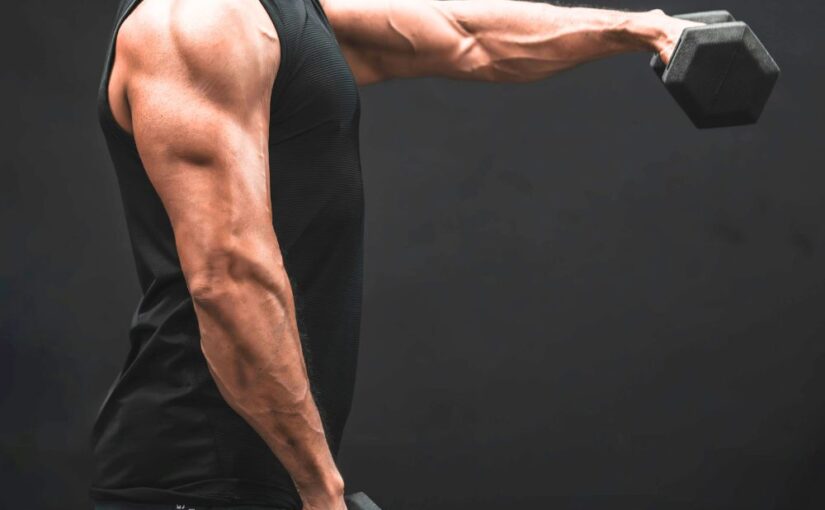
    The dumbbell front raise places emphasis on the anterior deltoid (i.e., front part of the shoulder). In this article, we’ll explore the key benefits of incorporating this exercise into your workout routine.

    Shoulder Strengthening

    Primary Target:
    Dumbbell Front Raises specifically focus on the anterior deltoids, which helps improve shoulder strength. This is key for everyday activities such as carrying, pushing, and lifting.

    Balanced Development:
    Furthermore, strengthening the front of the shoulder contributes to better overall shoulder muscle balance. As a result, it enhances posture and stability.

    Improved Muscle Definition

    Tone and Definition:
    In addition, regular practice of Front Raises sculpts and defines the shoulders, enhancing a muscular upper body.

    Symmetry:
    By targeting the front deltoids, this exercise helps achieve a well-rounded shoulder appearance. When combined with other shoulder exercises, it enhances overall shoulder development.

    Enhanced Athletic Performance

    Arm Elevation:
    Moreover, the movement mimics actions performed in sports, such as lifting your arms overhead in swimming, tennis, and throwing sports. It improves your ability to perform these movements with more control and strength.

    Push Movements:
    Additionally, strong anterior deltoids contribute to better performance in pushing exercises, such as the bench press or overhead press.

    Improved Posture

    Shoulder Alignment:
    Strengthening the deltoids also aids in better shoulder alignment, which can significantly improve posture. This is especially advantageous for those who sit for extended periods of time.

    Preventing Rounded Shoulders:
    By building the muscles in the front of the shoulders, Dumbbell Front Raises help counteract the effects of poor posture caused by long-term slouching.

    Better Joint Stability

    Shoulder Joint Support:
    Furthermore, strengthening the deltoid muscles provides stability to the shoulder joint, reducing the risk of injuries like rotator cuff strains or shoulder impingements.

    Improved Control:
    The exercise also enhances motor control and range of motion in the shoulder, which is essential for performing other upper body exercises safely.

    Variety in Shoulder Workouts

    Complementing Other Shoulder Exercises:
    Front Raises, in fact, complement exercises like lateral raises, overhead presses, and reverse flys. They specifically target the front delts, ensuring a balanced shoulder workout.

    Isolation Exercise:
    It is also an isolation exercise, allowing you to focus on and develop the anterior deltoids for a more defined look.

    Low Impact

    Joint-Friendly:
    Compared to heavy pressing movements, Dumbbell Front Raises are low-impact. As a result, they’re gentler on the shoulder joints, making them a good option for those with mild shoulder discomfort—when performed correctly.

    Controlled Movement:
    Moreover, the exercise involves controlled movements that don’t place excessive stress on the joints, provided you avoid using weights that are too heavy.

    Functional Fitness

    Upper Body Functionality:
    Front raises help improve your ability to lift objects in front of you—like boxes, grocery bags, or heavy loads—a movement that is common in daily life.

    Versatility

    Adaptable to Different Fitness Levels:
    One of the key benefits of Dumbbell Front Raises is that you can easily adjust the weight used to match your strength level. This makes it perfect for both novice and seasoned lifters.

    Can Be Done Anywhere:
    Because all one needs is a pair of dumbbells, this basically makes the Dumbbell Front Raise exercise convenient and easy to perform both at home and in the gym.

    Follow us on Pinterest: https://www.pinterest.com/gymreadyequipment/

    Shop Home Gym Equipment: https://www.gymreadyequipment.com/

    Barbell Shoulder Shrugs | Build Big Traps

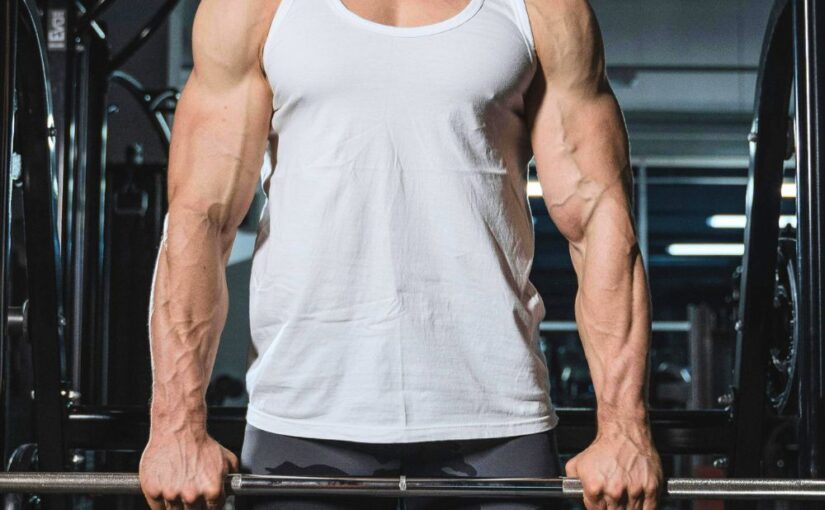
    Barbell shoulder shrugs offer several benefits, particularly for building strength and muscle in the upper body.

    Here are some key advantages of incorporating this exercise into your routine:

    1. Targets the Trapezius Muscles

    Barbell shrugs primarily target the trapezius muscles (traps), particularly the upper portion. This is key for improving posture and building a stronger, more defined neck and upper back.

    2. Improves Posture

    Strengthening the traps can help correct posture by promoting a better alignment of the shoulders and upper back. This is especially helpful for people who spend long hours sitting at desks or working on computers.

    3. Enhances Grip Strength

    Since you need to hold a heavy barbell during the shrug, the exercise helps improve grip strength, which is beneficial for many other exercises and sports.

    4. Increases Upper Body Strength

    Barbell shrugs contribute to overall upper body strength, which can translate into improvements in other lifts such as deadlifts, rows, and overhead presses.

    5. Helps with Injury Prevention

    Strengthening the traps can aid in preventing injuries by enhancing the stability of the shoulder girdle and supporting the neck and spine. It can reduce the risk of strain in these areas.

    6. Builds Muscle Mass

    Consistent training with heavy weights can lead to hypertrophy (muscle growth) in the traps, contributing to a broader and more muscular upper back and shoulders.

    7. Improves Athletic Performance

    Strong traps are vital for activities that involve lifting, sprinting, or other athletic movements. They contribute to overall body stability and power generation, especially in sports requiring explosive movements.

    8. Functional Strength for Lifting

    Shrugs help develop the strength needed to carry heavy loads or perform functional movements that require you to lift or stabilize objects overhead.

    9. Can Be Easily Modified

    The exercise can be adjusted for different fitness levels by varying the weight on the barbell, allowing for progressive overload to continue challenging the muscles.

    10. Engages Other Muscles

    While the focus is on the traps, the movement also engages the deltoids (shoulders), rhomboids, and levator scapulae, providing additional upper-body muscle activation.

    Incorporating barbell shoulder shrugs into your workout routine can significantly enhance upper body strength, aesthetics, and functional performance.

    Barbell Power Cleans | Improve Strength and Power

    The Barbell Power cleans are a highly effective exercise that offer a wide range of benefits, particularly for athletes and those looking to improve their strength, power, and athletic performance.

    Check out the the key benefits of power cleans:

    1. Improves Explosive Power

    Power cleans help develop fast-twitch muscle fibers, which are essential for generating explosive strength. This is particularly beneficial in sports that require quick bursts of energy like sprinting, football, and basketball.

    2. Enhances Full-Body Strength

    This exercise targets multiple muscle groups at once, including the legs (quads, hamstrings), back (erector spinae), shoulders, traps, and arms. It helps build overall strength and muscle coordination.

    3. Increases Speed and Agility

    Since power cleans require quick and controlled movement, they help athletes improve their speed and agility, which is important for improving on-field performance.

    4. Improves Coordination and Balance

    The nature of the power clean requires precise technique and timing, which improves body control and balance. This is valuable for preventing injuries and optimizing performance in sports.

    5. Boosts Grip Strength

    Power cleans demand a strong grip, as you need to hold onto the barbell through the various stages of the lift. Over time, this improves hand and forearm strength, which can translate into better performance in other lifts and activities.

    6. Enhances Posture

    The power clean works the muscles of the back, including the traps and upper back, helping to improve posture and spinal alignment, particularly when performed with proper form.

    7. Improves Cardiovascular Fitness

    Performing power cleans in high-intensity intervals or as part of a circuit training program can help increase heart rate, contributing to cardiovascular conditioning.

    8. Increases Metabolic Rate

    Power cleans are a high-intensity movement that can elevate your metabolism. This helps with fat loss and overall conditioning by keeping the body working harder even after the workout is done.

    9. Develops Mental Toughness

    The power clean is a challenging lift that requires focus, dedication, and discipline. As you master the lift, it can help build mental toughness and confidence.

    10. Transfers to Sports Performance

    Many sports, such as football, rugby, and track and field, require the ability to generate power quickly from a standing or semi-squat position. Power cleans mimic these types of movements, improving performance in these areas.

    11. Boosts Hip Mobility and Flexibility

    The explosive nature of the power clean requires good hip extension, which helps to improve flexibility and mobility in the hip flexors and glutes.

    12. Improves Time Under Tension

    Power cleans help improve your ability to generate power rapidly and maintain control, which enhances your overall time under tension during various lifts and exercises.

    Incorporating power cleans into a training routine can significantly enhance athletic performance and overall strength, making it a valuable exercise for various fitness goals.

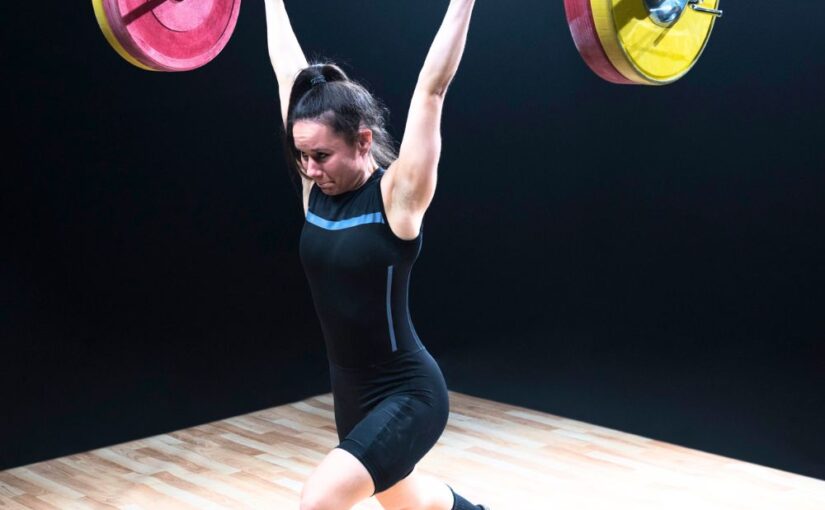
    Barbell Clean and Jerk | Full-Body Strength Development

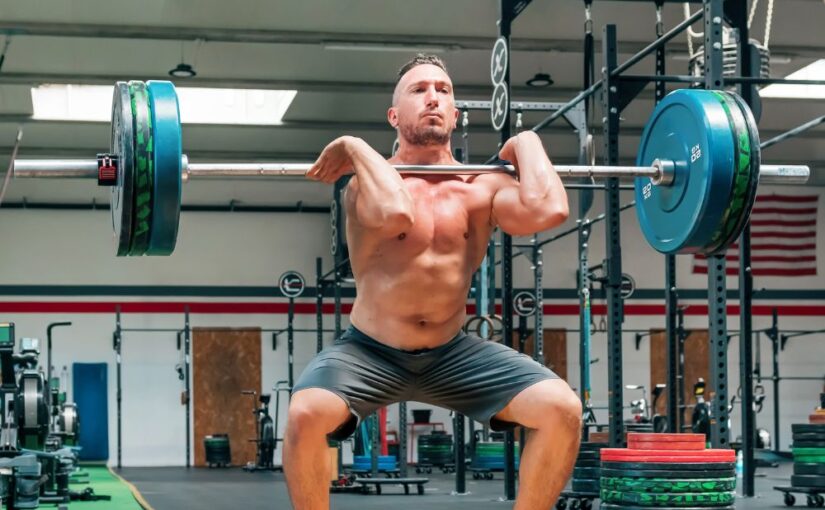
    The barbell clean and jerk is a compound Olympic weightlifting movement that involves two phases: the clean (lifting the barbell from the floor to the shoulders) and the jerk (pressing the barbell overhead).

    This full-body lift offers a range of benefits, including:

    1. Full-Body Strength Development

    The clean and jerk engages multiple muscle groups, including the legs, back, shoulders, arms, and core, making it an excellent exercise for overall strength development. It primarily targets the quads, hamstrings, glutes, traps, and deltoids.

    2. Improved Power and Explosiveness

    The clean and jerk requires a high level of speed and force production, helping to develop explosive power. This is especially beneficial for athletes in sports that require quick, dynamic movements (e.g., sprinting, football, or rugby).

    3. Increased Core Stability

    Both the clean and the jerk challenge core stability as you need to maintain a strong, engaged core to perform the lift correctly. The core helps protect the spine and aids in the transfer of power from the lower body to the upper body.

    4. Enhanced Coordination and Balance

    The movement requires a significant amount of coordination between the legs, hips, and arms. As you practice, you improve your balance, body awareness, and the ability to move fluidly through complex, dynamic motions.

    5. Boosted Athletic Performance

    Because of its emphasis on power, coordination, and explosiveness, the clean and jerk is a fantastic training tool for improving athletic performance, especially for sports that require agility, speed, and strength.

    6. Improved Mobility

    The clean and jerk helps to develop mobility, particularly in the hips, ankles, and shoulders. The movement requires flexibility and range of motion, which improves joint mobility over time.

    7. Enhanced Posture and Functional Strength

    The clean and jerk reinforces proper posture by encouraging a strong, neutral spine throughout the movement. This can help improve posture in everyday activities and reduce the risk of injury.

    8. Increased Hormonal Response

    The clean and jerk is a high-intensity, full-body lift that stimulates the release of anabolic hormones like testosterone and growth hormone, which can aid in muscle growth and fat loss.

    9. Improved Cardiovascular Fitness

    While primarily a strength exercise, the clean and jerk can also elevate your heart rate, providing some cardiovascular conditioning when performed in higher volumes or with shorter rest periods.

    10. Mental Toughness and Focus

    The complexity and intensity of the clean and jerk require mental concentration and discipline. Learning and mastering the technique fosters mental toughness, helping individuals stay focused and resilient under pressure.

    11. Boosts Grip Strength

    The clean and jerk challenges grip strength, especially in the clean phase, where the lifter must maintain a firm hold on the barbell while explosively lifting it.

    12. Improved Speed and Agility

    The dynamic nature of the clean and jerk, especially the clean portion, requires quick, explosive movements. This can improve speed and agility, which translates well to sports performance.

    13. Functional Strength Transfer

    The movement mimics real-life motions, such as lifting heavy objects or pushing things overhead. This functional strength transfer makes it highly practical for improving performance in daily activities.

    Incorporating the clean and jerk into your training routine provides a comprehensive, full-body workout that enhances strength, power, athleticism, and overall fitness.

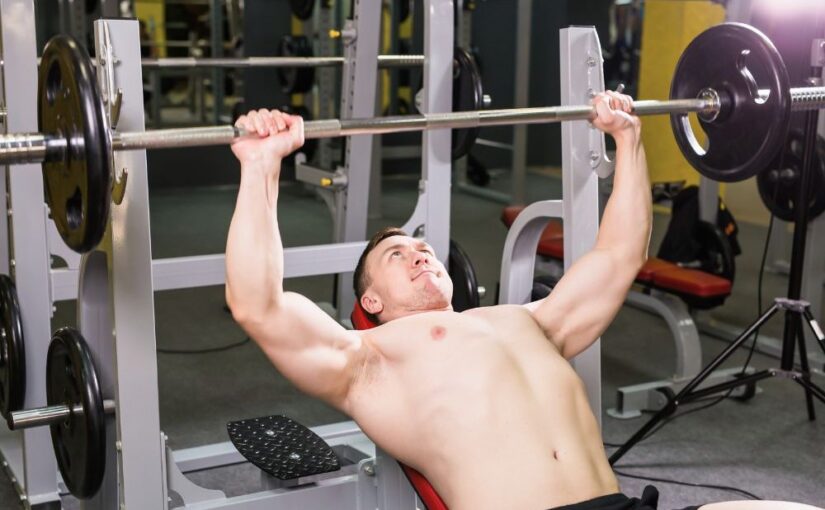
    Incline Barbell Bench Press | Upper Chest Growth

    The incline barbell bench press offers several benefits, particularly for developing upper body strength and muscle growth.

    Here’s a breakdown of the key benefits:

    1. Targets the Upper Chest (Clavicular Head of the Pectorals)

    The incline angle shifts the focus to the upper portion of the chest, helping to build a more balanced and well-rounded chest. It complements the flat bench press by emphasizing areas that may not be fully activated with a flat press alone.

    2. Enhanced Shoulder Development

    The incline press recruits the anterior deltoids (front shoulders) more actively than the flat bench press. This helps improve shoulder strength and hypertrophy.

    3. Improved Upper Body Strength

    Like other compound movements, the incline barbell bench press strengthens multiple muscle groups, including the chest, shoulders, and triceps. Over time, it contributes to overall upper body strength, which carries over to other lifts and movements.

    4. Increased Range of Motion

    The incline position allows for a greater stretch and range of motion in the chest and shoulders, leading to better muscle activation and growth, especially in the upper chest.

    5. Better Posture and Muscle Balance

    Regularly performing the incline press helps to strengthen the upper chest and shoulders, which can improve posture and prevent muscle imbalances between the upper and lower chest.

    6. Reduces Shoulder Strain (For Some Lifters)

    Some lifters find that the incline bench press is less stressful on the shoulders compared to the flat bench press, particularly if they have shoulder mobility issues. The incline position helps keep the shoulder joints in a more neutral position, reducing strain.

    7. Supports Triceps and Shoulder Development

    While the chest is the primary target, the incline press also engages the triceps and shoulders. This leads to increased overall muscle development in the upper body, including the arms and deltoids.

    8. Versatility in Training

    The incline barbell bench press can be performed at various angles (typically between 15–45 degrees), which allows for targeting different parts of the upper chest and shoulders based on the angle you choose. This adds variety and helps break through plateaus.

    9. Improves Performance in Other Lifts

    Strengthening the upper chest and shoulders with the incline barbell bench press can help improve your performance in other lifts, such as the overhead press or flat bench press, as the involved muscles become stronger and more developed.

    10. Aesthetics and Upper Body Proportion

    A well-developed upper chest can create a more aesthetically pleasing and balanced physique, especially when combined with lower chest and shoulder training. It contributes to a fuller, more rounded look for the upper body.

    The incline barbell bench press is an excellent movement to incorporate into a training routine for both strength and hypertrophy, particularly if you’re looking to target the upper chest and improve overall upper body development.


    Frequently Asked Questions (FAQ)

    What Angle is Best for Incline Barbell Bench Press?

    A bench angle between 30 to 45 degrees is typically ideal for targeting the upper chest. Too steep (above 60 degrees) shifts focus more to the shoulders, while too low mimics a flat bench press.

    Is Incline Barbell Bench Press Better Than Flat Bench Press for Chest Growth?

    Not necessarily better—just different. The incline press focuses more on the upper portion of the chest, whereas the flat bench press provides a more balanced activation across the entire chest. Combining both in your routine can lead to more complete chest development.

    Can Beginners Do the Incline Barbell Bench Press?

    Yes, but form is key. Beginners should start with lighter weight, ensure proper shoulder positioning, and avoid excessive arching of the lower back. Consider a spotter or safety bars for added security.

    Does the Incline Bench Press Activate the Shoulders More Than the Chest?

    The anterior deltoids (front shoulders) are heavily involved, especially at steeper angles, but the upper chest remains the primary target if you use the proper angle and technique.

    How Often Should I Include Incline Barbell Bench Press in My Routine?

    Aim to include the incline bench press in your routine 2–3 times per week, depending on your overall training schedule. Pair it with other chest movements (flat, decline, dumbbells) for full development, and allow adequate recovery between sessions.

    Decline Barbell Bench Press | Lower Chest Development

    The barbell decline bench press offers several benefits, making it an effective exercise for developing the chest, shoulders, and triceps. Here are some of the key advantages:

    1. Targets the Lower Chest

    The decline angle of the bench press primarily targets the lower portion of the pectoralis major (the lower chest), which is often less activated in flat or incline bench presses. This helps to create a more well-rounded and balanced chest development.

    2. Improves Overall Chest Strength

    Like other bench press variations, the decline bench press is excellent for building overall chest strength and size, as it allows for lifting heavier weights due to the position’s more favorable mechanics. It works the pectoralis major (chest muscles), as well as the triceps and deltoids (shoulders).

    3. Reduces Shoulder Strain

    Compared to flat bench presses, the decline position reduces strain on the shoulders, making it a safer option for those who may have shoulder discomfort or are recovering from an injury. This makes it a good alternative for individuals with limited shoulder mobility.

    4. Improves Tricep Activation

    The decline angle leads to an increased emphasis on the triceps during the press, helping to improve tricep strength and development. This can help with other lifts, like the overhead press or the flat bench press, as triceps play a significant role in pressing movements.

    5. Increased Range of Motion (ROM)

    The decline bench press allows for a greater range of motion compared to the flat bench press, especially in the lowering phase of the lift. This extended ROM can lead to more muscle activation and improved muscle growth.

    6. Less Stress on the Lower Back

    For individuals with lower back issues, the decline position provides a more stable base and reduces the arching of the lower back that can occur in a flat bench press. This can be a safer alternative for maintaining a strong press without discomfort in the lower back.

    7. Increased Strength in Pressing Movements

    By training the decline bench press, you can improve your overall pressing strength, which can transfer to other exercises like the flat barbell bench press or overhead press. It helps to improve pressing technique and power by targeting muscle groups used in various pushing movements.

    8. Variety in Training

    Incorporating different angles in your chest training (flat, incline, and decline) provides variety, which can prevent plateaus and promote continued muscle growth by stimulating the chest muscles in different ways. It ensures a more complete and balanced development of the upper, middle, and lower chest.

    9. Functional Strength

    The decline bench press can have some transfer to functional strength for pushing movements in sports and activities that require strength in a downward or lower-angle pressing motion (e.g., tackling in football).

    10. Helps Build Core Strength

    The decline position engages your core muscles (abdominals and obliques) as stabilizers during the lift, helping to strengthen the core over time.

    By including the barbell decline bench press in your workout routine, you can effectively enhance both chest and tricep development while reducing strain on the shoulders and lower back.

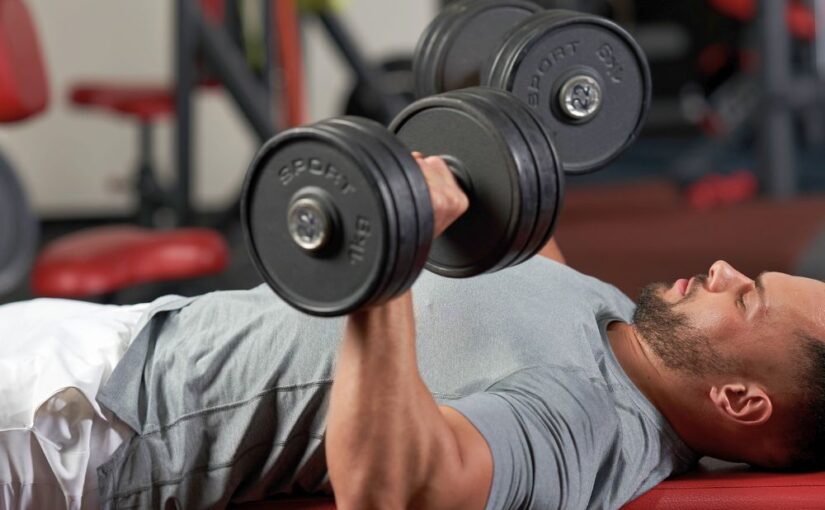
    Dumbbell Bench Press Benefits | Strength & Muscle Growth

    Dumbbell Bench Press Benefits go beyond just building chest size. This variation offers several key advantages over the traditional barbell bench press, making it a smart choice depending on your training goals and experience level. Whether you’re focused on improving strength balance, joint health, or functional fitness, this variation brings unique value to the table.

    Here’s a comparison highlighting the benefits of the dumbbell version:


    1. Greater Range of Motion

    Dumbbell Bench Press: Dumbbells allow for a deeper stretch at the bottom of the lift since they aren’t limited by the bar. This greater range of motion can lead to more muscle activation, particularly in the chest.


    2. Balanced Muscle Development

    Dumbbell Bench Press: Each arm works independently, meaning both sides of your chest, shoulders, and triceps must lift an equal amount of weight. This helps prevent imbalances where one side becomes stronger than the other.


    3. Improved Shoulder Health and Stability

    The independent movement of each dumbbell allows your shoulders to rotate freely, which can help reduce strain on the shoulder joints and minimize the risk of injury. This is one of the most underrated dumbbell bench press benefits for long-term joint health.


    4. Engagement of Stabilizer Muscles

    Dumbbells require more stabilization, meaning your core, forearms, and other stabilizing muscles need to work harder to maintain balance and control. A major advantage of the dumbbell bench press is its ability to engage muscle groups that are often overlooked


    5. Reduced Risk of Injury

    If you lose control of the weight, you can safely drop the dumbbells to the side (as long as your form is correct). This is particularly useful for preventing injuries if you are training alone.


    6. Flexibility in Grip and Position

    With dumbbells, you can adjust your grip and hand position to suit your comfort, such as using a neutral (palms facing each other) grip, which can be easier on the wrists and shoulders.


    7. Versatility for Different Muscle Targets

    You can perform the exercise at various angles (incline, decline, or flat), which helps target different parts of your chest, shoulders, and triceps. This makes the list of dumbbell bench press benefits even longer.


    8. Better for Functional Strength

    The independent movement of each dumbbell mimics real-life movements more closely, helping improve coordination and functional strength, which is useful for daily activities and sports.


    9. Ideal for Rehab and Recovery

    If you’re recovering from an injury, the dumbbell press is a great choice because it allows for a more controlled movement, and you can adjust each arm’s range of motion individually.


    Final Thoughts on Dumbbell Bench Press Benefits

    In summary, the dumbbell bench press benefits include more versatility, better balance in muscle development, and less strain on the joints. These advantages make it an excellent option for improving functional strength, preventing injuries, and supporting long-term progress. That said, the barbell bench press still shines for pure strength and maximum load. The best choice comes down to your specific goals and training context.


    Frequently Asked Questions (FAQ)

    What Muscles Does the Dumbbell Bench Press Work?

    The dumbbell bench press primarily targets the pectoralis major (chest), but it also works the triceps, anterior deltoids (front shoulders), and stabilizer muscles like the core and forearms. The increased range of motion allows for more effective muscle activation compared to the barbell bench press.

    Is the Dumbbell Bench Press Better Than the Barbell Bench Press?

    It depends on your goals. The dumbbell bench press benefits include greater range of motion, improved muscle balance, and reduced joint strain—making it ideal for functional strength and injury prevention. The barbell bench press, however, allows for lifting heavier weights and building maximum strength.

    Is the Dumbbell Bench Press Suitable for Beginners?

    Yes, the dumbbell bench press is great for beginners. It encourages proper form, helps develop stabilizing muscles, and reduces the risk of muscle imbalances early on. Start with light weights to learn the movement safely.

    How Often Should I Do Dumbbell Bench Presses?

    You can include the dumbbell bench press 1–2 times per week as part of your upper body or chest-focused workouts. Be sure to give your body enough time to recover between workouts to prevent overtraining.

    Should I Use Dumbbells if I Have Shoulder Pain?

    In many cases, yes. One of the key dumbbell bench press benefits is the ability to adjust your grip and range of motion, which can reduce shoulder strain. Using a neutral grip (palms facing each other) can be more shoulder-friendly, but always consult with a healthcare professional if you’re in pain.

    Recommended Gear for a Better Dumbbell Bench Press (Affiliate Links)

    These products can help you get the most out of your dumbbell bench press routine—whether you’re working out at home or in a gym. We’ve picked practical accessories that support better performance, comfort, and safety.

    1. Adjustable Dumbbells

    A quality pair of adjustable dumbbells allows you to change weight quickly without needing multiple sets. Perfect for home workouts and progressive overload.

    Check price on Amazon


    2. Adjustable Weight Bench

    For incline, decline, and flat presses, a sturdy adjustable bench gives you versatility to target different areas of your chest and shoulders.

    View weight benches


    3. Lifting Straps or Grips

    These help if your grip starts to fatigue before your chest or arms. They’re especially useful during heavier dumbbell presses.

    Browse lifting grips


    4. Foam Flooring or Mats

    Training on a stable, padded surface can protect your floor, reduce noise, and give you a safer setup—especially when dropping dumbbells.

    See gym mat options


    5. Resistance Bands

    Ideal for prepping the shoulders and engaging stabilizer muscles ahead of a dumbbell bench press. They’re also helpful for rehab exercises or adding resistance to bodyweight moves.

    Shop resistance bands


    Affiliate Disclosure: As an Amazon Associate, we earn from qualifying purchases. This comes at no extra cost to you, and helps support content like this.