
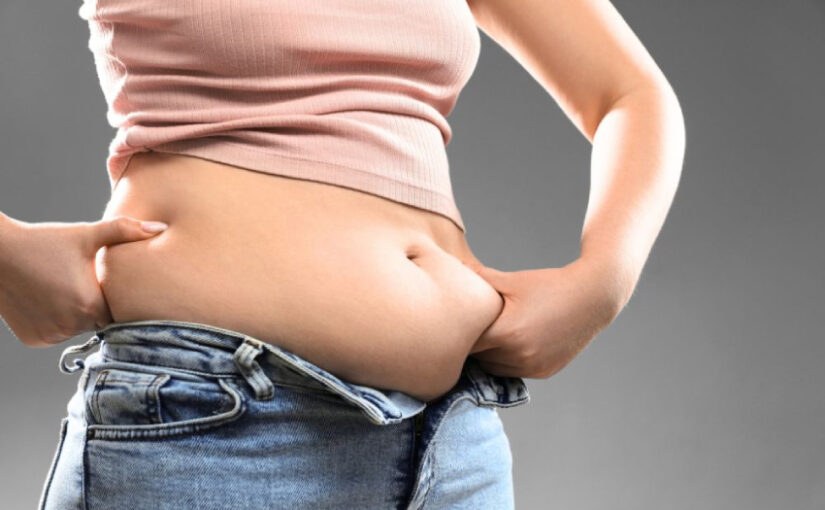
If you’ve ever looked in the mirror and noticed a soft belly despite having skinny arms or legs, you might be what’s commonly known as skinny fat. This body type can be frustrating — you don’t quite fit into the “overweight” category, yet you’re not lean or muscular either. The good news? With the right balance of training, nutrition, and consistency, you can shred fat, build muscle, and finally achieve the fit, toned body you’ve been aiming for.
What Does “Skinny Fat” Mean?
The term skinny fat describes someone who appears slim in clothes but has a higher body fat percentage and lower muscle mass. This usually happens when you focus only on cardio, under-eat, or neglect strength training. Common traits include:
- Soft midsection or love handles
- Little visible muscle definition
- Low energy levels despite being light in weight
The key to transforming a skinny fat physique lies in recomposition — simultaneously building muscle while losing fat.
Step 1: Focus on Strength Training
If you’re skinny fat, your primary goal should be to lift heavy and progressively overload your muscles. Skip excessive cardio for now and focus on compound exercises like:
- Squats
- Deadlifts
- Bench press
- Pull-ups
- Rows
These movements recruit multiple muscle groups, helping you increase strength and muscle density while improving your body composition.
Tip: Aim for 3–5 strength sessions per week, progressively increasing the weight or reps each week to stimulate growth.
Step 2: Dial In Your Nutrition
A skinny fat transformation depends heavily on how you fuel your body. You’ll need to strike a balance between eating enough to build muscle but not so much that you gain more fat.
- Eat a slight calorie surplus (5–10%) if you’re new to lifting.
- Prioritize protein: 1g per pound of body weight daily.
- Include healthy fats and complex carbs for both energy and recovery.
Avoid extreme calorie cuts — they can cause muscle loss and worsen the skinny fat look.
Step 3: Incorporate Cardio Strategically
Cardio isn’t the enemy, but if you’re skinny yet out of shape, it should be used strategically. A few short HIIT (High-Intensity Interval Training) sessions or brisk walks can help improve cardiovascular health and aid fat loss — without sabotaging your muscle gains.
Step 4: Rest, Recovery & Consistency
Your transformation won’t happen overnight. Being skinny fat often means you’ve been undertraining or undereating for a while, so consistency is key. Ensure you get:
- 7–9 hours of sleep per night
- 1–2 rest days each week
- Proper hydration and stress management
Muscle grows when you rest, not while you train.
Quick Guide: Shred Fat & Build Muscle for a Leaner, Stronger Physique
| Focus Area | What to Do | Why It Matters |
|---|---|---|
| Training | Prioritize strength training 3–5x per week with compound lifts (squats, bench, rows, deadlifts). | Builds lean muscle mass and improves overall body composition. |
| Nutrition | Eat in a slight calorie surplus if you’re new to lifting; include high-protein, balanced meals. | Fuels muscle growth and prevents muscle loss. |
| Cardio | Add 2–3 short HIIT or brisk walking sessions weekly. | Enhances fat loss without hurting muscle gains. |
| Recovery | Sleep 7–9 hours per night and take 1–2 rest days weekly. | Supports muscle repair and hormonal balance. |
| Consistency | Track progress and stick to your plan for at least 8–12 weeks. | Visible results come from consistency, not quick fixes. |
Final Thoughts
Overcoming the skinny fat stage is 100% possible — it just requires patience, smart training, and consistent nutrition. Focus on building muscle through strength training, eat enough high-quality food, and stay consistent for several months. Before long, you’ll notice your body becoming leaner, stronger, and more defined.
Remember: the skinny fat look is just a phase — with the right strategy, you can shred fat, grow muscle, and build the fit, athletic body you deserve.
Frequently Asked Questions (FAQ)
By combining strength training with a slight calorie deficit and high protein intake, you can trigger body recomposition — losing fat while increasing lean muscle mass.
Weightlifting should be your main priority to build muscle and improve body shape. You can include light cardio or HIIT sessions for heart health and extra calorie burn.
A good rule of thumb is to consume daily about 1 gram of protein for every pound of body weight. This supports muscle recovery and growth while keeping you full.
Most people start noticing changes in 6–8 weeks with consistent training, proper nutrition, and adequate recovery. Sustainable transformations usually take 3–6 months.
Common pitfalls include undereating, skipping resistance training, doing too much cardio, and not getting enough rest. Consistency and balance are the real keys to success.