
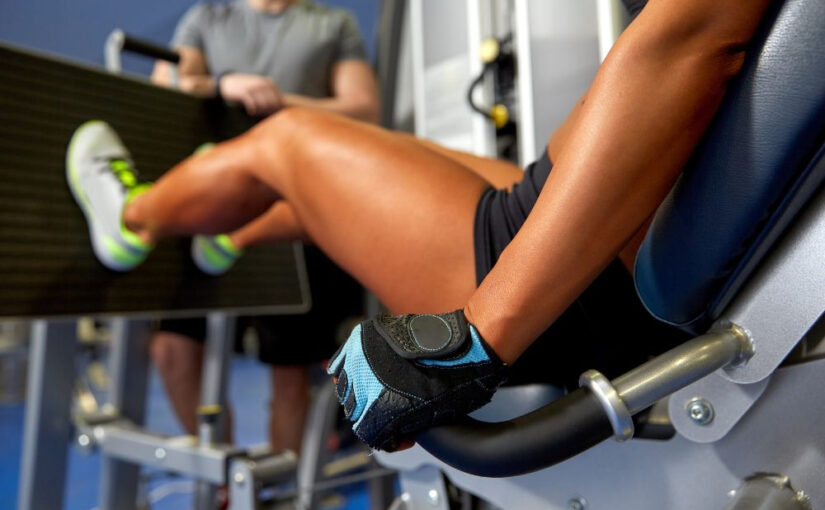
If you’re looking to build strong, powerful legs without putting excessive strain on your back, the horizontal leg press machine is a piece of gym equipment that shouldn’t be overlooked. Commonly found in commercial gyms and home fitness setups, this machine provides a controlled and effective way to target your lower body muscles. Whether you’re a beginner or an experienced lifter, understanding how to use the horizontal leg press machine properly can significantly improve your leg training routine.
What is a Horizontal Leg Press Machine?
The horizontal leg press machine is a strength training device designed to simulate the motion of a squat while seated. Unlike its angled or vertical counterparts, this machine keeps your body in a horizontal or slightly reclined position while you push weight away using your legs.
The key components include:
- A padded seat provides a comfortable seating option for the user..
- A platform (footplate) against which you push.
- A weight stack or plate-loading system for resistance.
With full support for your back during the movement, the horizontal leg press is ideal for individuals recovering from injuries or those with lower back issues.
Benefits of Using a Horizontal Leg Press Machine
Incorporating the horizontal leg press machine into your workouts offers several benefits:
- Leg Muscle Development: Targets the quadriceps, hamstrings, glutes, and calves.
- Lower Back Support: Reduces spinal compression compared to squats.
- Controlled Movement: Ideal for beginners learning proper leg extension technique.
- Progressive Overload: Easily adjustable weight settings help users increase resistance over time.
This makes the machine mainly suitable for strength-building programs, muscle hypertrophy, and rehabilitation.
How to Use a Horizontal Leg Press Machine (Step-by-Step)
Using the horizontal leg press machine correctly is crucial for safety and effectiveness. Here’s how to do it:
- Adjust the seat: Ensure the backrest is set so that your knees are bent at approximately 90 degrees when your feet are on the platform.
- Set the weight: Choose a weight that’s challenging but allows for full range of motion without compromising form.
- Place your feet: Position your feet shoulder-width apart on the footplate. Your heels should remain flat throughout the movement.
- Push the platform: Slowly extend your legs to push the platform away. Avoid locking your knees at the top.
- Return with control: Bend your knees and lower the platform back toward you without letting the weights slam down.
Pro Tips:
- Keep your lower back pressed against the pad.
- Avoid using your hands to push on your knees or thighs.
- Breathe out as you push the weight, and inhale as you return.
Common Mistakes to Avoid
When using the horizontal leg press machine, be mindful of these common mistakes:
- Locking out the knees at the top of the movement.
- Using too much weight may lead to poor technique or injury.
- Improper foot placement, which can stress your knees or reduce muscle engagement.
- Partial reps that limit muscle activation and development.
Proper form ensures you get the full benefit of the exercise while minimizing the risk of injury.
Quick Comparison: Key Features of the Horizontal Leg Press Machine
| Feature | Details |
|---|---|
| Primary Muscles Targeted | Quadriceps, Hamstrings, Glutes, Calves |
| Body Position | Seated or slightly reclined |
| Movement Type | Horizontal push using legs |
| Resistance Type | Weight stack or plate-loaded |
| Ideal For | Beginners, rehab, lower back support, muscle building |
| Common Mistakes | Locking knees, using too much weight, incorrect foot placement |
| Safety Level | High (when used with proper form) |
| Adjustment Options | Seat position, foot placement, weight load |
Conclusion
The horizontal leg press machine is a versatile and beginner-friendly tool for building strong legs while protecting your spine. It’s a great alternative or supplement to free-weight squats, especially for those who prefer controlled movements or are recovering from an injury. By learning how to use it effectively and avoiding common mistakes, you can enhance your leg day results and build strength with confidence. So next time you’re at the gym, don’t skip the horizontal leg press machine — it just might become your favorite piece of leg equipment.
Frequently Asked Questions (FAQ)
It depends on your fitness goals and physical condition. This machine offers a more controlled and supported movement, making it ideal for beginners or individuals with back or joint concerns. In contrast, squats activate additional stabilizing muscles and offer advantages in functional strength. Ideally, both can be included in a well-rounded leg workout program.
If you are new to this, start with a weight that lets you perform 12 to 15 reps while maintaining correct form and without feeling strained. It’s more important to master the technique before progressing to heavier weights. Starting light and gradually increasing resistance will help you build strength safely.
Yes, this machine can be a good option for those with knee issues because it allows for controlled motion and adjustable positioning. However, it’s essential to position your feet correctly and avoid overloading the weight. It’s important to consult a healthcare provider or physical therapist before starting any new leg exercise, especially if you have pre-existing conditions.
Incorporating it two to three times per week works well for most people, depending on overall training volume and recovery needs. Make sure to leave at least 48 hours between leg sessions to allow your muscles adequate time to recover and grow stronger.
Foot placement on the platform influences which muscles are emphasized during the exercise. Elevating your feet on the platform more effectively activates the glutes and hamstrings, whereas lowering them emphasizes the quadriceps. A wider stance can help activate the inner thighs. Adjust based on which muscles you want to target during your workout.