
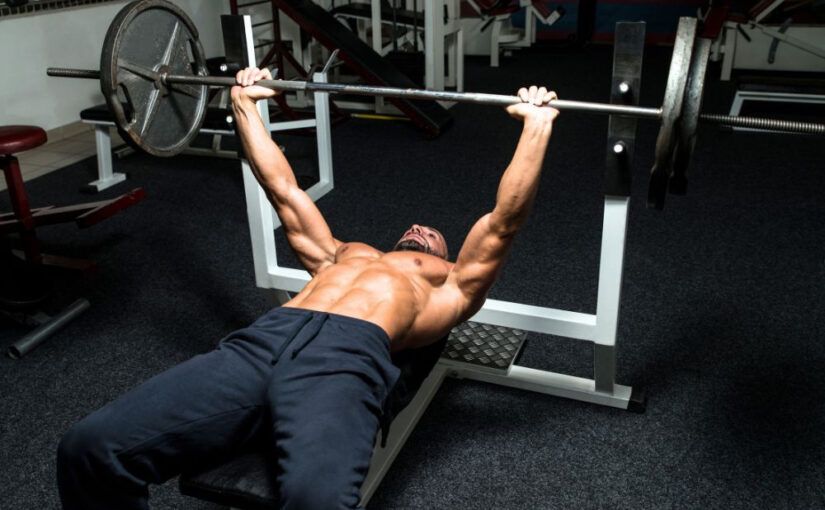
What is the Flat Bench Press?
The flat bench press is a fundamental strength training move and one of the most widely used gym apparatuses across the globe. It consists of lying flat on a bench and pushing a weighted barbell upward, focusing on the upper body muscles. The flat bench press is a key component in both home workouts and commercial gyms, appreciated for its efficiency in enhancing upper body strength.
What It’s Used For
The flat bench press mainly targets pressing strength and muscle growth in the chest, shoulders, and arms. It’s a fundamental movement for powerlifting and bodybuilding, used to increase overall upper body power and muscle size.
History and Variations
The bench press emerged as a standard lift in strength training during the early 20th century. Over time, variations like the incline bench press and decline bench press were introduced to target muscles from different angles. The flat bench press remains the foundation for most pressing workouts.
Muscles Worked
Primary Muscles
- Pectoralis major (chest)
- Triceps brachii (back of upper arm)
Secondary Muscles
- Anterior deltoids (front shoulder)
- Core muscles (for stabilization)
Benefits
- Strength Gains: Builds raw pressing strength, crucial for overall upper body power.
- Functional Fitness: Improves pushing ability for daily activities and sports.
- Aesthetic Improvements: Enhances chest size and definition, contributing to a balanced physique.
- Mental Health: Strength training like the bench press can boost confidence and reduce stress.
Who Should Use It?
- Beginners: With proper guidance and moderate weight, beginners can safely build foundational upper body strength.
- Intermediate and Advanced Lifters: Essential for progressing in strength and muscle growth.
- Athletes: Useful for developing upper body power applicable in many sports.
- Older Adults: Can be beneficial if cleared by a healthcare provider and performed with appropriate weight and form.
Who Might Want to Skip It?
- Injury Risks: Those with shoulder, wrist, or elbow injuries should be cautious.
- Pre-existing Conditions: People with shoulder impingement or rotator cuff issues might experience pain.
- Alternatives: Dumbbell bench press or push-ups can be safer substitutes for those with joint concerns.
Common Mistakes
- Poor Form: Flaring elbows, too wide or arching the back excessively, can increase the risk of injury.
- Not Using Full Range of Motion (ROM): Partial reps limit muscle activation and gains.
- Not Progressing Weight Wisely: Adding weight too quickly can lead to injury.
How to Get Stronger on the Flat Bench Press
- Progressive Overload Tips: Gradually increase weight or reps to challenge muscles.
- Accessory Movements: Include triceps dips, chest flyes, and shoulder presses to support pressing strength.
- Program Suggestions: Incorporate bench press 1-3 times per week with varied rep ranges (e.g., 4-6 reps for strength, 8-12 for hypertrophy).
Alternatives
- Machines: Chest press machine for controlled motion and reduced risk of injury.
- Bodyweight Versions: Push-ups and variations for similar muscle engagement without equipment.
Table: Flat Bench Press Key Information
| Aspect | Details |
|---|---|
| Primary Muscles Worked | Chest (Pectoralis Major), Triceps |
| Secondary Muscles | Shoulders (Anterior Deltoids), Core |
| Benefits | Strength, Functional Fitness, Aesthetics |
| Who Should Use It | Beginners, Athletes, Older Adults (with care) |
| Common Mistakes | Poor form, Limited ROM, Rushing progression |
| Alternatives | Dumbbell bench, Push-ups, Chest press machine |
Conclusion
The flat bench press is a foundational exercise that effectively builds upper body strength and muscle. Whether you’re new to fitness or an experienced lifter, understanding how to perform the flat bench press safely and progressively can help you achieve your fitness goals. Use this guide to maximize the benefits of your workouts and avoid common pitfalls associated with the flat bench press.
Frequently Asked Questions (FAQ)
This movement primarily targets the chest muscles, especially the pectoralis major. It also activates the triceps and the front deltoids as supporting muscles.
Each variant targets distinct regions. The flat version concentrates on the middle of the chest, whereas the incline targets the upper chest. Both can be beneficial based on your objectives.
It varies by experience, body weight, and training goals. Many intermediate lifters aim to press their body weight for one rep, but form and safety come first.
Yes, but take precautions. Use a power rack with safety bars or switch to dumbbells. Avoid going to failure when training alone.
Push-ups, machine presses, or using dumbbells can offer similar benefits with less strain on the shoulders and wrists.