
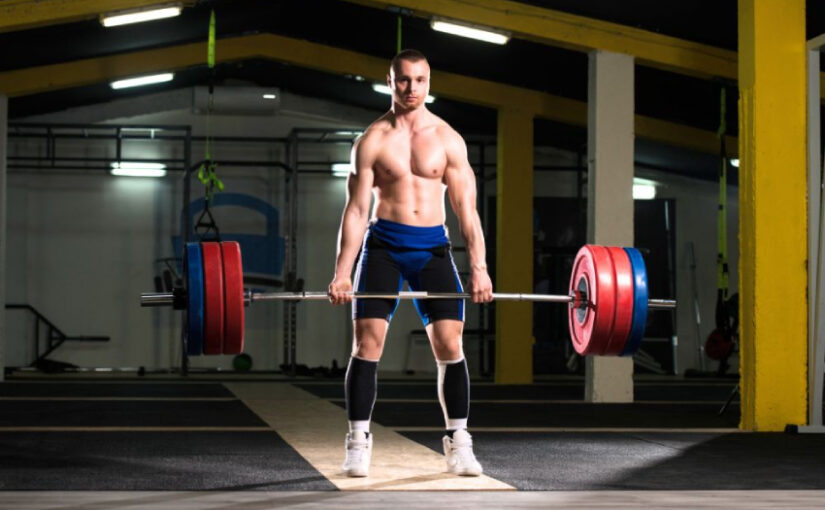
Understanding what are fast twitch muscle fibers can help athletes, fitness enthusiasts, and beginners make smarter training decisions. These specialized muscle fibers are responsible for explosive movements, rapid speed, and high power output—qualities essential for peak athletic performance. Whether you’re aiming to sprint faster, lift heavier, or jump higher, knowing how fast twitch fibers work can significantly improve your training results.
What Are Fast Twitch Muscle Fibers?
Fast twitch muscle fibers—also called Type II fibers—are muscle cells designed for quick, forceful contractions. Unlike slow twitch fibers that support endurance, fast twitch fibers rely on anaerobic energy pathways, allowing them to fire rapidly but tire sooner. When people ask what are fast twitch muscle fibers, the simplest answer is that they are the fibers responsible for power, speed, and high-intensity movements.
There are two main subtypes:
Type IIa — Fast Oxidative Fibers
- Combine speed with moderate endurance
- Commonly activated during activities such as middle-distance running, fast-paced cycling, and repeated powerful movements
Type IIb/IIx — Fast Glycolytic Fibers
- The fastest and most powerful muscle fibers
- Recruited during intense, short-duration bursts like sprinting, heavy lifting, and vertical jumping
Why Fast Twitch Muscle Fibers Matter
Fast twitch muscle fibers are essential for achieving peak performance in activities requiring explosive power. Understanding what are fast twitch muscle fibers helps you tailor your workouts more effectively and leverage your natural strengths.
Explosive Power
These fibers are responsible for powerful, short-duration efforts used in sports like basketball, football, track sprints, and weightlifting.
Increased Speed
Fast twitch fibers contract rapidly, enabling faster acceleration and higher maximum running speeds.
Greater Strength Potential
Individuals with a higher percentage of fast twitch fibers typically excel in power-based sports and heavy lifting.
Muscle Growth and Definition
Fast twitch fibers have a high potential for hypertrophy, meaning well-designed training can lead to notable muscle growth.
How to Train Fast-Contracting Fibers
To maximize fast twitch fiber development, training should focus on explosiveness, intensity, and short-duration power output.
Sprint Training
Short, maximal-effort sprints are one of the best ways to activate Type II fibers and improve power.
Olympic and Power Lifting
Movements such as cleans, snatches, and deadlifts develop strength and speed through fast twitch fiber recruitment.
Plyometrics
Exercises like box jumps, jump squats, and bounding directly target explosive movement patterns.
Interval and HIIT Training
High-intensity intervals stimulate the anaerobic pathways fast twitch fibers rely on.
Heavy Resistance Training
Lifting heavy loads—typically 75–90% of your one-rep max—recruits fast twitch fibers for strength and growth.
Who Benefits Most from Type II Muscle Fiber Training?
While everyone can benefit from training these fibers, certain athletes rely heavily on fast twitch capabilities:
- Sprinters
- Powerlifters
- Football players
- Basketball players
- Martial artists
- High jumpers
- CrossFit athletes
Understanding what are fast twitch muscle fibers helps these individuals tailor their training for optimal performance in their respective sports.
Comparison Table: Fast Twitch vs Slow Twitch
| Feature | Fast Twitch Muscle Fibers | Slow Twitch Muscle Fibers |
|---|---|---|
| Primary Function | Power, speed, explosive movement | Endurance, sustained activity |
| Energy System Used | Anaerobic | Aerobic |
| Contraction Speed | Very fast | Slow |
| Fatigue Rate | High (fatigue quickly) | Low (fatigue slowly) |
| Best For | Sprinting, powerlifting, jumping, HIIT | Long-distance running, cycling, swimming |
| Hypertrophy Potential | High | Moderate |
| Color | Pale/white | Red |
| Oxygen Supply | Lower | Higher (more mitochondria & capillaries) |
Conclusion
Knowing what are fast twitch muscle fibers provides a clear advantage when designing your fitness or athletic training programs. These fibers are key for speed, power, and explosive strength—attributes that enhance both sports performance and everyday physical capability. By incorporating sprints, heavy lifting, plyometrics, and HIIT into your routine, you can develop stronger, more responsive fast twitch fibers. If your goals include moving faster, jumping higher, or building more powerful muscle, focusing on fast twitch muscle fiber training is essential.
Frequently Asked Questions (FAQ)
Fast twitch fibers are designed for quick, powerful movements and fatigue more quickly, while slow twitch fibers support endurance-based activities and can sustain contractions for longer periods.
You cannot increase the total number, but you can enhance the size, efficiency, and performance of the fast twitch fibers you already have through targeted training like sprints, plyometrics, and heavy lifting.
Short, maximum-intensity movements such as sprinting, box jumps, Olympic lifts, and heavy compound lifts are highly effective for activating explosive muscle fibers.
Yes. Genetics significantly influence the proportion of each muscle fiber type that you are naturally predisposed to have. However, training can shift the characteristics of fibers and improve power or endurance regardless of genetics.
Clues include your natural athletic strengths—if you excel at sprinting or power-based activities, you may have more fast twitch fibers. More precise assessments can be done through performance testing or, in rare cases, a muscle biopsy.