
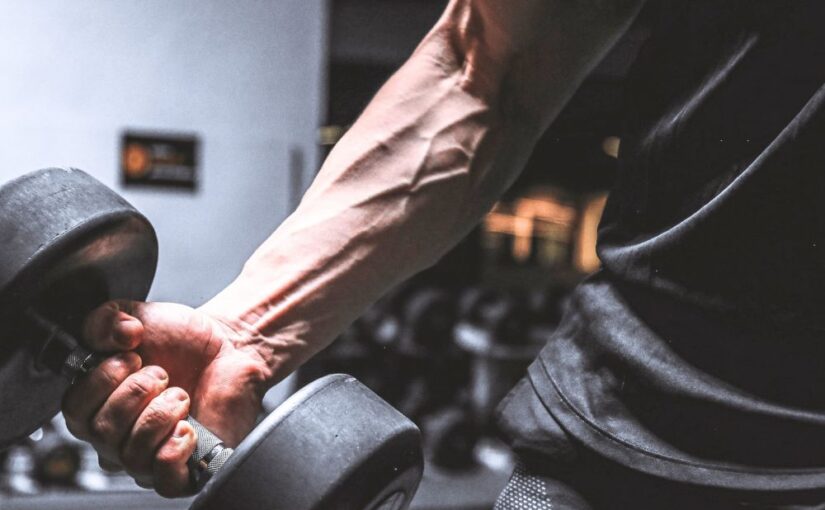
When it comes to building muscle, many people wonder, Does lifting heavier weights build muscle faster? It’s a common question in fitness circles, and the answer isn’t as straightforward as simply “yes” or “no.” In this article, we’ll break down the science and practical insights behind lifting heavier weights and how it affects muscle growth.
What Happens When You Lift Weights?
Muscle growth, also known as hypertrophy, happens when your muscle fibers undergo small amounts of damage or stress during exercise. Your body repairs these fibers, making them bigger and stronger over time. The key question is: Does lifting heavier weights build muscle faster by creating more stress on your muscles?
The Role of Weight Intensity in Muscle Growth
Lifting heavier weights generally means you’re challenging your muscles more. This increases muscle tension, which is a crucial factor in stimulating growth. However, the speed at which you build muscle depends on several factors beyond just the amount of weight you lift:
- Volume and reps: Doing more sets and reps can also promote growth, even with lighter weights.
- Progressive overload: Gradually increasing the weights or reps over time is essential.
- Nutrition and rest: Your muscles need fuel and recovery to grow.
So, while heavier weights can build muscle faster by increasing tension and overload, they aren’t the only piece of the puzzle.
Lifting Heavier Weights: Benefits and Considerations
Benefits:
- Increased muscle tension: Heavier weights create more force, encouraging muscle adaptation.
- Improved strength: You get stronger, which can enhance other types of training.
- Efficient workouts: Heavier lifting often requires fewer reps, saving time.
Considerations:
- Injury risk: Lifting heavy without proper form can cause injuries.
- Recovery time: Heavier weights may require longer rest periods.
- Not always necessary: Beginners and those focused on endurance might benefit from lighter weights.
Practical Tips for Using Heavy Weights Safely
If you’re asking, “Does lifting heavier weights build muscle faster,” here are some tips to do it effectively:
- Focus on form first: Perfect your technique before adding more weight.
- Warm-up properly: Prepare your muscles to handle heavier loads.
- Progress gradually: Increase weights gradually in small increments to prevent injury.
- Listen to your body: Rest when needed to avoid overtraining.
Key Factors: Does Lifting Heavier Weights Build Muscle Faster?
| Factor | Impact on Muscle Growth | Notes |
|---|---|---|
| Weight Intensity | Higher weights increase muscle tension and growth stimulus | Crucial but must be balanced with form and recovery |
| Training Volume | More reps and sets can also promote hypertrophy | Lighter weights with higher volume can be effective |
| Progressive Overload | Essential for continued muscle growth | Gradually increasing weight or reps over time |
| Nutrition | Provides fuel and building blocks for muscle | Protein intake and calories matter |
| Rest & Recovery | Muscles grow during rest periods | Adequate sleep and recovery reduce injury risk |
| Form & Technique | Prevents injury and maximizes effectiveness | Especially important with heavier weights |
Conclusion
So, does lifting heavier weights build muscle faster? The short answer is yes, but with important caveats. Heavier weights can accelerate muscle growth by increasing muscle tension and promoting strength gains. However, optimal muscle building also depends on your training volume, nutrition, recovery, and overall program design. By lifting heavy responsibly and progressively, you can maximize your muscle growth safely and effectively.
Frequently Asked Questions (FAQ)
Heavier weights increase muscle tension, which can stimulate muscle fibers to grow stronger and larger over time.
Lighter weights with higher repetitions and proper volume can promote muscle growth, particularly for beginners or those focusing on endurance.
Progressive overload means gradually increasing workout difficulty, like lifting heavier weights or doing more repetitions, to continually challenge your muscles and encourage growth.
Rest is crucial because muscles repair and grow during recovery periods. Without adequate rest, progress can stall and injury risk may increase.
Beginners should focus on mastering proper form and gradually increase weight to avoid injury and ensure long-term progress.