
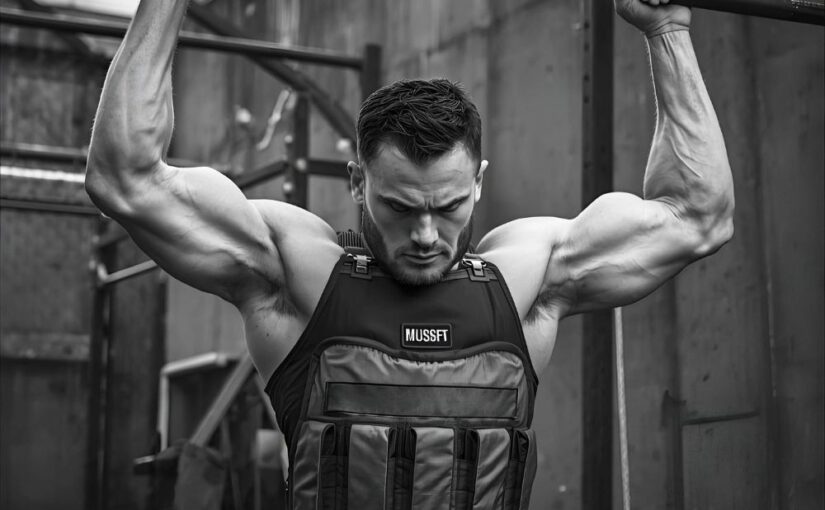
Whether you’re crushing workouts in your garage gym or getting reps in at your local big-box facility, you’ve probably seen people strapping on weighted vests. But the big question remains: do weighted vests work, or are they just fitness hype wrapped in Velcro?
Weighted vests are marketed as a simple way to level up bodyweight exercises, increase calorie burn, and build strength. But how much truth is behind those claims—and are they worth adding to your routine?
Let’s break it down.
What Is a Weighted Vest, Exactly?
A weighted vest is a piece of gear that you wear, which provides additional resistance to your body. Typically adjustable, these vests can range from 5 pounds to over 100 pounds and are used during exercises like push-ups, squats, pull-ups, running, and even walking.
They’re popular among:
- Home gym users looking to intensify bodyweight training
- Athletes aiming to improve endurance and conditioning
- Lifters who want to challenge stabilizer muscles without heavy gym machines
Do Weighted Vests Actually Deliver Results?
Let’s get into the fundamental question: do weighted vests work?
Strength and Muscle Gains
Yes—but in a specific way. Weighted vests don’t replace barbells or dumbbells, but they do make bodyweight movements significantly more challenging. For example:
- Push-ups become closer to a bench press
- Air squats turn into serious leg burners
- Pull-ups with a vest mimic added load training
Over time, this added resistance promotes muscle growth and strength, particularly in functional, full-body movements.
Improved Cardiovascular Conditioning
Wearing a vest during cardio (such as walking, running, or HIIT) raises your heart rate faster and increases calorie expenditure. Several studies have shown that low-to-moderate-intensity workouts with a weighted vest can improve VO2 max and endurance.
Bone Density and Joint Benefits
Carrying extra weight places a mechanical load on bones, encouraging improvements in bone density. This is especially beneficial for long-term joint and skeletal health as you age.
Potential Drawbacks
Before you rush to buy one, consider this: weighted vests can place extra stress on joints, especially the knees and lower back, if misused. Start light and build gradually to avoid injury.
How to Use a Weighted Vest in Your Routine
Here’s how home gym and big-box gym users can integrate vests safely and effectively:
- Bodyweight Workouts: Add a vest to push-ups, dips, pull-ups, lunges, planks, and more
- Walking or Incline Treadmill Workouts: Great for low-impact fat-burning sessions
- Plyometrics: Jump squats, box jumps, and burpees become next-level conditioning
- Strength Finishers: Use a vest for burnout sets after lifting
Tip: Start with 5 to 10 percent of your body weight. Don’t jump into a 40-pound vest on day one. Gradual progression is key.
Weighted Vest Benefits & Considerations
| Category | Details |
|---|---|
| Primary Benefits | – Builds strength during bodyweight exercises – Boosts endurance and calorie burn – Improves cardiovascular health – Supports bone density and joint integrity |
| Ideal For | – Home gym users – Big-box gym lifters – Runners and walkers – Functional training fans |
| Common Exercises | – Push-ups, pull-ups, squats, lunges – Walking, stair climbing, treadmill incline – Plyometrics and HIIT |
| Recommended Starting Load | 5–10% of body weight (e.g., 10–20 lbs for most users) |
| Potential Drawbacks | – May stress joints if used incorrectly – Not ideal for beginners or those with joint issues |
| Pro Tips | – Prioritize form over load – Gradually increase weight – Avoid using for every workout |
Conclusion: Real Gains or Just Hype?
So, do weighted vests work? The short answer is yes—when used smartly. Weighted vests provide a proven and practical way to enhance strength, endurance, and calorie burn, particularly for individuals training without access to heavy gym equipment.
For home gym enthusiasts and big-box gym goers alike, a weighted vest can be a versatile and effective tool—not just fitness hype. Just be sure to scale appropriately, prioritize form, and treat it like any other resistance tool: with respect.
Frequently Asked Questions (FAQ)
Yes. Weighted vests add extra resistance to bodyweight exercises, making movements more challenging and promoting muscle growth and strength gains over time.
It’s advisable to begin with approximately 5–10% of your body weight. If you weigh 150 pounds, start your journey with a vest weighing 7.5 to 15 pounds, and enjoy progressively increasing the weight as you make fantastic strides
Absolutely. Wearing a weighted vest while walking, jogging, or doing high-intensity interval training can enhance calorie expenditure and cardiovascular fitness. Nonetheless, it’s important to begin with a light weight and pay attention to how your body feels.
Weighted vests can be safe for beginners if used correctly with light loads and proper form. However, those with joint issues or injuries should consult a healthcare professional first.
Use weighted vests 2–3 times per week, allowing your body time to recover and adapt. Avoid using it every workout to prevent overuse injuries.