
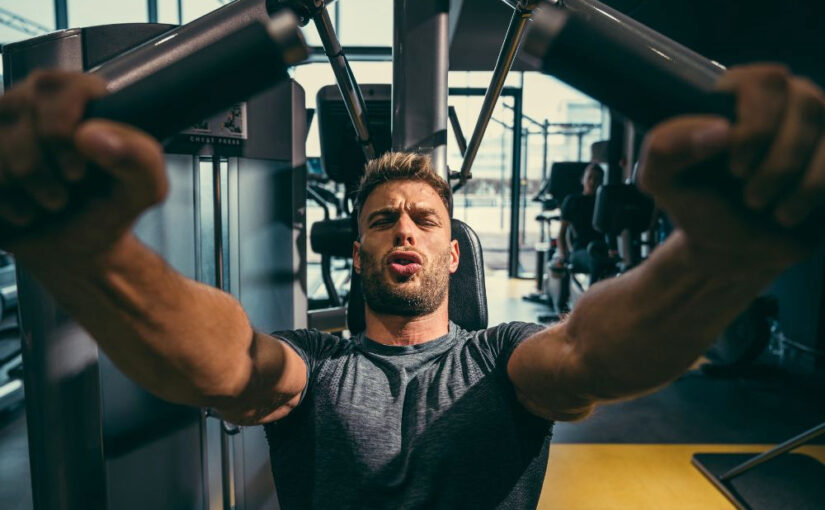
If you’re looking to build upper body strength and sculpt your chest, the chest press machine is one of the best tools at your disposal. Found in nearly every gym, this machine is designed to target your pectoral muscles while also engaging your shoulders and triceps. Whether you’re a beginner or a seasoned lifter, understanding how to use the chest press machine properly is essential for safe and effective workouts.
What Is a Chest Press Machine?
The chest press machine is a type of strength training apparatus that simulates the action of a bench press.Unlike free weights, the machine provides guided movement, which helps users maintain proper form and reduces the risk of injury. It typically consists of a padded seat, adjustable weight stack, and two horizontal handles that you push forward to engage your upper body muscles.
Various kinds of chest press machines exist., including:
- Seated Chest Press: The most common type, where you sit upright and press the handles forward.
- Incline Chest Press: Targets the upper chest by positioning the seat at an incline.
- Decline Chest Press: Focuses more on the lower part of the chest.
Benefits of Using the Chest Press Machine
Utilizing the chest press machine provides numerous advantages, particularly for individuals who are just starting with weight training.
- Targeted Muscle Activation: Specifically engages the pectoral muscles, along with the triceps and deltoids.
- Improved Stability: The guided path of motion helps maintain proper alignment.
- Beginner-Friendly: Easier to learn than free-weight alternatives like the barbell bench press.
- Customizable Resistance: Easily adjust the weight to suit your fitness level.
How to Use It
To get the most out of the chest press, follow these step-by-step instructions:
- Adjust the Seat: Sit down and make sure the handles are level with your chest. Your feet should be flat on the floor.
- Set the Weight: Use the pin system to select your desired resistance. Start light if you’re new.
- Grip the Handles: Place your hands on the handles with a firm, overhand grip. The elbows need to be flexed at a right angle of 90 degrees.
- Press Forward: Breathe out and extend the handles away from your chest until your arms are fully straightened (but avoid locking them).
- Control the Return: Inhale and slowly bring the handles back to the starting position.
Pro Tips:
- Keep your back flat against the seat pad.
- Avoid fully extending your elbows at the peak of the exercise.
- Complete 3 to 4 sets consisting of 8 to 12 repetitions to promote muscle growth.
Common Mistakes to Avoid
- Using Excessive Weight: This can result in improper form and increase the risk of injury.
- Partial Range of Motion: Reduces effectiveness. Ensure a full extension and return.
- Rapid Reps: Controlled movement is crucial for effective muscle engagement.
Chest Press Machine vs. Free Weights
While both methods build strength, the chest press machine is ideal for isolating the chest muscles and building a foundation. Free weights, on the other hand, require more stabilization and can recruit additional muscle groups. For a well-rounded routine, consider incorporating both.
Chest Press Machine Quick Reference Guide
| Feature | Details |
|---|---|
| Target Muscles | Pectorals (chest), deltoids (shoulders), triceps (arms) |
| Primary Purpose | Strength training for upper body |
| Best For | Beginners to advanced lifters |
| Machine Types | Seated, incline, decline chest press |
| Typical Rep Range | 8–12 reps for muscle growth; 12–15 for endurance |
| Common Mistakes | Using too much weight, partial range of motion, moving too quickly |
| Equipment Needed | Chest press machine (with adjustable seat and weight stack) |
| Complementary Exercises | Push-ups, dumbbell bench press, cable flys |
Conclusion
The chest press machine is a valuable addition to any strength training program. It offers a safe and effective way to target the chest, shoulders, and arms, helping you build muscle and improve upper body strength. Whether you’re a gym beginner or looking to perfect your form, learning how to use this machine properly can take your workouts to the next level.
Frequently Asked Questions (FAQ)
The main muscles activated are the pectorals, triceps, and deltoids. Secondary muscles, like the biceps and core, may also be engaged for stabilization depending on the variation used.
Yes, it’s ideal for beginners because it provides a guided range of motion, which helps users learn proper form without needing a spotter or advanced technique.
Incorporating it into your upper body or full-body workout routine 2–3 times a week is typically efficient. Be sure to allow time for muscle recovery between workouts.
While machines can effectively build muscle, combining them with free weights and bodyweight exercises can offer more comprehensive strength and functional fitness.
Incline variations emphasize the upper chest and shoulders, whereas decline variations concentrate on the lower chest. Each provides distinct advantages and can be incorporated to develop a balanced workout regimen.