
If you’re relatively new to the fitness game, you’ve likely asked yourself what is a squat rack used for? This powerful piece of gym equipment is essential for anyone seeking to train smarter, lift heavier weights, and achieve results faster. Whether you’re just getting started or looking to elevate your routine, understanding how to utilize a squat rack properly can significantly enhance your workouts and accelerate muscle growth.
What is a Squat Rack?
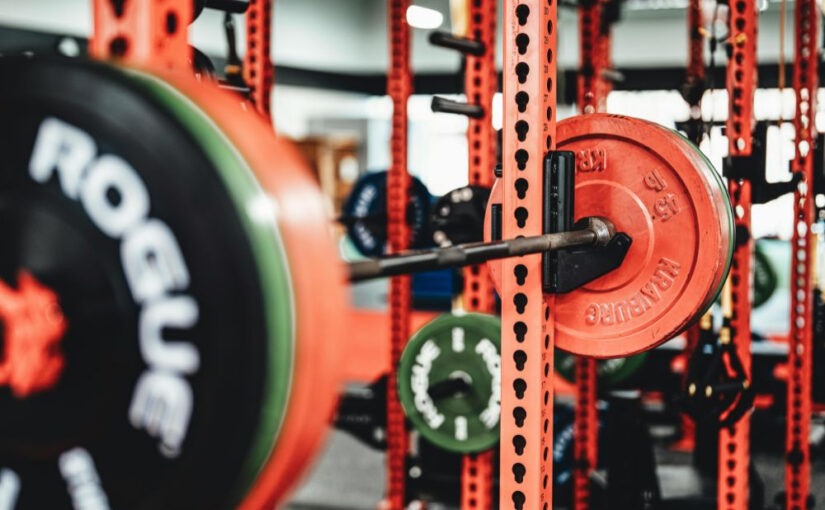
A squat rack—sometimes referred to as a power rack or squat stand—is a sturdy, adjustable frame designed to support a barbell at various heights. Although primarily designed for squatting, the squat rack is very versatile and can be used for various strength training exercises.
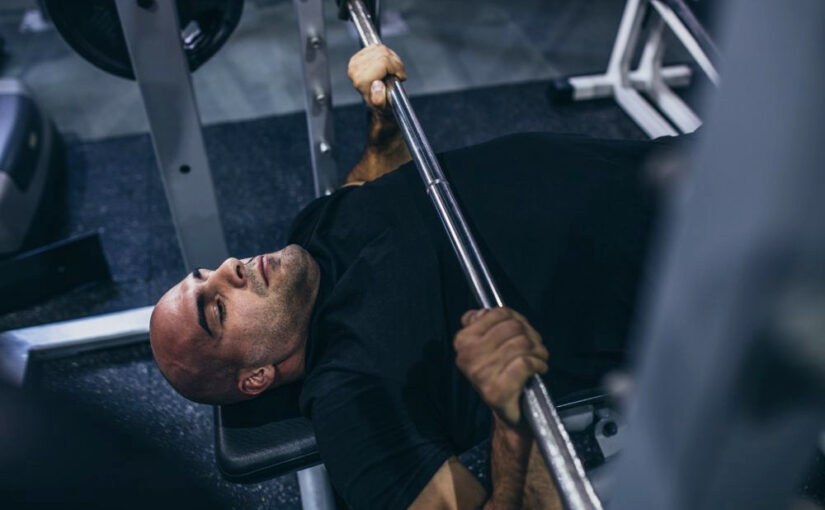
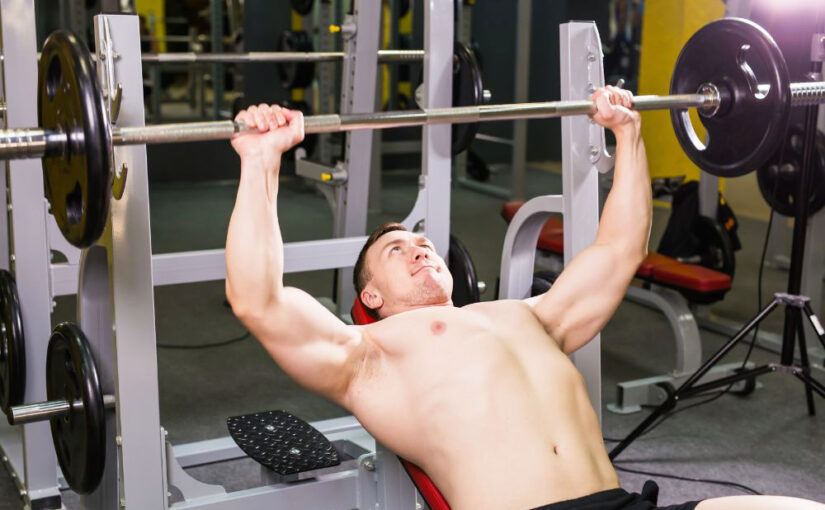
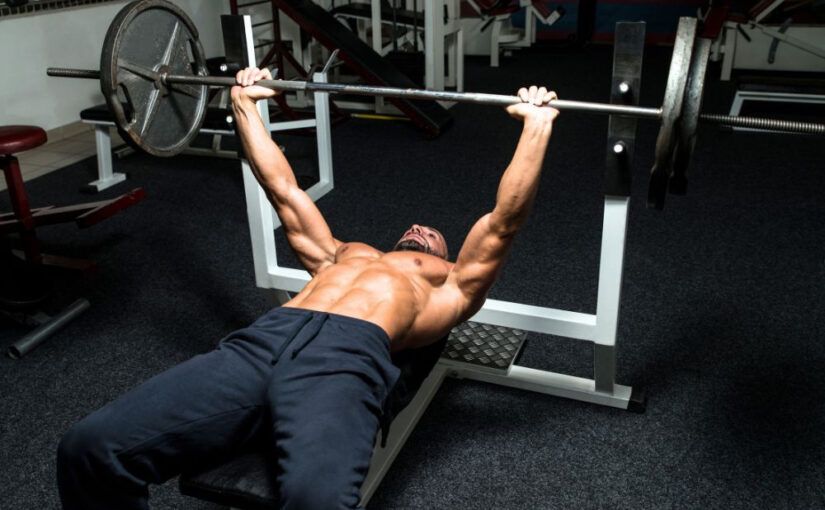
So, what is a squat rack used for? Beyond squats, it supports exercises like bench presses, overhead presses, and rack pulls. It’s a critical tool for performing compound movements safely, especially when training alone or lifting heavy.
Top 5 Muscle-Building Exercises You Can Do With a Squat Rack
1. Back Squats
This foundational lift builds strength in your glutes, quads, hamstrings, and core. Using a squat rack allows you to position the bar safely and focus on proper form.
2. Front Squats
Front squats load the weight in front of your body, emphasizing your quads and core more effectively. They also encourage better posture and upper back engagement.
3. Overhead Press
By setting the bar at shoulder height, you can press it overhead to work your shoulders, triceps, and upper chest. A squat rack helps stabilize the setup and improve safety.
4. Rack Pulls (Partial Deadlifts)
Rack pulls are a form of deadlift that involve placing the bar at a higher level. They target the back, glutes, and hamstrings while allowing you to lift heavier than a standard deadlift.
5. Barbell Lunges
Position the barbell securely on your back, then perform either walking or stationary lunges to enhance the strength and stability of your legs and glutes.
Benefits of Using a Squat Rack to Build Muscle Fast
- Train safely with adjustable safety bars that catch the bar if you fail a rep
- Apply progressive overload by gradually increasing weight
- Perform multiple compound lifts in one space-saving setup
- Improve form with proper bar placement and height adjustments
- Train independently without needing a spotter
Still wondering what is a squat rack used for? It’s a key part of strength training that allows you to lift safely, efficiently, and progressively—perfect for building muscle fast.
Squat Rack Exercise Guide
| Exercise | Primary Muscles Worked | Key Fitness Benefits |
|---|---|---|
| Back Squat | Quads, Glutes, Hamstrings, Core | Full lower-body strength and power |
| Front Squat | Quads, Core, Upper Back | Core stability, posture, quad development |
| Overhead Press | Shoulders, Triceps, Upper Chest | Upper-body strength, shoulder development |
| Rack Pulls | Glutes, Hamstrings, Back | Improved deadlift, posterior chain strength |
| Barbell Lunges | Quads, Glutes, Hamstrings | Balance, unilateral leg strength |
Conclusion
So, what is a squat rack used for? It’s far more than just a place to squat. A squat rack is one of the most essential tools for anyone seeking to build strength, develop muscle, and train safely. With the ability to perform multiple compound exercises, it’s the cornerstone of an effective strength training program—especially if you want fast results. Whether you’re working out at home or in the gym, learning how to use a squat rack properly will elevate your fitness journey.
Frequently Asked Questions (FAQ)
You’ll want something that holds the bar securely, includes safety features, and allows for height adjustments to support different lifts.
Yes, using equipment with built-in safety bars or catches lets you lift solo with confidence, especially during squats or presses.
Definitely. Some gear is designed to handle a wide variety of compound movements, making full-body training possible in one spot.
Use a setup that keeps the bar stable, allows for easy re-racking, and includes adjustable safety bars in case you fail a rep.
Gradually increase the load and use a stable, supportive setup with built-in safety features to prevent accidents during training.