Should You Workout on the First Day of Your Period? Truth

For many women, the first day of their period comes with cramps, fatigue, and mood swings. This often leads to a common question: Should you workout on the first day of your period? While conventional wisdom once suggested rest and minimal activity, new research and personal experiences are shifting the narrative. Let’s break down the science, the benefits, and what your body might actually need.

Understanding Your Body on Day One

The first day of your period marks the beginning of the menstrual phase in your cycle. At this time, hormone levels like estrogen and progesterone are at their minimum, which may result in:

  • Lower energy levels
  • Increased fatigue
  • Menstrual cramps
  • Mood changes

Because of this, it’s completely valid to ask: should you workout on the first day of your period, or is rest the better option?

Is It Safe to Exercise on the First Day of Your Period?

Yes, it is generally safe to exercise, even on day one. In fact, gentle movement can provide significant relief from menstrual symptoms. According to the American College of Obstetricians and Gynecologists, exercise can help ease cramping and improve mood by increasing endorphin levels.

However, safety depends on listening to your body. If your cramps are severe or you feel exhausted, opting for rest or low-impact movement might be a smarter choice than a high-intensity session.

Benefits of Working Out on Your Period

Here are a few benefits you might experience if you choose to move your body on the first day:

  • Reduced bloating and cramps through increased blood flow
  • Mood improvement from endorphin release
  • Better sleep thanks to physical activity
  • Improved circulation which may ease pain

So if you’re still wondering, should you workout on the first day of your period, the truth is: it could actually help you feel better.

Best Types of Exercise for the First Day of Your Period

If you decide to workout on day one, consider choosing forms of exercise that are gentle and restorative:

  • Yoga (especially poses that relieve cramps)
  • Walking at a moderate pace
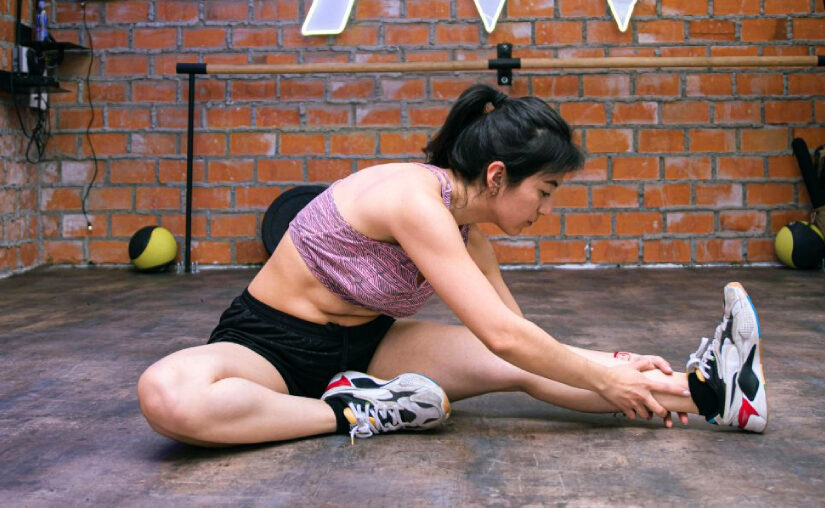
  • Stretching or mobility exercises
  • Light strength training (if you feel up to it)
  • Swimming for low-impact, full-body movement

Avoid pushing your body into intense cardio or heavy lifting unless you truly feel energized and capable.

When to Skip the Gym

Even though movement can help, sometimes your body just needs rest. You should consider skipping your workout if:

  • You’re experiencing heavy bleeding or severe cramps
  • You’re feeling dizzy, weak, or lightheaded
  • You’re emotionally overwhelmed or highly fatigued

In these cases, taking the day off is a form of self-care, not laziness.

Listen to Your Cycle, Not the Pressure

There’s no one-size-fits-all answer to should you workout on the first day of your period. Your menstrual cycle is personal, and how you feel on day one can vary from month to month. The key is tuning into your body and honoring what it needs—whether that’s a power walk or a power nap.

Best Workouts on the First Day of Your Period: Quick Guide

Type of ExerciseIntensityBenefitsWhen to Choose It
YogaLowRelieves cramps, reduces stress, promotes relaxationWhen you feel bloated, crampy, or anxious
WalkingLow to MediumBoosts circulation, eases cramps, improves moodWhen you need gentle movement with minimal effort
StretchingLowIncreases flexibility, reduces tensionWhen you’re too tired for a full workout
SwimmingLow to MediumSoothes muscles, reduces joint stressIf you feel light and want full-body relief
Light Strength TrainingMediumMaintains muscle tone, boosts endorphinsWhen you feel energized but want to avoid cardio
Rest / No WorkoutN/AAllows recovery, respects fatigueWhen cramps, fatigue, or discomfort are too strong

Conclusion

So, should you workout on the first day of your period? The truth is, yes, you can—but it depends on how you’re feeling. Participating in light to moderate physical activity can alleviate cramps, enhance your mood, and increase your energy levels.However, if your body is asking for rest, it’s perfectly okay to skip the workout. Ultimately, honoring your cycle and practicing body awareness is the best fitness decision you can make.


Frequently Asked Questions (FAQ)

Is It Okay to Exercise During Your Period?

Yes, it’s generally safe to exercise during your period. In fact, physical activity can help reduce cramps, boost mood, and improve circulation. The key is to listen to your body and choose the type and intensity of exercise that feels right.

What Workouts Are Best During Menstruation?

Gentle workouts like yoga, walking, stretching, and swimming are ideal during menstruation. These exercises support your body without putting too much strain on it, especially when you’re experiencing fatigue or cramps.

Can Working Out Make Period Cramps Worse?

In most cases, exercise actually helps relieve cramps by increasing blood flow and releasing endorphins. However, if you overexert yourself or do high-impact movements while already in pain, it could temporarily make cramps feel worse.

How Does Your Energy Level Change During Your Period?

During the initial days of menstruation, energy levels often decrease because of a reduction in estrogen and progesterone. This can result in feelings of tiredness and a decline in physical endurance, highlighting the need to modify exercise routines accordingly.

Should I Skip the Gym if I Feel Tired During My Period?

If you’re feeling unusually tired or uncomfortable, it’s completely okay to skip the gym and prioritize rest. Recovery is just as important as activity, especially when your body is going through hormonal changes.
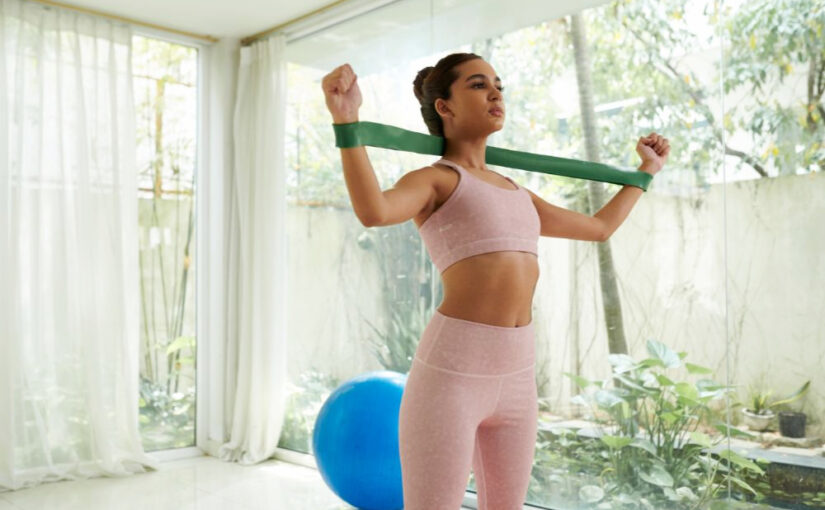
Why Is It Bad to Lift Heavy Things While on Your Period? Eh?

When you’re on your period, even the smallest task can feel ten times harder. But lifting heavy things? That might be more than just uncomfortable — it could be risky. So, why is it bad to lift heavy things while on your period? Eh, let’s break it down and get into what really happens to your body during menstruation and why it’s best to take it easy.

Hormones, Cramps, and Core Strength — What’s the Connection?

During your period, your body goes through a lot. Levels of estrogen and progesterone decrease, potentially leading to feelings of fatigue, bloating, or dizziness. Your abdominal muscles might already be sore from cramps — and that’s where heavy lifting can add fuel to the fire.

1. Increased Risk of Injury

One reason why it is bad to lift heavy things while on your period is the increased risk of injury. Your ligaments and joints may be slightly more relaxed due to hormonal changes, reducing your stability. That makes it easier to strain your back or pull a muscle when you’re lifting weights or even something as everyday as a heavy box.

2. Worsening of Menstrual Symptoms

Heavy lifting can intensify cramps, cause fatigue to spike, and make you feel even more drained. If you’re already dealing with bloating and pelvic pressure, adding more strain to your core can make everything feel worse.

3. Impact on Your Pelvic Floor

Repeatedly lifting heavy items can put unnecessary stress on the pelvic floor muscles — especially when they’re already under pressure during menstruation. This can contribute to issues like pelvic organ prolapse over time. It’s another key reason why it is bad to lift heavy things while on your period.

4. Iron Levels and Energy

Blood loss during menstruation can already lower your iron levels, which leads to fatigue and lightheadedness. Adding intense physical strain can make you feel faint or dizzy, increasing the risk of accidents while lifting.

Should You Avoid All Exercise?

Not necessarily! Movement like walking, light yoga, or gentle stretching can actually help ease cramps and boost your mood. The key is listening to your body. If lifting feels wrong — skip it. There’s no shame in adjusting your routine to match your cycle.

Quick Breakdown: Why Avoid Heavy Lifting on Your Period?

ReasonWhat HappensWhy It Matters
Increased Risk of InjuryHormonal changes loosen joints and ligamentsMakes you more prone to sprains, strains, or back injuries
Worsened Cramps & FatigueHeavy lifting activates core musclesCan intensify menstrual cramps and make you feel more drained
Pelvic Floor StrainExtra pressure on already stressed musclesMay lead to long-term issues like pelvic organ prolapse
Low Energy & DizzinessMenstruation lowers iron levelsIncreases risk of lightheadedness or fainting during physical exertion
Delayed RecoveryBody is under physical stressTakes longer to recover from workouts or injuries during menstruation

Final Thoughts

So, why is it bad to lift heavy things while on your period? In short: your body is already going through a lot — hormonally, physically, and emotionally. Lifting heavy objects during this time can increase the risk of injury, worsen symptoms, and impact your pelvic health in the long run. Taking a break or scaling down during your period isn’t weakness — it’s smart self-care.


Frequently Asked Questions (FAQ)

Can Working Out During Your Period Make Cramps Worse?

Yes, certain types of exercise — especially intense core or heavy lifting — can sometimes make cramps more painful. However, light movement like walking or yoga can help relieve discomfort.

Is It Safe to Perform Weightlifting During Menstruation?

It can be safe for some people, depending on how they feel and the intensity of the workout. Listening to your body is key, and it’s best to avoid pushing yourself when feeling fatigued or crampy.

Why Do I Feel Weaker at the Gym During My Period?

Hormonal fluctuations and lower iron levels due to blood loss can contribute to fatigue, decreased stamina, and muscle weakness during menstruation.

How Does Your Period Affect Your Core Strength?

Menstrual cramps can cause sensitivity and soreness in the abdominal muscles, which may reduce your ability to engage your core properly during physical activities.

What Exercises Are Better During Menstruation?

Gentle activities like stretching, walking, low-impact yoga, and light cardio can help improve circulation and ease cramps without overexerting your body.

Best Time to Workout for Women: Maximize Results

Finding the best time to workout for women isn’t just about squeezing exercise into a busy schedule—it’s also about aligning with your body’s natural rhythms to optimize fat loss, energy, and results. No matter if your aim is to lose weight, increase strength, or improve your general health, when you choose to work out can greatly influence your outcomes.

In this article, we’ll explore how different times of day affect workout performance, how female hormones play a role, and tips to help you find your ideal workout window.

Morning Workouts: Start Strong and Stay Consistent

Pros:

  • Boosts metabolism early in the day
  • Helps with consistency and discipline
  • Can enhance mood and concentration during the day.

Morning may be the best time to workout for women who are looking to create a steady routine. Exercising first thing in the morning helps jumpstart your metabolism and increases dopamine and endorphins, giving you a natural energy boost. Morning workouts are also linked to more consistent habits—many women find they’re more likely to stick with their routine when they exercise before distractions or obligations arise.

Cons:

  • Body temperature is lower, so muscles may feel stiffer
  • Hormone levels like cortisol are naturally higher in the morning, which can impact stress-sensitive individuals

If you’re not a morning person, it’s essential to properly warm up and hydrate to avoid injury or fatigue.

Afternoon Workouts: Performance Peaks and Hormone Harmony

Pros:

  • Power and stamina usually reach their highest levels in the early afternoon.
  • Body temperature is higher, which can reduce injury risk
  • Improved reaction time and focus

The early-to-mid afternoon (around 1 PM to 4 PM) can be an ideal time for women to strength train or do intense cardio. Your body is already warmed up, and muscle performance tends to be better during this window. For women, this timing may also better align with natural hormonal fluctuations, especially during the first half of the menstrual cycle (follicular phase), when energy levels are higher.

Cons:

  • May conflict with work or family schedules
  • Energy dips after lunch can reduce motivation

If you struggle with post-lunch fatigue, a light pre-workout snack and hydration can help boost performance.

Evening Workouts: Stress Relief and Strength Gains

Pros:

  • Great for de-stressing after a long day
  • Body is fully warmed up and limber
  • Muscular strength and flexibility often peak in the evening

For some women, the best time to workout is after work or once the kids are in bed. Evening workouts are excellent for lifting heavier weights and hitting personal bests. Studies show strength and endurance can peak between 5 PM and 7 PM, making this an optimal window for challenging routines.

Cons:

  • Can interfere with sleep if done too late or too intensely
  • Evening plans or family time may conflict

To prevent interference with your sleep, try to complete your exercise routine at least 1-2 hours prior to going to bed.

How Hormones Affect the Best Time to Workout for Women

Female hormone fluctuations throughout the menstrual cycle can influence energy levels, strength, and endurance. Here’s a quick guide:

  • Follicular Phase (Day 1–14): Estrogen rises, energy is high — great for intense workouts.
  • Ovulation (~Day 14): Strength peaks — ideal for lifting and power training.
  • Luteal Phase (Day 15–28): Progesterone increases, energy may dip — opt for lower-impact workouts like yoga, walking, or light cardio.
  • Menstruation: Gentle movement or rest is often best depending on individual comfort.

Understanding your cycle can help you decide not just the best time of day to work out, but also the best time of month.

So, What’s the Best Time to Workout for Women?

The truth is, the best time to workout for women depends on a combination of factors:

  • Personal energy levels
  • Daily schedule
  • Hormonal patterns
  • Fitness goals
  • Sleep habits

What works best for one woman may not suit another. The key is to experiment. Track how you feel during different times of day and adjust based on your body’s feedback. Consistency, more than clock time, is what delivers long-term results.

Comparison Table: Best Time to Workout for Women

Time of DayProsConsBest For
Morning– Boosts metabolism early- Enhances consistency- Improves focus for the day– Muscles may be stiff- Higher cortisol levels– Building a routine- Fat loss- Busy schedules
Afternoon– Peak strength & energy- Lower injury risk- Good for intense training– Midday fatigue- Can conflict with work hours– Strength training- Performance goals
Evening– Muscle strength peaks- Great for stress relief- Body is fully warmed up– Can disrupt sleep- Family or social time– Strength gains- Post-work de-stress

Conclusion: Listen to Your Body and Stay Consistent

When it comes to maximizing fitness results, the best time to workout for women isn’t one-size-fits-all. While mornings offer structure, afternoons support performance, and evenings can deliver strength gains, what matters most is choosing a time that aligns with your energy, lifestyle, and hormones.

Try different time slots for a few weeks, listen to your body, and create a routine that supports both your physical and mental well-being. The best workout time is the one you can stick with — and enjoy.


Frequently Asked Questions (FAQ)

Does Exercising at Different Times of Day Affect Results?

Yes. Your body’s temperature, hormone levels, and energy fluctuate throughout the day, which can influence workout performance and recovery.

What Time of Day is Best for Fat Burning?

Morning workouts in a fasted state may slightly boost fat oxidation, but total daily activity and consistency matter more for fat loss.

Should I Work Out Based on My Menstrual Cycle?

Absolutely. Customizing your exercise routines to align with the various stages of your cycle can enhance your energy levels, boost performance, and aid recovery, particularly during strength or endurance training.

Can Evening Exercise Affect Sleep Quality?

Intense workouts too close to bedtime may disrupt sleep for some people. Finishing workouts at least 1–2 hours before bed usually prevents this.

How Do I Know When My Energy Levels Are Highest?

Track how you feel during workouts at different times of day over a week or two. This will help you identify when you’re most energized and focused.

Strength Training Benefits Female: Burn Fat, Build Strength

Achieving a leaner, stronger body involves more than just cardio; there are other effective methods to consider as well. More women are discovering how strength training benefits female fitness goals by not just building muscle but also torching fat and improving overall health. Contrary to outdated myths, lifting weights won’t make women bulky—it will make them robust, confident, and resilient. In this article, we’ll explore how strength training helps females burn fat, build strength, and feel empowered.

1. Burns Fat More Effectively

One of the advantages of strength training for female fitness enthusiasts is fat loss. While cardio burns calories during exercise, strength training builds muscle, which increases your resting metabolic ate.  sc\This means that you keep burning calories even after your workout has finished.

Why this matters:

Muscle is metabolically active tissue. The more you have, the more calories your body burns daily—even while at rest. This leads to sustainable fat loss without extreme dieting.

2. Builds Lean Muscle and Strength

Females inherently possess lower testosterone levels compared to males, which means that weightlifting won’t result in excessive muscle growth. Instead, it sculpts lean muscle, improves tone, and enhances physical performance.

Strength training benefits female athletes and beginners alike by:

  • Increasing core strength and stability
  • Enhancing posture and balance
  • Minimizing the risk of injury in everyday life.

Whether you’re lifting free weights, using resistance bands, or doing bodyweight exercises, strength training supports functional fitness—making everyday activities easier and more efficient.

3. Boosts Confidence and Mental Health

In addition to changing the body, strength training enhances mental health as well. Research indicates that resistance training can lessen feelings of anxiety and depression, elevate mood, and increase self-confidence.

For many women, seeing progress in the gym translates into greater confidence in daily life. Feeling strong physically often leads to feeling empowered mentally and emotionally.

4. Supports Long-Term Health and Hormonal Balance

A major long-term strength training benefit for female health is its role in preventing age-related conditions. As women age, bone density and muscle mass naturally decrease. Regular resistance training helps:

  • Maintain bone health and prevent osteoporosis
  • Improve insulin sensitivity and blood sugar control
  • Regulate hormones, especially during menopause

By incorporating strength workouts into your weekly routine, you’re investing in lifelong vitality.

Summary of Strength Training Benefits for Females

BenefitDescription
Fat BurningIncreases resting metabolism by building lean muscle, helping burn more calories.
Muscle & Strength GainsDevelops toned muscles without bulk, enhances performance and daily function.
Mental Health BoostReduces anxiety and depression, boosts confidence and mood.
Hormonal BalanceSupports better hormonal health, especially during menstrual cycles and menopause.
Bone & Joint HealthStrengthens bones and joints, reducing the risk of osteoporosis and injury.
Improved Posture & BalanceBuilds core strength and stability, leading to better posture and coordination.

Conclusion

The myth that strength training is only for men is long gone. Today, women everywhere are embracing the barbell—and for good reason. From torching fat and building lean muscle to improving mental health and hormonal balance, the strength training benefits female fitness in countless ways. If you’re ready to transform your body and mind, it’s time to add strength training to your fitness journey.


Frequently Asked Questions (FAQ)

Can Women Lift Heavy Weights Without Getting Bulky?

Yes. Due to lower testosterone levels, women typically build lean muscle rather than bulk. Lifting heavy helps with tone and strength.

How Often Should Women Do Strength Training Each Week?

Most experts recommend 2–4 sessions per week, allowing rest days between for muscle recovery and optimal results.

Is Strength Training Safe for Beginners?

Absolutely. Starting with bodyweight or light resistance exercises and proper form makes strength training safe and effective for all levels.

What Should Women Eat to Support Strength Training?

A nutritious diet that includes protein, complex carbohydrates, and healthy fats is essential for energizing workouts, promoting muscle growth, and aiding in recovery.

Can Lifting Weights Help With Weight Loss Goals?

Yes. Strength training boosts metabolism and burns fat, making it a highly effective component of a sustainable weight loss plan.

Will Lifting Heavy Weights Make My Arms Bigger? What to Know

If you’re hitting the gym with dreams of building strong, muscular arms, you’ve probably asked yourself: will lifting heavy weights make my arms bigger? This question is common among beginners and seasoned lifters alike. The short answer is yes—but there’s more to it than just piling on the plates. Let’s break down how heavy lifting affects arm growth, what else influences muscle gains, and how to train smart for real results.

Understanding Muscle Growth: The Basics

Before diving into heavy lifting, it’s important to understand how muscles grow. The process, known as hypertrophy, occurs when you place your muscles under stress, causing small tears in the muscle fibers. As your body repairs these fibers, they grow back thicker and stronger.

There are two primary types of hypertrophy:

  • Myofibrillar hypertrophy (focused on strength and density)
  • Sarcoplasmic hypertrophy (focused on size and muscle volume)

Lifting heavy weights tends to stimulate myofibrillar hypertrophy, which makes your muscles denser and stronger—though it also contributes to size gains over time.

So, Will Lifting Heavy Weights Make My Arms Bigger?

Yes—lifting heavy weights can absolutely make your arms bigger, but it depends on several factors:

1. Training Volume and Intensity

Lifting heavy weights in lower rep ranges (4–8 reps per set) promotes strength and muscle density. To maximize size, you should combine heavy lifts with moderate rep ranges (8–12 reps) to target both strength and hypertrophy.

2. Progressive Overload

Your muscles need a consistent challenge for growth. This means gradually increasing the weight, reps, or sets over time. If you’re wondering will lifting heavy weights make my arms bigger, the answer depends largely on whether you’re progressively overloading your muscles.

3. Arm-Specific Training

Big compound lifts like bench presses and rows indirectly train your arms, but isolation movements like bicep curls, tricep extensions, and hammer curls are crucial for targeted growth. Pairing these with heavy weights can lead to noticeable gains.

4. Recovery and Nutrition

Muscles grow outside the gym. That means rest days, adequate sleep, and a protein-rich diet are just as important as your workout routine. Without proper recovery, even the heaviest lifts won’t translate into bigger arms.

Common Mistakes That Hinder Arm Growth

Even if you’re lifting heavy, you might not see the gains you’re hoping for if you’re making these mistakes:

  • Poor form: Lifting too heavy without proper technique can limit muscle activation and increase your risk of injury.
  • Neglecting triceps: Your triceps make up about two-thirds of your upper arm. If you’re only focused on curls, you’re missing a huge part of the growth equation.
  • Lack of variation: Muscles adapt quickly. If you’re always doing the same exercises or rep ranges, your progress can stall. Switch up your routine every few weeks to keep your arms growing.
  • Overtraining: More isn’t always better. Training your arms too often without giving them time to recover can actually hinder growth. Muscles need rest to repair and grow. If you’re hitting arms hard multiple times a week without adequate recovery, you could be sabotaging your progress.

Best Heavy Lifts for Bigger Arms

If you’re serious about arm size, include these heavy hitters in your routine:

  • Barbell curls
  • Close-grip bench press
  • Weighted dips
  • EZ bar preacher curls
  • Overhead tricep extensions with dumbbells or barbells

Be sure to warm up properly and focus on controlled, explosive movements with good form.

Summary Table: Key Factors That Influence Arm Growth with Heavy Lifting

FactorWhy It MattersTips for Best Results
Lifting Heavy WeightsStimulates muscle fiber recruitment and strength gainsUse lower rep ranges (4–8 reps) with proper form
Progressive OverloadEncourages continuous muscle adaptation and growthGradually increase weight, reps, or sets weekly
Targeted Arm ExercisesDirectly stimulates biceps and triceps for balanced growthCombine compound and isolation movements
RecoveryMuscles grow during rest, not during workoutsGet 7–9 hours of sleep and allow 48 hours between arm sessions
NutritionProvides the building blocks for muscle repair and growthPrioritize protein and calorie intake aligned with your goals
Training VarietyPrevents plateaus and keeps muscles responsiveRotate exercises, rep ranges, and angles every 4–6 weeks
Avoiding OvertrainingToo much volume can stall growth and increase injury riskLimit direct arm training to 2–3 times per week with rest days

Final Thoughts: Will Lifting Heavy Weights Make My Arms Bigger?

To wrap it up, the answer to will lifting heavy weights make my arms bigger is yes—but with a strategy. Lifting heavy builds muscle density and strength, and when paired with proper nutrition, recovery, and arm-focused training, it can significantly increase arm size. If you stay consistent, challenge your muscles, and avoid common training mistakes like overtraining or poor form, you’ll be well on your way to bigger, stronger arms.


Frequently Asked Questions (FAQ)

How Often Should I Train My Arms for Muscle Growth?

Training your arms 2 to 3 times per week with adequate rest days in between is generally ideal. This frequency allows muscles to recover and grow while maintaining consistent stimulus.

Does Lifting Light Weights With High Reps Build Muscle?

Yes, lifting lighter weights with higher repetitions can build muscle by increasing muscle endurance and volume. Combining both heavy and light weights in your routine often yields the best results.

Can I Get Bigger Arms Without Lifting Heavy Weights?

It’s possible through higher rep ranges and bodyweight exercises, but lifting heavy weights is one of the most efficient ways to promote significant muscle growth.

How Important is Diet in Building Bigger Arms?

Nutrition plays a critical role. Taking in enough protein and calories is essential for muscle repair and growth. Without proper nutrition, gains from training will be limited.

Why Do My Arms Not Grow Despite Training Hard?

Common reasons include inadequate recovery, poor nutrition, lack of training variety, or inconsistent progressive overload. Reviewing these factors can help identify and fix plateaus.

Does Lifting Heavier Weights Build Muscle Faster: Explained

When it comes to building muscle, many people wonder, Does lifting heavier weights build muscle faster? It’s a common question in fitness circles, and the answer isn’t as straightforward as simply “yes” or “no.” In this article, we’ll break down the science and practical insights behind lifting heavier weights and how it affects muscle growth.

What Happens When You Lift Weights?

Muscle growth, also known as hypertrophy, happens when your muscle fibers undergo small amounts of damage or stress during exercise. Your body repairs these fibers, making them bigger and stronger over time. The key question is: Does lifting heavier weights build muscle faster by creating more stress on your muscles?

The Role of Weight Intensity in Muscle Growth

Lifting heavier weights generally means you’re challenging your muscles more. This increases muscle tension, which is a crucial factor in stimulating growth. However, the speed at which you build muscle depends on several factors beyond just the amount of weight you lift:

  • Volume and reps: Doing more sets and reps can also promote growth, even with lighter weights.
  • Progressive overload: Gradually increasing the weights or reps over time is essential.
  • Nutrition and rest: Your muscles need fuel and recovery to grow.

So, while heavier weights can build muscle faster by increasing tension and overload, they aren’t the only piece of the puzzle.

Lifting Heavier Weights: Benefits and Considerations

Benefits:

  • Increased muscle tension: Heavier weights create more force, encouraging muscle adaptation.
  • Improved strength: You get stronger, which can enhance other types of training.
  • Efficient workouts: Heavier lifting often requires fewer reps, saving time.

Considerations:

  • Injury risk: Lifting heavy without proper form can cause injuries.
  • Recovery time: Heavier weights may require longer rest periods.
  • Not always necessary: Beginners and those focused on endurance might benefit from lighter weights.

Practical Tips for Using Heavy Weights Safely

If you’re asking, “Does lifting heavier weights build muscle faster,” here are some tips to do it effectively:

  1. Focus on form first: Perfect your technique before adding more weight.
  2. Warm-up properly: Prepare your muscles to handle heavier loads.
  3. Progress gradually: Increase weights gradually in small increments to prevent injury.
  4. Listen to your body: Rest when needed to avoid overtraining.

Key Factors: Does Lifting Heavier Weights Build Muscle Faster?

FactorImpact on Muscle GrowthNotes
Weight IntensityHigher weights increase muscle tension and growth stimulusCrucial but must be balanced with form and recovery
Training VolumeMore reps and sets can also promote hypertrophyLighter weights with higher volume can be effective
Progressive OverloadEssential for continued muscle growthGradually increasing weight or reps over time
NutritionProvides fuel and building blocks for muscleProtein intake and calories matter
Rest & RecoveryMuscles grow during rest periodsAdequate sleep and recovery reduce injury risk
Form & TechniquePrevents injury and maximizes effectivenessEspecially important with heavier weights

Conclusion

So, does lifting heavier weights build muscle faster? The short answer is yes, but with important caveats. Heavier weights can accelerate muscle growth by increasing muscle tension and promoting strength gains. However, optimal muscle building also depends on your training volume, nutrition, recovery, and overall program design. By lifting heavy responsibly and progressively, you can maximize your muscle growth safely and effectively.


Frequently Asked Questions (FAQ)

How Do Heavier Weights Affect Muscle Growth?

Heavier weights increase muscle tension, which can stimulate muscle fibers to grow stronger and larger over time.

Can Lighter Weights Build Muscle Effectively?

Lighter weights with higher repetitions and proper volume can promote muscle growth, particularly for beginners or those focusing on endurance.

What is Progressive Overload and Why is It Important?

Progressive overload means gradually increasing workout difficulty, like lifting heavier weights or doing more repetitions, to continually challenge your muscles and encourage growth.

How Important is Rest Between Workouts for Muscle Building?

Rest is crucial because muscles repair and grow during recovery periods. Without adequate rest, progress can stall and injury risk may increase.

Should Beginners Start With Heavy Weights?

Beginners should focus on mastering proper form and gradually increase weight to avoid injury and ensure long-term progress.

Do I Need to Lift Heavier to Get Bigger? Explained

When discussing muscle growth, a frequently asked question among individuals is: Do I need to lift heavier to get bigger? The short answer is—not always, but progressive overload, including lifting heavier over time, does play a significant role in muscle growth. In this article, we’ll break down the science, explain what really matters for hypertrophy (muscle growth), and help you understand the best strategy for achieving size gains.

Understanding Muscle Growth (Hypertrophy)

Muscle hypertrophy occurs when muscle fibers experience stress and adapt by increasing in size. This stress can come from a variety of training methods, but the most effective approach usually involves increasing tension on the muscle over time—a concept known as progressive overload.

There are three key drivers of hypertrophy:

  1. Mechanical tension – the load placed on muscles during resistance training.
  2. Muscle damage – microtears that occur from challenging the muscle.
  3. Metabolic stress – the “burn” sensation you experience during sets with high repetitions.

So, where does lifting heavier fit in?

Do I Need to Lift Heavier to Get Bigger?

To answer the question clearly: Do I need to lift heavier to get bigger?—lifting heavier is one method of progressive overload, but it’s not the only one.

Why Lifting Heavier Can Help

  • More tension: Heavier weights increase mechanical tension, a strong stimulus for growth.
  • Progress tracking: Adding weight to your lifts shows strength progression, often correlated with increased muscle mass.
  • Time efficiency: Heavier weights with lower reps can produce results faster for some individuals.

But It’s Not Mandatory

Many lifters build impressive physiques using moderate weights with higher volume and perfect form. In fact:

  • Studies show that training with lighter weights (30–50% of 1RM) to failure can still produce significant muscle growth.
  • Muscles respond to total training volume, not just weight.
  • Form, tempo, rest time, and intensity matter just as much—sometimes more—than simply adding more weight.

How to Apply This to Your Workouts

Instead of asking, “Do I need to lift heavier to get bigger?” ask:

  • Am I progressively overloading in some way?
  • Am I pushing myself close to muscular failure?
  • Am I using good form and proper recovery?

Here are a few ways to build muscle without constantly increasing the weight:

  • Increase reps with the same weight.
  • Slow down tempo (e.g., 3 seconds down, 1 second up).
  • Reduce rest time between sets to increase metabolic stress.
  • Add more sets over time to increase volume.

Lifting Heavier vs. Other Hypertrophy Strategies

ApproachProsConsBest For
Lifting Heavier (Low Reps)– Increases mechanical tension- Efficient strength gains- Easier to track progress– Higher injury risk- May require longer recovery- Not ideal for beginnersIntermediate to advanced lifters focusing on strength and size
Moderate Weight + High Volume– Lower risk of injury- Increases training volume- Great for metabolic stress– Requires longer sessions- Progress tracking can be slowerBeginners to intermediate lifters aiming for hypertrophy
Light Weight to Failure– Accessible for all fitness levels- Effective when taken to failure- Enhances muscle endurance– Can be mentally taxing- More reps required to achieve fatigueHome workouts or deload phases
Tempo & Form-Focused Training– Improves mind-muscle connection- Less joint stress- Enhances control and stability– Requires more focus- Progress may feel slowerAll levels; great for improving technique and activation

Conclusion: Do I Need to Lift Heavier to Get Bigger?

So, do I need to lift heavier to get bigger? Lifting heavier can help you grow, but it’s not the only path to muscle gain. The key is progressive overload—whether that means adding weight, doing more reps, increasing sets, or improving your training intensity.

If your goal is muscle size, focus on consistent progression, proper technique, and recovery. Heavier weights are a tool—not a rule.


Frequently Asked Questions (FAQ)

Can You Build Muscle With Lighter Weights?

Absolutely, muscle growth can be achieved with lighter weights as long as you train close to muscular failure. The key is applying enough tension and volume to challenge the muscles effectively.

What is Progressive Overload in Strength Training?

Progressive overload involves gradually increasing the stress on the body during exercise. This can be achieved by raising the weight, repetitions, sets, or intensity over time.

How Many Reps Are Best for Muscle Growth?

Typically, 6–12 reps per set is considered the ideal range for hypertrophy. However, going outside this range—either lower or higher—can still be effective when paired with proper intensity and effort.

Is Form More Important Than Weight?

Absolutely. Proper form ensures you’re targeting the right muscles and reducing injury risk. Lifting with poor technique, even with lighter weights, can hinder progress and cause strain.

How Often Should I Increase the Weight I Lift?

There’s no set timeline, but you should aim to increase the weight once your current load no longer challenges you or you can easily exceed your rep targets. This is a natural signal to level up your training.

Plate Loaded vs Weight Stack: Which Builds More Muscle?

Choosing the appropriate equipment for strength training can greatly influence your advancement. One of the most common debates in the gym is plate loaded vs weight stack machines. Both are popular and effective, but which one actually helps you build more muscle? Join us as we explore the differences, pros, and cons of both, guiding you towards the perfect choice for your goals!

What Are Plate Loaded and Weight Stack Machines?

Before comparing which builds more muscle, it’s essential to understand how each type of machine works.

  • Plate-Loaded Machines: These require users to load weight plates onto the machine manually. They often mimic free weight movements more closely and provide a more “raw” lifting experience.
  • Weight Stack Machines: These machines have a built-in stack of weights connected by a cable system. You adjust resistance by inserting a pin into the desired weight level, making them quick and easy to use.

Muscle Activation and Strength Gains

When comparing plate loaded vs weight stack equipment in terms of muscle activation, plate loaded machines often come out ahead. That’s because they typically allow for more natural movement patterns, which can engage stabilizing muscles more effectively. This leads to greater overall muscle recruitment, particularly for compound exercises such as chest presses, rows, and leg presses.

However, weight stack machines still provide a solid workout, particularly for isolating specific muscle groups. They’re great for beginners or those rehabbing injuries because of their controlled range of motion and consistent resistance.

Progressive Overload and Customization

Progressive overload is essential for muscle growth, involving the gradual increase of weight or resistance over time. Plate-loaded machines offer more flexibility in this area. You’re not limited to the increments found in a traditional weight stack, so you can push yourself with smaller or larger jumps in weight as needed.

That said, weight stack machines are more convenient and time-efficient, especially in busy gyms. You can quickly adjust resistance without having to hunt for plates.

Which Is Better for Building Muscle?

The answer isn’t entirely black and white. If your goal is maximizing muscle growth and you’re experienced with strength training, plate loaded machines might give you the edge. They encourage greater engagement of stabilizer muscles and often allow for heavier loads, both of which can lead to more muscle hypertrophy.

On the other hand, weight stack machines are excellent for safely isolating muscles and maintaining consistent form, making them ideal for beginners, those with limited mobility, or anyone looking to add volume without overexerting the nervous system.

Plate Loaded vs Weight Stack: Side-by-Side Comparison

FeaturePlate Loaded MachinesWeight Stack Machines
Resistance AdjustmentManual (add/remove plates)Pin-selectable, fast and convenient
Muscle ActivationHigher, due to stabilizer engagementModerate, more controlled movement
Progressive OverloadHighly customizable load increasesLimited to stack increments
Ease of UseSlightly more complex; may require spottersBeginner-friendly and intuitive
SafetyRequires more control and awarenessGenerally safer for solo or rehab training
Equipment SizeTypically larger and heavierCompact and space-efficient
MaintenanceLow (fewer moving parts)Higher (more cables and pulleys)
Cost (Home Gym)Often more expensive, depending on brand/modelTypically more affordable for basic models

Conclusion

So, plate loaded vs weight stack—which builds more muscle? The truth is, both have their place in a well-rounded training program. Plate loaded machines may offer a slight advantage for serious muscle builders due to their customizable loading and natural movement patterns. However, weight stack machines remain highly effective, particularly for targeted exercises and safe progression. The best approach? Use both strategically to maximize your gains.


Frequently Asked Questions (FAQ)

Are Plate Loaded Machines Better Than Free Weights?

Plate loaded machines can mimic the feel of free weights more closely than weight stack machines, but they still guide your movement to some degree. While free weights offer the greatest freedom and engage stabilizers the most, plate loaded machines provide a good balance of safety and strength-building potential.

Can Beginners Use Plate Loaded Machines Safely?

Yes, but beginners should learn proper form first. Plate loaded machines require manual loading and unloading, and they often allow for heavier resistance. Starting with light weights and focusing on technique is key for safety and progress.

Why Do Commercial Gyms Have More Weight Stack Machines?

Weight stack machines are more convenient for a wide range of users. They’re quick to adjust, safer for unsupervised use, and great for isolating muscles, which makes them ideal for busy gyms serving people of all fitness levels.

Do Stabilizer Muscles Get Activated More With Plate Loaded Machines?

Generally, yes. Since these machines don’t control the movement as rigidly as weight stack machines, your body must engage more stabilizing muscles to move the weight through the full range of motion.

Can You Build Serious Muscle Using Only Machines?

Absolutely. While combining machines with free weights is ideal, machines—whether plate loaded or cable-based—can still help you build significant muscle mass, especially if you apply principles like progressive overload, proper form, and recovery.

Can I Be Strong Without Big Muscles? Strength vs. Size

When you ask, can I be strong without big muscles? The common misconception is that strength always requires bulky, large muscles. However, strength and muscle size are related but not identical. You can develop impressive strength without necessarily increasing muscle size. Understanding the difference between strength and size is crucial to achieving your fitness goals without gaining excessive muscle mass.

Understanding Strength vs. Muscle Size

Muscle size, or hypertrophy, involves the growth of muscle fibers, resulting in visibly larger muscles. Strength, however, is about the ability to exert force — how much weight or resistance your muscles can handle. So, can I be strong without big muscles? Yes, because strength depends not only on muscle size but also on factors like:

  • Neural efficiency: Your nervous system’s ability to recruit muscle fibers effectively.
  • Muscle fiber types: Some fibers are designed for endurance, while others are designed for power.
  • Coordination and technique: Proper muscle activation and movement mechanics.

This means a person can be very strong with relatively small muscles if their nervous system is trained to maximize muscle recruitment.

Examples of Strength Without Size

Athletes such as gymnasts, martial artists, and rock climbers exemplify the answer to the question, ‘Can I be strong without big muscles?’ They often display exceptional strength and power without the bulky look of traditional bodybuilders. Their strength arises from explosive power, control, and endurance rather than just muscle size.

How to Build Strength Without Bulking Up

If you wonder can I be strong without big muscles? the training approach matters:

  • Use heavy weights with low reps: This promotes neural adaptations for strength over muscle growth.
  • Incorporate explosive exercises: Plyometrics and speed drills improve muscle recruitment.
  • Focus on bodyweight training: Exercises like pull-ups and push-ups build strength and muscle control.
  • Prioritize consistent technique: Improving movement efficiency enhances strength.

Strength vs. Muscle Size: Key Differences

AspectStrengthMuscle Size (Hypertrophy)
GoalMaximize force outputIncrease muscle volume
Training StyleHeavy weights, low repsModerate weights, high reps
Neural AdaptationHighly emphasizedModerate
Muscle Fiber ActivationFocused on recruitment efficiencyFocused on muscle fatigue and time under tension
Common inPowerlifters, gymnasts, martial artistsBodybuilders, physique athletes
Visible Muscle GrowthNot always noticeableSignificant visible changes
Recovery TimeOften longer due to nervous system stressDepends on training volume

Conclusion

So, can I be strong without big muscles? Absolutely. While muscle size can contribute to strength, it’s not the only factor. Through focused training on neural activation, technique, and power, you can increase your strength without necessarily bulking up. Strength is about how well your muscles perform — not just how big they look.


Frequently Asked Questions (FAQ)

Can I Be Strong Without Big Muscles?

Yes, you can. Strength comes from more than just muscle size — factors like neural efficiency, muscle fiber recruitment, and technique all play major roles. It’s possible to be very strong even with a lean or compact physique.

What Type of Training Builds Strength Without Adding Size?

Training with heavy weights and low reps, bodyweight exercises, and explosive movements like plyometrics can build strength without significant hypertrophy. Focus on performance, not pump.

Do I Need to Lift Heavy to Get Strong Without Bulking Up?

Lifting heavy is one of the best ways to increase strength without large muscle gains. Keeping reps low (3–6), resting longer between sets, and avoiding high-volume workouts can help you stay lean.

Why Do Some Athletes Look Small but Are Very Strong?

Because strength isn’t only about size. These athletes often train for efficiency, speed, and control. Their nervous systems are highly adapted to activate muscles effectively, which answers the question: can I be strong without big muscles? Yes, absolutely.

Is Muscle Size Necessary for Functional Strength?

Not necessarily. Functional strength often relies more on coordination, balance, and real-world movement patterns than on muscle mass. Many people build usable, real-world strength without ever “looking” strong.

Are Lifting Gloves Worth It: Pros, Cons & Who Should Use

Lifting gloves are a popular accessory in gyms, but opinions about their usefulness vary. If you’re asking, “Are lifting gloves worth it?” this right to the point article will assist you in grasping the benefits and drawbacks — and help you decide if they’re right for your training style.

What Are Lifting Gloves?

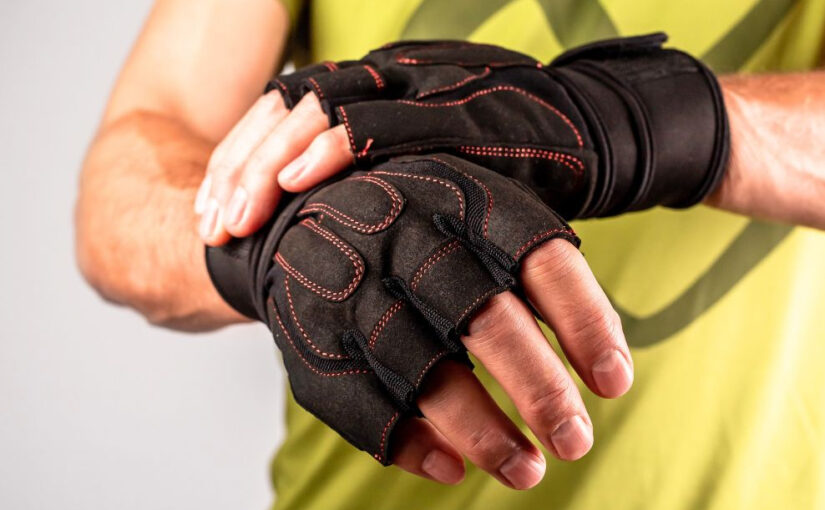
It goes without saying, lifting gloves are designed to protect your hands during weight training. They typically cover the palms and sometimes the fingers, offering cushioning, grip support, and, in some cases, wrist stabilization.

Pros of Wearing Lifting Gloves

1. Improved Grip

During heavy or high-rep workouts, sweaty hands can make it harder to hold onto weights. Lifting gloves provide extra grip, helping you maintain control and reduce the risk of dropping weights.

2. Hand Protection

Frequent lifting can lead to calluses, blisters, and skin tears. Gloves create a barrier between your hands and the equipment, protecting your skin from friction and pressure.

3. Wrist Support

Some lifting gloves come with built-in wrist wraps, offering additional support during pressing exercises. This can reduce wrist strain and help prevent overuse injuries.

4. Comfort and Confidence

Many beginners find that lifting gloves add comfort and help them feel more secure while training. This increase in confidence can lead to better form and consistency.

Cons of Wearing Lifting Gloves

1. Limits Grip Strength Development

One of the main arguments against lifting gloves is that they may reduce the development of natural grip strength. Training barehanded forces your hands and forearms to work harder, which can benefit overall strength gains.

2. Hygiene and Maintenance

Gloves can absorb sweat and may begin to smell or harbor bacteria if not cleaned regularly. This makes them less hygienic than chalk or lifting straps.

3. Interference With Bar Feel

For more advanced lifters, gloves can alter the tactile feel of the bar, particularly in compound movements such as deadlifts, cleans, or snatches. This can impact technique and precision.

Who Should Use Lifting Gloves?

Lifting gloves can be especially helpful for:

  • Beginners who want added comfort and protection
  • People prone to hand injuries or sensitive skin
  • Recreational lifters training for general fitness
  • Those doing high-rep workouts where grip fatigue becomes an issue

They may not be the best choice for:

  • Powerlifters or Olympic lifters who rely on direct bar contact
  • Athletes focused on building maximum grip strength
  • Experienced lifters comfortable with calluses and tough skin

Alternatives to Lifting Gloves

If you decide lifting gloves aren’t right for you, here are a few alternatives:

  • Lifting straps: Help reduce grip fatigue on heavy pulls like deadlifts or rows
  • Chalk: Enhances grip by reducing sweat without obstructing bar feel
  • Grip pads: Offer palm protection without covering the entire hand

Lifting Gloves vs. Alternatives: Quick Comparison

FeatureLifting GlovesLifting StrapsChalkBare Hands
Grip SupportGoodExcellent (for pulling lifts)GoodModerate (varies by hand strength)
Hand ProtectionHighModerateLowNone
Wrist SupportAvailable (in some models)Usually not includedNoNo
Improves Grip StrengthNo (may hinder long-term gains)No (replaces grip effort)YesYes
HygieneNeeds regular cleaningEasy to cleanClean, but messyBest (no gear needed)
Best ForBeginners, general trainingHeavy lifts, back/pulling daysAll levels, especially heavy liftsExperienced lifters, grip focus

Conclusion: Are Lifting Gloves Worth It?

In many cases, yes — lifting gloves are worth it, especially for beginners, casual lifters, or those who want more comfort and hand protection. They can help improve grip, reduce the risk of injury, and make training more enjoyable.

However, for lifters focused on building grip strength or those competing in strength sports, gloves may not be ideal. The best choice depends on your goals, experience level, and personal preferences.


Frequently Asked Questions (FAQ)

Are Lifting Gloves Good for Beginners?

Yes, lifting gloves are great for beginners. They provide comfort, help improve grip, and protect the hands from calluses and blisters as new lifters build technique and confidence.

Do Lifting Gloves Prevent Calluses?

Lifting gloves significantly reduce friction between your hands and the weights, which can help prevent calluses and skin irritation over time.

Can Lifting Gloves Weaken Your Grip Strength?

Over time, relying too much on gloves may hinder grip strength development because they reduce the need for your hands and forearms to work as hard during lifts.

Should I Wear Lifting Gloves for Deadlifts?

It depends. Some lifters prefer gloves for comfort, but serious strength athletes often skip them to maintain a better grip and bar feel during deadlifts.

What’s Better: Lifting Gloves or Straps?

Gloves offer general protection and comfort, while lifting straps are better for enhancing grip on heavy pulling movements. Many lifters use both for different purposes.