
Understanding the difference between body fat vs muscle mass is crucial for anyone looking to improve their health, fitness, and overall body composition. While both play vital roles in your body, they impact your metabolism, strength, and appearance in very different ways. Knowing how to balance them can help you achieve sustainable fitness results.
What Is Body Fat?
Body fat refers to the stored energy your body keeps for fuel. It’s crucial for hormone production, cell function, and temperature regulation. However, too much body fat—especially visceral fat around the organs—can increase the risk of chronic diseases like diabetes, heart disease, and hypertension.
There are two primary categories of body fat:
- Essential fat: Necessary for survival and bodily functions.
- Storage fat: The extra fat that accumulates when you consume more calories than you burn.
Keeping a healthy amount of body fat contributes to both physical and metabolic well-being.
What Is Muscle Mass?
Muscle mass refers to the quantity of muscle tissue present in your body, encompassing skeletal, smooth, and cardiac muscles. Developing and sustaining muscle mass enhances both strength and endurance while also increasing your metabolism—allowing you to burn more calories even when resting.
Muscle tissue is active in terms of metabolism, which means it consumes energy even when you’re not working out. This is one of the biggest differences when comparing body fat vs muscle mass—muscle helps you stay leaner and more energetic, while excess fat can slow down your metabolism over time.
How to Improve Your Body Composition
If your goal is to reduce body fat and increase muscle mass, focus on three key factors:
- Strength Training: Lift weights or perform bodyweight exercises at least 3–4 times per week to stimulate muscle growth.
- Nutrition: Eat enough protein, whole grains, healthy fats, and vegetables. Steer clear of extreme diets, as they may result in losing muscle rather than fat.
- Cardio & Recovery: Incorporate moderate cardio and prioritize rest days to support muscle recovery and hormonal balance.
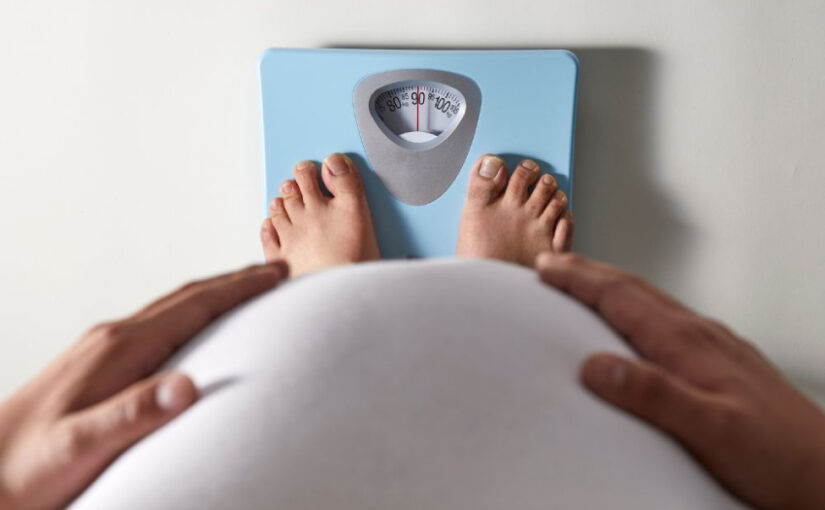
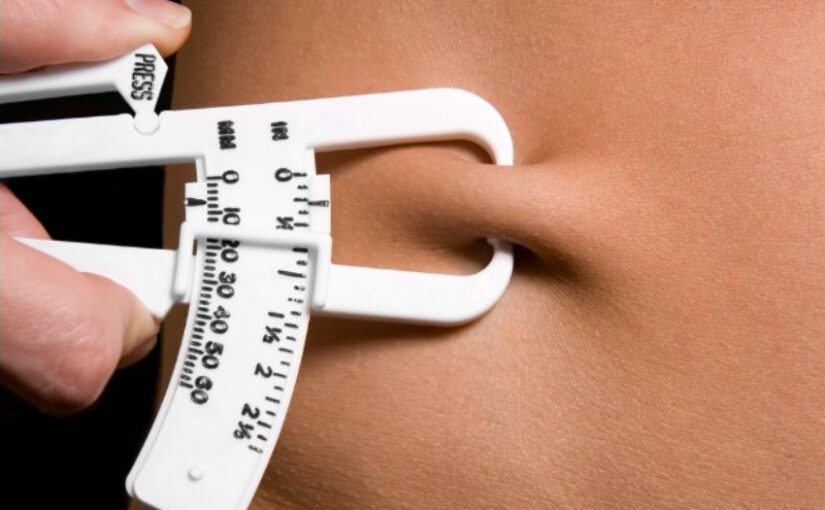
Tracking progress with methods like body composition scans, rather than just weight, gives you a clearer picture of changes in body fat vs muscle mass over time.
Why Balance Matters
Having low body fat but also low muscle mass isn’t ideal—you might look thin but lack strength or stamina. Conversely, having strong muscles with too much body fat can hide your results and stress your cardiovascular system. The key is finding the right balance that supports your goals, health, and lifestyle.
Comparing Body Fat vs Muscle Mass: Key Differences
| Feature | Body Fat | Muscle Mass |
|---|---|---|
| Definition | Stored energy in the body for fuel and insulation | Muscle tissue responsible for movement, strength, and metabolism |
| Function | Supports hormone production, organ protection, and temperature regulation | Burns calories, increases strength, and improves endurance |
| Metabolic Impact | Low metabolic activity; excess can slow metabolism | High metabolic activity; helps burn calories even at rest |
| Health Implications | Too much increases risk of heart disease, diabetes, and obesity | Supports joint health, cardiovascular fitness, and overall strength |
| Appearance | Excess can make body look softer or bulkier | Adds shape and tone, giving a leaner, fitter appearance |
| How to Improve | Focus on balanced diet and cardio | Focus on strength training, protein intake, and recovery |
Conclusion
When it comes to body fat vs muscle mass, the goal isn’t to eliminate one and maximize the other—it’s to find harmony between them. Building muscle while managing body fat leads to better health, more energy, and a stronger, leaner physique. By understanding the relationship between these two, you can develop a fitness regimen that fosters enduring success and enhances overall health.
Frequently Asked Questions (FAQ)
For most adults, a healthy body fat range is about 10–20% for men and 18–28% for women. Maintaining this range supports hormonal balance, heart health, and overall energy levels.
Consistent strength training, progressive overload, and adequate protein intake are key. Bodyweight exercises like push-ups and squats can work at home, while weightlifting in the gym allows for targeted muscle growth.
Yes. Resistance training boosts muscle growth, which subsequently enhances your metabolic rate. This helps your body burn more calories at rest and supports sustainable weight control.
Nutrition provides the building blocks for muscle repair and energy for workouts. Taking in enough protein, healthy fats, and complex carbohydrates, while steering clear of processed foods, supports the maintenance of a healthy balance between lean tissue and stored energy.
Using methods like body measurements, progress photos, and body composition scans provides a clearer picture of changes in muscle and fat. These methods are often more accurate than relying solely on weight.