Why Stretching Is Important: Boost Performance & Recovery

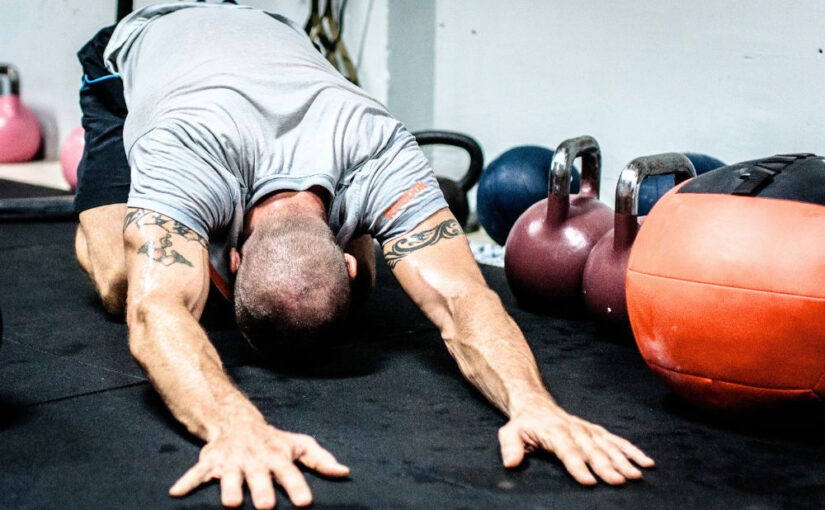
On the issue of health, fitness, and overall well-being, many people still underestimate why stretching is important. Regardless of whether you’re a competitive athlete, an occasional participant, or just someone looking to maintain an active lifestyle, stretching is essential for improving performance, avoiding injuries, and promoting long-term flexibility. Understanding the real benefits can help you build a routine that keeps your body strong, flexible, and pain-free.

What Makes It Essential for Performance?

1. Improves Flexibility and Range of Motion

One of the primary reasons why stretching is important is its ability to increase flexibility. Better flexibility means your muscles and joints can move smoothly through full ranges of motion, improving coordination and athletic performance. Flexible muscles also minimize the risk of strains during exercise.

2. Enhances Muscle Efficiency

Stretching helps in alleviating muscle tightness and tension, enabling your body to execute movements more effectively. When muscles are warm and pliable, they require less effort, helping you conserve energy during workouts.

3. Supports Better Posture

Sedentary habits—like sitting at a desk—tighten certain muscles and weaken others. Regular stretching helps correct these imbalances, supporting proper alignment and reducing back, neck, and shoulder pain.

Why It’s Important for Recovery

1. Helps Reduce Muscle Soreness

Delayed onset muscle soreness (DOMS) can impact your next workout. Light stretching following a workout promotes increased blood circulation, providing oxygen and nutrients that accelerate recovery.

2. Prevents Injuries

A significant part of why stretching is important is its role in injury prevention. Since flexible muscles are less prone to tearing or straining when under stress, incorporating stretching into a fitness routine is essential and can even be enjoyable.

3. Boosts Circulation

Stretching increases circulation to your muscles, helping flush out metabolic waste that builds up during exercise. This not only aids recovery but also promotes overall muscle health.

Types of Stretching That Boost Performance & Recovery

Dynamic

Best before workouts, dynamic stretching involves controlled movements that warm up the body. Examples include leg swings, arm circles, and walking lunges.

Static

Static stretches—such as touching your toes or holding a quad stretch—are ideal for post-workout recovery. Holding these stretches for 20–30 seconds helps improve flexibility and cool down the body.

PNF

Proprioceptive Neuromuscular Facilitation (PNF) uses muscle contractions and relaxations to increase flexibility quickly. It’s highly effective but best practiced with guidance.

Key Benefits for Performance & Recovery

BenefitHow It HelpsBest Time to Use It
Improved FlexibilityEnhances range of motion and reduces stiffnessBefore & after workouts
Injury PreventionReduces risk of muscle tears and strainsBefore workouts
Better PostureCorrects muscle imbalances from sitting or repetitive movementDaily
Faster RecoveryIncreases blood flow and reduces sorenessAfter workouts
Increased Muscle EfficiencyHelps muscles work more smoothly and effectivelyBefore workouts

Conclusion

No matter your age or fitness level, understanding why stretching is important can transform your health and performance. Stretching enhances flexibility, improves posture, boosts recovery, and reduces the risk of injury—all essential for staying active and feeling your best. By making stretching a consistent part of your routine, you set the foundation for a healthier, more mobile, and more resilient body.


Frequently Asked Questions (FAQ)

Does Stretching Really Improve Flexibility?

Yes. Regular stretching helps lengthen tight muscles and improve joint mobility over time. Consistency is key—just a few minutes a day can lead to noticeable gains in flexibility.

How Long Should I Stretch Before a Workout?

Dynamic warm-up stretches typically last 5–10 minutes. These movements prepare your muscles for activity by increasing blood flow and gradually raising your heart rate.

Can Stretching Help Reduce Muscle Soreness?

Gentle stretching after exercise can help ease muscle tightness and improve circulation, potentially reducing the intensity of post-workout soreness.

What’s the Difference Between Static and Dynamic Stretching?

Static stretches should be maintained for 20 to 30 seconds and are most effective when done after exercising. Dynamic stretches involve controlled movement and are ideal for warming up before exercise.

Is It Okay to Stretch Every Day?

Absolutely. Daily flexibility training is safe for most people and can improve mobility, reduce stiffness, and support overall functional movement.
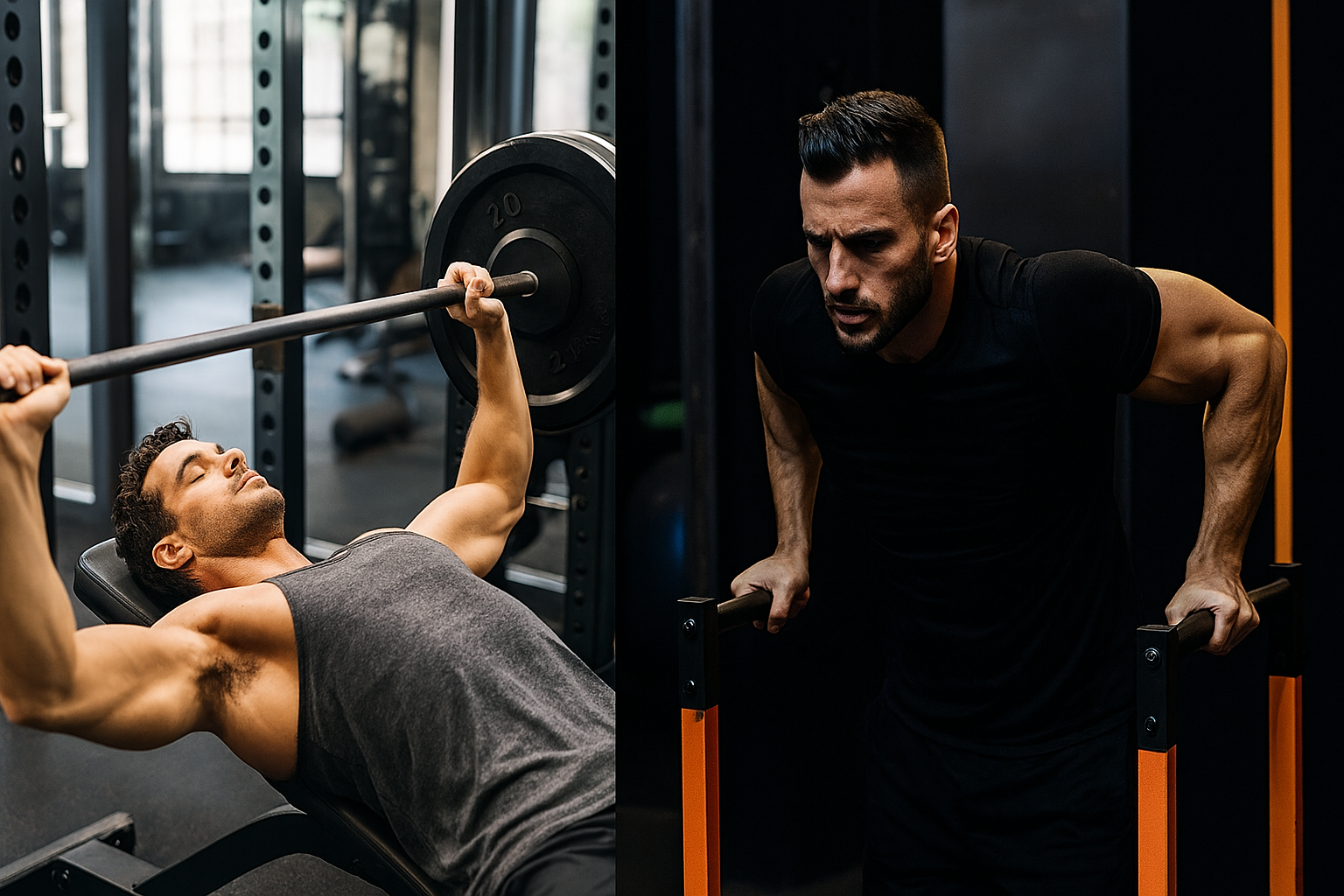

Best Muscle Groups to Work Together for Growth

When aiming to enhance muscle development, understanding the best muscle groups to work together is crucial. Pairing the right muscles in your workouts can enhance strength, improve recovery, and create a more efficient training routine. Many gym-goers make the mistake of training muscles in isolation without considering how synergistic muscle groups can amplify overall growth. In this article, we’ll explore the most effective combinations for building size and strength.

Why Pairing Muscle Groups Matters

Working out complementary muscles together allows for more efficient workouts. For instance, pairing a primary muscle with its supporting muscles ensures that both are fatigued and stimulated in a balanced manner. This method not only optimizes hypertrophy but also helps prevent overtraining or neglecting smaller stabilizing muscles. Knowing the best muscle groups to work together can help you structure your weekly routine for consistent progress.

Top Muscle Group Pairings for Growth

1. Chest and Triceps

The chest and triceps are a classic pairing because most pressing movements, like bench presses and push-ups, engage both muscles. By working them together, you ensure maximum stimulation of the pushing muscles, leading to better growth for both.

2. Back and Biceps

Back exercises such as rows and pull-ups naturally involve the biceps as secondary muscles. Training these together allows you to fatigue both effectively while reducing the risk of overtraining other muscle groups during the week.

3. Quadriceps and Hamstrings

Leg training is more effective when you address both the front and back of the thighs. Pairing quadriceps with hamstrings ensures balanced development, which is vital for both aesthetics and injury prevention.

4. Shoulders and Traps

The shoulders and traps work in tandem for overhead and pulling movements. Combining them in one session targets upper body strength and contributes to a more defined, muscular look.

5. Glutes and Hamstrings

For posterior chain strength and growth, the glutes and hamstrings make an ideal combination. Exercises like Romanian deadlifts and hip thrusts target both, promoting muscle symmetry and power.

Tips for Structuring Your Workouts

  • Alternate push and pull days: This approach ensures the best muscle groups to work together get adequate recovery.
  • Use compound movements first: Compound exercises engage multiple muscles at once, maximizing growth.
  • Include isolation exercises at the end: Target smaller muscles like biceps or triceps to finish the workout and prevent fatigue from compromising form.

Best Muscle Group Pairings and Recommended Exercises

Muscle Group PairWhy They Work Well TogetherRecommended Exercises
Chest & TricepsMost pressing movements activate both the chest and triceps, allowing efficient fatigue of push muscles.Bench Press, Push-Ups, Chest Flyes, Triceps Dips, Triceps Pushdowns
Back & BicepsPulling exercises recruit the biceps as secondary movers, making them ideal to train together.Pull-Ups, Barbell Rows, Lat Pulldowns, Dumbbell Curls, Hammer Curls
Quadriceps & HamstringsTraining both ensures balanced leg development and reduces injury risk.Squats, Lunges, Leg Press, Romanian Deadlifts, Hamstring Curls
Shoulders & TrapsOverhead and pulling movements naturally involve both muscle groups.Overhead Press, Lateral Raises, Face Pulls, Shrugs
Glutes & HamstringsBoth muscles power posterior chain movements, promoting strength and symmetry.Hip Thrusts, Deadlifts, Glute Bridges, Good Mornings

Conclusion

Knowing the best muscle groups to work together is important for creating an efficient and effective exercise routine. Whether it’s chest and triceps, back and biceps, or glutes and hamstrings, pairing muscles intelligently can accelerate growth and improve strength. By incorporating these combinations into your weekly plan, you’ll achieve a balanced, muscular physique while avoiding overtraining and plateaus.


Frequently Asked Questions (FAQ)

What Muscle Groups Should Beginners Focus on First?

Beginners should start with major muscle groups like the chest, back, legs, and shoulders. Training larger muscles first helps build a strong foundation and improves overall strength, allowing for more targeted work later on.

Is It Better to Train Upper Body and Lower Body on Separate Days?

Yes, many lifters find success with upper/lower splits because they allow for efficient training sessions while providing each muscle group with adequate recovery time. This structure also facilitates maintaining a balance between strength and size.

How Many Muscle Groups Should I Train Per Workout?

Most effective routines focus on 1–3 muscle groups per workout, depending on intensity and goals. Compound-focused days may involve more muscle activation, while isolation days typically target fewer areas.

Can Combining Muscle Groups Improve Workout Efficiency?

Absolutely. Pairing muscles that assist each other in common movements can reduce overall workout time while still allowing you to train effectively. This approach also helps avoid overworking the same areas multiple days in a row.

How Often Should Each Muscle Group Be Trained for Optimal Growth?

For most people, training each muscle group twice a week yields the best strength and hypertrophy results. This frequency strikes a balance between sufficient stimulus and adequate recovery, promoting long-term progress.

Bro Skipped Leg Day? Why Leg Workouts Matter

We’ve all seen it at the gym: the guy crushing chest and arms while his legs barely see the squat rack. The classic scenario—bro skipped leg day. While it might feel satisfying to focus on biceps and pecs, ignoring leg workouts can seriously limit your strength, balance, and overall fitness. Leg day isn’t optional; it’s essential for building a well-rounded, powerful body.

The Importance of Leg Workouts

Legs are the foundation of your body. When a bro skipped leg day, it’s not just a missed opportunity for aesthetics—it’s a missed chance for functional strength. Squats, lunges, and deadlifts don’t just build muscular legs; they enhance core stability, improve posture, and boost athletic performance.

Powerful legs contribute to improved performance in virtually every activity, whether it’s running, jumping, or lifting heavier weights during different workouts. Skipping leg day can limit your potential gains and slow your overall progress.

Common Consequences of Skipping Leg Day

  1. Muscle Imbalances: Focusing solely on upper body muscles can lead to a disproportionate physique, often humorously referred to as “chicken legs.”
  2. Weaker Core and Lower Body Strength: Many upper body lifts rely on stable legs and a strong core. Ignoring leg workouts can compromise your overall strength.
  3. Reduced Metabolism: Leg muscles are among the largest in the body. Training them burns a significant number of calories, which helps with fat loss and improves metabolic health.
  4. Increased Injury Risk: Weak legs and imbalanced muscles raise the likelihood of injury in daily activities and workouts.

How to Make Leg Day Enjoyable

Leg day doesn’t have to be dreaded. Incorporate a variety of exercises that focus on the quadriceps, hamstrings, gluteals, and calves. Examples:

  • Squats (back, front, or goblet)
  • Deadlifts and Romanian deadlifts
  • Lunges, step-ups, and Bulgarian split squats
  • Leg press and hamstring curls
  • Calf raises

Focus on proper form and progressive overload. With the right approach, leg day can be just as satisfying as any other workout.

Bro Skipped Leg Day? Fix It Now

If you’ve been guilty of skipping leg day, it’s never too late to start. Consistent leg workouts promote balanced muscle development, enhance athletic performance, and maintain an active metabolism. Don’t let a “bro skipped leg day” moment define your progress—commit to training your legs and enjoy the benefits from head to toe.

Table: Why Leg Workouts Matter

ReasonImpact of Skipping Leg DayBenefit of Training Legs
Muscle BalanceUpper body dominates, “chicken legs” appearanceProportional, aesthetic physique
Strength & StabilityWeak core and lower body, affects other liftsStrong foundation for full-body strength
MetabolismLower calorie burn, slower fat lossBurns more calories, supports fat loss
Injury PreventionHigher risk of strains and joint issuesImproved joint support, reduced injury risk
Athletic PerformanceLimits running, jumping, and agilityEnhances performance in sports and daily life

Conclusion

So, the next time someone jokes that the bro skipped leg day, remember that ignoring leg workouts is more than just a gym faux pas—it’s a missed opportunity for strength, balance, and overall health. Embracing leg day is essential for balanced muscle development, boosting your metabolism, and reducing the risk of injury. Regular leg training not only transforms your physique but also enhances core stability and functional strength—let’s make it a priority! Embrace leg day as a vital part of your fitness routine, and watch your results grow from the ground up. Don’t let skipping leg day hold you back—your legs, and your body, will thank you.


Frequently Asked Questions (FAQ)

Why Are Leg Workouts Important for Overall Fitness?

Leg workouts target some of the largest muscles in the body, such as the quads, hamstrings, and glutes. Strengthening these muscles improves balance, stability, athletic performance, and overall functional strength, making everyday movements easier and more efficient.

What Are the Best Exercises to Build Leg Strength?

Effective exercises for leg strength include squats, lunges, deadlifts, Bulgarian split squats, leg presses, and calf raises. Combining compound and isolation movements ensures all major leg muscles are trained for optimal strength and development.

How Often Should I Train My Legs Each Week?

For most people, training legs 1–2 times per week is sufficient for strength and growth, provided exercises are performed with proper intensity and recovery time is respected. Novices might begin by training once a week, whereas more experienced lifters can raise their training frequency depending on their volume and recovery.

Can Skipping Leg Workouts Affect Upper Body Progress?

Yes. Many upper body lifts, like bench presses and overhead presses, rely on leg and core stability. Weak legs can limit the amount of weight you can safely lift, increasing the risk of injury and indirectly slowing overall strength development.

How Can I Make Leg Day More Effective and Enjoyable?

To make leg day more effective, mix compound lifts with isolation exercises, vary your rep ranges, and focus on proper form. Adding challenges like weighted lunges or high-intensity interval training can also make leg workouts more engaging and rewarding.

Slow Twitch Muscle Fibers: What They Are & Why They Matter

When it comes to understanding human performance, slow twitch muscle fibers play a critical role that is often overlooked. Whether you’re a runner, cyclist, or just someone looking to improve endurance, knowing how these fibers function can help you train smarter, prevent injury, and maximize long-term stamina. In this article, we’ll break down what slow twitch muscle fibers are, their unique characteristics, and why they matter for your fitness journey.

What Are Type I Fibers?

Slow twitch muscle fibers, also known as Type I fibers, are specialized muscle cells designed for endurance rather than explosive power. Unlike fast twitch fibers, which contract quickly and tire out rapidly, slow twitch fibers contract more slowly but can sustain activity for long periods. This makes them ideal for activities like long-distance running, swimming, cycling, and other endurance sports.

Key characteristics of slow twitch muscle fibers include:

  • High mitochondrial density: This allows them to produce energy efficiently over time.
  • Rich blood supply: Ensures a steady delivery of oxygen for prolonged activity.
  • Fatigue resistance: They can perform repetitive movements without tiring quickly.

Due to these features, slow twitch muscle fibers are essential for anyone who wants to excel in endurance-based activities.

How They Impact Performance

The proportion of slow twitch muscle fibers you have can influence your athletic potential and how your body responds to different types of training. Individuals who have a greater proportion of slow twitch muscle fibers tend to perform better in endurance activities but might find it challenging to deliver short, powerful bursts of strength.

Training can also influence fiber efficiency:

  • Endurance training: Running, cycling, or swimming increases the endurance capacity of slow twitch fibers, improving stamina.
  • Strength training: While less effective at changing fiber type, resistance training can enhance the overall performance of slow twitch fibers by improving muscular endurance.

Understanding your muscle fiber composition allows you to tailor workouts that align with your strengths and goals.

Why They Matter

Slow twitch muscle fibers are more than just an athletic advantage—they’re essential for overall health and longevity. Because these fibers are resistant to fatigue and efficient at using oxygen, they contribute to better cardiovascular health and improved metabolism. Moreover, regularly engaging type I fibers can help reduce the risk of injury, as they provide stability and endurance for daily movements.

In short, type I fibers matter not only for athletes but also for anyone seeking long-term fitness and functional strength.

Table: Key Differences Between Slow Twitch and Fast Twitch

FeatureSlow Twitch Muscle Fibers (Type I)Fast Twitch Muscle Fibers (Type II)
Contraction SpeedSlowFast
Fatigue ResistanceHighLow
Primary Energy SystemAerobic (uses oxygen)Anaerobic (less oxygen-dependent)
Best forEndurance activities (running, cycling, swimming)Explosive movements (sprinting, weightlifting, jumping)
Mitochondrial DensityHighLow
Blood SupplyRichModerate
Ideal Training FocusLong-duration, low-intensityShort-duration, high-intensity

Conclusion

Understanding slow twitch muscle fibers is essential for optimizing endurance, preventing injury, and designing effective training programs. These fibers are built for stamina, not speed, and play a crucial role in how your body performs over time. By incorporating endurance-focused exercises into your routine, you can optimize the potential of your type I fibers and reap lasting benefits for both athletic performance and overall health.


Frequently Asked Questions (FAQ)

What Type of Exercise Improves Endurance the Most?

Aerobic activities, such as running, swimming, cycling, and rowing, are excellent for building endurance. These exercises engage muscles over longer periods, improve oxygen utilization, and enhance cardiovascular health.

Why Do Some People Tire Faster Than Others During Workouts?

Fatigue levels during exercise are influenced by muscle composition, cardiovascular fitness, nutrition, and recovery habits. Individuals with a higher proportion of endurance-oriented fibers naturally sustain activity longer without fatigue.

How Can I Increase My Stamina Over Time?

Gradually increasing workout duration and intensity while including regular aerobic training helps build stamina. Staying consistent, maintaining a balanced diet, and ensuring sufficient rest are essential elements for achieving lasting progress.

Are Endurance Exercises Better Than Strength Training?

Both types of exercise offer unique benefits. Endurance training improves cardiovascular health and stamina, while strength training enhances muscle mass, power, and overall metabolism. A balanced routine combining both is ideal.

How Does the Body Use Oxygen During Prolonged Activity?

During sustained exercise, muscles rely on oxygen to produce energy efficiently. This process, known as aerobic metabolism, converts nutrients such as fats and carbohydrates into usable energy, thereby delaying fatigue.

Fast Twitch Muscle Fibers: What They Are & Why They Matter

Understanding what are fast twitch muscle fibers can help athletes, fitness enthusiasts, and beginners make smarter training decisions. These specialized muscle fibers are responsible for explosive movements, rapid speed, and high power output—qualities essential for peak athletic performance. Whether you’re aiming to sprint faster, lift heavier, or jump higher, knowing how fast twitch fibers work can significantly improve your training results.

What Are Fast Twitch Muscle Fibers?

Fast twitch muscle fibers—also called Type II fibers—are muscle cells designed for quick, forceful contractions. Unlike slow twitch fibers that support endurance, fast twitch fibers rely on anaerobic energy pathways, allowing them to fire rapidly but tire sooner. When people ask what are fast twitch muscle fibers, the simplest answer is that they are the fibers responsible for power, speed, and high-intensity movements.

There are two main subtypes:

Type IIa — Fast Oxidative Fibers

  • Combine speed with moderate endurance
  • Commonly activated during activities such as middle-distance running, fast-paced cycling, and repeated powerful movements

Type IIb/IIx — Fast Glycolytic Fibers

  • The fastest and most powerful muscle fibers
  • Recruited during intense, short-duration bursts like sprinting, heavy lifting, and vertical jumping

Why Fast Twitch Muscle Fibers Matter

Fast twitch muscle fibers are essential for achieving peak performance in activities requiring explosive power. Understanding what are fast twitch muscle fibers helps you tailor your workouts more effectively and leverage your natural strengths.

Explosive Power

These fibers are responsible for powerful, short-duration efforts used in sports like basketball, football, track sprints, and weightlifting.

Increased Speed

Fast twitch fibers contract rapidly, enabling faster acceleration and higher maximum running speeds.

Greater Strength Potential

Individuals with a higher percentage of fast twitch fibers typically excel in power-based sports and heavy lifting.

Muscle Growth and Definition

Fast twitch fibers have a high potential for hypertrophy, meaning well-designed training can lead to notable muscle growth.

How to Train Fast-Contracting Fibers

To maximize fast twitch fiber development, training should focus on explosiveness, intensity, and short-duration power output.

Sprint Training

Short, maximal-effort sprints are one of the best ways to activate Type II fibers and improve power.

Olympic and Power Lifting

Movements such as cleans, snatches, and deadlifts develop strength and speed through fast twitch fiber recruitment.

Plyometrics

Exercises like box jumps, jump squats, and bounding directly target explosive movement patterns.

Interval and HIIT Training

High-intensity intervals stimulate the anaerobic pathways fast twitch fibers rely on.

Heavy Resistance Training

Lifting heavy loads—typically 75–90% of your one-rep max—recruits fast twitch fibers for strength and growth.

Who Benefits Most from Type II Muscle Fiber Training?

While everyone can benefit from training these fibers, certain athletes rely heavily on fast twitch capabilities:

  • Sprinters
  • Powerlifters
  • Football players
  • Basketball players
  • Martial artists
  • High jumpers
  • CrossFit athletes

Understanding what are fast twitch muscle fibers helps these individuals tailor their training for optimal performance in their respective sports.

Comparison Table: Fast Twitch vs Slow Twitch

FeatureFast Twitch Muscle FibersSlow Twitch Muscle Fibers
Primary FunctionPower, speed, explosive movementEndurance, sustained activity
Energy System UsedAnaerobicAerobic
Contraction SpeedVery fastSlow
Fatigue RateHigh (fatigue quickly)Low (fatigue slowly)
Best ForSprinting, powerlifting, jumping, HIITLong-distance running, cycling, swimming
Hypertrophy PotentialHighModerate
ColorPale/whiteRed
Oxygen SupplyLowerHigher (more mitochondria & capillaries)

Conclusion

Knowing what are fast twitch muscle fibers provides a clear advantage when designing your fitness or athletic training programs. These fibers are key for speed, power, and explosive strength—attributes that enhance both sports performance and everyday physical capability. By incorporating sprints, heavy lifting, plyometrics, and HIIT into your routine, you can develop stronger, more responsive fast twitch fibers. If your goals include moving faster, jumping higher, or building more powerful muscle, focusing on fast twitch muscle fiber training is essential.


Frequently Asked Questions (FAQ)

What is the Difference Between Fast and Slow Twitch Muscle Fibers?

Fast twitch fibers are designed for quick, powerful movements and fatigue more quickly, while slow twitch fibers support endurance-based activities and can sustain contractions for longer periods.

Can You Increase the Number of Fast Twitch Muscle Fibers You Have?

You cannot increase the total number, but you can enhance the size, efficiency, and performance of the fast twitch fibers you already have through targeted training like sprints, plyometrics, and heavy lifting.

Which Exercises Best Activate Explosive Muscle Fibers?

Short, maximum-intensity movements such as sprinting, box jumps, Olympic lifts, and heavy compound lifts are highly effective for activating explosive muscle fibers.

Do Genetics Influence Muscle Fiber Composition?

Yes. Genetics significantly influence the proportion of each muscle fiber type that you are naturally predisposed to have. However, training can shift the characteristics of fibers and improve power or endurance regardless of genetics.

How Can You Tell if You Have More Fast Twitch or Slow Twitch Fibers?

Clues include your natural athletic strengths—if you excel at sprinting or power-based activities, you may have more fast twitch fibers. More precise assessments can be done through performance testing or, in rare cases, a muscle biopsy.

Trust the Process: Why Consistency Wins in Fitness

One of the most crucial pieces of advice you’ll hear on achieving long-term fitness objectives is to trust the process. In a world enamored with rapid solutions, immediate outcomes, and fleeting fitness crazes, it’s common to feel disheartened when progress appears to be sluggish. However, understanding that true fitness gains are built over time can transform not only your body but also your mindset.

Why Consistency Matters More Than Perfection

Consistency is at the heart of any successful fitness journey. While a single intense workout or a strict diet can produce temporary results, it’s the steady, repeated actions that create lasting change. Trust the process means committing to your routine—even when results aren’t immediately visible. Over weeks and months, consistent workouts, balanced nutrition, and adequate rest compound to produce transformative results.

The Science Behind Trusting the Process

Fitness improvements, whether it involves building muscle or enhancing cardiovascular health, occur gradually over time. Muscles grow after repeated stress followed by recovery, fat loss occurs with sustained caloric control, and endurance improves over consecutive training sessions. By embracing the principle of “trust the process,” you acknowledge that real progress takes time, and you resist the temptation to abandon your goals at the first sign of plateau or challenge.

How to Establish Consistency in Your Fitness Routine

  1. Set Realistic Goals: Start with small, achievable targets. This reduces burnout and builds confidence.
  2. Create a Schedule: Treat workouts like appointments. Consistency thrives when exercise is non-negotiable.
  3. Track Your Progress: Document workouts, nutrition, or body metrics. Seeing incremental improvements reinforces the value of trusting the process.
  4. Focus on Habits, Not Just Outcomes: Celebrate sticking to the routine itself. Long-term success is built on habits, not single results.

Overcoming Frustration on the Fitness Journey

Even with the best plan, it’s normal to experience slow periods or setbacks. Remember, setbacks don’t negate progress—they’re part of the journey. By choosing to trust the process, you shift your focus from immediate gratification to long-term health and fitness. This mindset keeps motivation high, even when results are not instantly visible.

Table: Key Steps to Consistency in Fitness

StepActionWhy It Matters
1Set Realistic GoalsSmall, achievable targets prevent burnout and build confidence.
2Create a ScheduleTreating workouts as non-negotiable appointments ensures consistency.
3Track Your ProgressMonitoring improvements reinforces motivation and commitment.
4Focus on HabitsPrioritizing routine over immediate results leads to long-term success.
5Embrace PatienceUnderstanding that progress takes time helps you trust the process.

Conclusion: Trust the Process for Lifelong Fitness Success

Ultimately, fitness is a marathon, not a sprint. By committing to consistent effort and embracing the philosophy of trust the process, you set yourself up for sustainable results. Patience, persistence, and dedication will always outperform shortcuts and fads. Regardless of whether you aim for muscle growth, weight loss, or general health, having faith in the journey guarantees that each action you take contributes to enduring achievement.


Frequently Asked Questions (FAQ)

How Long Does It Take to See Results From a Fitness Routine?

The results vary depending on your starting point, goals, and consistency. Generally, noticeable changes in strength and endurance can appear within 4–6 weeks, while visible body composition changes may take 8–12 weeks of consistent effort.

What is the Best Way to Stay Motivated During Workouts?

Setting clear goals, tracking progress, celebrating small milestones, and varying your routine can help maintain motivation. Finding a workout partner or enrolling in a class can also make exercise more enjoyable.

How Often Should I Exercise to Improve Overall Fitness?

For general health, most experts recommend 150 minutes of moderate-intensity cardio or 75 minutes of vigorous activity per week, along with 2–3 strength training sessions targeting major muscle groups.

Can Small Workouts Be Effective if I Don’t Have Much Time?

Yes. Even short sessions, like 15–20 minutes of high-intensity interval training (HIIT) or bodyweight exercises, can improve cardiovascular health, strength, and metabolism when performed consistently.

How Essential is Rest and Recovery in a Fitness Regimen?

Rest and recovery are essential for muscle recuperation, injury prevention, and overall performance. Incorporating rest days, proper sleep, and stretching or mobility work helps maximize the benefits of your workouts.

Active Recovery: What It Is and Why It Matters

In the pursuit of enhancing strength, endurance, and general fitness, many individuals tend to emphasize rigorous exercise routines. But what happens between those sessions is just as important. That’s where active recovery comes in. If you’ve ever wondered what is active recovery and why so many athletes swear by it, this post will assist you in understanding how it works, why it matters, and how to use it to boost your performance and prevent injury.

What Is It?

So, what is active recovery exactly? In simple terms, active recovery refers to performing low-intensity movement after strenuous exercise. Instead of complete rest—like lounging on the couch—active recovery involves gentle activities that keep your body moving without adding extra stress.

Common examples include:

  • Light jogging or walking
  • Gentle yoga or stretching
  • Swimming at an easy pace
  • Cycling at low resistance

These movements improve blood flow, help clear out lactic acid, and reduce muscle stiffness, allowing your body to repair and rebuild more efficiently.

Why It Matters

Many fitness enthusiasts underestimate the power of recovery, thinking more effort always equals better results. However, the body grows stronger after exercise, during the recovery phase. Here’s why active recovery is essential:

1. Reduces Muscle Soreness

Light activity after intense workouts can help reduce delayed-onset muscle soreness (DOMS) by promoting circulation and nutrient delivery to the muscles.

2. Improves Mobility and Flexibility

Gentle movement helps keep joints mobile and in their full range of motion, which improves efficiency and lowers the risk of injury.

3. Boosts Recovery Without Hindering Progress

Unlike complete rest, active recovery keeps your metabolism elevated and your muscles engaged, supporting progress while allowing for necessary healing.

4. Supports Mental Well-being

Active recovery can also provide a mental break from high-intensity training, helping to reduce stress and promote a balanced mindset.

How to Incorporate It into Your Routine

Understanding what is active recovery is only part of the equation — implementing it correctly is key. Try scheduling one or two active recovery days each week, ideally following your most intense workouts.

Here are some ideas:

  • Yoga or mobility sessions to improve flexibility
  • Swimming or cycling at a relaxed tempo to loosen tight muscles
  • A brisk walk to promote circulation and mental clarity

Keep your intensity low — about 50–60% of your maximum effort — and focus on movement that feels restorative, not strenuous.

Table: Examples of Active Recovery Exercises and Their Benefits

Active Recovery ActivityIntensity LevelPrimary BenefitsBest Used After
Light Jogging or WalkingLowImproves circulation, reduces stiffnessCardio or strength sessions
Gentle Yoga or StretchingLowEnhances flexibility, promotes relaxationWeightlifting or high-intensity workouts
Swimming at Easy PaceLow to ModerateFull-body recovery, reduces muscle tensionEndurance training days
Low-Resistance CyclingLowBoosts blood flow, maintains enduranceLeg or lower-body workouts
Foam Rolling or Mobility WorkLowRelieves tight muscles, aids tissue repairAny intense workout

The Bottom Line

Now that you know what is active recovery and how it benefits both body and mind, you can see why it’s a crucial part of any balanced fitness routine. Active recovery aids in minimizing soreness, improving performance, and maintaining your energy levels — all while allowing your body the opportunity to repair and strengthen.

Incorporating active recovery regularly into your training regimen will help ensure lasting success and sustainability in your fitness journey.


Frequently Asked Questions (FAQ)

Why is Recovery Important After Exercise?

Rest enables muscles to mend and become stronger following exercise. It also helps prevent overtraining, reduces soreness, and supports long-term performance improvement.

What Should You Do on Rest Days to Stay Productive?

Gentle movements, such as stretching, yoga, or walking, can help maintain mobility and circulation without adding strain. It keeps the body engaged while still allowing it to heal.

How Can Light Exercise Speed Up Muscle Repair?

Low-intensity movement increases blood flow, delivering oxygen and nutrients to tired muscles. This process helps eliminate waste materials and promotes quicker healing.

What Are Signs That Your Body Needs More Recovery Time?

Persistent fatigue, poor sleep, muscle soreness lasting several days, or declining performance are signs you may need additional rest or lighter activity days.

How Often Should You Schedule Recovery Days Each Week?

Most fitness programs include one to two recovery days per week. The ideal frequency depends on your workout intensity, fitness level, and personal goals.

How to Stay Motivated to Workout: 5 Strategies That Work

Remaining consistent with your fitness routine can be tough—especially when life gets busy, energy dips, or results seem slow. If you’ve ever wondered how to stay motivated to workout, you’re not alone. The key to long-term success isn’t just discipline—it’s building habits and mindsets that make exercise a natural, rewarding part of your lifestyle. Here are five proven strategies to help you stay on track and inspired.

1. Set Clear, Realistic Goals

One of the major factors that can diminish motivation is establishing goals that are either unclear or unattainable. Instead of saying, “I want to get fit,” define what that means for you. Maybe it’s running a 5K in three months or doing ten push-ups without stopping. Having a clear target gives your workouts purpose and measurable progress, keeping you focused on how to stay motivated to workout every day.

2. Create a Consistent Routine

Consistency is key. Schedule your workouts just like you would a meeting or appointment. Whether you prefer morning runs or evening gym sessions, pick a time that fits your schedule and stick to it. Over time, your brain begins to associate that time with movement and energy—making it easier to show up, even on low-motivation days.

3. Find What You Enjoy

If you dread your workouts, motivation will always be a struggle. Experiment with different forms of exercise until you find something you genuinely enjoy—dancing, yoga, weightlifting, hiking, or even group fitness classes. When you have fun, you’ll look forward to each session, which is one of the most effective ways to master how to stay motivated to workout long-term.

4. Track Your Progress

Progress fuels motivation. Use a fitness tracker, journal, or app to record your workouts, milestones, and achievements. Even small wins—like adding five extra minutes to your run—deserve celebration. Seeing your improvement over time provides powerful reinforcement and keeps your drive alive.

5. Surround Yourself With Support

The setting around you significantly influences your drive. Find a workout buddy, join an online fitness group, or follow inspiring fitness influencers who share your goals. A strong support network keeps you accountable and encouraged, especially on tough days.

Quick Reference: 5 Strategies to Stay Motivated to Workout

StrategyDescriptionWhy It Works
1. Set Clear, Realistic GoalsDefine specific and achievable fitness targets that match your lifestyle.Clear goals give you direction and measurable progress to stay on track.
2. Create a Consistent RoutineSchedule workouts at the same time each day or week.Builds habit and reduces decision fatigue, making workouts automatic.
3. Find What You EnjoyChoose activities you genuinely like—yoga, swimming, cycling, dancing, etc.Enjoyment increases consistency and long-term motivation.
4. Track Your ProgressRecord your workouts, milestones, and achievements.Visible progress keeps you inspired and focused on improvement.
5. Surround Yourself With SupportJoin a community, find a workout buddy, or follow fitness influencers.Social support provides accountability and encouragement when motivation dips.

Conclusion: Building Lasting Motivation

Learning how to stay motivated to workout isn’t about perfection—it’s about progress. By setting clear goals, building consistent habits, finding enjoyment in movement, tracking your growth, and connecting with a supportive community, you can make fitness a sustainable part of your life. Remember, motivation comes and goes, but commitment creates results. Stay focused, stay positive, and most importantly—keep moving forward.


Frequently Asked Questions (FAQ)

What Are the Best Ways to Build a Consistent Exercise Habit?

Start small and focus on consistency rather than intensity. Schedule your workouts at the same time each day, prepare your gear in advance, and reward yourself for showing up. Over time, these small steps create lasting habits that make exercising feel natural.

How Can I Make Exercise More Enjoyable?

Choose activities that match your interests and personality. If you love music, try dance-based workouts. If you enjoy the outdoors, go hiking or cycling. Enjoyment is key to sticking with any fitness routine for the long term.

Why Do I Lose Motivation After a Few Weeks of Exercising?

It’s common to experience dips in motivation once the initial excitement fades. This often happens when goals are too vague, progress isn’t tracked, or workouts feel repetitive. Setting achievable goals and celebrating small wins can help keep you inspired.

How Does Tracking Progress Help With Fitness Goals?

Tracking your workouts, improvements, and milestones provides visible proof of your effort. Seeing how far you’ve come boosts confidence and helps you stay focused on the next goal. Fitness apps or journals are great tools for this purpose.

What Role Does Social Support Play in Staying Active?

Having friends, workout partners, or online communities keeps you accountable and motivated. When others encourage you or share their own progress, it reinforces your commitment and makes fitness feel more enjoyable and social.

Fat Burning Plateau? How to Break Through and Lose Fat

Hitting a fat burning plateau can be incredibly frustrating. You’ve been following your diet, sticking to your workouts, and tracking your progress—but suddenly, the scale stops moving, and your body seems to resist fat loss. Don’t worry, you’re not alone. Many people experience a fat burning plateau, but the good news is that it can be overcome with the right strategies.

What is a Fat Burning Plateau?

A fat burning plateau happens when your body adjusts to your existing diet and workout regimen. Initially, you may see rapid results, but over time, your metabolism adjusts, making it more challenging to lose fat. Plateaus can happen due to several factors, including:

  • Caloric adaptation – Your body gets used to a lower-calorie diet and burns fewer calories at rest.
  • Exercise adaptation – Repeating the same workouts causes your body to become more efficient, burning fewer calories.
  • Hormonal changes – Hormones like leptin, insulin, and cortisol can influence fat storage and energy expenditure.

Understanding why a plateau occurs is the first step in breaking through it and continuing your fat loss journey.

How to Break Through a Fat Burning Plateau

Breaking a fat burning plateau requires strategic changes to your diet, exercise, and lifestyle. Here are some proven methods:

1. Adjust Your Caloric Intake

Even if you’re eating healthy, your body may need fewer calories than before. Try:

  • Tracking your calories more precisely.
  • Slightly reducing caloric intake or cycling calories to keep your metabolism guessing.

2. Change Up Your Workouts

Repetition leads to adaptation. To push past a plateau:

  • Incorporate high-intensity interval training (HIIT).
  • Add strength training to build muscle, which increases your resting metabolic rate.
  • Vary your cardio routine by incorporating different activities or varying intensities.

3. Focus on Macros

Not all calories are created equal. Ensure you’re getting the right balance of:

  • Protein – Helps you feel full and encourages muscle growth.
  • Healthy fats – Crucial for hormone regulation.
  • Complex carbs – Provide energy for intense workouts.

4. Prioritize Recovery

Lack of sleep and high stress can stall fat loss. Optimize your recovery by:

  • Getting 7–9 hours of sleep per night.
  • Managing stress with meditation, yoga, or deep breathing.

5. Monitor Progress Strategically

Instead of relying solely on the scale:

  • Track body measurements.
  • Take progress photos.
  • Note strength and endurance improvements.

These methods can help you effectively reignite fat loss and break through your fat-burning plateau.

Table: Key Strategies to Break a Fat Burning Plateau

StrategyHow It HelpsExample Actions
Adjust Caloric IntakePrevents metabolic adaptationTrack calories, consider slight reduction or cycling
Change WorkoutsChallenges your body, increases calorie burnTry HIIT, add strength training, vary cardio
Focus on MacrosSupports muscle growth and hormone balancePrioritize protein, healthy fats, complex carbs
Prioritize RecoveryReduces stress and optimizes metabolismSleep 7–9 hours, practice meditation or yoga
Monitor Progress StrategicallyTracks true fat loss beyond the scaleTake measurements, photos, track strength gains

Final Thoughts

Experiencing a fat burning plateau is a common part of the fat loss journey, but it doesn’t have to stop you. By adjusting your diet, varying your workouts, prioritizing recovery, and monitoring progress strategically, you can overcome this hurdle and continue losing fat. Remember, persistence and smart adjustments are key to pushing past plateaus and achieving long-term results.


Frequently Asked Questions (FAQ)

Why Has My Weight Loss Stalled Despite Consistent Workouts?

Weight loss can plateau when your body adapts to your current routine. Factors like metabolic adjustment, repetitive workouts, or hormonal changes can slow progress. Tweaking your exercise intensity, incorporating strength training, or adjusting your nutrition can help restart fat loss.

How Can I Revitalize My Exercise Routine to See Results Again?

Changing your workout type, intensity, or frequency can prevent adaptation. High-intensity interval training (HIIT), new strength exercises, or alternating cardio styles can shock your body and boost calorie burn.

Does Diet Composition Affect Ongoing Weight Loss?

Absolutely. Focusing on balanced macronutrients—protein, healthy fats, and complex carbohydrates—can improve energy, muscle retention, and satiety. Small adjustments to portion sizes or meal timing may also help overcome slowdowns.

Can Sleep and Stress Impact My Fat Loss Progress?

Yes, poor sleep and high stress can disrupt hormones that control appetite and metabolic processes. Focusing on getting 7 to 9 hours of quality sleep and using stress management methods like meditation or yoga can aid in maintaining ongoing progress.

How Should I Track My Progress if the Scale Isn’t Changing?

Relying solely on weight can be misleading. Track measurements, take progress photos, and monitor strength or endurance improvements. These indicators often reveal changes that the scale doesn’t show.

Muscle Growth Plateau? How to Break Through It Fast

If your gains have stalled despite consistent workouts, you might be facing a muscle growth plateau. While this challenge can be tough, using effective strategies will help you regain momentum and achieve the results you desire with renewed enthusiasm! In this guide, we’ll explore why plateaus happen and how to break through them fast.

What is a Muscle Growth Plateau?

A muscle growth plateau occurs when your muscles stop responding to your current training routine. Essentially, your body has adapted to your workouts, and without new challenges, muscle growth slows or stops. Common signs include:

  • No noticeable size or strength gains for weeks
  • Workouts feeling easier even at previous weights
  • Stalled progress in specific lifts or muscle groups

Understanding the root cause is key to breaking through a plateau.

Common Causes of a Muscle Growth Plateau

  1. Repetitive Training – Doing the same exercises, sets, and reps repeatedly leads to adaptation.
  2. Insufficient Recovery – Muscles need time, sleep, and proper nutrition to grow.
  3. Nutritional Deficiencies – Low protein intake, inadequate calories, or poor nutrient timing can stall progress.
  4. Lack of Progressive Overload – Muscles require gradually increasing stress to continue growing.

How to Overcome a Plateau in Muscle Growth

Breaking a muscle growth plateau involves smart adjustments to training, recovery, and nutrition.

1. Switch Up Your Workout Routine

Introduce new exercises, change rep ranges, or alter the order of movements. Examples include:

  • Swap barbell presses for dumbbell presses
  • Use drop sets, supersets, or pyramid training
  • Focus on mind-muscle connection for targeted growth

2. Implement Progressive Overload

Gradually increase weight, reps, or intensity over time. Small, consistent changes help your muscles adapt and continue growing.

3. Prioritize Recovery and Rest

Muscles grow outside the gym, so ensure:

  • 7–9 hours of sleep per night
  • Rest days between intense workouts
  • Stress management through stretching, yoga, or meditation

4. Optimize Your Nutrition

Fuel your body with:

  • For every kilogram of body weight, you should consume between 1.6 and 2.2 grams of protein. body weight
  • Adequate complex carbohydrates and healthy fats
  • Supplements like creatine or BCAAs (optional)

5. Track Progress and Adjust Strategically

Keep a training and nutrition log. When growth stalls, adjust one variable at a time—like weight, reps, or calorie intake—to identify what works best.

Additional Tips for Long-Term Muscle Growth

  • Rotate workout plans every 6–8 weeks
  • Include compound movements like squats, deadlifts, and bench presses
  • Focus on form and technique over heavy weights
  • Stay consistent and patient—muscle growth takes time

Table: Quick Strategies to Break Through a Muscle Growth Plateau

StrategyHow It HelpsExample
Change Your Workout RoutinePrevents muscle adaptationSwap barbell bench press for dumbbell press; add supersets
Progressive OverloadGradually increases muscle stress for growthIncrease weight by 2–5% every 2–3 weeks
Prioritize RecoveryAllows muscles to repair and growGet 7–9 hours of sleep; take rest days between heavy sessions
Optimize NutritionProvides fuel and building blocks for muscleEat 1.6–2.2g protein/kg body weight; include complex carbs & healthy fats
Track Progress & AdjustIdentifies what works and what stalls growthLog workouts and calories; tweak one variable at a time

Conclusion

Hitting a muscle growth plateau is a normal part of any fitness journey, but it doesn’t mean your progress has to stop. By diversifying your workouts, increasing progressive overload, recovering properly, and optimizing nutrition, you can break through plateaus fast and continue building the muscle and strength you want. Remember: your body thrives on adaptation, so changing your approach is the key to continued growth.


Frequently Asked Questions (FAQ)

How Long Does It Take to See Results From Strength Training?

Most people notice improvements in strength within 4–6 weeks of consistent training, though visible muscle changes may take 8–12 weeks depending on genetics, diet, and workout intensity.

Should I Lift Heavier Weights or Do More Reps for Growth?

Both approaches can be effective. Heavier weights with fewer reps improve strength, while moderate weights with higher reps promote hypertrophy. Merging both approaches typically produces the most favorable outcomes.

How Important is Rest Between Workouts?

Rest is crucial for recovery and growth. Muscles need at least 48 hours between intense sessions targeting the same group, and adequate sleep enhances overall performance.

Can Nutrition Really Impact How Quickly I Build Muscle?

Absolutely. Adequate protein, healthy fats, and enough calories fuel muscle repair and growth. Timing meals around workouts can further improve recovery and results.

Do I Need Supplements to See Improvements?

Supplements can help, but they aren’t necessary. A nutritious diet that includes an adequate amount of protein, carbohydrates, and fats is generally sufficient. Products like creatine or protein powders can be convenient additions.