Blog

Chest Press Machine: What It is and How to Use It

If you’re looking to build upper body strength and sculpt your chest, the chest press machine is one of the best tools at your disposal. Found in nearly every gym, this machine is designed to target your pectoral muscles while also engaging your shoulders and triceps. Whether you’re a beginner or a seasoned lifter, understanding how to use the chest press machine properly is essential for safe and effective workouts.

What Is a Chest Press Machine?

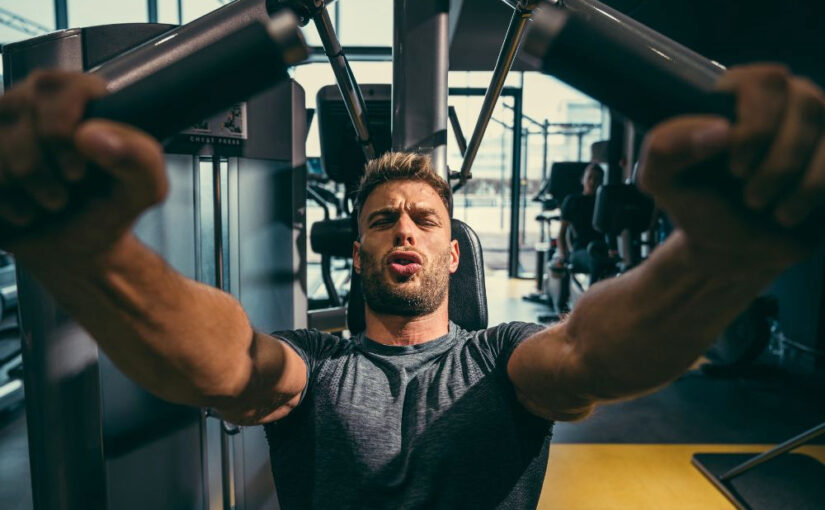
The chest press machine is a type of strength training apparatus that simulates the action of a bench press.Unlike free weights, the machine provides guided movement, which helps users maintain proper form and reduces the risk of injury. It typically consists of a padded seat, adjustable weight stack, and two horizontal handles that you push forward to engage your upper body muscles.

Various kinds of chest press machines exist., including:

  • Seated Chest Press: The most common type, where you sit upright and press the handles forward.
  • Incline Chest Press: Targets the upper chest by positioning the seat at an incline.
  • Decline Chest Press: Focuses more on the lower part of the chest.

Benefits of Using the Chest Press Machine

Utilizing the chest press machine provides numerous advantages, particularly for individuals who are just starting with weight training.

  • Targeted Muscle Activation: Specifically engages the pectoral muscles, along with the triceps and deltoids.
  • Improved Stability: The guided path of motion helps maintain proper alignment.
  • Beginner-Friendly: Easier to learn than free-weight alternatives like the barbell bench press.
  • Customizable Resistance: Easily adjust the weight to suit your fitness level.

How to Use It

To get the most out of the chest press, follow these step-by-step instructions:

  1. Adjust the Seat: Sit down and make sure the handles are level with your chest. Your feet should be flat on the floor.
  2. Set the Weight: Use the pin system to select your desired resistance. Start light if you’re new.
  3. Grip the Handles: Place your hands on the handles with a firm, overhand grip. The elbows need to be flexed at a right angle of 90 degrees.
  4. Press Forward: Breathe out and extend the handles away from your chest until your arms are fully straightened (but avoid locking them).
  5. Control the Return: Inhale and slowly bring the handles back to the starting position.

Pro Tips:

  • Keep your back flat against the seat pad.
  • Avoid fully extending your elbows at the peak of the exercise.
  • Complete 3 to 4 sets consisting of 8 to 12 repetitions to promote muscle growth.

Common Mistakes to Avoid

  • Using Excessive Weight: This can result in improper form and increase the risk of injury.
  • Partial Range of Motion: Reduces effectiveness. Ensure a full extension and return.
  • Rapid Reps: Controlled movement is crucial for effective muscle engagement.

Chest Press Machine vs. Free Weights

While both methods build strength, the chest press machine is ideal for isolating the chest muscles and building a foundation. Free weights, on the other hand, require more stabilization and can recruit additional muscle groups. For a well-rounded routine, consider incorporating both.

Chest Press Machine Quick Reference Guide

FeatureDetails
Target MusclesPectorals (chest), deltoids (shoulders), triceps (arms)
Primary PurposeStrength training for upper body
Best ForBeginners to advanced lifters
Machine TypesSeated, incline, decline chest press
Typical Rep Range8–12 reps for muscle growth; 12–15 for endurance
Common MistakesUsing too much weight, partial range of motion, moving too quickly
Equipment NeededChest press machine (with adjustable seat and weight stack)
Complementary ExercisesPush-ups, dumbbell bench press, cable flys

Conclusion

The chest press machine is a valuable addition to any strength training program. It offers a safe and effective way to target the chest, shoulders, and arms, helping you build muscle and improve upper body strength. Whether you’re a gym beginner or looking to perfect your form, learning how to use this machine properly can take your workouts to the next level.


Frequently Asked Questions (FAQ)

What Muscles Are Primarily Worked With This Machine?

The main muscles activated are the pectorals, triceps, and deltoids. Secondary muscles, like the biceps and core, may also be engaged for stabilization depending on the variation used.

Is this Equipment Suitable for Beginners?

Yes, it’s ideal for beginners because it provides a guided range of motion, which helps users learn proper form without needing a spotter or advanced technique.

How Often Should I Use This for Best Results?

Incorporating it into your upper body or full-body workout routine 2–3 times a week is typically efficient. Be sure to allow time for muscle recovery between workouts.

Can I Build Muscle Using Only Machines Like This?

While machines can effectively build muscle, combining them with free weights and bodyweight exercises can offer more comprehensive strength and functional fitness.

What’s the Difference Between Incline and Decline Variations?

Incline variations emphasize the upper chest and shoulders, whereas decline variations concentrate on the lower chest. Each provides distinct advantages and can be incorporated to develop a balanced workout regimen.
Decline Bench Press: What It is and How to Use It

What is the Decline Bench Press?

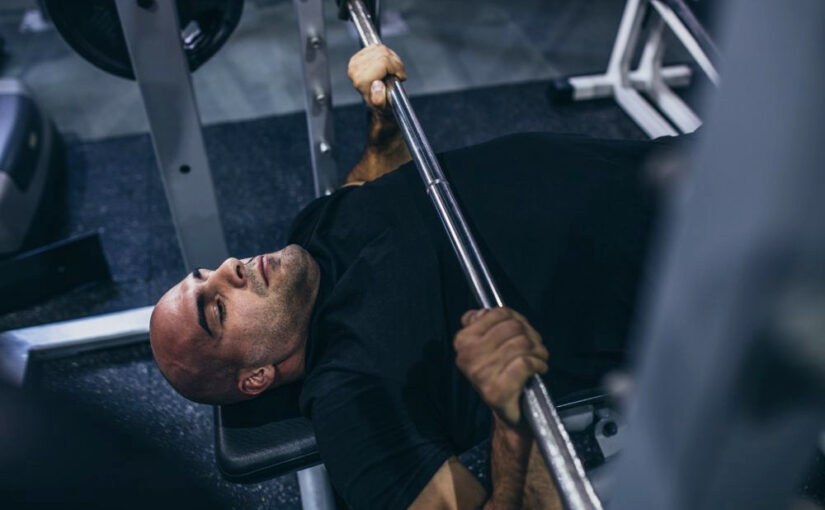
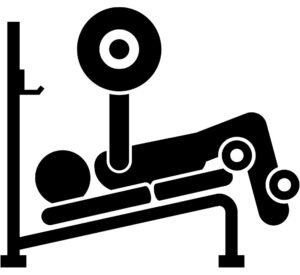
The decline bench press is a fantastic strength training exercise performed on a bench inclined downward, angled between 15 and 30 degrees, perfect for boosting upper body strength. This position shifts the focus of the movement toward the lower chest muscles, making the decline bench press a strategic addition to upper-body workouts for those seeking well-rounded development of the pectorals.

What It’s Used For

The decline bench press is used to build strength and muscle mass in the lower portion of the chest. It’s especially popular among bodybuilders and strength athletes who want to ensure complete development of the chest muscles. The exercise can also help lifters press heavier weights due to the favorable pressing angle and shorter range of motion.

History / Variations

While flat and incline bench presses have long been staples in weight training, the decline bench press gained traction as lifters recognized the need to isolate the lower chest for improved muscle symmetry. Over time, variations such as the decline dumbbell press, Smith machine decline press, and decline cable press have emerged, allowing for different resistance profiles and muscle activation.

Muscles Worked

Illustration of a person performing a decline bench press with proper form on a decline bench.

Primary:

  • Pectoralis major (lower portion)
  • Triceps brachii

Secondary:

  • Anterior deltoids (front shoulders)
  • Serratus anterior
  • Core stabilizers

Benefits

Strength Gains

The decline bench press allows most lifters to move heavier weights than flat or incline presses, leading to greater strength development in the lower chest and triceps.

Functional Fitness

It improves pushing strength from a lower angle, which can translate to enhanced performance in sports and daily activities that involve forward and downward forces.

Aesthetic Improvements

Targeting the lower chest helps create a more balanced and defined appearance, adding depth and fullness to the chest muscles.

Mental Health

Like other forms of resistance training, consistent use of the decline bench press can help improve mood, reduce stress, and enhance self-confidence.

Who Should Use It

  • Beginners can incorporate the decline bench press with light weights and proper instruction to build chest strength from multiple angles.
  • Intermediate and advanced lifters benefit from its ability to overload the lower chest and break through plateaus.
  • Athletes may use it to improve pressing mechanics and upper-body power.
  • Older adults, if cleared by a medical professional and supervised properly, can use it for maintaining muscle mass and strength.

Who Might Want to Skip It

  • Individuals with shoulder or rotator cuff injuries, as poor form can still lead to discomfort despite the lower stress compared to incline pressing.
  • Those with lower back issues, since the bench angle may place extra pressure on the lumbar spine.
  • Lifters training without a spotter are at a higher risk of getting stuck under the bar in the decline position.

Alternatives:

  • Flat or incline dumbbell presses for a joint-friendly range of motion
  • Decline push-ups for a bodyweight option
  • Machine chest presses for controlled resistance

Common Mistakes

  • Poor Form: Letting your elbows flare out or arching your back excessively increases your risk of injury.
  • Neglecting to utilize the complete range of motion: Incomplete repetitions restrict muscle engagement and hinder long-term progress.
  • Overloading Too Soon: Using too much weight before mastering the movement can lead to breakdown in technique or injury.

How to Get Stronger on It

Progressive Overload Tips

Gradually add weight, reps, or sets over time. Begin with weights you can handle and focus on form before moving onto heavier weights.

Accessory Movements

Incorporate:

  • Chest dips
  • Close-grip bench press
  • Decline chest flyes

These exercises target the same muscle groups as the decline bench press.

Program Suggestions

Include the decline bench press once a week in your chest training routine. Use heavier loads for lower reps (3–6) to build strength and moderate reps (6–10) for muscle growth. Pair it with flat and incline presses for balanced chest development.

Alternatives

Machines

  • Decline chest press machine
  • Cable crossovers (low-to-high angle)

Bodyweight Versions

  • Decline push-ups (with feet raised on a bench or platform)
  • TRX push-ups with a decline angle

Quick Reference Table: Decline Bench Press Overview

CategoryDetails
Exercise NameDecline Bench Press
Main UseTargeting lower chest muscles, increasing pressing strength
Equipment NeededDecline bench, barbell or dumbbells
Primary MusclesLower pectoralis major, triceps
Secondary MusclesFront deltoids, serratus anterior, core stabilizers
Common MistakesPoor form, shallow range of motion, adding weight too quickly
Best ForIntermediate lifters, athletes, bodybuilders
Caution ForPeople with shoulder or lower back injuries, lifters without a spotter
AlternativesDecline push-ups, decline dumbbell press, machine chest press
Training Frequency1x per week as part of a balanced chest program
Progression TipsUse progressive overload, track volume, add accessory exercises

Conclusion

The decline bench press is an effective and often underused exercise for building lower chest strength and improving upper-body aesthetics. With proper form and innovative programming, it can help lifters of all levels develop a more powerful and well-rounded chest. Whether you’re aiming for size, strength, or balance, the decline bench press is a valuable tool in your training arsenal.


Frequently Asked Questions (FAQ)

Is This Movement Bad for Shoulder Health?

It depends on form and individual joint health. Because the pressing path is shorter, there’s often less stress on the shoulders than with steeper angles. However, poor technique or pre-existing shoulder issues can amplify the risk. Always use controlled motion and stop if you experience any pain.

How Often Should You Include It in a Workout Plan?

For most lifters, placing it once per week is sufficient as part of a balanced chest routine. Some advanced lifters rotate it every second or third session, depending on volume and recovery.

Does It Carry Over Well to Overall Pressing Strength?

Some lifters report moderate carryover, especially for the bottom portion of the press, but many see more value in focusing on flat and incline pressing for total strength gains.

Will Heavy Use Increase Injury Risk or Imbalance?

If you overload excessively or neglect balanced training (e.g. upper and middle chest), there is potential for strain or aesthetic imbalance. Ensuring you train all portions of the chest and use correct technique helps mitigate that risk.

What Are Suitable Alternatives When the Setup Isn’t Available?

You can use decline push‑ups (feet elevated), decline dumbbell variations (if adjustable benches exist), or select machine presses and cable movements that mimic the angle.

Incline Bench Press: What It Is and How to Use It

What is the Incline Bench Press?

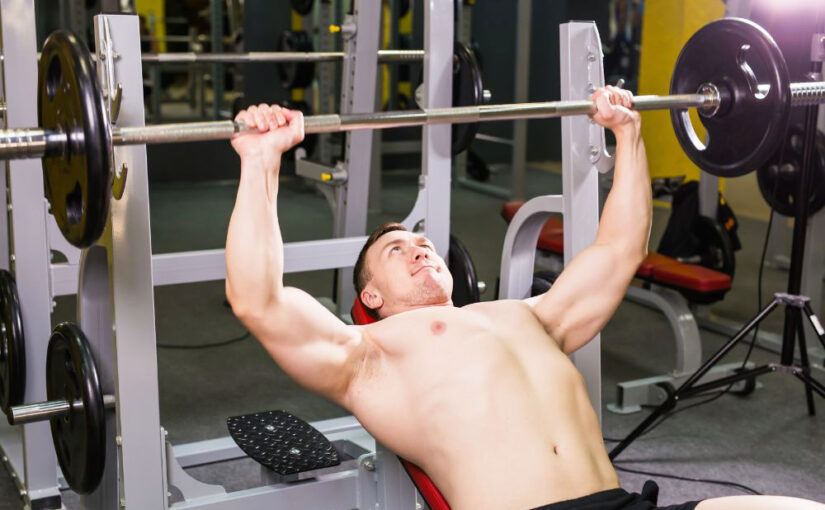
The incline bench press is a well-known strength training exercise that focuses on the upper part of the chest muscles. Unlike the flat bench press, it involves pressing a barbell or dumbbells while lying on a bench set at an inclined angle, typically between 30 and 45 degrees. This variation emphasizes the clavicular head of the pectoralis major, helping develop a well-rounded chest.

What It’s Used For

The incline bench press mainly targets the development of strength and mass in the upper chest. It also engages the front shoulders and triceps, making it a compound exercise that supports overall upper body development. Athletes and fitness enthusiasts include it in their routines to improve pressing strength and upper-body aesthetics.

History and Variations

The incline bench press has been a staple in bodybuilding and strength training since the mid-20th century, as lifters sought ways to isolate the upper chest more effectively. Variations include utilizing dumbbells instead of a barbell for greater range of motion and stability challenges, or adjusting the bench incline angle to shift muscle emphasis.

Muscles Worked

Primary Muscles

  • The upper portion of the chest (specifically the clavicular part of the pectoralis major)
  • Triceps brachii

Secondary Muscles

  • Anterior deltoids (front shoulders)
  • Core stabilizers to maintain bench position

Benefits

Strength Gains

Targeting the upper chest can improve overall pressing power, especially for overhead and pushing movements.

Functional Fitness

Strengthens muscles used in everyday pushing activities, enhancing overall upper body functionality.

Aesthetic Improvements

Develops the upper chest for a fuller, balanced appearance.

Mental Health

Like other resistance exercises, the incline bench press can boost mood and reduce stress through endorphin release.

Who Should Use It?

  • Beginners: Can incorporate with lighter weights and proper form focus.
  • Intermediate lifters: Ideal for targeting upper chest weaknesses.
  • Athletes: Useful for sports requiring pushing strength and shoulder stability.
  • Older adults: Can be included with caution and appropriate modifications.

Who Might Want to Skip It?

  • Those with shoulder injuries or impingement issues may find this movement aggravates pain.
  • Individuals with poor upper back mobility might struggle with bench positioning.
  • Alternatives like dumbbell presses or machines might be better for those with pre-existing conditions.

Common Mistakes

  • Poor form: Excessive arching of the lower back or flaring elbows too wide.
  • Neglecting the complete range of motion: Incomplete repetitions restrict muscle activation.
  • Not progressing weight wisely: Jumping to heavy weights without mastering form.

How to Get Stronger On It

  • Use progressive overload by gradually increasing weights or reps.
  • Include accessory movements such as dumbbell flyes, tricep dips, and front raises.
  • Follow program suggestions like alternating incline bench with flat bench press and overhead presses.

Alternatives

  • Machines: Incline chest press machines provide controlled movement with less stability demand.
  • Bodyweight versions: Decline or pike push-ups can engage upper chest and shoulders differently.

Incline Bench Press Overview

CategoryDetails
Exercise TypeCompound movement
Main Muscles WorkedUpper chest, triceps
Secondary MusclesFront shoulders, core stabilizers
Bench AngleTypically 30°–45° incline
Best ForBuilding upper chest strength and muscle mass
Common MistakesFlaring elbows, poor range of motion, excessive arching
AlternativesDumbbell incline press, machine incline press, decline push-ups
Skill LevelSuitable for all levels with appropriate load and form
Equipment NeededIncline bench, barbell or dumbbells, optional rack or spotter

Conclusion

A great exercise for developing strength in the upper chest, boosting pressing power, and enhancing overall appearance is the incline bench press. Regardless of whether you are a novice or a seasoned lifter, adding this movement with the right technique can enhance your upper body workouts.


Frequently Asked Questions (FAQ)

What Angle Should the Bench Be Set at?

Most lifters find that a 30 to 45-degree angle targets the upper chest effectively. A steeper angle may shift focus to the shoulders.

Is This Exercise Good for Beginners?

Yes, with proper form and light weight, it’s a beginner-friendly way to build upper body strength—especially in the upper chest and shoulders.

Can I Do This With Dumbbells Instead of a Barbell?

Absolutely. Dumbbells allow for a greater range of motion and can reduce joint strain, making them a solid alternative to the bar version.

Why Does My Shoulder Hurt During This Movement?

Shoulder pain may come from poor form, an excessive bench angle, or existing mobility issues. Lower the angle or switch to dumbbells if needed.

How Often Should I Train This Variation?

Most programs include this lift 1–2 times per week, often paired with flat or decline pressing to cover the full chest.

Flat Bench Press: What It Is and How to Use It Effectively

What is the Flat Bench Press?

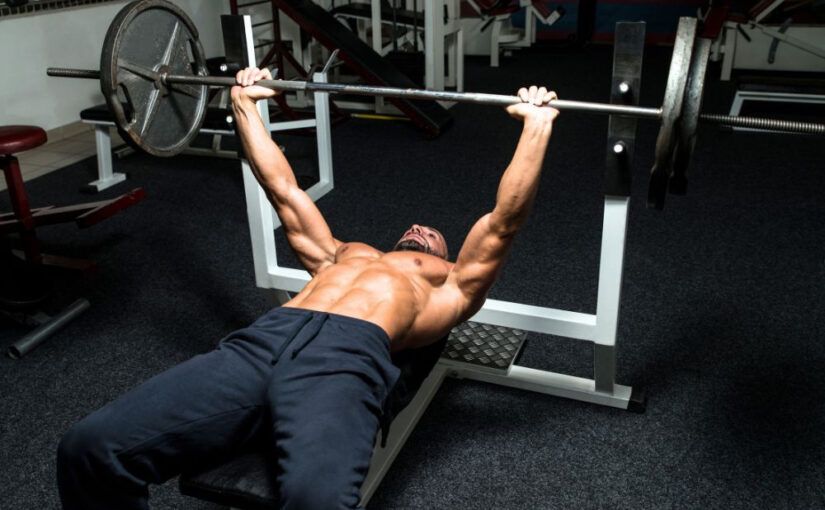
The flat bench press is a fundamental strength training move and one of the most widely used gym apparatuses across the globe. It consists of lying flat on a bench and pushing a weighted barbell upward, focusing on the upper body muscles. The flat bench press is a key component in both home workouts and commercial gyms, appreciated for its efficiency in enhancing upper body strength.

What It’s Used For

The flat bench press mainly targets pressing strength and muscle growth in the chest, shoulders, and arms. It’s a fundamental movement for powerlifting and bodybuilding, used to increase overall upper body power and muscle size.

History and Variations

The bench press emerged as a standard lift in strength training during the early 20th century. Over time, variations like the incline bench press and decline bench press were introduced to target muscles from different angles. The flat bench press remains the foundation for most pressing workouts.

Muscles Worked

Primary Muscles

  • Pectoralis major (chest)
  • Triceps brachii (back of upper arm)

Secondary Muscles

  • Anterior deltoids (front shoulder)
  • Core muscles (for stabilization)

Benefits

  • Strength Gains: Builds raw pressing strength, crucial for overall upper body power.
  • Functional Fitness: Improves pushing ability for daily activities and sports.
  • Aesthetic Improvements: Enhances chest size and definition, contributing to a balanced physique.
  • Mental Health: Strength training like the bench press can boost confidence and reduce stress.

Who Should Use It?

  • Beginners: With proper guidance and moderate weight, beginners can safely build foundational upper body strength.
  • Intermediate and Advanced Lifters: Essential for progressing in strength and muscle growth.
  • Athletes: Useful for developing upper body power applicable in many sports.
  • Older Adults: Can be beneficial if cleared by a healthcare provider and performed with appropriate weight and form.

Who Might Want to Skip It?

  • Injury Risks: Those with shoulder, wrist, or elbow injuries should be cautious.
  • Pre-existing Conditions: People with shoulder impingement or rotator cuff issues might experience pain.
  • Alternatives: Dumbbell bench press or push-ups can be safer substitutes for those with joint concerns.

Common Mistakes

  • Poor Form: Flaring elbows, too wide or arching the back excessively, can increase the risk of injury.
  • Not Using Full Range of Motion (ROM): Partial reps limit muscle activation and gains.
  • Not Progressing Weight Wisely: Adding weight too quickly can lead to injury.

How to Get Stronger on the Flat Bench Press

  • Progressive Overload Tips: Gradually increase weight or reps to challenge muscles.
  • Accessory Movements: Include triceps dips, chest flyes, and shoulder presses to support pressing strength.
  • Program Suggestions: Incorporate bench press 1-3 times per week with varied rep ranges (e.g., 4-6 reps for strength, 8-12 for hypertrophy).

Alternatives

  • Machines: Chest press machine for controlled motion and reduced risk of injury.
  • Bodyweight Versions: Push-ups and variations for similar muscle engagement without equipment.

Table: Flat Bench Press Key Information

AspectDetails
Primary Muscles WorkedChest (Pectoralis Major), Triceps
Secondary MusclesShoulders (Anterior Deltoids), Core
BenefitsStrength, Functional Fitness, Aesthetics
Who Should Use ItBeginners, Athletes, Older Adults (with care)
Common MistakesPoor form, Limited ROM, Rushing progression
AlternativesDumbbell bench, Push-ups, Chest press machine

Conclusion

The flat bench press is a foundational exercise that effectively builds upper body strength and muscle. Whether you’re new to fitness or an experienced lifter, understanding how to perform the flat bench press safely and progressively can help you achieve your fitness goals. Use this guide to maximize the benefits of your workouts and avoid common pitfalls associated with the flat bench press.


Frequently Asked Questions (FAQ)

What Muscles Are Worked During This Chest Exercise?

This movement primarily targets the chest muscles, especially the pectoralis major. It also activates the triceps and the front deltoids as supporting muscles.

Is the Flat Version Better Than Incline for Chest Growth?

Each variant targets distinct regions. The flat version concentrates on the middle of the chest, whereas the incline targets the upper chest. Both can be beneficial based on your objectives.

How Much Weight Should I Be Lifting on This Exercise?

It varies by experience, body weight, and training goals. Many intermediate lifters aim to press their body weight for one rep, but form and safety come first.

Can I Perform This Movement Without a Spotter?

Yes, but take precautions. Use a power rack with safety bars or switch to dumbbells. Avoid going to failure when training alone.

What Are Safer or Joint-friendly Alternatives?

Push-ups, machine presses, or using dumbbells can offer similar benefits with less strain on the shoulders and wrists.

Can I Be Strong Without Big Muscles? Strength vs. Size

When you ask, can I be strong without big muscles? The common misconception is that strength always requires bulky, large muscles. However, strength and muscle size are related but not identical. You can develop impressive strength without necessarily increasing muscle size. Understanding the difference between strength and size is crucial to achieving your fitness goals without gaining excessive muscle mass.

Understanding Strength vs. Muscle Size

Muscle size, or hypertrophy, involves the growth of muscle fibers, resulting in visibly larger muscles. Strength, however, is about the ability to exert force — how much weight or resistance your muscles can handle. So, can I be strong without big muscles? Yes, because strength depends not only on muscle size but also on factors like:

  • Neural efficiency: Your nervous system’s ability to recruit muscle fibers effectively.
  • Muscle fiber types: Some fibers are designed for endurance, while others are designed for power.
  • Coordination and technique: Proper muscle activation and movement mechanics.

This means a person can be very strong with relatively small muscles if their nervous system is trained to maximize muscle recruitment.

Examples of Strength Without Size

Athletes such as gymnasts, martial artists, and rock climbers exemplify the answer to the question, ‘Can I be strong without big muscles?’ They often display exceptional strength and power without the bulky look of traditional bodybuilders. Their strength arises from explosive power, control, and endurance rather than just muscle size.

How to Build Strength Without Bulking Up

If you wonder can I be strong without big muscles? the training approach matters:

  • Use heavy weights with low reps: This promotes neural adaptations for strength over muscle growth.
  • Incorporate explosive exercises: Plyometrics and speed drills improve muscle recruitment.
  • Focus on bodyweight training: Exercises like pull-ups and push-ups build strength and muscle control.
  • Prioritize consistent technique: Improving movement efficiency enhances strength.

Strength vs. Muscle Size: Key Differences

AspectStrengthMuscle Size (Hypertrophy)
GoalMaximize force outputIncrease muscle volume
Training StyleHeavy weights, low repsModerate weights, high reps
Neural AdaptationHighly emphasizedModerate
Muscle Fiber ActivationFocused on recruitment efficiencyFocused on muscle fatigue and time under tension
Common inPowerlifters, gymnasts, martial artistsBodybuilders, physique athletes
Visible Muscle GrowthNot always noticeableSignificant visible changes
Recovery TimeOften longer due to nervous system stressDepends on training volume

Conclusion

So, can I be strong without big muscles? Absolutely. While muscle size can contribute to strength, it’s not the only factor. Through focused training on neural activation, technique, and power, you can increase your strength without necessarily bulking up. Strength is about how well your muscles perform — not just how big they look.


Frequently Asked Questions (FAQ)

Can I Be Strong Without Big Muscles?

Yes, you can. Strength comes from more than just muscle size — factors like neural efficiency, muscle fiber recruitment, and technique all play major roles. It’s possible to be very strong even with a lean or compact physique.

What Type of Training Builds Strength Without Adding Size?

Training with heavy weights and low reps, bodyweight exercises, and explosive movements like plyometrics can build strength without significant hypertrophy. Focus on performance, not pump.

Do I Need to Lift Heavy to Get Strong Without Bulking Up?

Lifting heavy is one of the best ways to increase strength without large muscle gains. Keeping reps low (3–6), resting longer between sets, and avoiding high-volume workouts can help you stay lean.

Why Do Some Athletes Look Small but Are Very Strong?

Because strength isn’t only about size. These athletes often train for efficiency, speed, and control. Their nervous systems are highly adapted to activate muscles effectively, which answers the question: can I be strong without big muscles? Yes, absolutely.

Is Muscle Size Necessary for Functional Strength?

Not necessarily. Functional strength often relies more on coordination, balance, and real-world movement patterns than on muscle mass. Many people build usable, real-world strength without ever “looking” strong.

Are Lifting Gloves Worth It: Pros, Cons & Who Should Use

Lifting gloves are a popular accessory in gyms, but opinions about their usefulness vary. If you’re asking, “Are lifting gloves worth it?” this right to the point article will assist you in grasping the benefits and drawbacks — and help you decide if they’re right for your training style.

What Are Lifting Gloves?

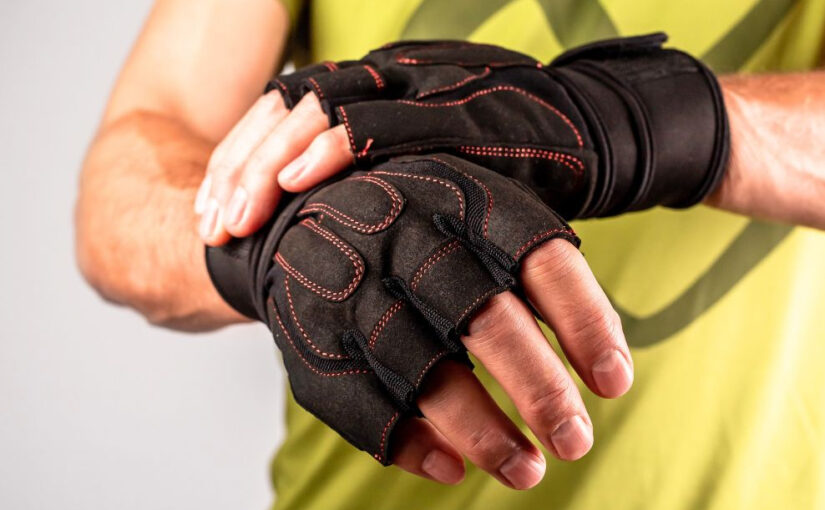
It goes without saying, lifting gloves are designed to protect your hands during weight training. They typically cover the palms and sometimes the fingers, offering cushioning, grip support, and, in some cases, wrist stabilization.

Pros of Wearing Lifting Gloves

1. Improved Grip

During heavy or high-rep workouts, sweaty hands can make it harder to hold onto weights. Lifting gloves provide extra grip, helping you maintain control and reduce the risk of dropping weights.

2. Hand Protection

Frequent lifting can lead to calluses, blisters, and skin tears. Gloves create a barrier between your hands and the equipment, protecting your skin from friction and pressure.

3. Wrist Support

Some lifting gloves come with built-in wrist wraps, offering additional support during pressing exercises. This can reduce wrist strain and help prevent overuse injuries.

4. Comfort and Confidence

Many beginners find that lifting gloves add comfort and help them feel more secure while training. This increase in confidence can lead to better form and consistency.

Cons of Wearing Lifting Gloves

1. Limits Grip Strength Development

One of the main arguments against lifting gloves is that they may reduce the development of natural grip strength. Training barehanded forces your hands and forearms to work harder, which can benefit overall strength gains.

2. Hygiene and Maintenance

Gloves can absorb sweat and may begin to smell or harbor bacteria if not cleaned regularly. This makes them less hygienic than chalk or lifting straps.

3. Interference With Bar Feel

For more advanced lifters, gloves can alter the tactile feel of the bar, particularly in compound movements such as deadlifts, cleans, or snatches. This can impact technique and precision.

Who Should Use Lifting Gloves?

Lifting gloves can be especially helpful for:

  • Beginners who want added comfort and protection
  • People prone to hand injuries or sensitive skin
  • Recreational lifters training for general fitness
  • Those doing high-rep workouts where grip fatigue becomes an issue

They may not be the best choice for:

  • Powerlifters or Olympic lifters who rely on direct bar contact
  • Athletes focused on building maximum grip strength
  • Experienced lifters comfortable with calluses and tough skin

Alternatives to Lifting Gloves

If you decide lifting gloves aren’t right for you, here are a few alternatives:

  • Lifting straps: Help reduce grip fatigue on heavy pulls like deadlifts or rows
  • Chalk: Enhances grip by reducing sweat without obstructing bar feel
  • Grip pads: Offer palm protection without covering the entire hand

Lifting Gloves vs. Alternatives: Quick Comparison

FeatureLifting GlovesLifting StrapsChalkBare Hands
Grip SupportGoodExcellent (for pulling lifts)GoodModerate (varies by hand strength)
Hand ProtectionHighModerateLowNone
Wrist SupportAvailable (in some models)Usually not includedNoNo
Improves Grip StrengthNo (may hinder long-term gains)No (replaces grip effort)YesYes
HygieneNeeds regular cleaningEasy to cleanClean, but messyBest (no gear needed)
Best ForBeginners, general trainingHeavy lifts, back/pulling daysAll levels, especially heavy liftsExperienced lifters, grip focus

Conclusion: Are Lifting Gloves Worth It?

In many cases, yes — lifting gloves are worth it, especially for beginners, casual lifters, or those who want more comfort and hand protection. They can help improve grip, reduce the risk of injury, and make training more enjoyable.

However, for lifters focused on building grip strength or those competing in strength sports, gloves may not be ideal. The best choice depends on your goals, experience level, and personal preferences.


Frequently Asked Questions (FAQ)

Are Lifting Gloves Good for Beginners?

Yes, lifting gloves are great for beginners. They provide comfort, help improve grip, and protect the hands from calluses and blisters as new lifters build technique and confidence.

Do Lifting Gloves Prevent Calluses?

Lifting gloves significantly reduce friction between your hands and the weights, which can help prevent calluses and skin irritation over time.

Can Lifting Gloves Weaken Your Grip Strength?

Over time, relying too much on gloves may hinder grip strength development because they reduce the need for your hands and forearms to work as hard during lifts.

Should I Wear Lifting Gloves for Deadlifts?

It depends. Some lifters prefer gloves for comfort, but serious strength athletes often skip them to maintain a better grip and bar feel during deadlifts.

What’s Better: Lifting Gloves or Straps?

Gloves offer general protection and comfort, while lifting straps are better for enhancing grip on heavy pulling movements. Many lifters use both for different purposes.

Do Weightlifting Belts Prevent Injury? Facts vs Myths

When it comes to gym gear, few items spark as much debate as the weightlifting belt. You’ll see powerlifters, bodybuilders, and even casual lifters strapping one on before heavy squats or deadlifts. But the big question remains: do weightlifting belts prevent injury, or are they just a psychological crutch? Let’s separate the facts from the myths and get a clearer picture of what these belts actually do.

What Is a Weightlifting Belt?

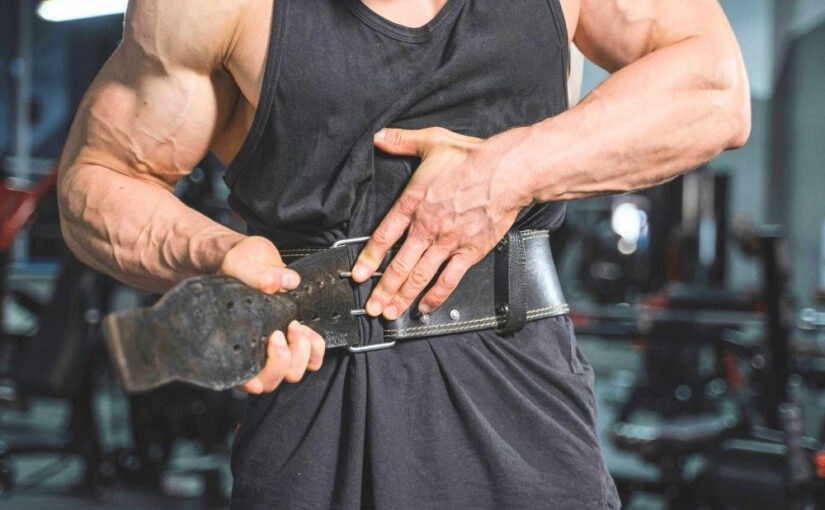
A weightlifting belt is a thick, sturdy belt typically made of leather or nylon, designed to be worn tightly around the waist during heavy lifts. Its primary purpose is to increase intra-abdominal pressure (IAP), providing added support to the lower back and spine.

But does that support translate into actual injury prevention? Let’s dive into the science.

The Science Behind Weightlifting Belts

To answer the question, do weightlifting belts prevent injury, we need to understand how they affect the body during lifting:

  • Increased Intra-Abdominal Pressure: When you brace your core against the belt, you create more pressure in the abdominal cavity. This force functions as a natural support for your spine, alleviating the strain on your lower back when performing heavy lifts.
  • Improved Biomechanics: Studies suggest that wearing a belt can help maintain a more upright torso during squats and deadlifts, reducing shear stress on the spine.
  • Enhanced Performance: Research indicates that lifters can lift heavier weights when wearing a belt, likely due to improved stabilization and a perceived sense of safety.

Common Myths About Weightlifting Belts

Despite the benefits, numerous myths persist. Let’s debunk the most common ones.

Myth #1: Belts Weaken Your Core

A common misconception is that wearing a belt for an extended period can cause your core muscles to atrophy. In reality, proper belt use requires active bracing, which engages your core even more. The belt doesn’t do the work for you—it just gives your muscles something to brace against.

Myth #2: Belts Prevent All Injuries

Let’s be clear: a belt is not a magic shield. It won’t protect you from poor form, inadequate warm-ups, or lifting too much weight. Although it can decrease the likelihood of lower back injuries during maximum lifts, it does not ensure complete safety.

Myth #3: Everyone Should Wear One

If you’re not lifting near-maximal loads or you’re doing general fitness training, a belt may not be necessary. In fact, over-relying on a belt for light lifts can lead to poor technique and neglect of core development.

When to Use a Weightlifting Belt

So, do weightlifting belts prevent injury? They can—in the proper context. Here’s when using a belt makes sense:

  • Heavy Compound Lifts: Squats, deadlifts, overhead presses—especially at 80%+ of your 1RM.
  • Maximal or Near-Max Efforts: When pushing your limits in strength training.
  • Existing Back Issues: Under professional guidance, a belt may offer additional support.

However, beginners should focus on mastering form and building core strength before incorporating belts into their training.

Weightlifting Belts: At-a-Glance Comparison

AspectDetails
Main BenefitIncreases intra-abdominal pressure to support the spine
Best ForHeavy squats, deadlifts, overhead presses (80%+ of 1RM)
Injury Prevention RoleHelps stabilize core and spine, reducing injury risk under heavy loads
Common MisconceptionBelts weaken your core or guarantee injury prevention
Should Beginners Use It?Not recommended until proper form and core strength are developed
When to AvoidLight lifting, machines, or conditioning workouts
Key LimitationDoesn’t replace proper form, warm-up, or smart load progression

Final Verdict: Do Weightlifting Belts Prevent Injury?

The answer is yes—with caveats. Weightlifting belts can help minimize the risk of injury during heavy lifts by providing spinal stability and promoting better lifting mechanics. However, they are not a substitute for proper technique, well-structured programming, or consistent core strength development.

Use them wisely—as a tool, not a crutch—and you’ll get the most benefit without compromising your long-term progress.


Frequently Asked Questions (FAQ)

Do Weightlifting Belts Prevent Injury for Beginners?

Weightlifting belts can reduce injury risk during heavy lifts, but beginners should focus on proper form and core strength before using one.

Should I Wear a Weightlifting Belt for Every Workout?

No. Belts are best used for heavy compound lifts like squats and deadlifts. Using them for every workout can lead to over-reliance.

Can a Belt Help With Lower Back Pain During Lifting?

A belt may provide temporary support, but it’s not a fix for underlying issues. Always address pain with proper technique and medical advice.

Do Weightlifting Belts Make You Stronger?

They don’t increase muscle strength directly but can improve stability and confidence during heavy lifts, allowing you to lift more safely.

What’s the Difference Between Leather and Nylon Lifting Belts?

Leather belts are more rigid and durable, ideal for powerlifting. Nylon belts offer flexibility and are often preferred for Olympic or CrossFit-style lifting.

Do Weightlifting Shoes Make a Difference? Yes—Here’s How

When it comes to lifting heavy, most gym-goers focus on programming, recovery, and technique—but what about footwear? One of the most common questions lifters ask is: Do weightlifting shoes make a difference?

The short answer? Yes, they do.

Whether you’re a beginner squatting your bodyweight or an experienced Olympic lifter chasing new PRs, the right shoes can drastically affect your performance, stability, and safety. Let’s explore exactly how weightlifting shoes make a difference—and whether they’re right for you.

What Are Weightlifting Shoes?

These shoes (also called squat shoes or lifters) are designed for barbell-based movements, particularly squats, cleans, jerks, and snatches. They look different from regular gym shoes—and for good reason.

Here’s what sets them apart:

  • Raised Heel (typically 0.5″ to 1″): Improves ankle mobility and squat depth
  • Hard, Non-Compressible Sole: Provides a stable base under load
  • Strap and Lacing System: Locks your foot in place for better control

These features are engineered to help you lift more efficiently and safely. But do these shoes make a difference in real-world training? Let’s dive into the benefits.

How They Improve Performance

1. Deeper, More Controlled Squats

One of the most noticeable benefits is improved squat depth. The raised heel reduces the ankle mobility required to hit full depth, allowing you to keep a more upright torso and avoid “butt wink” or forward lean.

2. Stronger and More Stable Base

Regular sneakers compress under load, making you less stable—especially during heavy lifts. Weightlifting shoes provide a solid platform so you can push against the ground with confidence.

3. Better Force Transfer

Thanks to their hard soles, these shoes don’t absorb force like running shoes. That means more power goes into your lift instead of getting lost underfoot. This is especially helpful during cleans, snatches, and overhead squats.

Injury Prevention and Long-Term Benefits

Proper alignment during lifts isn’t just about performance—it’s about safety. Wearing shoes with an elevated heel can help align your ankles, knees, and hips during squats, reducing stress on joints and lowering injury risk over time.

For lifters with mobility restrictions or past knee/ankle issues, weightlifting shoes can make movements safer and more repeatable.

Who Should Wear Them?

Still wondering, do weightlifting shoes make a difference for non-professionals? If your workouts include barbell squats, Olympic lifts, or overhead presses, weightlifting shoes can be a great investment.

You should consider them if you:

  • Regularly train with barbells (especially squats or cleans)
  • Struggle with squat depth or ankle mobility
  • Want to lift heavier with better control
  • Compete in Olympic weightlifting or powerlifting

Even beginners can benefit if lifting is a core focus of their routine.

Who Shouldn’t Wear Them?

While lifters can gain a lot from them, weightlifting shoes aren’t for everyone. In some cases, they might actually hold you back.

You may want to skip them if:

  • Your training includes running or jumping
  • Weightlifting shoes are too rigid and heavy for dynamic movements like box jumps, sprints, or agility drills (common in CrossFit or HIIT).
  • You’re doing mostly deadlifts
  • The raised heel can shift your center of gravity forward during deadlifts. For most people, flat-soled shoes or barefoot lifting works better here.
  • You’re focused on minimalist or barefoot training
  • If you’re intentionally strengthening your feet and ankles through barefoot-style lifts, weightlifting shoes would interfere.
  • You’re just starting out with bodyweight or machine-based strength
  • If you’re not yet lifting heavy or doing barbell work, you can hold off until your training progresses.

In these cases, a good pair of cross-trainers or minimalist shoes may be a better fit.

Key Benefits of Weightlifting Shoes

BenefitExplanation
Improved Squat DepthRaised heel enhances ankle mobility, allowing deeper, safer squats.
Enhanced StabilityHard, flat sole provides a solid base for balanced lifts.
Better Force TransferNon-compressible sole ensures more power goes into the barbell.
Injury PreventionProper alignment reduces stress on joints and lowers injury risk.
Secure FitStraps and laces lock the foot in place, preventing unwanted movement.

Conclusion

Let’s bring it all together—do these shoes make a difference?

Yes.

They can help you squat deeper, lift heavier, and stay more stable under load—all while reducing injury risk. For lifters focused on serious strength training or Olympic lifts, they’re not just helpful—they’re game-changing.

But they’re not for everyone. If your workouts involve running, jumping, or deadlifting, or if you’re still a beginner figuring out your training style, stick with more versatile footwear for now.

Bottom line: If barbell lifting is a big part of your training, weightlifting shoes are one of the smartest upgrades you can make.


Frequently Asked Questions (FAQ)

Do Weightlifting Shoes Make a Difference for Beginners?

Yes! Even beginners can benefit from weightlifting shoes, especially if they’re performing barbell squats or Olympic lifts. The shoes help with stability, form, and lifting efficiency, making it easier to learn proper technique early on.

Can I Use Weightlifting Shoes for Other Types of Workouts?

Weightlifting shoes are designed specifically for heavy lifts and provide a stable base. However, they are not ideal for running, jumping, or high-intensity interval training (HIIT) because they’re stiff and lack cushioning for impact.

Are Weightlifting Shoes Necessary for Deadlifting?

Not usually. For deadlifts, many lifters prefer flat-soled shoes or lifting barefoot because the raised heel in weightlifting shoes can alter your posture and reduce leverage during the lift.

How Do Weightlifting Shoes Help Prevent Injuries?

By improving joint alignment and providing a solid, stable platform, weightlifting shoes reduce unnecessary stress on the knees, ankles, and hips. This lowers the risk of injuries caused by poor form or instability.

What Features Should I Look for When Buying Weightlifting Shoes?

Look for a raised heel (typically between 0.5″ and 1″), a hard non-compressible sole, and a secure strap or lacing system that locks your foot in place. Comfort and fit are also important since you’ll be wearing them during heavy lifts.

Do Weighted Vests Work? Real Gains or Hype?

Whether you’re crushing workouts in your garage gym or getting reps in at your local big-box facility, you’ve probably seen people strapping on weighted vests. But the big question remains: do weighted vests work, or are they just fitness hype wrapped in Velcro?

Weighted vests are marketed as a simple way to level up bodyweight exercises, increase calorie burn, and build strength. But how much truth is behind those claims—and are they worth adding to your routine?

Let’s break it down.

What Is a Weighted Vest, Exactly?

A weighted vest is a piece of gear that you wear, which provides additional resistance to your body. Typically adjustable, these vests can range from 5 pounds to over 100 pounds and are used during exercises like push-ups, squats, pull-ups, running, and even walking.

They’re popular among:

  • Home gym users looking to intensify bodyweight training
  • Athletes aiming to improve endurance and conditioning
  • Lifters who want to challenge stabilizer muscles without heavy gym machines

Do Weighted Vests Actually Deliver Results?

Let’s get into the fundamental question: do weighted vests work?

Strength and Muscle Gains

Yes—but in a specific way. Weighted vests don’t replace barbells or dumbbells, but they do make bodyweight movements significantly more challenging. For example:

  • Push-ups become closer to a bench press
  • Air squats turn into serious leg burners
  • Pull-ups with a vest mimic added load training

Over time, this added resistance promotes muscle growth and strength, particularly in functional, full-body movements.

Improved Cardiovascular Conditioning

Wearing a vest during cardio (such as walking, running, or HIIT) raises your heart rate faster and increases calorie expenditure. Several studies have shown that low-to-moderate-intensity workouts with a weighted vest can improve VO2 max and endurance.

Bone Density and Joint Benefits

Carrying extra weight places a mechanical load on bones, encouraging improvements in bone density. This is especially beneficial for long-term joint and skeletal health as you age.

Potential Drawbacks

Before you rush to buy one, consider this: weighted vests can place extra stress on joints, especially the knees and lower back, if misused. Start light and build gradually to avoid injury.

How to Use a Weighted Vest in Your Routine

Here’s how home gym and big-box gym users can integrate vests safely and effectively:

  • Bodyweight Workouts: Add a vest to push-ups, dips, pull-ups, lunges, planks, and more
  • Walking or Incline Treadmill Workouts: Great for low-impact fat-burning sessions
  • Plyometrics: Jump squats, box jumps, and burpees become next-level conditioning
  • Strength Finishers: Use a vest for burnout sets after lifting

Tip: Start with 5 to 10 percent of your body weight. Don’t jump into a 40-pound vest on day one. Gradual progression is key.

Weighted Vest Benefits & Considerations

CategoryDetails
Primary Benefits– Builds strength during bodyweight exercises – Boosts endurance and calorie burn – Improves cardiovascular health – Supports bone density and joint integrity
Ideal For– Home gym users – Big-box gym lifters – Runners and walkers – Functional training fans
Common Exercises– Push-ups, pull-ups, squats, lunges – Walking, stair climbing, treadmill incline – Plyometrics and HIIT
Recommended Starting Load5–10% of body weight (e.g., 10–20 lbs for most users)
Potential Drawbacks– May stress joints if used incorrectly – Not ideal for beginners or those with joint issues
Pro Tips– Prioritize form over load – Gradually increase weight – Avoid using for every workout

Conclusion: Real Gains or Just Hype?

So, do weighted vests work? The short answer is yes—when used smartly. Weighted vests provide a proven and practical way to enhance strength, endurance, and calorie burn, particularly for individuals training without access to heavy gym equipment.

For home gym enthusiasts and big-box gym goers alike, a weighted vest can be a versatile and effective tool—not just fitness hype. Just be sure to scale appropriately, prioritize form, and treat it like any other resistance tool: with respect.


Frequently Asked Questions (FAQ)

Do Weighted Vests Really Help Build Muscle?

Yes. Weighted vests add extra resistance to bodyweight exercises, making movements more challenging and promoting muscle growth and strength gains over time.

How Much Weight Should I Start With in a Weighted Vest?

It’s advisable to begin with approximately 5–10% of your body weight. If you weigh 150 pounds, start your journey with a vest weighing 7.5 to 15 pounds, and enjoy progressively increasing the weight as you make fantastic strides

Can I Use a Weighted Vest for Running or Cardio Workouts?

Absolutely. Wearing a weighted vest while walking, jogging, or doing high-intensity interval training can enhance calorie expenditure and cardiovascular fitness. Nonetheless, it’s important to begin with a light weight and pay attention to how your body feels.

Are Weighted Vests Safe for Beginners?

Weighted vests can be safe for beginners if used correctly with light loads and proper form. However, those with joint issues or injuries should consult a healthcare professional first.

How Often Should I Use a Weighted Vest in My Training?

Use weighted vests 2–3 times per week, allowing your body time to recover and adapt. Avoid using it every workout to prevent overuse injuries.

Do Naps Help with Muscle Recovery: Benefits for Lifters

For those who take their training seriously, recovery is just as important as lifting heavy. While nutrition and post-workout supplements often take center stage, sleep—and more specifically, naps—are gaining attention in the fitness world. Do naps help with muscle recovery? The short answer is yes, and the reasons behind it are both scientific and practical. Let’s explore how a simple nap can become a powerful tool in your recovery strategy.

The Science Behind Napping and Recovery

Muscle recovery is a complex process that includes repairing microtears in muscle fibers, restoring glycogen levels, and balancing hormones like testosterone and human growth hormone (HGH). These processes are particularly active during sleep, especially in the deeper stages of rest.

Napping, particularly in the early afternoon, can provide a boost in these recovery-related processes. Research shows that even short naps (20–40 minutes) can reduce cortisol levels (a stress hormone that can hinder muscle growth) and increase HGH levels. So when asking, do naps help with muscle recovery, science leans toward yes—especially when your body is under consistent training stress.

Benefits of Naps for Lifters

Lifters, whether amateur or elite, put significant strain on their muscles. Here’s how naps can specifically benefit those who regularly lift:

1. Improved Muscle Repair

Adequate rest boosts the production of growth hormone, essential for the repair of muscles and the regeneration of tissues. Taking a revitalizing nap during the day significantly enhances this advantage, enabling your muscles to restore and recover more effectively. Focusing on getting enough sleep genuinely contributes to a healthier and more robust version of yourself!

2. Better Workout Performance

Fatigue can hinder strength, endurance, and focus. A short nap before a workout can lead to improved alertness, better coordination, and increased energy—all of which help you lift more effectively.

3. Reduced Inflammation and Stress

Chronic training without proper rest can lead to inflammation and an increase in cortisol levels. Naps reduce stress markers in the body, creating a more anabolic (muscle-building) environment.

4. Enhanced Mental Recovery

Lifting is as much mental as it is physical. Naps can improve mood, reduce irritability, and boost cognitive function—making it easier to stay motivated and mentally dialed-in for your next session.

Tips for Effective Napping

To get the most out of your naps, follow these guidelines:

  • Keep it short: Aim for 20–30 minutes to avoid grogginess.
  • Time it right: Early to mid-afternoon is ideal; too late and it could interfere with nighttime sleep.
  • Create a restful environment: A quiet, dark, and cool space helps you fall asleep faster.

Summary Table: Napping Benefits for Muscle Recovery in Lifters

BenefitHow It Helps Muscle Recovery
Muscle Repair & GrowthBoosts growth hormone levels during rest, aiding in tissue repair and muscle regeneration.
Performance EnhancementImproves alertness, coordination, and energy before workouts.
Stress & Inflammation ReductionLowers cortisol levels, creating a more anabolic environment for muscle growth.
Cognitive & Mental RecoveryEnhances mood, focus, and motivation—key for consistency and training quality.
Faster Overall RecoveryShort naps speed up recovery between sessions, allowing for more effective training frequency.

Conclusion

So, do naps help with muscle recovery? Absolutely. For lifters looking to optimize performance and recovery, naps are more than just a luxury—they’re a strategic tool. Incorporating short naps into your weekly routine can accelerate muscle repair, reduce fatigue, and support better gains in the gym. If you’re lifting hard but not recovering hard, you might be leaving progress on the table. Time to put your feet up—your muscles will thank you.


Frequently Asked Questions (FAQ)

Do Naps Actually Help With Muscle Recovery?

Yes, naps support muscle recovery by promoting the release of growth hormone, reducing cortisol levels, and providing the body with extra rest time to repair muscle tissue. Even brief naps can have a positive impact on recovery, especially after intense workouts.

How Long Should I Nap After Lifting Weights?

A nap of 20 to 40 minutes is ideal. This length helps boost alertness and recovery without causing sleep inertia (grogginess). Taking longer naps may allow for deeper sleep stages, which can further aid muscle repair, but may also impact nighttime sleep if taken too late.

Is Napping Better Than Sleeping Longer at Night?

While naps are helpful, they should complement—not replace—quality nighttime sleep. Most muscle recovery happens during deep sleep at night, so naps are best used as a supplement when you’re sleep-deprived or training intensely.

Should Athletes or Bodybuilders Nap Regularly?

Yes. Many elite athletes incorporate naps into their routine for improved recovery, mental clarity, and performance. Lifters who train frequently or intensely can benefit significantly from scheduled naps throughout the week.

When is the Best Time of Day to Take a Nap for Recovery?

The ideal time for a nap is from 1 p.m. to 3 p.m., as this is when your body’s natural circadian rhythm declines. Napping too late in the day may disrupt your sleep at night, which is essential for complete recovery.