
Blog

Getting Strong: A Simple Guide to Real Strength

Are you ready to start getting strong? Strength encompasses more than merely lifting heavy weights or building large muscles—it also involves enhancing overall physical health, boosting confidence, and improving daily performance. Whether you’re a beginner or looking to refine your routine, this simple guide will help you understand the fundamentals of real strength and how to achieve it safely and effectively.

What Does “Getting Strong” Really Mean?

Getting strong isn’t only about the number on the barbell. True strength combines muscular power, endurance, mobility, and mental resilience. When you focus on holistic strength, you’re training your body to handle physical challenges efficiently, reduce the risk of injury, and maintain energy throughout the day.

Key Principles for Getting Strong

To get strong effectively, consider these essential principles:

1. Consistency is Key

Strength is developed over time; it doesn’t happen overnight. Creating a consistent routine of workouts that challenge your muscles is crucial. Aim for 3 to 5 strength sessions per week with emphasis on compound movements such as squats, deadlifts, and push-ups that engage multiple muscle groups.

2. Progressive Overload

One of the key concepts in building strength is progressive overload. Gradually increasing the weight, repetitions, or intensity over time compels your muscles to adapt and become stronger.

3. Prioritize Proper Form

Lifting with correct form prevents injuries and ensures you are effectively targeting the intended muscle groups. Even small adjustments can make a big difference in your progress.

4. Fuel Your Body

Nutrition is essential for building strength. Protein supports muscle repair and growth, while complex carbs provide energy for intense workouts. Staying hydrated and consuming healthy fats also contribute to optimal performance.

5. Rest and Recovery

Your muscles grow during rest, not while lifting. Ensure you get adequate sleep and incorporate recovery days into your training routine. Recovery techniques like stretching, foam rolling, and light cardio can also help improve overall performance.

Mental Strength Matters Too

Getting strong isn’t just physical. Building mental toughness helps you push through challenging workouts, maintain discipline, and achieve long-term goals. Visualization, goal-setting, and a positive mindset can significantly enhance your strength journey.

Getting Strong Safely

To maximize results and minimize risk, always listen to your body. Avoid overtraining, and consult with a fitness professional if you’re unsure about your form or program. Remember, strength is a marathon, not a sprint.

Quick Guide to Getting Strong

PrincipleDescriptionTips for Success
ConsistencyRegular workouts are essential for strength gainsAim for 3–5 sessions per week
Progressive OverloadGradually increase weight, reps, or intensityTrack progress and challenge your muscles safely
Proper FormPrevents injuries and maximizes muscle engagementFocus on technique before adding weight
NutritionFuels muscle growth and energyPrioritize protein, complex carbs, and healthy fats
Rest & RecoveryMuscles grow during rest, not during workoutsGet 7–9 hours of sleep and include recovery days
Mental StrengthHelps push through tough sessionsUse goal-setting, visualization, and positive mindset

Conclusion

Incorporating these principles into your routine will set you on the path to getting strong safely and effectively. By focusing on consistent workouts, proper nutrition, recovery, and mental resilience, you can achieve lasting physical strength and improved overall health. Start today, and embrace the journey of true strength—it’s more attainable than you think.


Frequently Asked Questions (FAQ)

How Long Does It Take to Build Noticeable Strength?

Building noticeable strength varies by individual, but most people see measurable improvements within 6–12 weeks of consistent training, proper nutrition, and recovery. Progress depends on starting fitness level, workout intensity, and lifestyle factors.

What Are the Best Exercises for Overall Strength?

Compound exercises that utilize multiple muscle groups are the most effective. Examples include squats, deadlifts, bench presses, pull-ups, and push-ups. These moves promote functional strength and improve balance and coordination.

How Important is Nutrition for Muscle Growth?

Nutrition is critical. Healthy fats help regulate hormones, carbs provide you energy for exercise, and protein helps you build and repair muscles. Staying hydrated also improves performance and recovery.

How Often Should I Rest Between Strength Workouts?

Rest is essential for muscle recovery and avoiding overtraining. Generally, aim for 48 hours of rest between working the same muscle group, and include at least one full rest day per week. Recovery techniques like stretching or light cardio can also help.

Can Beginners Train Safely Without a Personal Trainer?

Yes, beginners can train safely by learning proper form, starting with lighter weights or bodyweight exercises, and gradually increasing intensity. Online tutorials, fitness apps, and beginner programs can provide guidance, but professional advice is helpful for more personalized plans.

How to Get Out of a Weight Loss Plateau — Start Losing Again

If you’ve been doing everything right—eating healthy, exercising regularly, and tracking your progress—but the scale just won’t budge, you might be facing a weight loss plateau. Learning how to get out of a weight loss plateau is crucial to keep your motivation high and your results on track. The good news? With a few smart adjustments, you can jumpstart your progress and start losing weight again.

What Causes a Weight Loss Plateau?

Before learning how to get out of a weight loss plateau, it’s important to understand why it happens. When you lose weight, your body’s metabolism naturally slows down. You burn fewer calories because your body now requires less energy to maintain its smaller size. Other common reasons include:

  • Calorie creep: Over time, portion sizes may increase without realizing it.
  • Reduced activity: Your workouts might not challenge you like they used to.
  • Water retention: Stress, sodium, or hormonal changes can cause temporary weight fluctuations.
  • Metabolic adaptation: As you continue to perform the same exercises, your body becomes more efficient, which means it burns fewer calories.

Recognizing these factors helps you take targeted steps to overcome the stall.

1. Reassess Your Calorie Intake

One of the first things to do when figuring out how to get out of a weight loss plateau is to recalculate your calorie needs. As you lose weight, the number of calories you need each day decreases. Use a calorie calculator or fitness app to estimate your new target, then reduce your intake by about 200–300 calories per day if needed.

2. Change Up Your Workout Routine

Your body adapts to repetitive workouts. Mix things up by adding high-intensity interval training (HIIT), strength training, or different cardio styles. Strength training is especially powerful—it builds lean muscle, which boosts metabolism and helps break through plateaus faster.

3. Prioritize Protein and Fiber

If you’re wondering how to get out of a weight loss plateau through diet alone, focus on foods that keep you full and fuel your metabolism. Protein supports muscle maintenance, while fiber aids digestion and helps control hunger. Include foods like eggs, chicken, lentils, oats, and vegetables in your daily meals.

4. Manage Stress and Sleep

High stress and poor sleep can sabotage fat loss by raising cortisol levels. Strive to get 7–9 hours of quality sleep per night and include relaxation techniques—such as meditation, deep breathing, or light yoga—to reduce stress.

5. Take a “Diet Break”

Sometimes, eating at maintenance for a week can help reset your metabolism and hormones. This short-term “diet break” gives your body a rest from calorie restriction, often leading to renewed fat loss once you return to a deficit.

6. Track More Than the Scale

When learning how to get out of a weight loss plateau, remember that progress isn’t just about numbers. Track body measurements, progress photos, and how your clothes fit. Non-scale victories can demonstrate that you’re still making progress even when the scale appears stagnant.

Table: Quick Strategies to Break a Weight Loss Plateau

StrategyAction StepsWhy It Works
Reassess CaloriesUse a calorie calculator; reduce intake by 200–300 kcal if neededAdjusts for lower energy needs as you lose weight
Change WorkoutsAdd HIIT, strength training, or different cardioPrevents adaptation and boosts metabolism
Prioritize Protein & FiberInclude eggs, chicken, lentils, oats, vegetablesKeeps you full, supports muscle, improves digestion
Manage Stress & SleepAim for 7–9 hours sleep; practice meditation or yogaLowers cortisol, supports fat loss
Take a Diet BreakEat at maintenance for 1 weekResets metabolism and hormones
Track Non-Scale ProgressMonitor measurements, photos, and clothing fitShows progress even when scale is stagnant

Conclusion: Stay Patient and Consistent

Reaching a plateau can be frustrating, but it is a normal part of the journey. The key to success is knowing how to get out of a weight loss plateau—by adjusting your calorie intake, varying your workouts, and staying consistent. Small changes add up, and with persistence, you’ll break through the stall and start losing weight again.


Frequently Asked Questions (FAQ)

Why Does Weight Loss Sometimes Stop Even When I’m Eating Healthy?

Weight loss can stall because your body adapts to your current diet and exercise routine. Changes in metabolism, hormonal shifts, and even water retention can temporarily slow down progress.

How Can I Make My Workouts More Effective?

Consider diversifying your workout routine by incorporating various types of exercise, like strength training, high-intensity interval training (HIIT), or new forms of cardio. This challenges your muscles and keeps your metabolism active.

Does Sleep Really Affect Fat Loss?

Yes! Poor sleep can elevate stress hormones like cortisol, leading to weight gain and cravings. Getting 7 to 9 hours of quality sleep helps regulate appetite and supports overall metabolism.

Are Cheat Meals or Diet Breaks Helpful?

Short breaks from calorie restriction can actually be beneficial. They help reset metabolism, improve adherence to your routine, and may make long-term fat loss more sustainable.

How Can I Track Progress Beyond the Scale?

You can track body measurements, take progress photos, or pay attention to how your clothes fit. These methods provide a clearer picture of fat loss and changes in body composition.

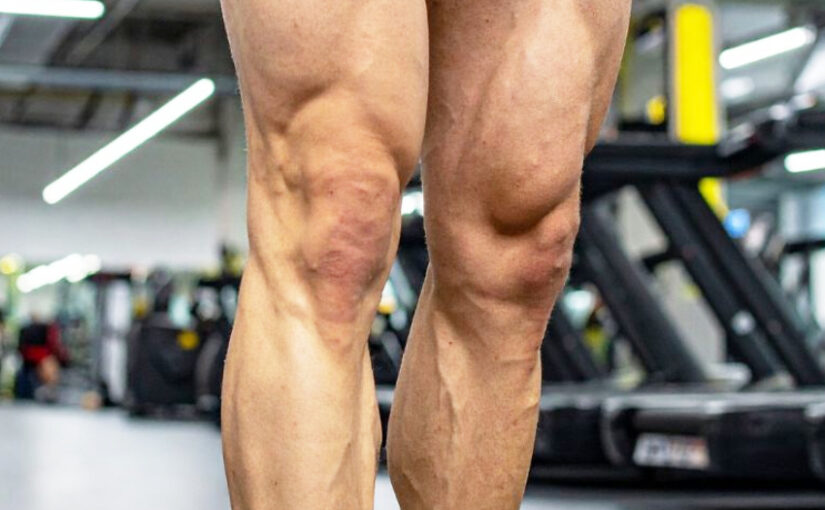
Why Are My Legs Strong but Not Big — and How to Fix It

Many fitness enthusiasts find themselves wondering, “Why are my legs strong but not big?” You may squat heavy weights or cycle long distances, yet your quads, hamstrings, and calves don’t look as muscular as you expect. The good news is that this is a common issue — and it’s fixable. Let’s break down why strength doesn’t always equal size, and how you can change your training and nutrition to build more noticeable muscle.

Understanding the Strength vs. Size Difference

If you’re asking why are my legs strong but not big, it often comes down to the type of training you’re doing. Strength and size are related but not identical:

  • Strength training focuses on improving your nervous system’s efficiency — how well your brain recruits muscle fibers to move heavy loads.
  • Muscle growth (hypertrophy) focuses on increasing the size of individual muscle fibers through volume, tension, and fatigue.

In short, you can be strong because your body is highly efficient at using what it already has, not necessarily because you’ve built bigger muscles.

1. You’re Lifting Heavy, but Not Enough Volume

Low-rep, high-weight training builds strength but not much muscle size. To trigger hypertrophy, your legs require more total work — typically moderate weights for 8–15 repetitions per set and multiple sets per muscle group.

Try switching some of your heavy low-rep squats for higher-rep sets of leg presses, Bulgarian split squats, or lunges.

2. You’re Not Training All Parts of the Legs

Even if you squat and deadlift regularly, some leg muscles might not be getting enough attention.

  • Quads need deep knee bend movements (front squats, leg extensions).
  • Hamstrings grow from hip-hinge movements (RDLs, leg curls).
  • Calves need dedicated, high-volume work (seated and standing raises).

Balancing your leg training ensures you develop both strength and visible size.

3. Your Nutrition Isn’t Supporting Growth

Muscle growth requires a caloric surplus and sufficient protein intake. If you’re strong but lean, your legs won’t look bulky because they lack the stored glycogen and new muscle tissue that come from extra calories.

Aim for:

  • The equivalent of 1.6 to 2.2 grams of protein for each kg of body weight everyday.
  • 300–500 calories above maintenance
  • A mix of carbs and fats to support training energy and recovery

4. You’re Not Giving Your Legs Enough Rest

Overtraining your legs or not resting enough can stunt growth. Muscle tissue grows during recovery, not during the workout itself. Make sure you’re sleeping well (7–9 hours per night) and allowing at least 48 hours between heavy leg sessions.

5. Genetics and Muscle Fiber Type

Some people naturally have more slow-twitch fibers, which are great for endurance but not for large muscle growth. Others have fast-twitch fibers, which grow faster with resistance training.

You can still maximize your potential by emphasizing explosive, hypertrophy-based training — think jump squats, sled pushes, and medium-rep resistance sets.

How to Fix It: A Sample Leg Routine

Here’s a weekly approach to target size and not just strength:

Day 1 — Strength Focus

  • Back Squats: 5×5
  • Romanian Deadlifts: 4×6
  • Calf Raises: 4×12

Day 2 — Hypertrophy Focus

  • Front Squats: 4×10
  • Walking Lunges: 3×12 each leg
  • Leg Press: 3×15
  • Seated Calf Raises: 4×15–20

This mix of low-rep strength work and moderate-rep hypertrophy work ensures your legs not only perform better but also look fuller and more defined.

Quick Fixes for “Why Are My Legs Strong but Not Big”

ProblemWhy It HappensHow to Fix It
Low Training VolumeHeavy weights with too few reps build strength but not size.Add moderate-weight, high-rep sets (8–15 reps) and increase total leg training volume.
Uneven Muscle FocusRelying on squats or deadlifts alone misses smaller stabilizer muscles.Include isolation moves like leg extensions, curls, and calf raises.
Lack of Calories or ProteinNot eating enough limits muscle repair and growth.Eat a caloric surplus and get 1.6–2.2g of protein per kg of body weight.
Insufficient RestOvertraining prevents muscles from recovering and growing.Sleep 7–9 hours and allow 48+ hours between intense leg sessions.
Genetic FactorsMore slow-twitch muscle fibers make legs strong but less bulky.Use hypertrophy and explosive training to activate fast-twitch fibers.

Conclusion

If you’ve ever wondered why are my legs strong but not big, remember that muscle size depends on more than just strength. You might be lifting heavy, but without the right training volume, nutrition, and recovery, your muscles won’t reach their full potential. By combining strength and hypertrophy training, eating enough to support growth, and resting properly, you’ll finally see the powerful legs you’ve worked so hard to build.


Frequently Asked Questions (FAQ)

Can You Be Strong Without Having Big Muscles?

Yes. Strength is not only about muscle size — it’s also about how efficiently your nervous system activates your muscle fibers. You can build a lot of strength through neural adaptations and muscle fiber recruitment without adding much visible size.

Why Don’t My Legs Grow Even Though I Train Hard?

Your legs may not grow if your workouts focus too much on low reps, if you’re not eating enough calories, or if recovery is lacking. Muscle growth needs proper training volume, nutrition, and rest to happen consistently.

How Do I Make My Legs Look More Muscular?

To make your legs appear more muscular, combine moderate-weight, higher-rep training with isolation exercises for each leg muscle group. Ensure you’re eating a calorie surplus, staying hydrated, and getting enough sleep to promote growth.

Does Cardio Affect Leg Muscle Size?

Excessive cardio, especially endurance-based activities like long-distance running, can make it difficult to build muscle mass because it burns extra calories and emphasizes slow-twitch fibers. However, short, intense cardio such as sprints can complement muscle growth.

How Long Does It Take to See Visible Leg Gains?

Most people start noticing leg muscle growth after 8–12 weeks of consistent hypertrophy training, proper nutrition, and recovery. The exact timeline varies depending on genetics, training experience, and overall consistency.

Strong but Not Big: Why It Happens and How to Fix It

Many gym-goers and fitness enthusiasts often face a frustrating dilemma: they feel strong but not big. Despite lifting heavy weights and performing complex strength routines, the mirror doesn’t reflect the muscle size they expect. Understanding why this happens is the first step toward fixing it and achieving both strength and size.

Why You Might Be Strong but Not Big

Being strong but not big usually comes down to a combination of genetics, training style, and nutrition. Here are some common reasons:

1. Your Training Focuses on Strength, Not Hypertrophy

Lifting heavy weights with few repetitions (1–5 reps) mainly enhances neural efficiency and general strength instead of increasing muscle size. This is why powerlifters are often very strong but not necessarily huge.

2. Insufficient Volume

Muscle growth, or hypertrophy, requires a sufficient total training volume (sets × reps × weight). Doing only a few heavy sets may make you stronger without significantly increasing muscle size.

3. Genetic Factors

Some people naturally have a higher proportion of slow-twitch muscle fibers, which are endurance-oriented and less prone to growth. This can lead to being strong but not big, even with consistent training.

4. Nutrition and Recovery

Muscles grow outside the gym. Without enough calories, protein, and proper recovery, your body can’t build noticeable size, even if you are getting stronger.

How to Fix Being Strong but Not Big

The good news is that there are concrete ways to address the strong but not big problem:

1. Incorporate Hypertrophy Training

Switch your rep ranges to 6–12 reps per set with moderate to heavy weights. Focus on muscle fatigue and controlled form to stimulate growth.

2. Increase Training Volume

Add more sets per muscle group and ensure progressive overload. Volume is a key driver for building noticeable muscle mass.

3. Prioritize Nutrition

Make sure you consume enough protein (about 1.6 to 2.2 grams per kilogram of body weight) to support muscle growth while increasing your calorie intake to surpass your daily requirements. Don’t neglect carbs and healthy fats, as they fuel performance and recovery.

4. Allow Proper Recovery

Muscle growth happens during rest. Make sure to get 7–9 hours of sleep per night and avoid overtraining.

5. Combine Strength and Size Training

You don’t have to give up strength gains to get bigger. Periodizing your program to include both low-rep heavy lifting and moderate-rep hypertrophy work can maximize both strength and size.

Summary Table: How to Fix Being Strong but Not Big

ProblemWhy It HappensHow to Fix It
Training for strength onlyLow reps focus on neural adaptations, not muscle growthAdd hypertrophy-focused sets (6–12 reps)
Low training volumeNot enough total work for muscle stimulationIncrease sets and overall weekly volume
Poor nutritionLack of calories and protein slows growthEat in a calorie surplus with high protein
Inadequate recoveryMuscles can’t rebuild without restSleep 7–9 hours and allow rest days
Genetic limitationsSome fiber types don’t grow easilyFocus on progressive overload and variety

Conclusion

If you find yourself strong but not big, it’s not necessarily a flaw in your training—it’s often a signal to adjust your approach. By focusing on hypertrophy-specific rep ranges, increasing volume, optimizing nutrition, and allowing proper recovery, you can start building the muscle size that matches your strength. Strength and size don’t have to be mutually exclusive; with the right strategy, you can be both powerful and visibly muscular.


Frequently Asked Questions (FAQ)

Why Do Some People Gain Strength Faster Than Muscle Size?

Muscle strength can develop more rapidly than muscle size since your nervous system becomes better at firing up muscle fibers. Early strength gains often come from improved motor unit recruitment rather than actual muscle growth.

How Many Reps Should I Do to Build Muscle Instead of Just Strength?

For muscle growth, aim for 6–12 repetitions per set using moderate to heavy weights. This range provides enough tension and metabolic stress to stimulate hypertrophy while still promoting progressive overload.

Does Eating More Help With Muscle Growth?

Yes. Muscle growth requires a calorie surplus — meaning you consume more calories than you burn. Sufficient protein, carbohydrates, and healthy fats are crucial for the repair and development of new muscle tissue.

Can Genetics Affect How Big Your Muscles Get?

Absolutely. Genetics influence factors like muscle fiber type distribution, hormone levels, and recovery ability. While you can’t change genetics, you can optimize your training and nutrition to maximize your individual potential.

Is It Possible to Gain Both Strength and Muscle at the Same Time?

Yes, but it requires balanced programming. Incorporate both heavy, low-rep strength work and moderate-rep hypertrophy training. This approach helps improve muscle size while maintaining or increasing strength.

Ectomorph Body Type: Is This You?

Understanding your body type can make a huge difference in how you approach fitness, nutrition, and overall health. One of the three main somatotypes is the ectomorph body type — a physique distinguished by a lean frame, a fast metabolism, and difficulty gaining weight. If you’ve ever wondered why building muscle feels like an uphill battle, this article will help you determine whether the ectomorph body type fits you and how to make it work to your advantage.

What Is the Ectomorph Body Type?

Natural slimness, narrow shoulders, and long limbs are characteristics of the ectomorph body type. People with this physique often have a fast metabolism, which means they burn calories quickly — great for staying lean but challenging for building muscle or maintaining body weight.

Typical ectomorph traits include:

  • A light frame and delicate bone structure
  • Low body fat percentage
  • Fast metabolism
  • Difficulty gaining muscle or fat

If you identify with these characteristics, your body type is likely an ectomorph.

Common Fitness Challenges for Ectomorphs

Ectomorphs often struggle with muscle gain and energy maintenance. Because their bodies metabolize nutrients quickly, it can be hard to create a calorie surplus — a key requirement for muscle growth. This can lead to frustration, especially when following generic workout plans that favor mesomorph or endomorph body types.

To build strength effectively, ectomorphs should focus on:

  • Progressive resistance training (fewer reps, heavier weights)
  • Caloric-dense nutrition (healthy fats, complex carbs, and protein-rich foods)
  • Adequate recovery and sleep to promote muscle repair

Nutrition Tips for the Ectomorph Body Type

For the ectomorph body type, nutrition is just as important as training. Ectomorphs need to eat more frequently to maintain energy levels and support muscle development. Prioritize:

  • Complex carbohydrates like oats, quinoa, and sweet potatoes for sustained energy
  • Lean proteins such as lean meats and eggs support muscle growth and repair.
  • Healthy fats from avocados, nuts, and olive oil to increase calorie intake
  • Post-workout meals rich in carbs and protein to refuel muscles

Consistency is key — skipping meals can make it even harder for ectomorphs to see progress.

Training Strategies for Ectomorphs

Ectomorphs should concentrate on compound movements that hit multiple muscle groups, like the bench press, squats, and deadlifts, to maximize growth. Limit cardio to moderate levels to avoid excessive calorie burn.

A typical ectomorph training plan might include:

  • 4–5 strength sessions per week
  • 6–10 reps per set with heavier weights
  • 60–90 seconds of rest between sets
  • Limited high-intensity cardio (1–2 short sessions weekly)

Mindset and Lifestyle

Having an ectomorph body type doesn’t mean you can’t build a strong, muscular physique — it simply means your journey requires a different strategy. Stay patient and consistent, track your progress, and remember that results take time. With the right plan, ectomorphs can achieve impressive transformations.

Ectomorph Body Type Quick Guide: Nutrition & Training Overview

CategoryRecommendations for Ectomorphs
Primary GoalBuild muscle mass and maintain energy levels
Training FocusCompound lifts, progressive overload, minimal cardio
Workout Frequency4–5 strength sessions per week
Reps & Sets6–10 reps per set, 3–5 sets per exercise
Rest Periods60–90 seconds between sets
Calorie IntakeHigher calorie diet to support muscle gain
Macronutrient Ratio~50% carbs, 25% protein, 25% healthy fats
Best FoodsOats, rice, chicken, eggs, nuts, avocados, olive oil
RecoveryPrioritize sleep (7–9 hours) and rest days
CardioLight to moderate, 1–2 sessions weekly

Conclusion

If you’ve recognized the signs of the ectomorph body type, embrace it as part of your unique genetic makeup. With proper nutrition, innovative training, and persistence, ectomorphs can develop strength, size, and confidence. Instead of fighting your natural tendencies, learn to work with your body — not against it. The ectomorph body type might be naturally lean, but with the right approach, it’s capable of incredible progress.


Frequently Asked Questions (FAQ)

How Can I Tell if I’m Naturally Lean or Just Have a Fast Metabolism?

If you’re struggling to add weight despite eating well and staying active, you probably have a naturally lean frame with a high metabolic rate. People with this trait tend to stay slim even when consuming more calories.

Why is It So Hard for Me to Gain Muscle Mass?

A fast metabolism burns calories quickly, which can make it difficult to stay in a calorie surplus — a requirement for muscle growth. The key is to eat more nutrient-dense, high-calorie foods and focus on strength training.

What Type of Workouts Are Best for Naturally Slim Individuals?

Resistance and weight training are ideal. Compared to higher-rep cardiovascular workouts, compound exercises like squats, deadlifts, and bench presses effectively target several muscular groups, promoting more effective growth. Embrace these moves for a stronger, more balanced body!

Should I Avoid Cardio if I’m Trying to Build Muscle?

Not entirely. Cardio is beneficial for heart health, but it should be limited to short, moderate sessions. Too much cardio can burn the extra calories needed for muscle development.

How Long Does It Take to See Noticeable Results From Weight Training?

Most people begin to see changes in muscle tone and strength within 8–12 weeks of consistent training and proper nutrition. Progress varies depending on factors like workout intensity, diet, and recovery.

Endomorph Body Type: Is This You?

Recognizing your body type is an essential factor in creating a successful fitness and nutrition strategy. If you’ve ever wondered why some people seem to put on weight more easily or struggle with fat loss despite exercising, you might have an endomorph body type. Recognizing the characteristics of this body type can help you create a plan tailored to your unique physiology.

What Is an Endomorph Body Type?

An endomorph body type is one of the three classic somatotypes, alongside ectomorph and mesomorph. People with this body type typically have a softer, rounder physique, often carrying more body fat. They may gain weight quickly, especially around the midsection, and may find it more challenging to lose excess fat compared to other body types.

Key characteristics of the endomorph body type include:

  • Wider waist and hips
  • Rounder body shape
  • Slower metabolism
  • Easier muscle gain but also easier fat accumulation

Understanding these traits allows individuals to tailor their diet and workout routines to suit their natural tendencies.

Nutrition Tips for the Endomorph

Diet plays a critical role for those with an endomorph body type. Here are some strategies to help manage weight and improve overall health:

  1. Focus on high-protein meals – Protein helps maintain muscle mass and supports metabolism.
  2. Limit refined carbs and sugars – Endomorphs are more prone to fat storage when consuming excess carbohydrates.
  3. Incorporate healthy fats – Foods like avocados, nuts, and olive oil can provide sustained energy.
  4. Frequent, smaller meals – Eating smaller portions of food regularly throughout the day may help manage blood sugar levels and control appetite.

Exercise Strategies for Endomorphs

Exercise is another key factor in managing an endomorph body type. People with this body type benefit from a mix of strength training and cardiovascular exercises:

  • Strength training – Focus on full-body workouts with compound movements to build lean muscle, which can increase metabolism.
  • Cardio exercises – Activities like brisk walking, cycling, or swimming at a moderate intensity can assist in burning off excess fat.
  • High-Intensity Interval Training (HIIT) – Quick intervals of vigorous exercise succeeded by rest phases can be especially beneficial for endomorphs.

Consistency and variety are essential, as this body type tends to respond better to a structured and sustainable exercise routine.

Lifestyle Considerations

Rest, managing stress, and staying hydrated are essential for people with an endomorph body type. Inadequate sleep and ongoing stress can hinder weight loss initiatives and encourage fat accumulation. Focusing on these elements can enhance the advantages of a suitable diet and physical activity.

Endomorph Body Type: Key Tips at a Glance

CategoryTips & Strategies
NutritionHigh-protein meals, limit refined carbs, healthy fats, smaller frequent meals
ExerciseStrength training, moderate cardio, HIIT for fat burning
LifestylePrioritize sleep, manage stress, stay hydrated
Body TraitsWider waist/hips, rounder body shape, slower metabolism, easier fat gain
Goal FocusBuild lean muscle, control body fat, improve metabolism

Conclusion

Identifying your body type is the first step toward creating a personalized approach to fitness and nutrition. By understanding the characteristics of your body type and implementing customized diet, exercise, and lifestyle strategies, you can reach your body composition goals and enhance your health. Remember, the endomorph body type isn’t a limitation—it’s an opportunity to design a plan that works for your natural strengths.


Frequently Asked Questions (FAQ)

How Can I Tell What My Body Type Is?

Body type can often be determined by observing natural body shape, muscle mass, and how easily you gain or lose weight. Consulting with a fitness professional or using body composition analysis can provide more accurate insights.

What Types of Workouts Are Best for People Who Gain Weight Easily?

A combination of strength training and cardio is ideal. Strength training helps build lean muscle to boost metabolism, while cardio supports fat loss. High-intensity interval training (HIIT) can also be very effective.

Which Foods Help With Weight Management?

Focus on high-protein foods, whole grains, vegetables, and healthy fats. Limiting processed foods and refined sugars can assist in managing weight and sustaining energy levels all day long.

How Important is Sleep for Fitness and Body Composition?

Essential. Adequate sleep helps regulate hormones related to appetite and metabolism, improves energy for workouts, and supports recovery and muscle growth.

Can Lifestyle Changes Make a Big Difference in Body Composition?

Yes. Managing stress, staying active, eating balanced meals, and getting proper sleep all work together to improve overall health and body composition over time.

Mesomorph Body Type: Is This You?

Are you naturally muscular and athletic, and find it relatively easy to put on or lose weight? You might belong to the mesomorph body type category. Recognizing your body type is essential for tailoring your workout regimens, nutrition strategies, and lifestyle choices to achieve the best outcomes. In this article, we’ll explore the characteristics, advantages, and tips for living your best life as a mesomorph.

What Is a Mesomorph Body Type?

The mesomorph body type is one of the three main somatotypes, along with ectomorphs and endomorphs. People with this body type typically have a naturally athletic build, broad shoulders, a narrow waist, and a muscular frame. Unlike ectomorphs, who struggle to gain weight, or endomorphs, who often store fat more easily, mesomorphs tend to gain muscle and lose fat more efficiently.

Key Features of a Mesomorph Body Type

  • Naturally muscular physique: Even without intense training, mesomorphs often appear fit.
  • Efficient metabolism: Their bodies easily balance muscle gain and fat loss.
  • Strong bones and joints: This body type typically has a solid skeletal structure, providing a natural advantage in strength- and endurance-based activities.
  • Athletic performance: Mesomorphs excel in sports that require power, speed, and agility.

Advantages of Being a Mesomorph

Being a mesomorph has several perks:

  1. Easier muscle growth: Mesomorphs respond quickly to strength training.
  2. Better fat distribution: Fat tends to accumulate in smaller areas, making it easier to maintain a lean look.
  3. Versatility in fitness: Whether it’s bodybuilding, endurance sports, or high-intensity interval training, mesomorphs can adapt well.

Challenges for Mesomorphs

While the mesomorph body type has natural advantages, it isn’t without challenges:

  • Potential weight gain: Without proper diet and activity, mesomorphs can gain fat, especially around the midsection.
  • Overtraining risks: Because they see results quickly, mesomorphs may push too hard, increasing the risk of injury.

Fitness Tips for Mesomorphs

To maximize your genetic potential:

  • Strength training: Focus on moderate to heavy weights with compound movements.
  • Cardio balance: Include both high-intensity interval training (HIIT) and steady-state cardio for overall fitness.
  • Balanced diet: Emphasize lean proteins, complex carbohydrates, and healthy fats while monitoring portion sizes.
  • Rest and recovery: Provide your muscles sufficient time to heal in order to avoid injuries from overuse.

Diet Tips for Mesomorphs

  • Eat high-quality protein for muscle maintenance.
  • Include whole grains and fibrous vegetables to fuel workouts.
  • Monitor caloric intake to prevent unnecessary fat gain.
  • Hydrate adequately and avoid excessive processed foods.

Is the Mesomorph Body Type Right for You?

If you recognize the signs—muscular build, broad shoulders, efficient metabolism—you likely have a mesomorph body type. Understanding this can help you tailor workouts, optimize nutrition, and set realistic fitness goals. Remember, your body type is a blueprint, not a limitation. By working with your natural strengths, you can achieve a fit, healthy, and strong physique.

Mesomorph Body Type: Key Traits and Tips

Feature / TraitDescription / Advice
PhysiqueNaturally muscular with broad shoulders and narrow waist.
MetabolismEfficient at gaining muscle and losing fat.
Fitness StrengthsExcels in strength, power, and agility-based activities.
Dietary NeedsBalanced diet with lean protein, complex carbs, and healthy fats.
Workout RecommendationsModerate to heavy strength training + HIIT and cardio mix.
ChallengesRisk of midsection fat gain and overtraining injuries.

Conclusion

The mesomorph body type offers natural advantages in muscle building, athletic performance, and fat management. Recognizing your body type allows you to customize your exercise and nutrition plan for the best results. Regardless of whether you aim for strength, endurance, or overall health, leveraging your mesomorph characteristics can help you realize your potential efficiently and sustainably.


Frequently Asked Questions (FAQ)

What Are the Main Body Types?

The ectomorph, endomorph, and mesomorph are the three primary body types. Each type has unique characteristics that influence metabolism, muscle growth, and fat storage. Understanding your body type can help you tailor workouts and nutrition effectively.

How Can I Determine My Body Type?

To figure out your body type, observe your natural physique, bone structure, and how easily you gain muscle or fat. Measurements like shoulder width, waist-to-hip ratio, and muscle definition can provide helpful clues.

What is the Best Workout for an Athletic Build?

Strength training combined with cardiovascular activity is the most effective. Focus on compound lifts, functional exercises, and high-intensity interval training (HIIT) to maximize muscle growth and maintain overall fitness.

What Foods Support Muscle Growth and Fat Management?

It is important to have a diet that includes plenty of lean proteins, complex carbohydrates, and healthy fats. Proper hydration and nutrient timing around workouts can further enhance performance and recovery.

Can Body Type Change Over Time?

While genetics largely determine your natural build, lifestyle factors like diet, exercise, and hormonal changes can slightly alter appearance and muscle distribution over time. However, your core body type remains mostly consistent.

Dad Bod vs Fat: What’s the Real Difference?

The internet loves the term “dad bod,” but what exactly separates it from just being fat? The phrase exploded in popularity as a kind of middle ground — not shredded, not overweight, just comfortably in between. Yet, when it comes to fitness and health, the line between dad bod vs fat can seem blurry. Understanding this difference is important for body image, health goals, and even how we define modern masculinity.

What Is a Dad Bod?

A dad bod typically refers to a man who has some muscle tone but also carries a bit of extra fat — often around the belly. It’s a look that says, “I hit the gym sometimes, but I also enjoy pizza and beer.”

Key characteristics of the dad bod include:

  • Moderate muscle definition
  • Slight belly fat or softness
  • Average fitness level
  • Generally healthy lifestyle with balance

The dad bod trend gained traction because it represents approachability and realism in contrast to the chiseled “Hollywood” body standard. It’s often seen as both relatable and attractive because it reflects confidence without obsession.

What Does Being Fat Mean?

When we talk about being fat in the context of dad bod vs fat, we’re referring more to higher body fat levels that can affect health. Unlike the balanced look of a dad bod, excess body fat often comes with increased risks of:

  • Heart disease
  • Type 2 diabetes
  • Joint strain
  • Low energy and hormonal imbalances

That doesn’t mean every larger body is unhealthy — body composition, diet, and lifestyle all play roles. The key is how much fat versus muscle your body carries and how that affects your overall wellness.

The Real Difference Between a Dad Bod and Being Fat

So what’s the real distinction in the dad bod vs fat debate? It largely comes down to body composition and lifestyle habits.

FeatureDad BodFat/Obese
Muscle MassModerateLow to moderate
Body Fat %18–25%26% and above
Diet & ExerciseBalancedOften sedentary
Health RisksGenerally lowElevated
AppearanceSoft but tonedRounder and less defined

The dad bod is about balance — maintaining some muscle tone while enjoying life without strict dieting. Being fat usually means excess fat accumulation that may affect mobility and health.

How to Maintain a Healthy Dad Bod

If you like the idea of the dad bod but want to keep it healthy, focus on:

  1. Moderate strength training (2–3 times per week)
  2. Regular cardio to manage body fat
  3. Balanced nutrition with lean protein, veggies, and whole grains
  4. Adequate sleep and stress management
  5. Consistency, not perfection

The goal isn’t to get ripped — it’s to stay strong, energized, and confident.

Why the “Dad Bod vs Fat” Debate Matters

At its core, the dad bod vs fat discussion isn’t about judgment — it’s about awareness. Knowing where you fall on the spectrum helps you make informed choices for your body and health. Both body types are valid, but maintaining a healthy balance is key for longevity and self-esteem.

Conclusion: Embrace Balance, Not Extremes

When comparing dad bod vs fat, the real difference lies in lifestyle and health — not just appearance. A dad bod can symbolize balance, confidence, and moderation, while being overweight may signal that your body needs a bit more care. The takeaway? Love your body, move regularly, and nourish yourself well. Confidence and health always beat perfection.


Frequently Asked Questions (FAQ)

Is Having a Dad Bod Considered Healthy?

In many cases, yes. A dad bod can be perfectly healthy if it comes from a balanced lifestyle that includes regular physical activity, good nutrition, and enough rest. However, it’s important to keep body fat within a healthy range and stay active to reduce risks of heart disease and other conditions.

How Can Someone Maintain a Dad Bod Without Gaining Too Much Weight?

Maintaining a dad bod requires moderation. Regular strength training, a few cardio sessions per week, and mindful eating help strike the right balance. It’s less about perfection and more about consistency — making healthy choices most of the time while still enjoying your favorite foods.

What Body Fat Percentage is Typical for Someone With a Dad Bod?

Generally, the body fat percentage for a dad bod falls between 18% and 25%. This range allows for some visible muscle but also a softer, more natural appearance. Anything significantly higher may start to impact overall health and energy levels.

Why Do Some People Find the Dad Bod Attractive?

Many people find the dad bod appealing because it represents comfort, confidence, and approachability. It signals that someone takes care of themselves but isn’t obsessed with appearance. This relaxed attitude often feels more authentic and relatable than having a perfectly sculpted physique.

Skinny Fat? Here’s How to Shred & Grow Muscle

If you’ve ever looked in the mirror and noticed a soft belly despite having skinny arms or legs, you might be what’s commonly known as skinny fat. This body type can be frustrating — you don’t quite fit into the “overweight” category, yet you’re not lean or muscular either. The good news? With the right balance of training, nutrition, and consistency, you can shred fat, build muscle, and finally achieve the fit, toned body you’ve been aiming for.

What Does “Skinny Fat” Mean?

The term skinny fat describes someone who appears slim in clothes but has a higher body fat percentage and lower muscle mass. This usually happens when you focus only on cardio, under-eat, or neglect strength training. Common traits include:

  • Soft midsection or love handles
  • Little visible muscle definition
  • Low energy levels despite being light in weight

The key to transforming a skinny fat physique lies in recomposition — simultaneously building muscle while losing fat.

Step 1: Focus on Strength Training

If you’re skinny fat, your primary goal should be to lift heavy and progressively overload your muscles. Skip excessive cardio for now and focus on compound exercises like:

  • Squats
  • Deadlifts
  • Bench press
  • Pull-ups
  • Rows

These movements recruit multiple muscle groups, helping you increase strength and muscle density while improving your body composition.

Tip: Aim for 3–5 strength sessions per week, progressively increasing the weight or reps each week to stimulate growth.

Step 2: Dial In Your Nutrition

A skinny fat transformation depends heavily on how you fuel your body. You’ll need to strike a balance between eating enough to build muscle but not so much that you gain more fat.

  • Eat a slight calorie surplus (5–10%) if you’re new to lifting.
  • Prioritize protein: 1g per pound of body weight daily.
  • Include healthy fats and complex carbs for both energy and recovery.

Avoid extreme calorie cuts — they can cause muscle loss and worsen the skinny fat look.

Step 3: Incorporate Cardio Strategically

Cardio isn’t the enemy, but if you’re skinny yet out of shape, it should be used strategically. A few short HIIT (High-Intensity Interval Training) sessions or brisk walks can help improve cardiovascular health and aid fat loss — without sabotaging your muscle gains.

Step 4: Rest, Recovery & Consistency

Your transformation won’t happen overnight. Being skinny fat often means you’ve been undertraining or undereating for a while, so consistency is key. Ensure you get:

  • 7–9 hours of sleep per night
  • 1–2 rest days each week
  • Proper hydration and stress management

Muscle grows when you rest, not while you train.

Quick Guide: Shred Fat & Build Muscle for a Leaner, Stronger Physique

Focus AreaWhat to DoWhy It Matters
TrainingPrioritize strength training 3–5x per week with compound lifts (squats, bench, rows, deadlifts).Builds lean muscle mass and improves overall body composition.
NutritionEat in a slight calorie surplus if you’re new to lifting; include high-protein, balanced meals.Fuels muscle growth and prevents muscle loss.
CardioAdd 2–3 short HIIT or brisk walking sessions weekly.Enhances fat loss without hurting muscle gains.
RecoverySleep 7–9 hours per night and take 1–2 rest days weekly.Supports muscle repair and hormonal balance.
ConsistencyTrack progress and stick to your plan for at least 8–12 weeks.Visible results come from consistency, not quick fixes.

Final Thoughts

Overcoming the skinny fat stage is 100% possible — it just requires patience, smart training, and consistent nutrition. Focus on building muscle through strength training, eat enough high-quality food, and stay consistent for several months. Before long, you’ll notice your body becoming leaner, stronger, and more defined.

Remember: the skinny fat look is just a phase — with the right strategy, you can shred fat, grow muscle, and build the fit, athletic body you deserve.


Frequently Asked Questions (FAQ)

How Can I Build Muscle While Losing Fat at the Same Time?

By combining strength training with a slight calorie deficit and high protein intake, you can trigger body recomposition — losing fat while increasing lean muscle mass.

Should I Focus on Cardio or Weightlifting First?

Weightlifting should be your main priority to build muscle and improve body shape. You can include light cardio or HIIT sessions for heart health and extra calorie burn.

How Much Protein Do I Need Each Day?

A good rule of thumb is to consume daily about 1 gram of protein for every pound of body weight. This supports muscle recovery and growth while keeping you full.

How Long Does It Take to See Visible Results?

Most people start noticing changes in 6–8 weeks with consistent training, proper nutrition, and adequate recovery. Sustainable transformations usually take 3–6 months.

What Are the Biggest Mistakes People Make When Trying to Tone Up?

Common pitfalls include undereating, skipping resistance training, doing too much cardio, and not getting enough rest. Consistency and balance are the real keys to success.

What Is the Best Way to Lose Visceral Fat Fast?

Visceral fat is the harmful kind of fat that builds up around your internal organs, raising the likelihood of heart disease, diabetes, and various other health issues. If you’ve been wondering what is the best way to lose visceral fat, you’re not alone. Many people struggle with this stubborn fat, but with the right approach, it’s possible to reduce it effectively and quickly.

Understanding Visceral Fat

Before we dive into solutions, it’s important to understand what visceral fat is. Unlike subcutaneous fat, which sits just under your skin, visceral fat wraps around vital organs like your liver, pancreas, and intestines. This makes it more harmful, as it produces inflammatory substances and hormones that can affect your metabolism. Recognizing its dangers is the first step toward a healthier lifestyle.

What Is the Best Way to Lose Visceral Fat?

1. Focus on a Healthy Diet

One of the most effective strategies for losing visceral fat is improving your diet. Emphasize:

  • High-fiber foods: Eating vegetables, fruits, and whole grains help in managing blood sugar levels and helps maintain a feeling of fullness.
  • Lean proteins: Chicken, fish, eggs, and plant-based proteins support muscle retention while burning fat.
  • Healthy fats: Avocados, nuts, seeds, and olive oil help balance hormones that regulate fat storage.
  • Limit sugar and refined carbs: These contribute to fat accumulation, especially around the abdomen.

2. Incorporate Regular Exercise

Exercise is crucial when targeting visceral fat. Both cardio and strength training can make a significant difference:

  • Cardio workouts like running, cycling, or brisk walking burn calories and improve heart health.
  • Strength training assists in building lean muscle, which boosts metabolism and speeds up the elimination of fat.
  • High-intensity interval training (HIIT) is particularly effective at burning visceral fat quickly.

3. Prioritize Stress Management and Sleep

Sleep and stress play a major role in fat storage. Poor sleep increases cortisol, a stress hormone linked to visceral fat. Shoot for 7 to 9 hours of restorative sleep every night and engage in activities that help reduce stress, like meditation, yoga, or deep breathing exercises.

4. Limit Alcohol Consumption

Alcohol can contribute to abdominal fat, including visceral fat. Reducing alcohol intake not only improves overall health but also helps accelerate fat loss.

Lifestyle Habits That Support Visceral Fat Loss

Staying consistent is crucial for reducing visceral fat. Simple habits that make a big difference include:

  • Drinking plenty of water
  • Tracking your food intake
  • Staying active throughout the day
  • Avoiding processed foods and sugary beverages

Effective Strategies for Losing Visceral Fat Quickly

StrategyHow It HelpsTips for Success
Healthy DietReduces fat accumulation, balances hormonesEat high-fiber foods, lean protein, and healthy fats; avoid sugar & refined carbs
Regular ExerciseBurns calories and boosts metabolismCombine cardio, strength training, and HIIT for best results
Quality SleepLowers cortisol and supports fat lossAim for 7–9 hours per night; maintain a consistent sleep schedule
Stress ManagementPrevents stress-related fat storagePractice meditation, yoga, or deep breathing daily
Limit AlcoholReduces abdominal fatReplace sugary drinks and alcohol with water or herbal tea
Healthy Lifestyle HabitsSupports long-term fat reductionStay active, track food, avoid processed foods

Conclusion

So, what is the best way to lose visceral fat? The answer lies in a combination of a healthy diet, regular exercise, adequate sleep, stress management, and smart lifestyle choices. By focusing on these proven strategies, you can reduce visceral fat, improve your health, and feel more energized. Remember, while there’s no overnight solution, consistency and dedication will yield visible results.


Frequently Asked Questions (FAQ)

How Can I Reduce Belly Fat Naturally?

Losing belly fat in a natural way requires a mix of consistent physical activity, a well-rounded diet high in fiber and protein, adequate sleep, and effective stress management. Small lifestyle changes, like drinking more water and avoiding processed foods, can also make a noticeable difference over time.

What Exercises Burn Fat the Fastest?

High-intensity interval training (HIIT), strength workouts, and aerobic activities like running, cycling, or swimming are some of the best methods for rapidly burning fat. Consistency and a mix of workouts typically yield the best results.

Does Sleep Affect Fat Loss?

Yes, poor sleep can increase levels of cortisol, a hormone that promotes fat storage. Getting 7–9 hours of quality sleep per night supports metabolism, appetite regulation, and overall fat reduction.

Are Certain Foods Better for Fat Loss?

Yes, foods high in fiber, lean protein, and healthy fats support fat loss. Lowering consumption of refined sugars and processed meals helps maintain blood sugar levels steady, which may help prevent the storage of fat.

Can Stress Make Me Gain Weight?

Chronic stress increases cortisol production, which can lead to fat being stored around the abdomen. Incorporating stress-reducing activities like meditation, yoga, or deep breathing exercises can help manage weight effectively.