
Blog

Best Exercise After Dinner: What Are the Benefits?

Many people wonder whether exercising after dinner is beneficial or harmful. Timing your workouts can impact digestion, sleep, and overall results—but what about evening activity? In this article, we’ll answer the question: Best Exercise After Dinner: What Are the Benefits? We’ll explore the best types of post-meal workouts, why they matter, and how to use them to support your health goals.


Is It Good to Exercise After Dinner?

Yes, exercising after dinner can be good for your health—if done correctly. Light to moderate post-meal activity can improve digestion, regulate blood sugar, and support weight management. However, high-intensity workouts immediately after a heavy meal might cause discomfort or indigestion.


Best Exercise After Dinner: Low-Impact Options That Work

If you’re planning to move after your evening meal, the key is choosing exercises that are gentle on the stomach and easy to recover from. If you’ve ever asked, Best Exercise After Dinner: What Are the Benefits?, the following activities offer science-backed advantages without putting strain on your digestive system.

1. Walking

A 15–30 minute walk after dinner can aid digestion, reduce blood sugar spikes, and promote fat metabolism. It’s one of the simplest and most effective forms of post-meal movement.

2. Light Yoga or Stretching

Gentle yoga poses like twists, forward bends, and breathing exercises can relax the nervous system, ease bloating, and prepare the body for rest.

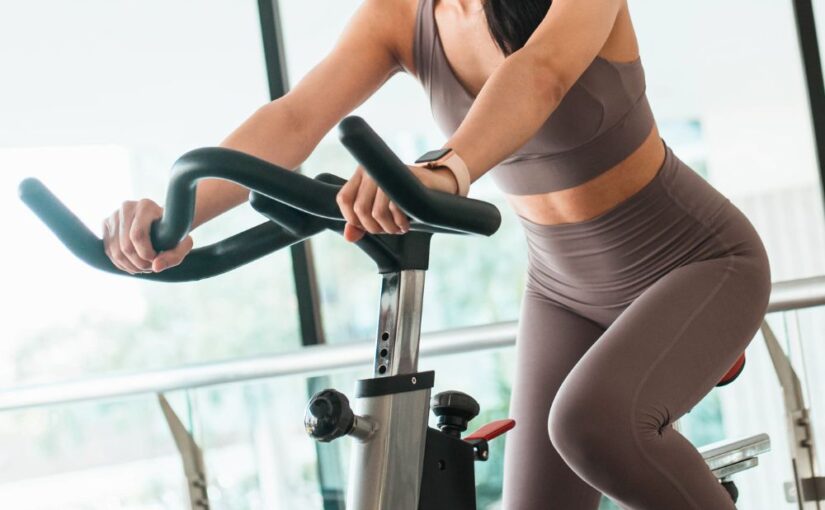
3. Low-Intensity Cycling

A slow, steady ride on a stationary or outdoor bike after dinner helps circulation and light calorie burn without stressing digestion.

4. Tai Chi or Mobility Work

These mindful movement practices improve flexibility and relaxation. They’re ideal for winding down without elevating heart rate too much.


Post-Dinner Exercise Comparison Chart

Exercise TypeIntensityWait Time After MealPrimary BenefitBest For
WalkingLow15–30 minHelps digestion, blood sugarAll levels
Light YogaLow15–30 minRelaxation, reduces bloatingBeginners, stress relief
Cycling (light)Low-Moderate30–45 minCalorie burn, circulationWeight management
Tai ChiLow20–30 minMindfulness, balanceOlder adults, beginners
HIIT or LiftingHigh60–90 minPerformance, muscle gainAdvanced, not ideal post-meal

Key Benefits of Exercising After Dinner

Improved Digestion

Light movement encourages blood flow to the digestive tract and helps your body process food more efficiently.

Better Blood Sugar Control

Post-meal activity, especially walking, can help lower blood glucose levels—especially helpful for those with insulin resistance or Type 2 diabetes.

Weight Management

Evening exercise can help burn off excess calories from dinner and contribute to a daily calorie deficit.

Reduced Bloating or Discomfort

Movement may prevent feelings of heaviness or sluggishness that often follow large meals.

Stress Relief and Sleep Support

Gentle activity can help reduce stress and support better sleep—especially if you avoid intense workouts late at night.


What to Avoid After Dinner

  • High-Intensity Training (HIIT)
    Doing intense workouts too soon after eating can lead to cramps, nausea, or indigestion. Wait at least 90 minutes if planning high-effort sessions.
  • Heavy Weightlifting
    Like HIIT, heavy lifting right after a meal diverts blood away from digestion, which can leave you feeling uncomfortable or bloated.
  • Lying Down Immediately
    Avoid lying down or going to bed right after eating, as it may trigger acid reflux and slow digestion.

When Should You Exercise After Dinner?

Ideally, wait 20 to 45 minutes after your meal before engaging in any physical activity. This gives your body time to start digestion but still allows you to benefit from post-meal movement. If you’ve had a heavy or high-fat meal, consider waiting longer—up to 60–90 minutes.


Tips for Safe and Effective Post-Dinner Workouts

  • Keep intensity low to moderate.
  • Stay hydrated, especially if you consumed a salty or high-carb meal.
  • Wear comfortable clothing that doesn’t constrict your stomach.
  • Listen to your body—if you’re too full or tired, opt for light stretching or a shorter walk.
  • Be consistent: Evening routines can help build long-term healthy habits.

Conclusion: Best Exercise After Dinner—What Are the Benefits?

So, Best Exercise After Dinner: What Are the Benefits? The answer depends on your goals, but for most people, the advantages are clear. A walk, light cycling, or gentle yoga after dinner can support digestion, stabilize blood sugar, and promote relaxation. Just avoid intense training too soon after eating, and allow enough time for your body to begin digestion.

If you’re looking to improve your health with minimal disruption to your routine, incorporating the best exercise after dinner may be one of the simplest changes you can make.


Frequently Asked Questions (FAQ)

Is It Okay to Exercise Right After Dinner?

It’s best to wait 20–45 minutes after eating before doing light exercise. This gives your body time to begin digestion and reduces the risk of discomfort.

What is the Best Type of Exercise to Do After Dinner?

Walking is the most recommended post-dinner exercise. It’s low impact, supports digestion, and helps regulate blood sugar. Gentle yoga or light cycling are also effective.

Can Exercising After Dinner Help With Weight Loss?

Yes, consistent light activity after dinner can contribute to a daily calorie deficit and support weight loss, especially when combined with a balanced diet.

Will Working Out After Dinner Affect My Sleep?

Low- to moderate-intensity exercise may improve sleep quality. However, intense workouts too late in the evening may raise your heart rate and delay sleep onset.

What Should I Avoid Doing After Eating?

Avoid lying down, going to bed, or doing high-intensity workouts immediately after a meal, as these can interfere with digestion and cause discomfort.

Helpful Accessories for Post-Dinner Exercise

If you’re looking to incorporate light movement into your evening routine, the following types of equipment can support safe and effective post-dinner workouts. Each option is suitable for low-impact activities that align with the goals of improved digestion, relaxation, or weight management.

Treadmills

Compact or foldable treadmills can make walking after dinner more convenient, especially when outdoor walking isn’t practical. Look for models with low-speed settings and quiet operation to keep your workouts gentle and home-friendly.

Yoga Mats

A supportive, non-slip yoga mat is ideal for stretching, mobility work, or gentle yoga routines. Mats with extra cushioning may be more comfortable for evening sessions focused on relaxation and digestion.

Stationary Bikes

Low-resistance stationary bikes allow for light cycling, which can support circulation and calorie burn after a meal. Choose a bike with adjustable settings so you can control the intensity and maintain comfort during your session.


Affiliate Disclaimer: The above links are affiliate links. If you choose to make a purchase through these links, we may earn a small commission at no additional cost to you.


Is Cardio on an Empty Stomach Good? What to Know

A common question in fitness is, Is cardio on an empty stomach good? Some people believe it helps burn fat faster. Others say it leads to muscle loss and low energy. If you’re doing fasted cardio at home, it’s important to understand how it works, its benefits, and how to do it safely.

What Is Fasted Cardio?

Fasted cardio is performing cardio exercise without eating beforehand. The theory behind it is that, without recent food intake, your body uses stored fat as fuel, but is this method a one-size fits all? That question hinges on your fitness goals and how your body responds.

The Pros of Fasted Cardio

  1. Better Fat Utilization
    The body may burn a higher percentage when fasted. Not surprisingly, this makes it a popular method for those aiming to shed weight or reduce body fat.
  2. Morning Efficiency
    For home gym enthusiasts, fasted cardio can save time by removing the need to eat, digest, and clean up. You can start your session right away.
  3. Improved Insulin Sensitivity
    According to some research, fasted cardio may improve your body’s insulin sensitivity. This can benefit overall metabolic health.

The Cons of Fasted Cardio

  1. Muscle Breakdown Risk
    In the absence of food in your system, your body might use muscle protein for energy. This risk is higher after lengthy or intense workouts.
  2. Lower Energy and Performance
    Some may feel less energized or lightheaded when training fasted. If your energy dips, your performance might suffer.
  3. Hunger and Overeating Later
    Some may feel extremely hungry post fasted workouts, which can potentially lead to overeating later in the day.

What Cardio Is Best When Fasted?

Stick to low- or moderate-intensity cardio. Low-impact exercises such as walking, gentle jogging, or cycling are ideal choices. They primarily use fat as an energy source and put less strain on your muscles. Steer clear of high-intensity routines like HIIT unless you’ve eaten beforehand or have built up experience.

How Long Should Fasted Cardio Be?

Aim for 20 to 45 minutes. Shorter sessions allow the body to dip into its fat stores without overstressing the system. Beginners should start at the lower end. Is Cardio on an Empty Stomach Good for extended workouts? Not always—going longer than 45 minutes may increase fatigue or muscle breakdown.

How Often Should You Do Fasted Cardio?

Limit fasted cardio to 2–4 times per week. This limitation helps your body adequate recovery time and lowers the risk of overtraining. To maintain balance, alternate with strength training and workouts done after eating.

What Should You Drink During Fasted Cardio?

Even if you skip food, hydration is essential. Here’s what to drink:

  • Water: Always hydrate before and during your workout.
  • Electrolyte drinks: Opt for zero-calorie or low-calorie versions. They replenish electrolytes lost through sweat while keeping you in a fasted state.
  • Black coffee or green tea: Each offers a natural caffeine boost that can increase alertness and support fat metabolism. Just avoid adding sugar or cream.

Stick to calorie- and carb-free beverages to maintain your fasted state.

Fasted Cardio After Weight Training: Good or Bad?

Is cardio exercise while fasted good post strength training? It varies by individual. Your body needs nutrients post-weight lifting to begin repairing muscles. Adding fasted cardio immediately afterward could raise the risk of muscle loss due to already depleted energy stores.

However, light cardio post-lifting—like walking or slow cycling—can help blood flow and reduce soreness. If your goal is muscle growth, you may want to eat after lifting, then do cardio later or another day.

Benefits of Fasted Cardio After Weight Training

  • Maximized Fat Burning: Your body may already be low on glycogen, encouraging fat use post-lifting.
  • Time-Saving: Doing strength training and cardio during the same session saves time, which is fantastic for home gym routines.
  • Recovery Support: Performing light cardio exercise helps reduce lactic acid buildup and helps recovery.

Is Cardio Exercise Beneficial on an Empty Stomach?

The benefits of doing exercise on an empty stomach vary depending on your body and goals. It can be effective for fat loss if you feel powerful and energized. However, if it exhausts you or you’re looking to build muscle, fueling yourself ahead of time may be beneficial.

Fasted Cardio At-A-Glance: Pros, Cons & Best Practices

Here’s a quick overview of fasted cardio essentials to help guide your approach:

CategoryDetails
Best Time to Do ItMorning, before breakfast
Best Cardio TypesWalking, light jogging, cycling
Avoid WhenDoing HIIT or intense training fasted (unless experienced/fueled)
Session Length20–45 minutes
Weekly Frequency2–4 sessions per week
Hydration TipsWater, electrolyte drinks (zero-cal), black coffee, green tea
Potential BenefitsFat burning, time efficiency, improved insulin sensitivity
Potential DrawbacksFatigue, muscle loss, post-workout hunger
After Weight Training?Light cardio only; avoid if muscle growth is the priority
Who Should Avoid It?Those prone to dizziness, muscle loss, or training for muscle gain

Conclusion: Should You Try Fasted Cardio?

So, is cardio on an empty stomach good? For many people, the answer is yes—especially when done safely and responsibly. It can help you lose weight and make your home training routine easier. Stay hydrated, listen to your body, and do light to moderate cardio. If you’re feeling sluggish or weak, adjust your regimen accordingly.

Disclaimer: Always consult with a healthcare provider or fitness professional before starting any new workout routine, especially if you have medical conditions, are pregnant, or take medications. What works for one person may not be safe or effective for another.


Frequently Asked Questions (FAQ)

Can I Build Muscle While Doing Fasted Cardio?

Fasted cardio isn’t ideal for muscle gain since training without fuel may increase muscle breakdown. If building muscle is your goal, prioritize strength training and consider eating before cardio.

Will I Burn More Fat With Fasted Cardio?

You may burn a higher percentage of fat during fasted cardio, but total fat loss depends on overall calorie balance. It can be effective, but it’s not necessarily superior for everyone.

Is It Okay to Drink Black Coffee Before Fasted Cardio?

Yes. Black coffee is calorie-free and contains caffeine, which may boost energy and fat oxidation—making it a common fasted cardio choice.

How Soon Should I Eat After Fasted Cardio?

Ideally, eat a balanced meal or snack with protein and carbs within 30 to 60 minutes after your session to support recovery and prevent muscle breakdown.

Who Should Avoid Fasted Cardio?

People prone to dizziness, low blood sugar, or those focused on strength and muscle gains should be cautious. Always consult a healthcare provider if you’re unsure.

Recommended Products for Fasted Cardio Support

To help you get the most out of your fasted cardio routine, here are some commonly used product types that align with the strategies discussed in this article.

Electrolyte Supplements
Staying hydrated during fasted cardio is essential. Opt for zero- or low-calorie electrolyte drinks, powders, or tablets that supply sodium, potassium, and magnesium without added sugars. They support hydration and endurance while keeping you in a fasted state.

Black Coffee or Green Tea
Caffeine can support alertness and fat metabolism during fasted sessions. Select unsweetened green tea or black coffee with no calories or additives.

Compact Cardio Equipment
Low-impact cardio machines like folding treadmills, mini stationary bikes, or air bikes are well-suited for fasted workouts at home. These can help you stay consistent and avoid high-impact strain during early sessions.

Protein Powders (Post-Workout Recovery)
Refueling after fasted cardio is key to recovery. A clean, high-quality protein powder—whether whey or plant-based—can help rebuild muscle and support long-term progress.

Fitness Trackers or Smartwatches
Devices that track heart rate, session length, and calorie burn can help you monitor your performance and recovery, especially when training in a fasted state.


Affiliate Disclosure: The links above are affiliate links, which means this site may earn a small commission if you choose to make a purchase—at no additional cost to you.

Cardio Before or After Weights for Fat Loss?

When it comes to shedding fat, a frequently asked question is: cardio before or after weights for fat loss—which order delivers better results? Whether you’re a beginner aiming to lose weight or someone refining their fitness plan, understanding how your body responds to workout sequencing can make a noticeable difference.

This article will break down how cardio and strength training affect fat loss, the pros and cons of doing one before the other, and how to structure your workouts to get leaner efficiently and sustainably.


How Cardio and Strength Training Support Fat Loss

Losing body fat requires creating a calorie deficit (i.e., using more energy than you take in). Cardio and strength training both support this goal, but they do so differently.

  • Cardio elevates your heart rate and burns calories while you’re exercising, making it an effective way to use energy on the spot.
  • Weight training helps build muscle, and muscle tissue burns more calories at rest than fat does. Over time, this leads to a higher resting metabolic rate, which supports long-term fat loss.

The most effective fat-loss plans combine both cardio and strength training. However, if you’re doing both in the same workout, their order can impact your performance and outcomes.


Cardio Before Weights: What to Know

Doing cardio first has benefits, especially if your primary goal is improving cardiovascular endurance or using exercise as a warm-up.

Benefits:

  • Effective warm-up: Light cardio raises your body temperature, which can reduce injury risk during weights.
  • Endurance focus: If you’re training for events like running or cycling, it makes sense to prioritize cardio.
  • Fat use during cardio: When done at moderate intensity, cardio performed first may increase fat oxidation—although this depends on many factors like diet and fitness level.

Drawbacks:

  • Reduced energy for lifting: Cardio can deplete your glycogen stores and tire you out, leaving you with less strength for weight training.
  • Lower muscle activation: If you’re fatigued from cardio, your lifting form may suffer, which can affect progress and increase injury risk.
  • Less impact on metabolism: Cardio doesn’t build muscle the way resistance training does, which may limit long-term calorie burn.

Weights Before Cardio: A Better Choice for Fat Loss

Starting your session with weights is generally considered better for fat loss, particularly if you want to retain or build lean muscle while dropping fat.

Benefits:

  • Maximizes strength: Lifting weights when fresh allows you to use proper form and heavier resistance.
  • Promotes muscle preservation: Muscle is crucial for keeping your metabolism high, and lifting first supports that goal.
  • Enhances post-workout calorie burn: Weight training often leads to greater post-exercise calorie burn compared to cardio alone.

Considerations:

  • Tired during cardio: Your cardio session may feel more challenging after lifting. However, for most fat-loss goals, the trade-off is worth it.
  • Time constraints: Doing both in one session can be long and tiring, so time management is important.

Tailoring Your Training to Your Goals

Your training order should reflect your primary goal. If you want to shed fat while keeping strength and muscle, lifting weights before cardio is usually more beneficial. If you’re focused on improving heart health or running a race, then cardio before weights might be the right call.

Here’s a simple breakdown:

GoalSuggested Order
Fat loss + muscle retentionWeights before cardio
Cardiovascular enduranceCardio before weights
General fitness or maintenanceEither order is fine

No matter your order, consistency and intensity are more important than perfection. If one format helps you stay on track and feel motivated, that’s the right choice for you.


Sample Fat-Loss Workout Schedule

Here’s a basic weekly routine that incorporates both cardio and weight training for fat loss:

  • Monday: Full-body strength training + 20 minutes moderate cardio
  • Tuesday: HIIT cardio session (20–30 minutes)
  • Wednesday: Active rest (walk, yoga, or light stretching)
  • Thursday: Upper-body weights + 15 minutes steady-state cardio
  • Friday: Lower-body weights + 20–30 minutes cardio
  • Saturday: Light cardio (jog, cycle, or swim)
  • Sunday: Rest or optional walk

This setup spreads your energy across the week and supports both muscle development and fat burning without overtraining.


Fat Loss Tips Beyond Workout Order

Regardless of which order you follow, there are other important factors that influence fat loss:

1. Nutrition Matters Most

Exercise helps, but fat loss is primarily driven by your diet. Place emphasis on whole foods, lean proteins, healthy fats, and fiber. Avoid high-sugar, high-calorie processed foods that slow your progress.

2. Track Progress in Multiple Ways

Don’t rely on the scale alone. Use progress photos, body measurements, how your clothes fit, and strength gains to monitor fat-loss progress more accurately.

3. Stay Hydrated and Sleep Well

Lack of sleep and dehydration can lead to poor recovery, increased hunger, and reduced workout performance. Make it a goal to get about 7–9 hours of sleep and stay hydrated by consuming plenty of water everyday.

4. Be Consistent

Whether you start with cardio or weights, being consistent with your training and staying active throughout the week will make the biggest impact.


Conclusion: Cardio Before or After Weights for Fat Loss?

When it comes to fat loss, should you place more emphasis on cardio over lifting weights? For most people aiming to lose fat while preserving muscle, doing weights first and cardio second is the more effective approach. It allows you to train harder, build lean mass, and take advantage of higher post-workout calorie burn.

However, the “best” method is ultimately the one that fits your lifestyle and helps you stay consistent. If you enjoy starting with cardio or your schedule limits your options, that’s perfectly fine. The most important factor in any fat-loss journey is long-term commitment to smart habits—balanced training, proper nutrition, and recovery.

Choose the approach that suits your body and objectives best, and you’ll see progress over time.


Frequently Asked Questions (FAQ)

Should I Do Cardio or Weights First if My Main Goal is Fat Loss?

It’s generally more effective to do weight training first if fat loss is your priority. Lifting when your energy levels are high helps you maintain muscle, which supports a higher metabolism and long-term fat burning.

Will Doing Cardio After Weights Burn More Fat?

Yes, doing cardio after weights can enhance fat burn because your body may turn to fat stores for energy after depleting glycogen during strength training. It also helps you train harder during weights, preserving muscle mass.

Is It Okay to Do Both Cardio and Weights on the Same Day?

Absolutely. Combining cardio and strength training in one session is fine as long as you manage your intensity and recovery. Just prioritize the one most aligned with your goal by doing it first.

How Many Times Per Week Should I Do Cardio for Fat Loss?

For fat loss, aim for 3 to 5 cardio sessions per week, depending on your fitness level and time availability. Include a mix of moderate-intensity and high-intensity cardio to keep it effective and sustainable.

Can I Lose Fat With Just Cardio or Just Weight Training?

Yes, both methods can help with fat loss, but combining them yields better results. Cardio burns calories during exercise, while weight training helps you maintain or build muscle, which boosts your metabolism over time.

Recommended Equipment for Cardio Training

If you’re building a home gym or looking to supplement your workouts, the following types of cardio machines can support your fat-loss goals.

Treadmills

Ideal for walking, jogging, or running, treadmills offer a convenient way to get steady-state or interval cardio sessions indoors.

Ellipticals

Low-impact and joint-friendly, ellipticals provide full-body cardio by engaging both arms and legs.

Spin Bikes

Great for high-intensity cardio and interval training, spin bikes mimic cycling workouts and help build endurance and lower-body strength.

Stair Climbers

These machines simulate stair climbing, offering a challenging cardio option that targets the glutes, hamstrings, and calves.


Affiliate Disclaimer:
The links above are affiliate links. This means that if you click on a link and make a purchase, we may earn a small commission at no additional cost to you.
Are Saunas Good for Weight Loss? A Quick Look

When it comes to weight loss, people often search for methods that require less physical effort and promise quicker results. The sauna remains a widely popular wellness trend that frequently piques interest. Many wonder: are saunas good for weight loss, or are their benefits mostly limited to relaxation and muscle recovery? While saunas do offer several health advantages, their direct impact on fat loss and long-term weight management is more nuanced.

In this article, we’ll explore what happens to your body in a sauna, examine the science behind the weight loss claims, and uncover whether sitting in the heat can truly help you shed pounds.


Understanding What a Sauna Does to Your Body

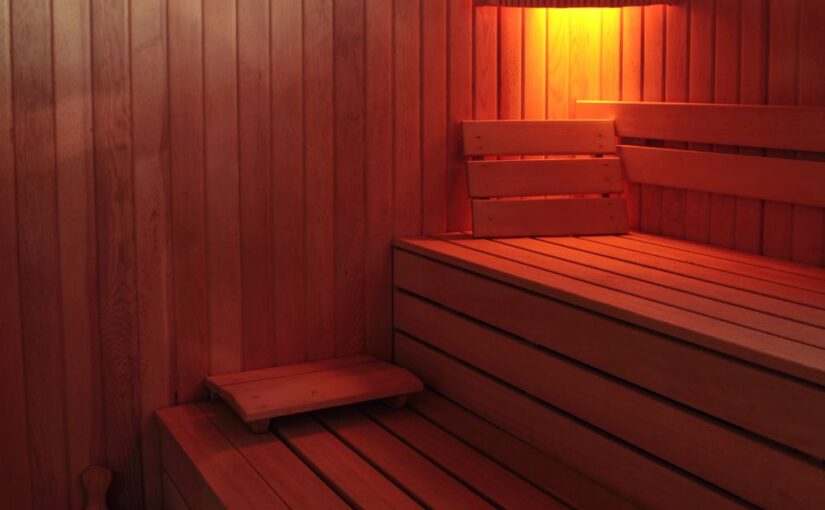
While in a sauna, the body is exposed to high, dry heat. Temperatures typically reach between 150°F and 195°F or 65°C to 90°C, which raises core body temperature. Within minutes, your heart rate increases, blood vessels expand, and you begin sweating heavily. This cardiovascular response can resemble some of the effects of modest physical exertion.

During a sauna session:

  • The body works to cool itself through sweating
  • Heart rate can rise up to 30% above resting levels
  • Core temperature increases, temporarily boosting metabolism

These reactions cause a short-term calorie-burning effect, leading some to believe that saunas directly aid in fat loss. But does sweating really mean you’re burning fat?


Are Saunas Good for Weight Loss or Just Water Loss?

After a sauna session, one of the first effects you may observe is a reduction in water weight. In just 15 to 30 minutes, it’s possible to lose 1 to 3 pounds, but it’s crucial to understand that this weight loss is primarily water, not fat.

Once you rehydrate, most of that weight returns. So, if you’re asking are saunas good for weight loss in terms of sustained fat loss, the answer is more complex.

What the Research Says:

  • A study published in the International Journal of Environmental Research and Public Health examined the effects of twelve high-temperature sauna sessions on body composition in healthy young men. The research found that while sauna bathing led to a slight reduction in body fat percentage, the changes were modest and not sufficient to replace the benefits of regular physical exercise. This suggests that while saunas may offer some health benefits, they should not be considered a substitute for traditional exercise.
  • Some evidence suggests infrared saunas may penetrate deeper into body tissues, potentially improving circulation and detoxification. However, actual fat loss remains minimal without dietary or activity changes.

In short, while saunas may make you feel temporarily leaner, they don’t result in substantial fat burning. Still, saunas offer indirect benefits that may support long-term weight loss efforts.


Indirect Benefits That Support Weight Loss

Although saunas won’t melt away fat on their own, they can enhance a healthy lifestyle that encourages weight loss. Here’s how:

1. Reduced Stress and Cortisol Levels

Chronic stress increases cortisol, a hormone associated with belly fat storage. Sauna sessions promote relaxation, helping reduce stress and potentially regulating cortisol—supporting weight control over time.

2. Improved Recovery and Muscle Function

Post-exercise muscle soreness can hinder your routine. Sauna heat helps relax muscles and improve circulation, speeding up recovery. This helps maintain regular physical activity, which is essential for sustained weight loss.

3. Better Sleep Quality

Regular sauna sessions can improve sleep by boosting the body’s natural melatonin levels. Poor sleep is a major factor in weight gain, as it disrupts hunger-regulating hormones like ghrelin and leptin.

4. Mild Detoxification Through Sweating

While your liver and kidneys do most of the detox work, sweating can help remove small amounts of toxins. This may boost overall energy and well-being, making healthy choices easier to maintain.


Comparing Saunas to Other Weight Loss Methods

It’s essential to understand that saunas can’t replace regular exercise or balanced nutrition. For example, a 30-minute fast-paced walk can burn 150-200 calories, whereas an equal-length sauna session often burns only 30-60.

Quick Comparison:

MethodEstimated Calories Burned (30 min)Primary Effect
Brisk Walking150–200Cardiovascular fitness, fat loss
Cycling200–400Muscle toning, fat loss
Sauna Session30–60Water loss, relaxation

So, are saunas good for weight loss? Not on their own—but they can enhance your efforts when used alongside other healthy practices.


Types of Saunas and Their Effects

Different sauna types may offer slightly varied experiences and benefits:

Traditional (Dry) Sauna

  • Heats air using rocks or electric heaters
  • Encourages intense sweating
  • Good for cardiovascular stimulation

Infrared Sauna

  • Uses infrared light to warm the body directly
  • Operates at lower temperatures
  • May penetrate deeper for enhanced detox effects

Steam Room

  • High humidity and moist heat
  • Opens pores and hydrates skin
  • Less intense heat than dry saunas

All sauna types promote sweating and relaxation, but none should be viewed as standalone tools for weight loss.


Precautions and Considerations

Before incorporating sauna sessions into your routine, consider the following safety tips:

  • Keep Hydrated: Consume water before and after a session to prevent dehydration
  • Limit Time: Keep sessions to 20–30 minutes max
  • Consult Your Doctor: Especially if you have heart conditions, low blood pressure, or are pregnant
  • Use as a Supplement: Saunas should complement, not replace, other weight loss efforts

Conclusion: Are Saunas Good for Weight Loss?

So, are saunas good for weight loss? The answer depends on your expectations. Saunas don’t cause significant calorie burn or immediate fat reduction. However, they do offer valuable indirect benefits—from improved sleep and recovery to reduced stress—that can support a healthy weight-loss journey when combined with proper diet and exercise.

Used safely and consistently, saunas can be a powerful complement to your wellness routine—but not a replacement. As with any sustainable weight loss approach, the best results come from combining multiple healthy habits, not relying on any single method alone.


Frequently Asked Questions (FAQ)

Are Saunas Effective for Burning Fat?

Saunas can lead to temporary weight loss through water loss, but they do not significantly burn fat. Any fat-burning effects are minimal without exercise and a healthy diet.

How Many Calories Do You Burn During A Sauna Session?

A typical 30-minute sauna session burns between 30 and 60 calories, depending on body size and heat intensity. This is far less than the calories burned during physical exercise.

Can Using a Sauna Help Support a Weight Loss Plan?

Yes, when used alongside proper diet and exercise, saunas can support weight loss indirectly by reducing stress, improving sleep, and aiding muscle recovery.

How Often Should You Use a Sauna for Wellness Benefits?

Most experts recommend two to four sessions each week, with each lasting 15 to 30 minutes. Stay hydrated and listen to your body.

Does Sauna Use Detox the Body?

Sauna-induced sweating may help eliminate small amounts of toxins, but your liver and kidneys are primarily responsible for detoxification.

How to Burn Fat Without Exercise?

How to Burn Fat Without Exercise is a common question for those looking to lose weight without hitting the gym. The good news is that specific lifestyle changes can significantly help in burning fat, even without structured workouts. Here are some evidence-based strategies to help you on your journey.


1. Hydrate Properly

Drinking enough water is crucial for boosting metabolism and controlling appetite. Thirst is often confused with hunger, leading to the consumption of extra calories. Drinking water prior to eating can help you feel full, which may help reduce overall caloric consumption. Additionally, staying properly hydrated aids your body in breaking down and utilizing stored fat more effectively. Try to consume around 8 glasses a day, but adjust this based on your personal needs and how active you are.


2. Prioritize Sleep

Sleep is crucial for managing your weight. When you don’t sleep well, it can throw off the hormones that control hunger, making you feel hungrier and crave more food. Getting 7 to 9 hours of quality sleep each night helps regulate hunger-related hormones, supporting your fat-loss efforts and overall health. Sticking to a regular sleep routine and creating a calm, restful space can also improve how well you sleep.


3. Manage Stress Effectively

Chronic stress increases cortisol levels, a hormone that can lead to fat storage, especially in the belly area. Using stress-relief methods like meditation, deep breathing, or hobbies can help reduce cortisol and prevent stress-related weight gain. Regular relaxation habits not only improve overall health but also support fat loss.


4. Adopt Mindful Eating Practices

Paying close attention to the process of eating and drinking, both physically and psychologically, is deemed mindful eating. This approach helps with portion control and can reduce overeating. Taking time to eat slowly and enjoy each bite allows your body to more accurately signal when you’re full, preventing overeating. Staying away from distractions, such as screens, can improve the mindfulness of your meals.

In addition to diet and rest, knowing how to burn fat without exercise also requires enhancing everyday movements and habits that extend beyond structured workouts.


5. Increase Non-Exercise Activity Thermogenesis (NEAT)

NEAT refers to the calories burned through non-exercise activities, like walking, fidgeting, and household chores. Increasing movement in your daily life can greatly boost total calorie burn. Simple habits like taking the stairs, walking during phone calls, or standing while working can contribute to fat loss over time.


6. Limit Intake of Sugary Beverages

Sugar-filled beverages like sodas, sweetened teas, and fruit juices are calorie-dense and can contribute to weight gain. These sugary drinks have little nutritional value and may increase appetite. Swapping sugary drinks for water, herbal teas, or black coffee will help you cut calories and lose weight.


7. Incorporate Fiber-Rich Foods

Fiber-rich foods like fruits, vegetables, legumes, and whole grains help keep you full longer and can lower your overall calorie intake. Fiber improves long-term satiety and helps keep blood sugar levels steady by slowing down digestion. Adding a variety of these fiber-packed foods to your meals can improve digestive health and aid in fat loss.


8. Cold Exposure Techniques

Recent studies suggest that mild cold exposure can stimulate brown adipose tissue (BAT), which burns calories to produce heat. Activities like cold showers or ice baths may boost metabolic rate and support fat loss. However, these methods should be used with caution and are not replacements for conventional weight loss approaches.


9. Cook More Meals at Home

Making meals at home offers more control over the ingredients and portion sizes. Home-cooked meals are typically healthier and lower in calories than those from restaurants or takeout. It also promotes the use of fresh, whole foods, which can aid in fat loss.


10. Track Your Progress

Tracking your food intake, hydration, sleep patterns, and stress levels can offer valuable insights into habits that impact fat loss. Using journals or apps to monitor these factors can help pinpoint areas for improvement and keep you accountable. Regular tracking also helps you monitor progress, which can boost motivation and encourage continued effort.


How to Burn Fat Without Exercise – Summary Chart

StrategyDescriptionFat-Burning Benefit
HydrationDrink water before meals and stay consistently hydratedBoosts metabolism, reduces appetite
Quality SleepAim for 7–9 hours of consistent, restful sleepRegulates hunger hormones, supports metabolism
Stress ManagementUse mindfulness, deep breathing, or hobbies to reduce stressLowers cortisol, reduces fat storage
Mindful EatingEat slowly and without distractionsImproves satiety, helps control portions
Increase NEATMove more during daily tasks (e.g., walking, standing, chores)Burns extra calories passively
Avoid Sugary DrinksReplace soda, sweetened tea, and juice with water or herbal optionsCuts empty calories, controls blood sugar
Eat More FiberInclude fruits, vegetables, legumes, and whole grainsIncreases fullness, slows digestion
Cold Exposure (Optional)Use cold showers or other mild cold exposure techniquesMay stimulate brown fat and metabolism
Home CookingPrepare meals at home using whole ingredientsImproves nutrition quality and portion control
Track Your ProgressUse apps or journals to monitor sleep, food, and habitsEncourages consistency and accountability

Conclusion

How to Burn Fat Without Exercise isn’t as complicated as it seems—it all comes down to making small, consistent lifestyle changes that yield long-term results. By incorporating smart adjustments into your daily routine, you can naturally and sustainably promote fat loss. Focus on habits like staying hydrated, prioritizing sleep, managing stress, practicing mindful eating, and adopting other healthy strategies. These simple steps, when followed over time, can lead to meaningful changes. Remember, the key is consistency, and seeking advice from healthcare professionals can help tailor your approach to your specific needs.


Frequently Asked Questions (FAQ)

Can I Really Lose Fat Without Doing Any Exercise?

Yes, it’s possible to lose fat without traditional exercise by making lifestyle changes like improving sleep, managing stress, eating more fiber, and staying hydrated. While exercise accelerates fat loss, it’s not the only factor.

What is the Most Effective Way to Burn Fat Without Exercising?

There isn’t one “best” method, but combining strategies—such as drinking more water, getting quality sleep, avoiding sugary drinks, and increasing daily movement—offers the most sustainable fat-burning results.

How Does Neat Help With Fat Loss?

NEAT (Non-Exercise Activity Thermogenesis) includes all the calories you burn through everyday movement like walking, cleaning, or fidgeting. Increasing NEAT can significantly boost daily calorie burn without workouts.

Do Cold Showers Actually Help Burn Fat?

Exposure to cold can activate brown fat, which produces heat by burning calories.While it’s not a primary fat-loss tool, it can support metabolism when combined with other lifestyle strategies.

How Long Before I Start Seeing Changes From These Habits?

Results vary by individual, but most people begin to notice changes within a few weeks of consistently following these lifestyle habits. Sleep, stress levels, metabolism, and food all affect progress.

What Cardio Burns the Most Fat?

When it comes to losing fat, cardio is frequently the primary choice for most people. But with so many options available, the question remains: What cardio burns the most fat? Whether you’re aiming to lose weight, tone your body, or improve your cardiovascular health, choosing the right form of cardio can make all the difference. In this article, we’ll break down the top cardio exercises that help you burn fat efficiently and discuss why certain types of cardio are more effective than others.

Understanding Fat Burning and Cardio

Before we dive into which cardio burns the most fat, it’s important to understand how fat burning works during exercise. When you engage in cardiovascular activity, your body relies on energy (calories) to fuel movement. Depending on the workout’s intensity and duration, the body draws energy from a mix of carbohydrates and fat.

Low-intensity cardio, such as walking, causes the body to burn more fat for energy. However, higher-intensity cardio, such as running or high-intensity interval training (HIIT), can burn more total calories, leading to greater overall fat loss.

Fat burning is influenced by several factors:

  • Exercise Intensity – Higher intensity leads to greater calorie and fat burn.
  • Duration – Longer workouts increase calorie expenditure.
  • Post-exercise Burn – Some cardio exercises, particularly high-intensity ones, cause your body to continue burning calories even after the workout ends, known as the afterburn effect (or EPOC).

Top Cardio Exercises That Burn the Most Fat

Calorie Burn Comparison by Cardio Type

Want to know which cardio workouts torch the most fat? This quick comparison shows the estimated calories burned in one hour by a 155-pound person.

Cardio ExerciseEstimated Calories Burned/Hour (155 lbs)Notes
HIIT600–900+High afterburn effect (EPOC)
Running (6 mph)~600Easily scalable by pace/distance
Jump Rope~800–900Full-body, high-intensity
Swimming (vigorous)~700Low impact, engages all major muscles
Cycling (moderate)~500Customizable intensity
Walking (brisk pace)~300Low intensity, accessible

1. High-Intensity Interval Training (HIIT)

HIIT is among the most efficient forms of cardio for maximizing fat burn. This type of workout involves switching between short, intense exercises and slower-paced or rest intervals to allow for recovery. The high-intensity bursts push your heart rate up significantly, leading to a greater calorie burn in a shorter amount of time.

Why HIIT Burns the Most Fat:

  • HIIT increases your heart rate, which means more calories are burned both during and after the workout.
  • The afterburn effect (EPOC) is much higher in HIIT, meaning your body continues to burn fat for hours after you finish your workout.
  • It’s time-efficient—HIIT sessions typically last only 20 to 30 minutes but provide a high return in terms of fat loss.

Studies have shown that HIIT can help reduce body fat more effectively than traditional steady-state cardio, like jogging or cycling, in a similar amount of time.

2. Running (Moderate to High Intensity)

Running has long been considered a classic exercise due to its effectiveness in burning fat. Whether you’re running on a treadmill, outdoors, or on a track, running at moderate to high intensity burns a significant amount of calories in a short period.

Why Running Burns Fat:

  • Running uses big muscle groups and needs a lot of energy, so it burns fat quickly.
  • The higher your pace or intensity, the more calories you burn, resulting in more fat loss.
  • It’s easy to track your progress and adjust the intensity of your runs, whether you’re working on distance or speed.

For instance, a 155-pound person running at 6 mph can burn about 600 calories per hour. Increasing the intensity or speed of your run boosts caloric burn.

3. Cycling (Outdoor or Stationary)

Cycling is another effective cardiovascular exercise for burning fat. Both outdoor cycling and stationary cycling (e.g., spin classes) are great ways to get your heart rate up and burn a high number of calories.

Why Cycling Burns Fat:

  • Cycling can be done at various intensity levels, allowing you to customize your workout for maximum fat loss.
  • Similar to running, cycling activates major leg muscles, boosting overall calorie expenditure.
  • Intense cycling sessions, like those in spin classes, often include interval training, which boosts fat burning through the afterburn effect.

During a moderate cycling session, a 155-pound person can burn about 500 calories per hour. To increase fat-burning potential, increase the intensity or add in sprints or hills.

4. Swimming

Swimming is a low-impact aerobic exercise that burns fat while using multiple muscle groups. Whether you’re swimming laps in a pool or performing water aerobics, swimming can help you shed fat effectively.

Why Swimming Burns Fat:

  • Swimming uses almost every muscle in your body, which increases your calorie burn.
  • It’s a full-body workout that boosts your metabolism and promotes fat loss.
  • Swimming is especially effective for people with joint issues, as it’s easy on the joints while still providing a high-fat-burning workout.

A vigorous hour of swimming can burn around 700 calories for a person who weighs 155 pounds. The added resistance from the water also helps tone muscles, making it a great option for both fat loss and muscle building.

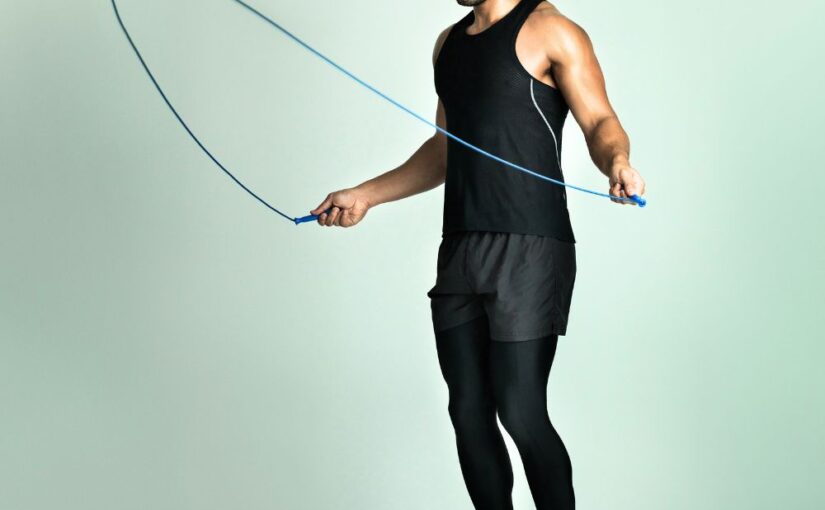
5. Jump Rope

Jumping rope is a fun and highly effective form of cardio that burns fat quickly. It’s easy to do at home, doesn’t require much equipment, and can be a great addition to your fat-burning routine.

Why Jump Rope Burns Fat:

  • Jump rope is a high-intensity workout that engages the entire body, boosting calorie burn.
  • It improves cardiovascular health while toning muscles and burning fat.
  • You can incorporate various jump rope techniques (e.g., double unders, high knees) to increase the intensity and calorie burn.

A 155-pound person has the potential to burn around 900 calories per hour through rope jumping. Even just 15-20 minutes of jumping rope can provide a serious fat-burning workout.

Which Cardio Burns the Most Fat?

So, what cardio burns the most fat? While all the exercises listed above are effective for burning fat, HIIT stands out as the top choice for fat loss due to its intensity and ability to boost your metabolism post-workout. It not only helps you burn fat during the workout but also keeps your body burning calories for hours afterward.

However, the ideal cardio for fat loss will ultimately be determined by your specific preferences and goals. If you enjoy running, cycling, or swimming, you can still achieve impressive fat loss with those activities as long as you focus on intensity and consistency.

Conclusion

In the battle of what cardio burns the most fat, HIIT takes the lead for its efficiency and fat-burning power. However, a combination of high-intensity workouts like running, cycling, swimming, or jump rope can also be highly effective for fat loss. The key is consistency and finding a workout routine that keeps you motivated and engaged.

Remember, the most important factor is sticking with a routine that you enjoy and can commit to long-term. Whether you’re sprinting, cycling, swimming, or jumping rope, consistency is what ultimately leads to fat loss.

So, start today and choose a cardio exercise that suits your lifestyle, and get ready to see those fat-burning results!


Frequently Asked Questions (FAQ)

What Cardio Burns the Most Fat Overall?

High-Intensity Interval Training (HIIT) burns the most fat overall due to its intensity and strong afterburn effect.

Is Running Better Than Cycling for Fat Loss?

Both are effective, but running typically burns more calories per hour. However, cycling can be easier on the joints and more sustainable for some.

How Long Should I Do Cardio to Burn Fat Effectively?

For fat loss, aim for at least 30–45 minutes of moderate cardio or 20–30 minutes of HIIT, 3–5 times per week.

Does Fasted Cardio Help Burn More Fat?

Some studies suggest fasted cardio may increase fat usage for energy, but total daily calorie balance is more important for fat loss.

What Cardio Burns the Most Fat at Home?

Jump rope and bodyweight HIIT workouts are top home cardio options—they burn a high number of calories with minimal equipment.

Recommended Equipment for Effective Fat-Burning Cardio

Looking to bring your cardio workouts home? Here are some popular options that support fat-burning routines like HIIT, steady-state cardio, and more:

Upright Exercise Bikes – Great for low-impact fat-burning sessions and interval training.

Air Bikes (Fan Bikes) – Ideal for high-intensity cardio; they adjust resistance based on how hard you push.

Manual Treadmills – A more affordable, electricity-free option that engages more muscle groups while walking or running.

Elliptical Machines – Low-impact and full-body, ellipticals are great for steady fat-burning cardio and recovery days.


Affiliate Disclaimer

The links above are affiliate links, which means we may earn a small commission if you click through and make a purchase—at no additional cost to you.

What Burns the Most Calories Cardio or Weights?

When it comes to getting fit, burning calories is often a top priority. Whether your goal is weight loss, improved endurance, or overall health, understanding how your body uses energy during exercise can help you create a more effective workout plan.

So, the question still stands: What Burns the Most Calories—Cardio or Weights?

The answer isn’t as straightforward as it seems. Each form of exercise offers unique benefits, and calorie burn depends on several factors—including intensity, duration, body composition, and fitness level. Let’s explore the science and real-world outcomes of cardio versus weight training when it comes to maximizing calorie burn.


Understanding Calorie Burn

Before diving into cardio and weights, it’s important to understand how calorie burn works. Your body uses energy (calories) for everything—from breathing to digesting food to running a marathon. Exercise increases your energy expenditure, and the harder or longer you work out, the more calories you burn.

Calorie burn during exercise depends on:

  • Your weight and muscle mass
  • Workout intensity and duration
  • Type of exercise
  • Post-exercise calorie burn (afterburn or EPOC)

Now, let’s explore how cardio and weight training compare.


Cardio: The Traditional Calorie Burner

Cardiovascular exercise—think running, cycling, swimming, or using the elliptical—is well-known for its ability to burn a high number of calories in a relatively short time. During cardio, your heart rate stays elevated, and your body continuously uses oxygen to fuel movement.

How Many Calories Does Cardio Burn?

Calorie burn can differ, but here are approximate figures for someone weighing 155 pounds:

  • Running (6 mph): ~600 calories/hour
  • Cycling (moderate effort): ~500 calories/hour
  • Jump rope: ~700–900 calories/hour
  • Swimming (vigorous): ~700 calories/hour

Generally, upping the speed or intensity of your cardio workout leads to a greater calorie burn. High-intensity interval training (HIIT), a form of cardio, is particularly effective for burning a lot of calories quickly.

Pros of Cardio for Calorie Burn

  • Burns more calories during the workout
  • Great for heart health and endurance
  • Accessible and easy to scale
  • Requires little or no equipment

However, cardio has a shorter afterburn effect (excess post-exercise oxygen consumption, or EPOC) compared to weight training. That means your calorie burn drops quickly once the session ends—unless it’s a very intense workout like HIIT.


Weight Training: The Long-Term Calorie Burn Strategy

Weight or resistance training builds muscle, increases strength, and improves metabolic health. While it may not burn as many calories during the actual workout compared to cardio, it has long-term metabolic benefits.

How Many Calories Does Weight Training Burn?

Again, for a 155-pound person:

  • Moderate weightlifting: ~200–300 calories/hour
  • High-intensity strength training (with minimal rest): ~400–500 calories/hour

While this is less than cardio, weight training contributes to calorie burn in other significant ways.

The Afterburn Effect (EPOC)

One of the biggest calorie-burning benefits of weight training is EPOC, which can keep your metabolism elevated for up to 24–48 hours post-workout. This means you continue burning more calories after you leave the gym, especially if the workout is intense.

Muscle Increases Your Resting Metabolism

Muscle, unlike fat, is a metabolically active tissue that burns more calories during rest. The more muscle mass you have, the more calories your body needs to keep itself, even when you’re sitting or resting.

Pros of Weight Training for Calorie Burn

  • Increases muscle mass, which boosts resting metabolism
  • Stronger EPOC/afterburn effect
  • Builds long-term, sustainable fat-burning capability
  • Enhances strength and injury prevention

The Ideal Combination: Why You Can Benefit from Both

While the question What burns the most calories: cardio or weights?” is a legitimate one, the most effective approach could be combining both. Each form of exercise offers distinct benefits, and together, they create a synergistic effect.

Here’s how combining them helps:

  • Cardio gives you quick calorie burn and improves heart health.
  • Weight training increases lean muscle mass and boosts your resting metabolism.
  • Together, they enhance fat loss, muscle tone, endurance, and strength.

Sample Weekly Workout Plan

DayWorkout Type
MondayFull-body strength training
Tuesday30–45 minutes moderate cardio
WednesdayHIIT session (20–30 minutes)
ThursdayRest or light activity (walking/yoga)
FridayStrength training (upper or lower body focus)
SaturdayLong cardio (bike ride, hike, or run)
SundayActive recovery or rest

This balanced approach targets calorie burn during workouts and promotes long-term fat loss and health gains.


So, What’s Better for Burning Calories?

If you’re strictly comparing calories burned per session, cardio usually wins. But if you’re looking for sustained calorie burn, body recomposition, and long-term metabolism boost, weight training has a significant edge.

Final Verdict:

  • For immediate calorie burn: Cardio comes out on top.
  • For long-term fat burning and metabolism: Weight training is more powerful.
  • Best overall strategy: Combine both for maximum results.

Conclusion

The debate of “What burns the most calories: cardio or weights?” is not only about the numbers—it also depends on your goals, preferences, and your long-term commitment to staying healthy. Cardio and weight training both offer unique benefits that contribute to a stronger, fitter body. Instead of choosing one, the smartest approach is to blend both into your weekly routine.

Whether you’re hitting the treadmill or lifting weights, consistency is what truly burns the most calories over time.


Frequently Asked Questions (FAQ)

What Burns More Calories in One Session: Cardio or Weights?

Cardio typically burns more calories during a single workout, especially high-intensity exercises like running or jumping rope.

Does Weight Training Help Burn Calories After the Workout?

Yes, weight training creates an afterburn effect (EPOC), which boosts your metabolism and calorie burn for up to 48 hours post-workout.

Can Combining Cardio and Weights Improve Fat Loss?

Absolutely. Combining both helps maximize calorie burn, build lean muscle, and boost your resting metabolic rate for better long-term results.

Is Cardio or Weight Training More Effective for Weight Loss?

Cardio helps with quicker calorie burn, but weight training supports long-term fat loss by increasing muscle and metabolism. Both are important.

How Often Should I Do Cardio and Weights Each Week?

Aim for 2–3 weight training sessions and 2–4 cardio sessions weekly, depending on your goals, fitness level, and recovery needs.

Recommended Equipment for Cardio and Strength Training

If you’re building a home gym or looking to upgrade your workout gear, here are some essential items often used for both cardio and weight training routines.

Treadmills – Ideal for indoor cardio workouts like walking, jogging, or interval running.

Ellipticals – A low-impact cardio option that’s easy on the joints while still providing a full-body workout.

Barbell Sets – Great for compound lifts like squats, deadlifts, and presses to build total-body strength.

Adjustable Dumbbells – Space-saving and versatile for all types of strength exercises, from curls to lunges.

Adjustable Weight Benches – Useful for a variety of strength training movements, including presses, rows, and core work.


Affiliate Disclaimer

The links above are affiliate links, meaning we may earn a small commission if you make a purchase through them, at no extra cost to you.

Low Intensity Cardio for Weight Loss You Can Do at Home

When it comes to weight loss, many people think that high-intensity workouts are the only way to shed pounds. However, low intensity cardio for weight loss is an effective and sustainable approach, especially for those who prefer working out at home. These exercises are gentle on the joints, easy to maintain, and still produce significant results. Whether you’re just starting your fitness journey or prefer a gentler approach, low-intensity cardio is an effective way to lose weight at home.

What is Low-Intensity Cardio?

Low-intensity cardio is aerobic exercise that raises your heart rate but does not push it into the high-intensity zone. These exercises are typically performed at a moderate pace, allowing you to talk comfortably without getting out of breath. Examples include walking, cycling, and swimming or using a stationary bike. While it may not burn calories as quickly as high-intensity workouts, it’s easier to sustain over time and can be incredibly effective in the long run.

Benefits of Low-Intensity Cardio for Weight Loss

Sustained Fat Burning

Low-intensity cardio allows you to work out longer without exhausting yourself. This sustained effort helps promote fat loss as your body uses stored fat for energy. When done consistently, low-intensity exercises contribute significantly to weight loss over time.

Joint-Friendly Exercise

Compared to high-impact exercises like running or jumping, low-intensity cardio is much easier on the joints. This makes it ideal for those with joint concerns or those new to exercise. It also reduces the risk of injury, which is crucial for long-term fitness and regular exercise.

Mental and Emotional Benefits

Low-intensity workouts benefit your mind as well. Since these exercises are less stressful, they are easier to integrate into your routine. This consistency creates a positive mental association with fitness, which is key for long-term weight loss success.

Best Low-Intensity Cardio Exercises for Weight Loss You Can Do at Home

If you’re ready to add low-intensity cardio to your home workout routine, here are a few exercises you can try:

Walking (Including Treadmill Walking)

Walking is an easy low-intensity cardio exercise that can be done both indoors and outdoors, requiring only a comfortable pair of shoes. A treadmill lets you maintain a steady pace, regardless of the weather, making it an ideal indoor option. You can also adjust the incline to target different muscle groups while keeping the workout low-impact.

Stationary Cycling

Cycling is another great low-intensity workout for home. A stationary bike provides a steady workout that keeps your heart rate in the fat-burning zone. It’s gentle on the knees and joints, and you can adjust the resistance for a more customized workout, building endurance over time.

Steady-State Elliptical

If you have an elliptical machine at home, you can use it for low-intensity cardio. Set the resistance to a manageable level and keep a consistent, steady rhythm throughout your workout. The elliptical engages both your upper and lower body, offering a full-body workout that’s easier on the joints compared to high-impact activities like running.

Swimming

If you have access to a pool, swimming is an excellent choice for low-intensity cardio. The water provides natural resistance, offering a full-body workout that’s easy on the joints. Swimming is a soothing yet efficient way to burn calories and tone muscles.

Yoga or Pilates

While not traditionally cardio, certain styles of yoga and Pilates can elevate your heart rate enough to count as low-intensity cardio. These exercises improve flexibility, balance, and core strength, while also providing cardiovascular benefits when done consistently.

How to Add Low-Intensity Cardio to Your Routine

To effectively lose weight with low-intensity cardio, aim for at least 30 minutes per session, several times a week. Here’s how to structure your routine:

  • Start slow: If you’re new to exercise, start with shorter sessions (10-15 minutes) and gradually build up to 30-60 minutes.
  • Be consistent: Consistency is key to successful weight loss. Strive for 3 to 5 low-intensity cardio sessions weekly.
  • Combine with strength training: To maximize your results, pair low-intensity cardio with strength training exercises. This combination helps build muscle, boosts metabolism, and accelerates weight loss.

TL;DR: Low-intensity cardio is a simple, joint-friendly, and sustainable way to lose weight—ideal for beginners and home workouts. Exercises like walking, cycling, swimming, and using an elliptical can help burn fat effectively over time without the stress of high-impact movements. These workouts are easier to maintain, making consistency more achievable, which is key to long-term weight loss. Aim for at least 30 minutes of activity, 3 to 5 times a week, and consider combining cardio with strength training for optimal results.

Conclusion

Incorporating low-intensity cardio into your fitness routine is a smart and sustainable way to shed pounds, especially when working out at home. Whether it’s walking, cycling, swimming, or using an elliptical, low-intensity cardio helps you achieve your weight loss goals while being gentle on your joints. With consistency, you’ll not only burn fat but also improve your cardiovascular health, boost your energy levels, and enhance your overall well-being.

Remember, the key to successful weight loss is consistency—so choose exercises you enjoy and make them a regular part of your lifestyle!


Frequently Asked Questions (FAQ)

What Qualifies as Low Intensity Cardio for Weight Loss?

Low intensity cardio involves steady, moderate movements that elevate your heart rate without pushing you to exhaustion. Examples include walking, gentle cycling, swimming, or using an elliptical at a steady pace.

Can I Lose Weight With Only Low Intensity Cardio?

Yes, you can lose weight with low intensity cardio, especially when paired with a balanced diet and done consistently. While the calorie burn may be slower than high-intensity workouts, it’s sustainable and easier on the body over time.

How Often Should I Do Low Intensity Cardio to See Results?

Try to get in 30 to 60 minutes of low intensity cardio, three to five times a week. Staying consistent is essential for steady and lasting weight loss.

Is Low Intensity Cardio Good for Beginners?

Absolutely! It’s an excellent starting point for those new to fitness or returning after a break, as it’s gentle on the joints and easy to maintain without overwhelming the body.

Should I Combine Low Intensity Cardio With Other Exercises?

Yes, combining it with strength training can help build muscle, improve metabolism, and enhance overall results. This balanced approach supports both fat loss and fitness.

Recommended Home Cardio Equipment

If you’re looking to build a low-intensity cardio routine at home, having the right equipment can make your workouts more convenient and enjoyable. Below are a few options that support consistent, joint-friendly exercise.

Treadmills
Treadmills are a versatile option for walking workouts at home. Many models come with adjustable speed and incline settings, allowing you to vary intensity while staying low impact. Ideal for all fitness levels, especially those who enjoy indoor walking regardless of the weather.

Stationary Bikes
Stationary bikes provide a solid cardio workout that’s easy on the joints. They’re great for maintaining a steady pace, and many come with features like resistance settings, pre-programmed workouts, and heart rate monitors for a more tailored experience.

Recumbent Bikes
Recumbent bikes are similar to upright stationary bikes but offer additional back support and a reclined seating position. This makes them especially comfortable for beginners or individuals with mobility or joint issues. They allow you to cycle in a relaxed posture while still working on endurance and calorie burn.

Ellipticals
Elliptical machines provide a total-body workout by involving both your arms and legs during exercise. They mimic the motion of walking or running but with less strain on the joints, making them a smart option for anyone seeking an effective low-intensity cardio session without the impact.


Affiliate Disclosure
The above links are affiliate links. If you click on one of these links and make a purchase, we may earn a small commission at no extra cost to you.

Barbell Lunges Benefits | Build Stronger Legs

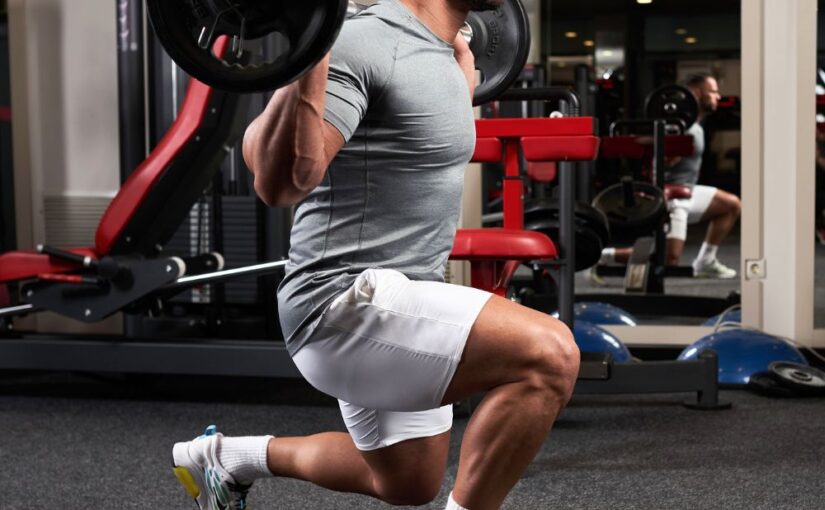
Barbell lunges are a simple yet powerful move for building stronger, more balanced legs. Additionally, by adding resistance with a barbell, this classic lower-body exercise becomes even more effective at targeting the quads, hamstrings, and glutes. Whether you’re aiming to improve leg strength, stability, or overall athletic performance, barbell lunges are a great addition to any strength training routine.

Benefits

1. Targets Multiple Muscle Groups

Barbell lunges work the quads, hamstrings, glutes, calves, and core. Therefore, they deliver a complete lower-body workout in a single movement.

2. Improves Balance and Stability

Because the movement is unilateral (one leg at a time), it challenges your balance, thereby improving stability and coordination.

3. Increases Flexibility

In addition, barbell lunges help improve hip flexor flexibility and overall lower-body mobility.

4. Enhances Lower Body Strength

With regular practice, this exercise builds strength in the legs and glutes, which helps increase muscle mass and functional performance.

5. Promotes Symmetry

Moreover, since each leg works independently, barbell lunges correct muscular imbalances and support symmetrical development.

6. Boosts Athletic Performance

As a result, the dynamic nature of lunges mimics real-life movements. This helps enhance performance in activities such as running, jumping, and squatting.

7. Engages the Core

Furthermore, barbell lunges engage the core to maintain balance and posture throughout the movement, offering added core activation.

8. Improves Posture

Consequently, by strengthening both the core and lower body, barbell lunges contribute to better posture and overall body alignment.

9. Burns Calories

This exercise is a high-intensity movement, which can help boost calorie burn and support fat loss goals.

10. Versatile and Accessible

Finally, lunges are highly adaptable. You can perform them with or without weights, making them ideal for gym or home workouts.

Conclusion

Whether performed with added resistance or just your body weight, lunges are among the most effective exercises for developing lower-body strength, stability, and coordination. Barbell lunges, in particular, take this foundational movement to a higher level by increasing intensity and promoting greater muscle development. From improved posture and flexibility to enhanced performance and calorie burn, it’s clear that including this exercise in your routine offers broad benefits for fitness and function.

Follow us on Pinterest: https://www.pinterest.com/gymreadyequipment/

Shop Home Gym Equipment: https://www.gymreadyequipment.com/

Barbell Hip Thrusts | Build Stronger Glutes

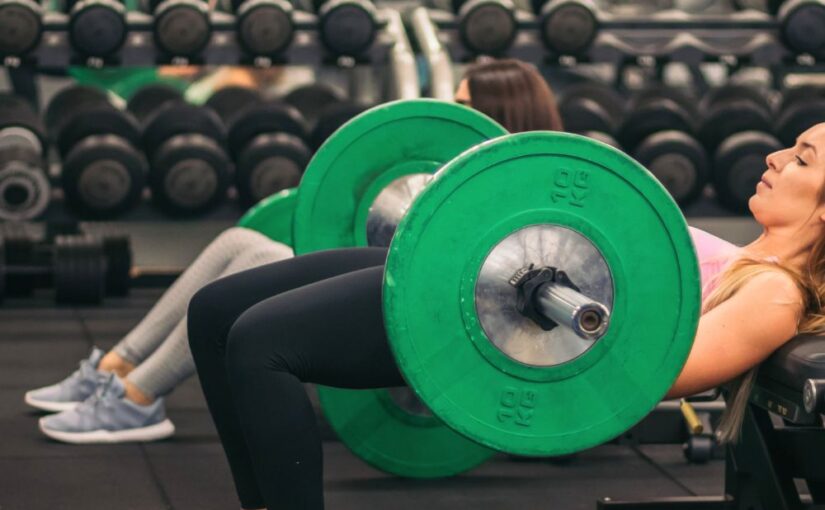
Barbell hip thrusts are a great addition to any strength training routine, particularly for those looking to develop powerful, well-defined glutes and improve lower body strength.

Here are the key benefits of Barbell Hip Thrusts:

1. Builds Stronger Glutes

The barbell hip thrust is one of the most effective exercises for targeting and building the glute muscles, including the gluteus maximus, medius, and minimus.

2. Improves Hip Extension Strength

Hip thrusts specifically strengthen the muscles responsible for hip extension, which is crucial for movements like squats, deadlifts, and running.

3. Enhances Athletic Performance

A stronger posterior chain (glutes, hamstrings, lower back) improves explosive power, speed, and jumping ability, benefiting athletic performance.

4. Increases Lower Body Strength

Barbell hip thrusts strengthen the entire lower body, including the glutes, quads, hamstrings, and calves, promoting overall lower body power.

5. Improves Posture

By strengthening the glutes and lower back, hip thrusts can improve pelvic alignment and posture, helping to prevent lower back pain.

6. Targets the Posterior Chain

This movement specifically activates the posterior chain muscles, which are key for strength, stability, and injury prevention, especially for athletes.

7. Helps with Squat and Deadlift Performance

The hip thrust improves glute activation and hip drive, which translates to better performance in squats and deadlifts by providing greater power during the lift.

8. Increases Core Stability

Engaging the glutes and core during the movement helps to strengthen core stability, improving overall body control.

9. Improves Glute Aesthetics

Regularly performing barbell hip thrusts can help create a rounder, more defined glute shape and overall better body composition.

10. Low Injury Risk

When performed with proper form, barbell hip thrusts are a low-risk exercise for injury compared to other glute exercises, like squats or deadlifts, because they don’t place excessive pressure on the lower back.

Follow us on Pinterest: https://www.pinterest.com/gymreadyequipment/

Shop Home Gym Equipment: https://www.gymreadyequipment.com/