
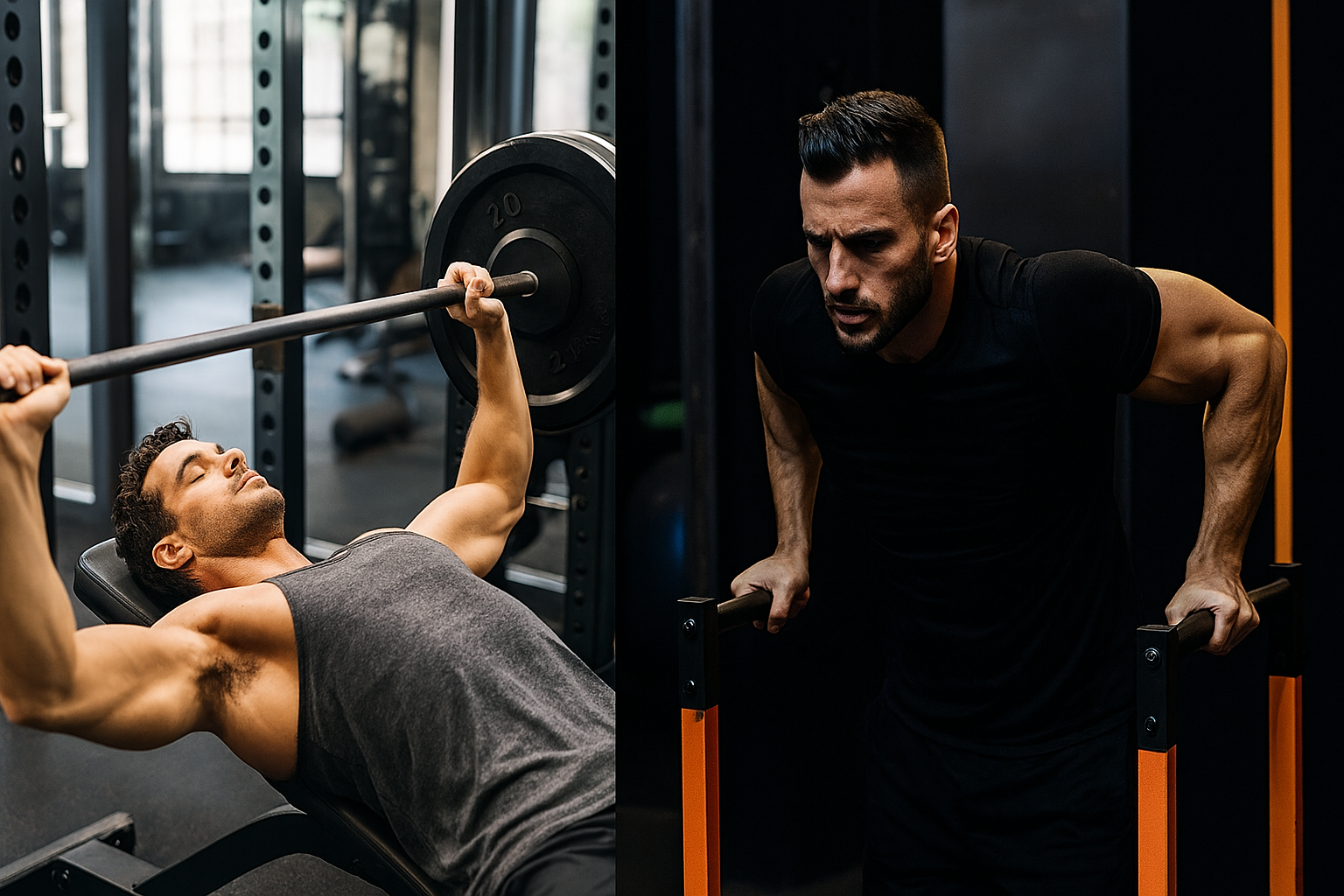
When aiming to enhance muscle development, understanding the best muscle groups to work together is crucial. Pairing the right muscles in your workouts can enhance strength, improve recovery, and create a more efficient training routine. Many gym-goers make the mistake of training muscles in isolation without considering how synergistic muscle groups can amplify overall growth. In this article, we’ll explore the most effective combinations for building size and strength.
Why Pairing Muscle Groups Matters
Working out complementary muscles together allows for more efficient workouts. For instance, pairing a primary muscle with its supporting muscles ensures that both are fatigued and stimulated in a balanced manner. This method not only optimizes hypertrophy but also helps prevent overtraining or neglecting smaller stabilizing muscles. Knowing the best muscle groups to work together can help you structure your weekly routine for consistent progress.
Top Muscle Group Pairings for Growth
1. Chest and Triceps
The chest and triceps are a classic pairing because most pressing movements, like bench presses and push-ups, engage both muscles. By working them together, you ensure maximum stimulation of the pushing muscles, leading to better growth for both.
2. Back and Biceps
Back exercises such as rows and pull-ups naturally involve the biceps as secondary muscles. Training these together allows you to fatigue both effectively while reducing the risk of overtraining other muscle groups during the week.
3. Quadriceps and Hamstrings
Leg training is more effective when you address both the front and back of the thighs. Pairing quadriceps with hamstrings ensures balanced development, which is vital for both aesthetics and injury prevention.
4. Shoulders and Traps
The shoulders and traps work in tandem for overhead and pulling movements. Combining them in one session targets upper body strength and contributes to a more defined, muscular look.
5. Glutes and Hamstrings
For posterior chain strength and growth, the glutes and hamstrings make an ideal combination. Exercises like Romanian deadlifts and hip thrusts target both, promoting muscle symmetry and power.
Tips for Structuring Your Workouts
- Alternate push and pull days: This approach ensures the best muscle groups to work together get adequate recovery.
- Use compound movements first: Compound exercises engage multiple muscles at once, maximizing growth.
- Include isolation exercises at the end: Target smaller muscles like biceps or triceps to finish the workout and prevent fatigue from compromising form.
Best Muscle Group Pairings and Recommended Exercises
| Muscle Group Pair | Why They Work Well Together | Recommended Exercises |
|---|---|---|
| Chest & Triceps | Most pressing movements activate both the chest and triceps, allowing efficient fatigue of push muscles. | Bench Press, Push-Ups, Chest Flyes, Triceps Dips, Triceps Pushdowns |
| Back & Biceps | Pulling exercises recruit the biceps as secondary movers, making them ideal to train together. | Pull-Ups, Barbell Rows, Lat Pulldowns, Dumbbell Curls, Hammer Curls |
| Quadriceps & Hamstrings | Training both ensures balanced leg development and reduces injury risk. | Squats, Lunges, Leg Press, Romanian Deadlifts, Hamstring Curls |
| Shoulders & Traps | Overhead and pulling movements naturally involve both muscle groups. | Overhead Press, Lateral Raises, Face Pulls, Shrugs |
| Glutes & Hamstrings | Both muscles power posterior chain movements, promoting strength and symmetry. | Hip Thrusts, Deadlifts, Glute Bridges, Good Mornings |
Conclusion
Knowing the best muscle groups to work together is important for creating an efficient and effective exercise routine. Whether it’s chest and triceps, back and biceps, or glutes and hamstrings, pairing muscles intelligently can accelerate growth and improve strength. By incorporating these combinations into your weekly plan, you’ll achieve a balanced, muscular physique while avoiding overtraining and plateaus.
Frequently Asked Questions (FAQ)
Beginners should start with major muscle groups like the chest, back, legs, and shoulders. Training larger muscles first helps build a strong foundation and improves overall strength, allowing for more targeted work later on.
Yes, many lifters find success with upper/lower splits because they allow for efficient training sessions while providing each muscle group with adequate recovery time. This structure also facilitates maintaining a balance between strength and size.
Most effective routines focus on 1–3 muscle groups per workout, depending on intensity and goals. Compound-focused days may involve more muscle activation, while isolation days typically target fewer areas.
Absolutely. Pairing muscles that assist each other in common movements can reduce overall workout time while still allowing you to train effectively. This approach also helps avoid overworking the same areas multiple days in a row.
For most people, training each muscle group twice a week yields the best strength and hypertrophy results. This frequency strikes a balance between sufficient stimulus and adequate recovery, promoting long-term progress.