Does Running Kill Testosterone: And What It Means for Gains

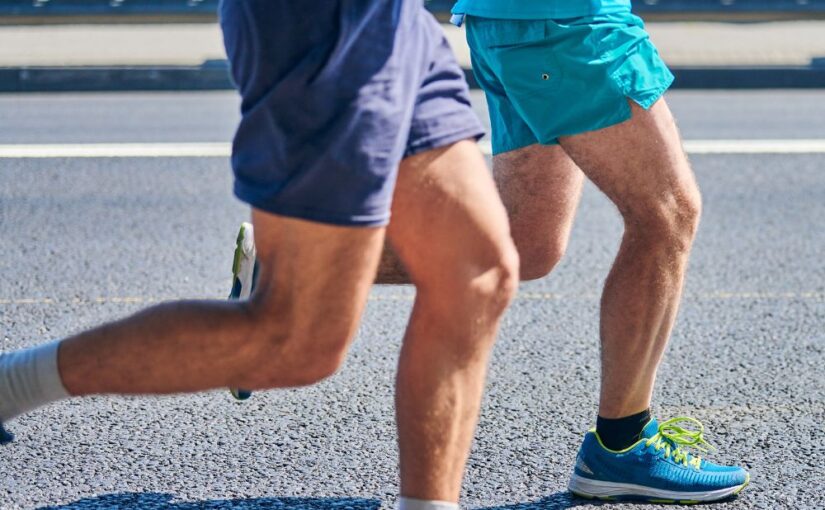
If you’re trying to build muscle, boost strength, and make consistent progress in the gym, testosterone is a hormone you don’t want to mess with. So when people say cardio — primarily running — might lower it, it naturally raises red flags. The question is: does running kill testosterone, or is this another myth rooted in gym lore?

In this article, we’ll explore what science says about running’s impact on testosterone levels, how it might affect your gains, and what kind of cardio is actually safe for muscle-building goals.

What Does Testosterone Do for Gains?

Testosterone plays a vital role in:

  • Muscle protein synthesis
  • Fat metabolism
  • Strength development
  • Recovery
  • Libido and mood

Higher testosterone generally means better performance, faster recovery, and more efficient muscle growth. That’s why lifters are so concerned with anything that could lower it.

So… Does Running Kill Testosterone?

The idea that running kills testosterone comes from observations in endurance athletes — particularly marathoners and ultra-distance runners. Studies have shown that these athletes often have lower testosterone levels than their strength-training counterparts.

However, the key point is that these athletes typically engage in extremely high training volumes, often accompanied by low energy intake, high stress, and minimal recovery — a perfect storm for hormonal suppression.

So, does running kill testosterone for the average gym-goer or weekend runner? Not necessarily. The type, duration, and intensity of running all make a big difference.

The Impact on Muscle Gains

Let’s get to the heart of the concern: Will running ruin your gains?

Understanding Moderate vs. Excessive Running

Moderate running is typically:

  • 2 to 4 sessions per week
  • 20 to 40 minutes per session
  • Light to moderate intensity (around 60–75% of your max heart rate)
  • Well-balanced with strength training and proper nutrition

This type of running has a minimal negative impact on testosterone. It can even support recovery, improve circulation, and aid in fat loss — all of which are beneficial for physique and performance goals.

Excessive running, however, looks like:

  • 5 to 7 days per week
  • Sessions lasting 60 minutes or more
  • High intensity or long-distance training
  • Minimal rest, poor nutrition, or insufficient sleep

This style of training can lead to chronically elevated cortisol (a stress hormone), suppressed testosterone, and even muscle loss over time.

So, if you’re wondering, does running kill testosterone, the honest answer is: Only if you’re overdoing it and under-recovering. For most lifters, running in moderation won’t harm your hormones or gains — in fact, it might improve overall fitness and endurance in your lifting sessions.

How to Run Without Sabotaging Your Testosterone

To enjoy the benefits of running without sacrificing gains or testosterone levels, follow these tips:

  1. Keep it moderate – Stick to 2–4 sessions per week, each lasting 20–40 minutes.
  2. Prioritize strength training – Cardio should supplement your training, not dominate it.
  3. Eat enough – Ensure you’re in a caloric surplus or maintenance, especially when combining lifting with cardio.
  4. Sleep 7–9 hours – Testosterone is produced during deep sleep. Don’t skimp on rest.
  5. Use smart programming – Try HIIT or tempo runs instead of always going long and slow.
  6. Listen to your body – Feeling overly fatigued, irritable, or flat in the gym? You might be overreaching.

Moderate vs. Excessive Running: Impact on Testosterone and Gains

FactorModerate RunningExcessive Running
Frequency2–4 sessions per week5–7 sessions per week
Duration20–40 minutes per session60+ minutes per session
IntensityLight to moderate (60–75% max HR)High-intensity or long-distance endurance
Recovery SupportBalanced with lifting, good sleep, proper foodPoor recovery, low sleep, and/or under-eating
Hormonal EffectMaintains healthy testosterone levelsMay suppress testosterone, increase cortisol
Muscle ImpactSupports recovery and fat lossCan lead to muscle breakdown and stalled gains

Conclusion: Does Running Kill Testosterone?

So, does running kill testosterone? Not inherently. The myth originates from observing extreme endurance athletes who train at high volumes without sufficient recovery. For the average gym-goer or hybrid athlete, moderate running can coexist with high testosterone levels and even support long-term progress.

The key is to run smart: don’t let cardio dominate your training, don’t under-eat, and prioritize recovery. Done right, running won’t kill your testosterone — and it definitely won’t kill your gains.


Frequently Asked Questions (FAQ)

Does Running Kill Testosterone Completely?

Running does not reduce testosterone levels. Engaging in moderate running has little to no negative impact on testosterone, particularly when paired with strength training, a nutritious diet, and proper recovery. Issues primarily arise from excessive endurance training and overtraining.

How Much Running is Too Much for Maintaining Testosterone?

Running more than 5 days per week, doing 60+ minute sessions, or consistently training at high intensity without proper rest may begin to suppress testosterone. Balance is key to protecting hormones and gains.

Can Running and Lifting Be Done Together Without Hurting Muscle Growth?

Yes! Running and lifting can absolutely complement each other when programmed correctly. Moderate cardio can aid recovery and fat loss, while strength training supports muscle growth. The key is to avoid overtraining and eat enough to support both.

Does Long-distance Running Lower Testosterone in Men?

Long-distance running, especially when done excessively and without enough recovery, has been shown to lower testosterone in some men — particularly elite endurance athletes. For recreational runners, this is far less of a concern with smart training practices.

What Type of Cardio is Best for Preserving Testosterone and Gains?

The best cardio for preserving testosterone is moderate-intensity running, HIIT (High-Intensity Interval Training), or short-duration sprints. These methods improve cardiovascular fitness without overly stressing the endocrine system or interfering with muscle growth.
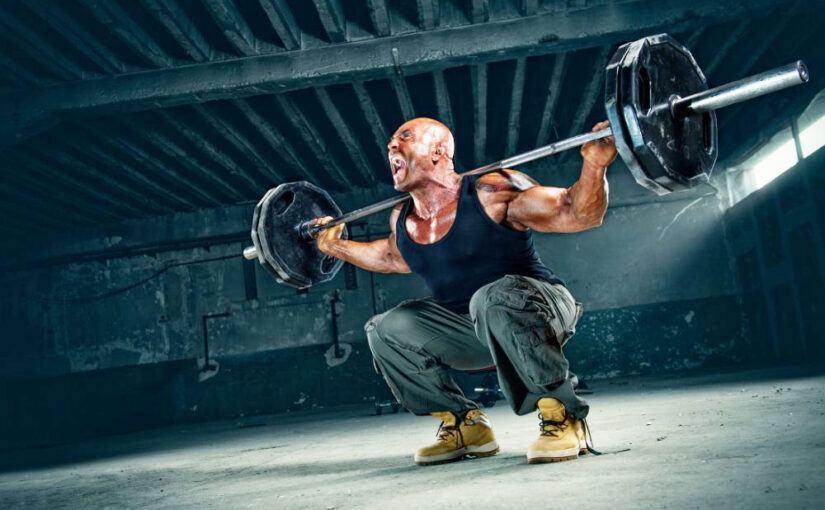
Which Exercise Increase Testosterone the Most: Make Gains Now

If you’re seeking significant gains in muscle mass, energy, and overall performance, boosting your testosterone levels naturally should be a top priority. One of the most effective ways to do that? Exercise. But not all workouts are created equal. You might be wondering which exercise increase testosterone the most—and the answer could transform your training results. Let’s break down the most effective testosterone-boosting workouts and how to use them to your advantage.

Why Testosterone Matters for Muscle and Performance

Testosterone is the main hormone in males that plays a crucial role in muscle development, reduction of fat, higher energy levels, boosted sex drive, and enhanced mental clarity. While both men and women produce testosterone, higher levels are particularly significant for men seeking to build muscle, lose fat, and optimize their training performance. Among natural methods, exercise is one of the fastest and most powerful ways to increase testosterone levels—especially when you know which exercises increase testosterone the most.

Top Testosterone-Boosting Exercises (Backed by Science)

Here are the workouts that have been shown to produce the most significant testosterone spikes, based on research and real-world training results.

1. Heavy Compound Lifts (Squats, Deadlifts, Bench Press)

If you’re looking for maximum hormonal response, compound lifts are king. These exercises recruit multiple joints and large muscle groups—ideal for triggering a natural testosterone surge.

Why they work:

  • Engage total body strength
  • Maximize muscle fiber recruitment
  • Cause short-term spikes in growth hormone and testosterone

Best testosterone-boosting lifts include:

  • Back squats
  • Deadlifts
  • Bench press
  • Barbell rows
  • Overhead press

Pro tip: Stick to heavier weights with 3–6 rep ranges and prioritize progressive overload.

2. High-Intensity Interval Training (HIIT)

Cardio doesn’t have to kill your testosterone—when done correctly, it can boost it.

HIIT, which combines short bursts of all-out intensity with recovery periods, has been shown to raise testosterone levels more than steady-state cardio.

Sample testosterone-boosting HIIT workout:

  • 30 seconds of sprinting
  • 90 seconds of walking
  • Repeat for 6–8 rounds

Limit workout sessions to no longer than 30 minutes to prevent overtraining and spikes in cortisol levels (which can decrease testosterone).

3. Olympic Lifts (Snatch, Clean and Jerk)

Olympic lifts are explosive, full-body movements that stimulate neuromuscular coordination and strength.

Why they work:

  • Demand maximum effort and power
  • Require coordination, speed, and strength
  • Elevate testosterone and growth hormone

These lifts require proper form and are best performed with coaching or experience.

4. Intense Bodyweight Training

Bodyweight training can also help naturally boost testosterone, primarily when performed with intensity, volume, and minimal rest.

Top testosterone-supporting bodyweight moves include:

  • Pull-ups
  • Dips
  • Push-ups
  • Pistol squats

Use supersets, circuits, or AMRAP (as many reps as possible) sets to maximize intensity.

How to Maximize Testosterone with Your Workouts

To make the most of these exercises, follow these training guidelines:

  • Lift heavy: Focus on compound movements with proper form.
  • Train intensely, but briefly: Short, high-intensity sessions are more effective than long-duration ones.
  • Sleep well: Most testosterone production happens during deep sleep.
  • Eat for hormone health: Incorporate healthy fats, protein, and crucial micronutrients like zinc and vitamin D..
  • Avoid overtraining: Chronic fatigue and stress elevate cortisol, which suppresses testosterone.

Conclusion: Which Exercise Increase Testosterone the Most?

So, which exercise increases testosterone the most?

The answer lies in compound strength training, particularly exercises such as squats, deadlifts, and Olympic lifts. Add in HIIT workouts and high-intensity bodyweight training, and you’ve got a powerful blueprint to boost testosterone naturally and start seeing results fast.

To achieve significant gains in strength, size, and performance, focus on these testosterone-boosting exercises, train with purpose, and support your recovery. Your body—and your hormones—will reward you.


Frequently Asked Questions (FAQ)

Which Exercise Increases Testosterone the Most Naturally?

Heavy compound lifts, such as squats and deadlifts, increase testosterone naturally by engaging large muscle groups and triggering hormonal responses.

Can Cardio Exercises Boost Testosterone Levels?

Yes, but only certain types of cardio, such as high-intensity interval training (HIIT), have been shown to boost testosterone compared to steady-state cardio effectively.

How Often Should I Train to Boost Testosterone?

Training 3 to 4 times per week with intense, compound exercises and adequate rest between sessions is optimal for naturally boosting testosterone.

Does Lifting Heavier Weights Produce More Testosterone?

Yes, lifting heavier weights with lower repetitions (around 3-6 reps) tends to produce higher testosterone spikes compared to lifting lighter weights with higher repetitions.

Are Bodyweight Exercises Effective for Increasing Testosterone?

Bodyweight exercises can increase testosterone when performed intensely, such as in circuits or supersets, especially if they target large muscle groups like pull-ups and dips.

How Big Can You Get Naturally: Realistic Expectations

In the world of fitness and bodybuilding, one question frequently arises among beginners and even seasoned lifters: how big can you get naturally? It’s a topic surrounded by myths, unrealistic expectations, and misleading social media portrayals. Whether you’re training for aesthetics, strength, or overall health, understanding the limits of natural muscle growth is crucial for setting achievable goals and staying motivated.

What Does “Naturally” Mean in Bodybuilding?

Before diving into numbers, it’s essential to define what “naturally” means in this context. A natural lifter builds muscle without the use of anabolic steroids, growth hormones, or performance-enhancing drugs (PEDs). This distinction is key, as the physiques of enhanced athletes can set unrealistic muscle-building expectations for those training drug-free.

Key Factors That Determine Natural Muscle Growth

So, how big can you get naturally? The answer depends on several individual factors:

1. Genetics

Your genetic composition is the most crucial element. Certain individuals have a natural tendency to build muscle more readily because of longer muscle bellies, elevated testosterone levels, or a more advantageous muscle fiber arrangement.

2. Training Consistency and Intensity

Years of progressive overload, innovative programming, and consistent effort pay off. Beginners can gain muscle rapidly in the first year, but the rate of growth slows as you become more advanced.

3. Nutrition

Muscle growth requires a caloric surplus and adequate protein intake. Even with perfect training, poor nutrition will severely limit your gains.

4. Recovery

Muscles develop while you rest, not while exercising. Sleep, rest days, and proper recovery strategies are crucial for maximizing natural muscle growth and hypertrophy.

How Big Can You Get Naturally? Realistic Numbers

Research and anecdotal evidence from natural bodybuilders suggest some common guidelines. On average:

  • In your first year of serious training, you can expect to gain 20–25 pounds (9–11 kg) of lean muscle.
  • In the second year, gains slow to about 10–12 pounds (4–5 kg).
  • After 3-4 years, annual muscle gains may drop to 2–5 pounds (1–2 kg) or less.

Over a lifetime, a genetically average male might expect to build 35–50 pounds (16–23 kg) of muscle naturally. This varies widely, but it gives a strong benchmark for how big you can get naturally without PEDs.

What a Natural Physique Looks Like

To get a clearer picture, consider some top-tier natural physique competitors. While muscular and lean, their physiques differ noticeably from those of enhanced athletes. The natural look includes:

  • Balanced muscle mass
  • Visible but not exaggerated vascularity
  • Symmetry and proportion rather than extreme size

It’s a look that’s both impressive and sustainable in the long term.

Pitfalls to Avoid for Natural Lifters

If you’re aiming to see how big you can get naturally, beware of the following traps:

  • Comparing yourself to enhanced athletes – Social media often skews your perception of what’s achievable drug-free.
  • Overtraining – More isn’t always better. Without recovery, your muscles can’t grow.
  • Chasing unrealistic timelines – Natural growth is a long-term game. Stay patient and stay the course.

Natural Muscle Growth Timeline: How Big Can You Get Naturally Over Time

Training YearEstimated Muscle Gain (Male)Progress RateNotes
Year 120–25 lbs (9–11 kg)Rapid GainsNewbie gains; high responsiveness to training.
Year 210–12 lbs (4–5 kg)Moderate GainsSlower but noticeable improvements.
Year 3–44–6 lbs (1.8–2.7 kg)Slower GainsGains require more effort and precision.
Year 5+1–3 lbs (0.5–1.3 kg) per yearMinimal GainsApproaching natural genetic limit.
Lifetime (Average)35–50 lbs (16–23 kg)Natural LimitBased on consistent training, recovery, and nutrition.

Conclusion: Building a Bigger, Natural Body is Possible

So, how big can you get naturally? The truth is, with years of smart training, proper nutrition, and consistency, you can build a strong, aesthetic, and powerful physique — all without drugs. While the ceiling for natural growth may not match that of enhanced athletes, the health benefits, sustainability, and pride that come with it make the natural path more than worthwhile.

Set realistic expectations, commit to the process, and let your body show you what it can truly do — naturally.


Frequently Asked Questions (FAQ)

How Big Can You Get Naturally Without Steroids?

You can gain between 35–50 pounds (16–23 kg) of muscle over your lifetime without the use of steroids, depending on genetics, training, nutrition, and consistency. Most natural lifters reach their maximum size after 5–7 years of serious training.

How Fast Can You Build Muscle Naturally?

In your first year, you can gain up to 20–25 pounds (9–11 kg) of muscle if you train and eat optimally. After that, progress slows: around 10–12 pounds in year two, and even less in subsequent years.

Can You Get Ripped Naturally?

Yes, you can absolutely get ripped naturally. With low body fat and well-developed muscle mass from consistent training and a clean diet, a lean and defined physique is very achievable without drugs.

What Limits How Big You Can Get Naturally?

The main limiting factors are genetics, hormonal levels (like testosterone), muscle insertions, and natural recovery capacity. These determine your genetic ceiling for muscle growth.

How do I know if I’ve reached my natural muscle limit?

You may have reached your natural limit if you’re training consistently, eating properly, recovering well, and still making very minimal gains (1–2 lbs per year or less). Progress becomes extremely slow after several years of natural lifting.

What Muscles Do Dips Work: Benefits & Tips

If you’re looking for a powerful upper body exercise that targets multiple muscle groups, dips should be at the top of your list. One of the most common questions among fitness enthusiasts is: What muscles do dips work? This multi-joint exercise is not only great for enhancing strength but also adaptable enough to integrate into almost any fitness regimen.

What Muscles Do Dips Work?

Dips are a bodyweight exercise that primarily targets your triceps, chest (pectorals), and shoulders (deltoids). Here’s a breakdown of the main muscles activated during the movement:

  • Triceps Brachii – The primary muscle worked during dips, especially in the lockout phase.
  • Pectoralis Major (Chest) – Leaning slightly forward during dips puts more emphasis on your chest.
  • Anterior Deltoids (Shoulders) – These assist in stabilizing and pushing your body upward.
  • Rhomboids and Lats (Upper Back) – Help with posture and stability during the dip.
  • Core Muscles – Your abdominals and obliques engage to keep your body steady.

Depending on your form, you can shift the focus between your triceps and chest. For example, a more upright posture emphasizes the triceps, while leaning forward shifts more load to the chest.

Benefits of Dips

Now that you know what muscles dips work, let’s explore the benefits of incorporating them into your routine:

  • Build Upper Body Strength – Dips engage multiple major muscle groups at once.
  • Improve Muscle Definition – Great for sculpting the chest, arms, and shoulders.
  • Functional Movement – Dips mimic everyday pushing movements, improving overall performance.
  • Minimal Equipment Needed – This exercise can be done using parallel bars, rings, or even two sturdy surfaces at home.

Pro Tips for Better Dips

To get the most out of your dips, keep these tips in mind:

  • Warm Up First – Especially important for shoulder mobility.
  • Use Controlled Movements – Avoid swinging or dropping too fast.
  • Modify as Needed – Use assistance bands or a dip machine if you’re starting.
  • Progress Over Time – Add weight with a belt or backpack as you get stronger.

Muscle Engagement in Dips

Muscle GroupRole During DipsEngagement Level
Triceps BrachiiPrimary mover in pushing phaseHigh
Pectoralis MajorActivated more when leaning forwardModerate to High
Anterior DeltoidsAssists in pressing and stabilizing shouldersModerate
Rhomboids & LatsStabilizes upper back and postureLow to Moderate
Core MusclesKeeps body stable throughout the movementLow to Moderate

Tip: Leaning your torso slightly forward targets the chest more, while keeping your torso upright emphasizes the triceps

Conclusion

So, what muscles do dips work? Primarily the triceps, chest, and shoulders — with assistance from your core and back for stabilization. This makes dips an incredibly efficient and effective exercise for building upper-body strength and improving overall fitness. Add them to your routine, follow proper form, and you’ll see gains in strength and definition over time.


Frequently Asked Questions (FAQ)

What Muscles Do Dips Work the Most?

Dips primarily work the triceps brachii, followed closely by the pectoralis major (chest) and anterior deltoids (shoulders). Depending on your form, the emphasis can shift between the triceps and chest.

Are Dips Better for Chest or Triceps?

It depends on your body position. If you keep your torso upright, dips will target your triceps more. If you lean forward slightly, they’ll engage more of your chest. Either way, dips are effective for both.

Do Dips Work the Core Muscles Too?

Yes, dips engage your core to stabilize your body throughout the movement. While not a primary target, your abs and obliques are activated to maintain balance and control.

Can Beginners Do Dips Effectively?

Beginners can start with assisted dips, bench dips, or use resistance bands for support. These modifications still work similar muscle groups and build strength over time.

How Often Should I Do Dips for Muscle Growth?

For muscle growth, perform dips 2–3 times per week, allowing adequate recovery between sessions. Focus on good form and progressive overload to see consistent gains in the muscles dips work.

What Muscles Do Pull Ups Work? Explained Simply

One of the best bodyweight exercises for developing upper-body strength is the pull-up—but many people wonder: What muscles do pull ups work? In this article, we’ll break down exactly which muscles are activated during a pull-up and how this simple movement targets multiple areas of your body at once.


Primary Muscles Worked by Pull Ups

When you perform a pull-up, your body relies on several major muscle groups. The primary muscles involved include:

1. Latissimus Dorsi (Lats)

Your back is made up of these broad, wing-like muscles. They’re the main movers during a pull-up, helping to pull your torso upward.

2. Biceps Brachii

Located in the front of your upper arm, the biceps assist in bending the elbow as you lift your body.

3. Rhomboids

These muscles, found between your shoulder blades, contract to bring the scapulae together during the upward pull.

4. Trapezius

The upper and middle traps help stabilize your shoulder blades, especially at the top of the pull-up.


Secondary Muscles Activated

Although the pull-up mainly targets the upper body, it also engages several secondary muscle groups:

1. Core Muscles

Your abdominal and oblique muscles engage to stabilize your body and prevent unnecessary swinging during the movement.

2. Forearms and Grip Muscles

Holding onto the bar activates your forearms and improves grip strength, which is essential for maintaining control throughout the movement.


Variations That Target Different Muscles

Different pull-up variations can emphasize different muscles:

  • Chin-Ups put greater focus on your biceps with your palms facing you.
  • Wide-Grip Pull-Ups focus more intensely on the lats.
  • Neutral-Grip Pull-Ups (palms facing each other) are easier on the shoulders and still hit both lats and biceps effectively.

Why Pull Ups Are So Effective

Now that we’ve answered the question, “What muscles do pull ups work?”, it’s clear that this single movement is a compound exercise—meaning it works multiple joints and muscles at once. That makes pull-ups not just a back or arm workout, but a full upper-body challenge that also improves posture, functional strength, and endurance.


Pull Up Muscles at a Glance

Muscle GroupMuscle NameFunction During Pull Up
Primary MusclesLatissimus Dorsi (Lats)Pulls the torso upward, major mover
Biceps BrachiiFlexes the elbow to lift the body
RhomboidsRetracts the shoulder blades
Trapezius (Upper & Middle)Stabilizes the shoulders and assists with movement
Secondary MusclesAbdominals & ObliquesStabilize the body and reduce swinging
Forearms & Grip MusclesMaintain grip and control on the bar

Conclusion

So, what muscles do pull ups work? To put it simply: your lats, biceps, rhomboids, traps, core, and forearms all come into play. Pull-ups are a powerhouse movement for anyone looking to build strength, tone muscle, and improve upper-body performance. Whether you’re a beginner or a seasoned lifter, adding pull-ups to your routine can deliver major fitness benefits.


Frequently Asked Questions (FAQ)

Are Pull-ups Good for Building Muscle?

Yes, pull-ups are excellent for building upper-body muscle. They target major muscle groups like the lats, biceps, and traps, and can lead to increased strength and muscle growth when performed consistently.

Do Pull-ups Work Chest Muscles Too?

While pull-ups primarily target the back and arms, they do engage some upper chest muscles indirectly—especially in variations like wide-grip or explosive pull-ups. However, they’re not a primary chest exercise.

How Many Pull-ups Should I Do Per Day?

It depends on your fitness level. Beginners might start with 3–5 reps per set, while advanced individuals may perform multiple sets of 10–15 reps. Focus on good form and gradual progress over quantity.

What’s the Difference Between a Pull-up and a Chin-up?

The main difference is grip. Pull-ups use an overhand grip (palms facing away), which emphasizes the back more. Chin-ups use an underhand grip (palms facing you), putting more stress on the biceps.

Can Pull-ups Help With Posture?

Yes, regular pull-ups strengthen the upper back and core, which can improve posture by pulling the shoulders back and supporting spinal alignment.

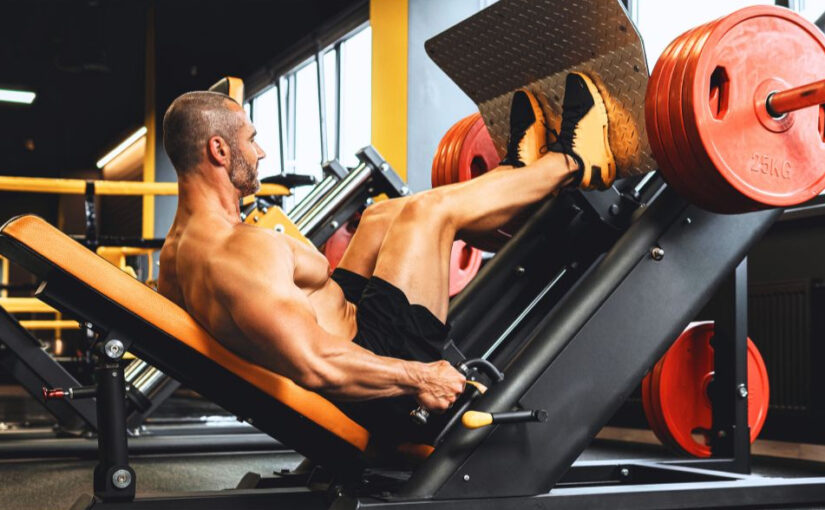
What Muscle Does Leg Press Work? Explained Simply

If you’ve ever wondered, what muscle does leg press work, you’re not alone. The leg press is one of the most popular machines in gyms worldwide. It’s simple to use, beginner-friendly, and delivers powerful lower-body results — but what exactly is it targeting?

In this article, we’ll break it down in simple terms so you know exactly what muscles are activated during a leg press and how to get the most out of this effective workout.


What Is the Leg Press?

Leg presses are a type of weight training exercise in which you use your legs to push a weighted platform away from your body. It’s typically done on a leg press machine, which allows you to focus purely on your lower-body strength without balancing the weight.

It’s a great option for both beginners and advanced lifters because it offers control, safety, and the ability to progressively increase resistance.


So, What Muscle Does Leg Press Work?

The main muscles worked during a leg press include:

1. Quadriceps (Front Thighs)

A great deal of the heavy lifting during the leg press is performed by your quadriceps. These muscles are responsible for extending your knees as you push the platform away from you.

2. Gluteus Maximus (Glutes)

Particularly near the bottom of the exercise, your glutes, or butt muscles, come into play. A deeper leg press (without lifting your lower back) will activate your glutes more.

3. Hamstrings (Back of the Thighs)

While not the primary movers, your hamstrings assist in stabilizing the movement and help during the return phase as you bend your knees.

4. Calves (Gastrocnemius and Soleus)

Your calves work as stabilizers and are slightly activated when you press through your feet — especially the balls of your feet.


Foot Position Matters

Your foot placement on the leg press machine can slightly shift the focus:

  • High on the platform: More glute and hamstring engagement.
  • Low on the platform: Greater quad activation.
  • Wide stance: Emphasizes inner thighs.
  • Narrow stance: Focuses more on the outer quads.

Experiment with different positions to target specific areas of your legs more effectively.


Why It Matters to Know What Muscle Does Leg Press Work

Understanding what muscle does leg press work helps you tailor your workouts more strategically. If your goal is to build bigger quads, you can adjust your technique and volume accordingly. If you’re aiming for stronger glutes or a more balanced lower body, knowing the mechanics will help you adjust for optimal results.


Muscles Worked by the Leg Press: At-a-Glance

Muscle GroupRole During Leg PressHow to Emphasize
QuadricepsPrimary mover; extends the kneesUse a lower foot position
Gluteus MaximusAssists in hip extension, especially at deeper anglesUse a higher foot placement
HamstringsAssist in knee stabilization and controlUse full range of motion
CalvesStabilize the ankle and assist slightly during push-offPush through the balls of your feet
AdductorsSupport inner thigh engagementUse a wider stance on the platform

Final Thoughts: What Muscle Does Leg Press Work?

To recap, when asking what muscle does leg press work, the answer is: primarily your quads, with significant help from your glutes, hamstrings, and calves. It’s a powerful exercise for lower-body development and can be adapted for different goals through simple changes in foot positioning and technique.

Now that you know exactly what muscles the leg press targets, you can approach this machine with confidence and purpose on your next leg day.


Frequently Asked Questions (FAQ)

What Muscle Does Leg Press Work the Most?

The big muscles on the front of your thighs, known as the quadriceps, are the main muscles worked by the leg press. The majority of the effort is managed by them during the pushing phase.

Does the Leg Press Work Your Glutes?

Yes, the leg press also works your gluteus maximus, especially when you use a higher foot placement or press from a deeper range of motion.

Can the Leg Press Replace Squats?

While the leg press works similar muscles, it doesn’t engage your core and stabilizers like squats do. It’s a great alternative for targeting legs with less strain on the lower back.

How Should I Place My Feet on the Leg Press to Target Different Muscles?

Your foot placement on the leg press platform changes which muscles are emphasized. A lower foot position targets your quadriceps more, while a higher foot placement shifts the focus to your glutes and hamstrings. Placing your feet wider works the inner thighs, and a narrower stance emphasizes the outer quads.

Is Leg Press Good for Beginners?

Yes! The leg press is beginner-friendly, safe, and easy to learn. It helps build lower-body strength while minimizing balance or coordination issues.

How to Gain Muscle Fast for Skinny Guys?

For those with a naturally slim build, gaining muscle can often feel slow and challenging. You may eat constantly, lift weights, and still not see the results others achieve in half the time. That’s why understanding how to gain muscle fast for skinny guys requires a strategic approach—one that goes beyond just eating more or working out harder. If putting on weight is challenging, then this guide is for you.


Understanding the Hardgainer Body Type

If you’re struggling to build mass despite your efforts, you likely fall into the ectomorph category—someone with a fast metabolism, lean build, and difficulty gaining both fat and muscle. This doesn’t mean gaining muscle is impossible; it just requires a tailored plan that aligns with your body’s unique needs.


Step-by-Step Guide: How to Gain Muscle Fast for Skinny Guys

1. Eat More—But Eat Smart

Maintaining a steady caloric surplus is essential—meaning you have to eat more calories daily than your body expends.

Tips:

  • Track your intake with apps like MyFitnessPal.
  • Boost your daily calorie intake by 300–500.
  • Prioritize calorie-dense, nutritious foods like rice, oats, whole eggs, full-fat dairy, peanut butter, and lean meats.

Caloric Surplus Muscle Gain Timeline

Gaining muscle requires a consistent caloric surplus—eating more calories than you burn each day. For most skinny guys, aiming for 300–500 extra calories daily can lead to steady muscle growth of about 0.5 to 1 pound per week. The timeline below shows how small, consistent surpluses can translate into meaningful gains over time without excessive fat accumulation.

WeekAverage Daily Surplus (cal)Weight Gain (lbs)
1+3500.5
2+3501.0
3+3501.5
4+3502.0

2. Focus on Protein and Carbs

Muscles need building blocks—and those come from protein and carbohydrates.

  • Protein target: Consume about 1.0 to 1.2 grams of protein for every pound you weigh each day.
  • Carb target: At least 2–2.5 grams per pound to fuel workouts and support recovery.

3. Train Heavy and Consistently

A common mistake for many skinny guys is using light weights with high repetitions. Prioritize progressive overload by slowly boosting the weight or reps as you progress.

Ideal Workout Split (for beginners):

  • Day 1: Push (Chest, Shoulders, Triceps)
  • Day 2: Pull (Back, Biceps)
  • Day 3: Rest or active recovery
  • Day 4: Legs
  • Day 5: Full-body or repeat cycle

Key Exercises: Bench press, squats, deadlifts, pull-ups, barbell rows, overhead press.

4. Limit Cardio (But Don’t Eliminate It)

Excessive cardio can burn the extra calories you need for growth. Don’t overdo it; two light sessions a week will promote heart health without undermining muscle growth.

5. Rest and Sleep Like It’s Your Job

Muscles grow when you rest—not when you train. Strive for 7 to 9 hours of sleep nightly and avoid pushing yourself too hard with overtraining. Recovery is where the real gains happen.

6. Stay Consistent and Patient

When figuring out how to gain muscle fast for skinny guys, consistency trumps everything. Results may be slower than you’d like, but with the right habits, they will come.


Bonus: Sample 1-Day Muscle-Building Meal Plan

Breakfast:

  • 4 eggs scrambled with cheese and spinach
  • 2 slices whole grain toast with butter
  • 1 banana
  • 1 glass whole milk

Snack:

  • Greek yogurt with granola and honey
  • Handful of almonds

Lunch:

  • Grilled chicken breast
  • 1 cup rice
  • Roasted vegetables
  • Avocado

Post-Workout Shake:

  • 1 scoop whey protein
  • 1 banana
  • 1 tbsp peanut butter
  • 1 cup whole milk

Dinner:

  • Ground beef or salmon
  • Pasta or sweet potato
  • Steamed broccoli

Before Bed:

  • Cottage cheese with berries
  • Handful of walnuts

Conclusion

Learning how to gain muscle fast for skinny guys isn’t about quick fixes or shortcuts—it comes down to applying proven strategies with consistency. Hardgainers can still build noticeable muscle by maintaining a calorie surplus, lifting with progressive overload, and prioritizing recovery. With consistent effort and patience, meaningful transformation is not just possible—it’s highly achievable.


Frequently Asked Questions

How Many Calories Should a Skinny Guy Eat to Gain Muscle?

Most skinny guys should start by eating 300–500 calories above their maintenance level daily. This creates a caloric surplus needed for muscle growth.

How Fast Can Skinny Guys Realistically Build Muscle?

With consistent training, proper nutrition, and rest, skinny guys can expect to gain about 0.5 to 1 pound of muscle per week—though initial gains may come quicker due to “newbie gains.”

Should I Avoid Cardio if I’m Trying to Bulk Up?

You don’t need to avoid cardio completely, but keep it minimal—1 to 2 light sessions a week is enough to support heart health without burning off your surplus calories.

Do I Need Supplements to Gain Muscle Fast?

Supplements like whey protein or creatine can help, but they aren’t essential. Whole foods and a balanced diet should be your foundation.

What if I’m Eating More but Not Gaining Weight?

If you’re not gaining after 2–3 weeks, you’re likely still under your maintenance needs. Gradually increase your daily intake by another 100–200 calories and track progress.

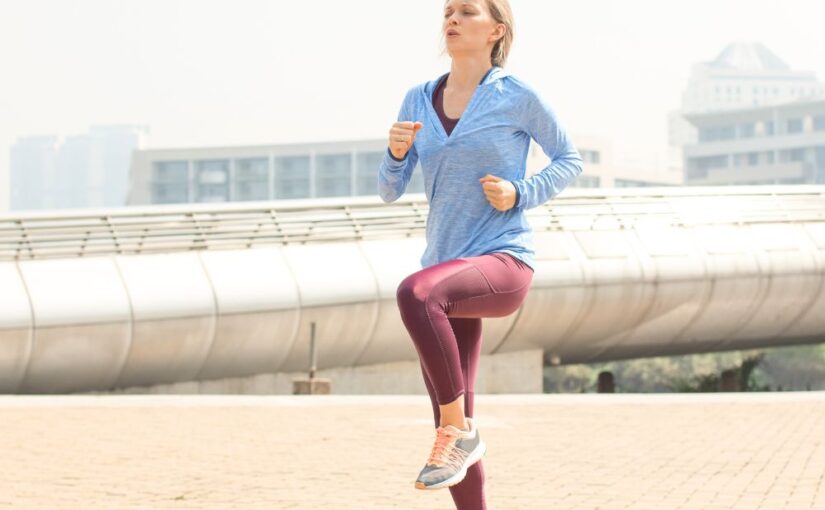
How Effective is Running in Place for Fitness?

Staying active doesn’t always require a gym membership or outdoor space. Many people wonder, how effective is running in place when it comes to maintaining or improving physical fitness. While it may seem too simple to be useful, this accessible form of exercise can offer real benefits when done correctly and consistently.

What is Running in Place?

Without moving forward, running in place replicates the action of conventional running. It’s often included in warm-ups or cardio circuits, but it can also serve as a full-body aerobic workout when performed with intensity and good form.


How Effective is Running in Place? Backed by Science

To understand how effective is running in place scientifically, consider research on aerobic equivalents. According to studies published in the Journal of Sports Science & Medicine, stationary exercises like running in place can elevate heart rate and oxygen consumption to levels similar to treadmill jogging when intensity is matched.

In a comparison of energy expenditure, participants performing 20 minutes of high-knee running in place burned nearly the same number of calories as those jogging on a treadmill at a moderate pace. This makes it a viable cardio alternative, particularly for individuals with limited space or mobility restrictions.


Benefits of Running in Place

  • Improves Cardiovascular Health: Like other forms of aerobic exercise, it strengthens the heart, reduces blood pressure, and supports lung function.
  • Enhances Balance and Coordination: Engaging core muscles to stay upright helps improve stability over time.
  • Supports Weight Loss: A 150-pound person can burn 240–300 calories in 30 minutes depending on intensity.
  • Boosts Mood and Mental Clarity: Exercise-induced endorphins help reduce stress and improve focus.
  • Adaptable and Low Barrier to Entry: No gear, special skills, or large space is required.

Sample Beginner Routine: Running in Place Workout (15–20 Minutes)

Warm-Up (2 minutes):

  • March in place
  • Arm circles
  • Shoulder rolls

Main Workout (12–15 minutes):

  • 1 min regular running in place
  • 30 sec high knees
  • 30 sec rest
  • 1 min butt kicks
  • 1 min jumping jacks
  • 30 sec rest
  • Repeat the above sequence 2x

Cool Down (3 minutes):

  • Slow march in place
  • Deep breathing
  • Light stretching (quads, calves, hamstrings)

Common Mistakes to Avoid

  • Poor Posture: Excessive forward or backward leaning might cause lower back discomfort and decrease performance.
  • Flat Footed Steps: Always stay light on your feet and engage your calves for better bounce and joint protection.
  • Monotony: Repeating the same motion daily can lead to performance plateaus over time.. Add variation like arm movements or interval timing.
  • Ignoring Progression: Gradually increase intensity and duration to avoid fitness plateaus.

How Effective is Running in Place Compared to Other Cardio?

How effective is running in place compared to jogging outdoors or using a treadmill? While it lacks terrain variety and natural resistance, it can still stimulate similar cardiovascular improvements if performed at sufficient intensity. It’s particularly useful for:

  • Beginners building endurance
  • People recovering from injury (under guidance)
  • Those working out in tight indoor spaces
  • Individuals supplementing a larger fitness routine

Calorie Burn Comparison (Running in Place vs. Other Cardio)

ActivityCalories Burned (30 min, 150 lb person)
Running in Place240–300
Treadmill Jogging270–330
Jump Rope300–400
Stationary Biking210–250
Brisk Walking140–190

Conclusion

So, how effective is running in place for your fitness goals? It turns out—very. When done with intention, good form, and consistency, running in place can improve heart health, boost endurance, burn calories, and even enhance mental clarity. It’s a time-efficient, space-saving option that can seamlessly fit into your daily routine, regardless of your fitness level or environment.


Frequently Asked Questions (FAQ)

Is Running in Place as Effective as Jogging Outside?

While outdoor jogging provides more resistance and terrain variation, running in place can offer comparable cardiovascular benefits when done at a high intensity. It’s especially effective for calorie burning and endurance when space or weather limits outdoor activity.

Can Running in Place Help With Weight Loss?

Yes. When paired with a healthy diet and done consistently, running in place can contribute to weight loss by burning calories and improving metabolism. High-intensity intervals enhance fat burning even further.

How Long Should I Run in Place to See Results?

Most people benefit from 20–30 minutes of moderate to vigorous activity, 3–5 times a week. Consistency and gradually increasing intensity are key to seeing improvements in endurance, weight, and muscle tone.

Does Running in Place Build Muscle?

Running in place primarily strengthens your lower body and core, but it’s more focused on endurance than muscle mass. To build muscle, you might pair it with resistance training or bodyweight exercises like squats and lunges.

Is Running in Place Hard on the Joints?

It’s generally lower-impact than jogging outdoors, especially on soft surfaces like carpet or exercise mats. However, proper form is crucial. Wearing supportive shoes and keeping knees slightly bent can reduce strain on joints.

Pros and Cons of Jumping Rope for Fitness

Jumping rope might bring back memories of childhood, but it’s also one of the most efficient and effective cardio exercises you can do—no gym required. Whether you’re short on time, space, or just looking to boost your heart rate fast, jumping rope can deliver. However, like any form of exercise, it’s not perfect for everyone. Understanding the pros and cons of jumping rope will help you decide if it’s the right addition to your fitness plan.


Why So Many People Choose Jumping Rope

One reason jumping rope remains popular is its incredible efficiency. Just 10 minutes of jumping rope can burn as many calories as a 30-minute jog, depending on your pace and intensity. That makes it ideal for busy schedules and home workouts.

It’s also easy to modify. You can use it for warm-ups, full-body HIIT workouts, or steady-state cardio. Many athletes, especially boxers and MMA fighters, rely on it to build stamina, footwork, and coordination.

If you’re looking for versatility, portability, and results, jumping rope checks a lot of boxes. But before you grab a rope and start skipping, let’s break down the pros and cons of jumping rope more thoroughly.


The Pros of Jumping Rope

1. High-Calorie Burn in Less Time

Jumping rope burns about 10–16 calories per minute, making it one of the highest calorie-burning exercises per unit of time. That means you can squeeze in a solid cardio session in just 10–15 minutes.

2. Full-Body Conditioning

It engages your legs, core, shoulders, arms, and even your back. This makes it great for improving overall fitness and muscle endurance.

3. Improved Coordination and Agility

Because jumping rope involves timing and rhythm, it naturally improves coordination, balance, and agility—especially beneficial for athletes and older adults focused on stability.

4. Affordable and Portable

All that is needed for this exercise is a rope and a level surface. It’s great for on-the-go, limited spaces, or individuals who enjoy home workouts.

5. Mental Focus and Stress Relief

The repetitive, rhythmic motion of jumping rope can help reduce stress, boost concentration, and even improve mental clarity—similar to the effects of meditation or running.


The Cons of Jumping Rope

1. High Impact on Joints

Jumping rope is not low-impact. For people with knee, ankle, or lower back problems, it can aggravate discomfort or lead to injury if done improperly.

2. Requires Proper Form and Footwear

Improper form, like jumping too high or landing too hard, can cause shin splints, joint pain, and fatigue. Good shoes with shock absorption and a soft surface (like a mat or wooden floor) are key.

3. Learning Curve for Beginners

It may take time to master rhythm and coordination, especially if you’re just starting. Beginners often experience frustration or frequent stops due to tripping.

4. Not Ideal for Every Body Type or Condition

Jumping rope may not be suitable for individuals who are overweight, pregnant, recovering from surgery, or living with chronic joint issues.


Jump Rope Pros and Cons Comparison Chart

Pros of Jumping RopeCons of Jumping Rope
High-Calorie Burn: Burns 10-16 calories per minute.High Impact: Can be hard on the joints for those with knee, ankle, or back issues.
Full-Body Conditioning: Engages legs, core, shoulders, arms, and back.Requires Proper Form: Improper form can lead to shin splints or joint pain.
Improves Coordination and Agility: Builds rhythm, balance, and coordination.Learning Curve: Beginners may experience frequent tripping or frustration.
Affordable & Portable: Minimal equipment (just a rope and flat surface).Not Ideal for Everyone: People with joint issues or those overweight may find it unsuitable.
Mental Focus and Stress Relief: Rhythmic movement can reduce stress and boost mental clarity.Requires Appropriate Footwear: Shoes with shock absorption are necessary to reduce impact.

Tips for Getting Started Safely

If you’re intrigued by the pros and cons of jumping rope and want to give it a try, start slowly. Start with 30 seconds of jumping, then take a short rest before continuing. Select a speed rope that matches your height, and jump just high enough to let the rope pass beneath your feet. Maintain your elbows close to your body, keep your wrists loose, and land gently on the balls of your feet.

As your technique improves, you can increase duration, speed, or explore variations like high knees, double-unders, or side swings.


Sample Jump Rope Workout for Beginners

Warm-Up (3-5 minutes):
Start with light cardio, such as jogging in place or dynamic stretches (e.g., leg swings and arm circles), to prepare your body for the workout.

Workout Routine (10-15 minutes):

  • Interval 1: Jump rope for 30 seconds at a moderate pace.
  • Rest: Rest for 30 seconds.
  • Interval 2: Jump rope for 30 seconds at a fast pace.
  • Rest: Rest for 30 seconds.
  • Interval 3: Jump rope for 30 seconds using a high-knee technique (bring knees up to waist height).
  • Rest: Rest for 30 seconds.
  • Interval 4: Jump rope for 30 seconds with alternate foot jumps (as if running in place).
  • Rest: Rest for 30 seconds.

Repeat the entire cycle 2–3 times depending on your fitness level.

Cool Down (3-5 minutes):
Conclude with light walking or gentle stretches to gradually lower your heart rate and avoid muscle tightness.

This sample jump rope workout is simple yet effective for beginners, and can be adapted for intermediate or advanced athletes by increasing the duration or intensity of the intervals.


Conclusion

In the end, examining the pros and cons of jumping rope helps determine whether it’s the right choice for your fitness goals. It’s efficient, inexpensive, and effective—but also demanding on the joints and not without a learning curve.

If your body can handle it and your goals include fat loss, improved coordination, and cardiovascular conditioning, jumping rope can be a powerful addition to your routine. As with any exercise, listening to your body and progressing gradually is key to getting results and staying injury-free.


Frequently Asked Questions (FAQ)

Is Jumping Rope a Good Workout for Beginners?

Yes, jumping rope can be a great workout for beginners, but it may take some time to get used to the rhythm and coordination. Begin with brief intervals, prioritize good form, and slowly extend the duration as you become more proficient.

How Long Should I Jump Rope to See Results?

To see significant results, aim for at least 10–15 minutes of continuous jumping rope, 3-4 times a week. You can increase the intensity or duration over time as your fitness improves.

Can Jumping Rope Help With Weight Loss?

Absolutely! Jumping rope is an excellent calorie-burning exercise, helping with fat loss and improving cardiovascular health. Depending on your pace, you can burn up to 16 calories per minute, making it effective for weight loss when paired with a healthy diet.

Is Jumping Rope Bad for My Knees?

Jumping rope can be high-impact, which may not be ideal for people with knee issues. However, using proper form, wearing supportive shoes, and jumping on a soft surface can help minimize joint stress. If you have knee pain, consult a healthcare provider before starting.

How Can I Improve My Jumping Rope Technique?

Start by dialing in your technique—keep your elbows near your body, let your wrists stay relaxed, and land lightly on the balls of your feet. Kick off with short bursts and steadily build your coordination as you progress. After getting comfortable with the fundamentals, try adding variations such as double-unders or high knees to challenge yourself further.

Are Manual Treadmills Better Than Electric?

When buying a treadmill, one common question arises: Are manual treadmills better than electric? The answer isn’t one-size-fits-all. Both types offer specific advantages depending on your goals, fitness level, space, and preferences. This guide breaks down the pros and cons of each to help you make an informed decision that supports your lifestyle and training habits.


Manual vs. Electric Treadmills: What’s the Difference?

To understand are manual treadmills better than electric, it’s helpful to look at how each one works.

A manual treadmill’s belt moves in response to your own motion. As you walk or run, your legs move the belt, giving you full control over speed. They’re often more compact, don’t need electricity, and are generally more budget-friendly. Curved manual treadmills—popular in performance training—also promote a more natural stride and demand more muscle activation.

Electric treadmills use a motor to move the belt at a speed you set. Digital screens, speed/incline controls, pre-programmed workouts, and cushioning systems are typically included in these versions. They’re excellent for users who want consistency, incline training, or the convenience of pressing a button and going.


Workout Quality and Effectiveness

So, how do manual treadmills stack up against electric ones in terms of workout performance?

Manual treadmills typically engage more muscle groups, especially your hamstrings and glutes, because you’re powering the belt yourself. This can translate to a more intense and efficient workout in a shorter period. They’re also excellent for interval training or short sprints, as they respond instantly to your effort.

Electric treadmills, however, offer smoother performance and tend to be easier on the joints—ideal for longer runs or steady cardio sessions. Features like incline control and built-in programs add variety and help users follow structured routines without guesswork.


Manual vs. Electric Treadmills: Side-by-Side Comparison

FeatureManual TreadmillElectric Treadmill
Power SourceHuman-poweredMotorized (requires electricity)
Workout IntensityHigher (effort-driven pace)Adjustable (via speed/incline controls)
Muscle EngagementMore full-body engagementLower body focus
Joint ImpactHigher (no shock absorption)Lower (often includes cushioning)
Noise LevelQuieterCan be noisy (motor and belt noise)
Space & PortabilityCompact and lightweightHeavier and larger footprint
MaintenanceMinimal (no motor or electronics)Requires more upkeep
Best ForShort, intense, self-paced workoutsLong runs, tech-based programs, consistent pacing

Noise, Energy Use, and Maintenance

Manual treadmills are much quieter since they don’t have a motor—making them ideal for early-morning or late-night workouts in shared spaces. They also don’t use electricity, which can be a plus for eco-conscious users or those looking to reduce utility bills.

Electric treadmills tend to be louder and require a constant power source. While modern models are often quieter than older versions, they may still be disruptive in noise-sensitive environments. They also involve more maintenance due to their motor and electronics.


Space, Cost, and Longevity

In small apartments or multi-use rooms, space is a key factor. Because manual treadmills are usually lighter and more portable, they are simpler to transport or store. Many fold up for vertical storage when not in use. Electric treadmills are bulkier and heavier but are often sturdier for long-term, high-volume use.

Manual treadmills usually cost less upfront and have fewer parts that can break down, which can translate to longer durability with lower ongoing costs. Electric models, while more expensive, often include warranties and advanced features that can make them worth the investment over time.


How to Choose Based on Your Goals

When asking are manual treadmills better than electric, consider your specific needs:

  • For weight loss and short, intense workouts: A manual treadmill may be more effective, as it burns more calories per minute due to increased effort.
  • For long-distance training and comfort: An electric treadmill is often the better choice, thanks to smooth pacing and customizable settings.
  • For minimalism and simplicity: Manual treadmills win with their no-frills design and easy maintenance.
  • For tech-driven workouts: Electric treadmills provide metrics, heart rate tracking, virtual classes, and app integration that manual models lack.

Conclusion

So, are manual treadmills better than electric? It depends on what you’re looking for in a workout experience. Manual treadmills are budget-friendly, compact, and offer a challenging, full-body cardio workout. Electric treadmills provide convenience, consistency, and features that enhance long-term training. The ideal treadmill is ultimately the one that complements your objectives, maintains your motivation, and blends in with your daily routine.


Frequently Asked Questions (FAQ)

Are Manual Treadmills Good for Running?

Some manual treadmills, especially curved models, are excellent for running. They provide a more intense workout by requiring you to power the belt with your own effort. However, flat-belt manual treadmills are better suited for walking or light jogging.

Do Manual Treadmills Burn More Calories?

Yes, manual treadmills can help you burn more calories in less time because you engage more muscles and exert more effort to keep the belt moving.

Are Electric Treadmills Easier on the Joints?

Generally, yes. Most electric treadmills come with shock absorption systems that reduce impact on the knees and joints, making them more comfortable for longer or frequent use.

Can You Use a Manual Treadmill Without Power?

Yes, manual treadmills don’t require any electricity. They operate entirely based on your movement, making them ideal for off-grid use or homes with limited outlets.

Which Treadmill is Better for Beginners?

Electric treadmills are typically better for beginners because they offer speed control, pre-set programs, and a smoother, less physically demanding experience.

Recommended Equipment for Cardio Training at Home

Choosing the right cardio equipment for your home workout space depends on your goals, available room, and preferred training style. Whether you’re aiming to improve endurance, burn calories, or incorporate high-intensity intervals, selecting the right machine can help you stay consistent, avoid injury, and get the most out of your workouts.

Treadmills

For those focused on consistent pacing, incline training, or walking and running indoors, a standard treadmill is a reliable choice. Look for models with adjustable speed and incline, cushioning for joint support, and built-in metrics to track your progress. Treadmills are ideal for long-distance runners, casual walkers, and anyone looking to add steady-state cardio to their routine.

Manual Treadmills

Manual treadmills are a great option for users who want a self-powered, more intense workout. Many are compact, require no electricity, and offer a greater degree of muscle engagement. Some curved designs are especially popular among athletes for high-intensity sprint training and improved running mechanics. These are ideal if you’re limited on space or want a simple, maintenance-friendly option.

Air Bikes

Air bikes provide a full-body cardio experience by combining pedaling with upper-body pushing and pulling. Resistance increases with effort, making them suitable for both steady workouts and high-intensity interval training (HIIT). They’re also useful for conditioning and calorie burn in shorter sessions. Air bikes are a solid addition for users seeking a dynamic and scalable cardio asset.


Affiliate Disclaimer:
The links above are affiliate links, which means we may earn a small commission if you make a purchase through them, at no additional cost to you.