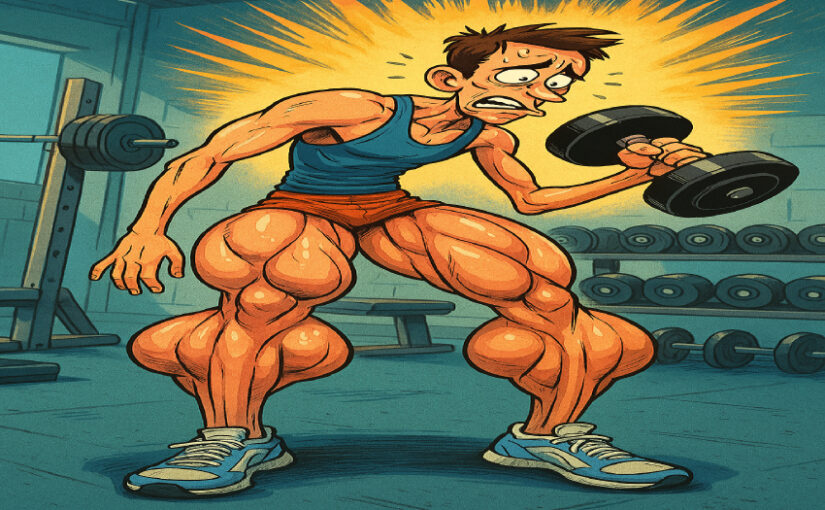

Should You Exercise Everyday? Get the Facts

When it comes to fitness routines, one question pops up more than almost any other: should you exercise everyday? With so many experts, programs, and fitness trends offering different advice, it can be confusing to know what’s actually best for your body. The truth is, daily movement is essential — but the type, intensity, and duration of exercise you do each day matter just as much as consistency.

Is It Safe to Work Out Every Day?

Many people assume that working out daily means pushing yourself through nonstop intense training sessions, but that’s not the case. Whether should you exercise everyday depends mainly on how you structure your routine. Daily exercise is safe for most people when it includes a balanced mix of activities and adequate rest.

Your body needs movement, but it also requires recovery. If you’re doing high-intensity strength or interval training seven days a week, you may risk overtraining, which can lead to fatigue, sleep problems, and even injury. But incorporating low-impact or recovery-focused activities makes daily exercise not only safe but beneficial.

Benefits of Exercising Every Day

If structured correctly, exercising every day offers significant health benefits:

1. Better Cardiovascular Health

Daily movement supports heart health by improving circulation and lowering blood pressure.

2. Improved Mood and Mental Health

Exercise boosts endorphins, reduces stress hormones, and can improve overall emotional well-being.

3. Increased Strength and Mobility

Even light strength or flexibility exercises performed daily help keep muscles active and joints mobile.

4. Consistency for Weight Management

Regular movement makes it easier to maintain a healthy weight without extreme diets or intense workout cycles.

What Should Daily Exercise Look Like?

To answer the question, should you exercise everyday, it helps to understand that “exercise” doesn’t always mean a sweat-soaked gym session. A healthy routine can include:

  • 3–4 days of moderate or high-intensity workouts
  • 2–3 days of low-intensity activities like yoga or walking
  • 1 active recovery day with stretching or mobility work

This balance gives your muscles time to repair while keeping your body moving safely and sustainably.

Signs You’re Exercising Too Much

Even healthy habits can be overdone. Watch for:

  • Persistent fatigue
  • Difficulty sleeping
  • Decreased performance
  • Irritability
  • Elevated resting heart rate

If you’re experiencing these symptoms, it may be time to scale back and evaluate whether should you exercise everyday is the right approach for your current fitness level.

Daily Exercise Breakdown: What a Balanced Weekly Routine Looks Like

Day of the WeekExercise TypeIntensity LevelPurpose
MondayStrength TrainingModerate–HighBuild muscle and boost metabolism
TuesdayCardioModerateImprove heart health and endurance
WednesdayYoga or PilatesLow–ModerateIncrease mobility and core strength
ThursdayInterval Training (HIIT)HighBurn calories and enhance conditioning
FridayLight Cardio (Walking)LowPromote recovery while staying active
SaturdayStrength or Mixed WorkoutModerateMaintain strength and overall fitness
SundayStretching / Active RestVery LowSupport muscle recovery and reduce stress

Conclusion

So, should you exercise everyday? The answer is yes — as long as your routine is balanced and includes proper rest. Daily movement can significantly improve your physical and mental health, but that doesn’t mean pushing yourself to the limit every single day. By mixing in light activities, rest days, and varied training, you can enjoy the benefits of consistent exercise without the risks of overtraining.


Frequently Asked Questions (FAQ)

Is It Okay to Work Out Seven Days a Week?

Yes, it’s okay to work out daily if your routine includes a mix of intensities and proper recovery. Light activity days help prevent overtraining while keeping your body moving regularly.

How Many Rest Days Do Most People Need?

Most people benefit from at least one to two rest or active recovery days per week. These days allow muscles to repair, which supports strength gains and reduces injury risk.

What Counts as Active Recovery?

Active recovery includes low-intensity activities such as walking, stretching, yoga, or leisurely cycling. These movements promote circulation without stressing the muscles.

Can Daily Workouts Help Improve Mental Health?

Absolutely. Regular movement increases endorphin levels, reduces stress hormones, and can improve mood and focus. Even short sessions contribute to mental well-being.

What Are Signs That You’re Overtraining?

Common signs include persistent fatigue, irritability, decreased performance, elevated resting heart rate, sleep disturbances, and loss of motivation. These indicate the body needs more rest.


Can You Do Yoga Everyday? Here’s What Happens

If you’ve ever wondered, Can you do yoga everyday, you’re not alone. With yoga’s surge in popularity for improving flexibility, easing stress, and boosting mental well-being, many people want to know whether a daily practice is beneficial—or potentially too much. The truth is that practicing yoga every day can be incredibly transformative when done mindfully. Here’s precisely what happens when you commit to a daily yoga routine and how to do it safely.

The Benefits of Doing Yoga Every Day

1. Noticeably Improved Flexibility and Mobility

One of the first changes people notice when exploring whether can you do yoga everyday is an increase in flexibility. Even just 10–20 minutes of daily stretching helps lengthen muscles, ease stiffness, and increase your natural range of motion.

2. Reduced Stress and Better Emotional Balance

Yoga’s combination of movement, breathwork, and mindfulness encourages your nervous system to shift out of stress mode. Practicing daily—even gentle styles like Yin or Restorative—can help regulate mood, reduce anxiety, and promote calm.

3. Increased Strength and Muscle Tone

Many people think yoga is only about stretching, but daily practice also builds strength. Dynamic styles like Vinyasa, Ashtanga, and Power Yoga challenge your core, legs, back, and shoulders. Asking can you do yoga everyday often leads to the pleasant surprise that yoga can truly be a strengthening workout.

4. Better Posture and Less Pain

If you sit for long periods, daily yoga can counteract tight shoulders, lower back strain, and neck tension. Gentle daily movement keeps your spine aligned and your muscles balanced.

5. Enhanced Focus and Mental Clarity

Consistent yoga trains your mind to stay present, which can improve concentration and productivity. Even a short daily practice enhances mental clarity.

Is It Safe to Do Yoga Every Day?

Generally, yes—doing yoga every day is safe and beneficial. The key is to listen to your body. When asking can you do yoga everyday, remember that daily yoga doesn’t mean pushing yourself hard each session. It’s about consistency, not intensity.

  • Mix vigorous days with slow or restorative sessions.
  • Allow yourself to modify poses as needed.
  • Take rest days when you feel fatigue or soreness.

For most people, this balanced approach supports long-term well-being without burnout.

How to Start Practicing Yoga Every Day

1. Begin With Small, Manageable Sessions

You don’t need to commit to an hour a day—even 10 minutes counts.

2. Vary the Styles

Alternate between gentle and more active forms of yoga to avoid overuse injuries.

3. Set a Time Each Day

Consistency builds habit. Choose morning, evening, or lunch—whatever works for you.

4. Listen to Your Energy Levels

Your daily answer to can you do yoga everyday will depend on whether you aim for intensity or simply presence and movement.

What Happens When You Do Yoga Every Day? Quick Overview

BenefitWhat You Can Expect
Improved FlexibilityDaily stretching increases mobility and reduces stiffness.
Reduced StressBreathwork and mindful movement lower cortisol and promote emotional balance.
Increased StrengthConsistent practice builds muscle tone in the core, legs, back, and shoulders.
Better PostureYoga strengthens postural muscles and reduces neck, shoulder, and back pain.
More Mental ClarityRegular yoga improves focus, concentration, and overall mental well-being.
Enhanced Body AwarenessDaily movement helps you tune into your body’s needs and limits more accurately.
Greater Energy LevelsGentle daily movement improves circulation and boosts natural energy throughout the day.

Conclusion: Can You Do Yoga Everyday? Absolutely—With Balance

So, can you do yoga everyday? Yes—and doing so can improve strength, flexibility, focus, posture, and emotional well-being. As long as you practice mindfully and vary your routine, daily yoga can be a sustainable and deeply rewarding habit. By listening to your body and staying consistent, you’ll experience the powerful changes that a daily yoga practice brings.


Frequently Asked Questions (FAQ)

Is It Okay to Practice Yoga Even if You’re a Beginner?

Absolutely. Beginners can begin with simple poses and short sessions. Over time, flexibility and strength improve naturally, making more advanced postures accessible.

How Long Should a Typical Yoga Session Last?

Most people benefit from 15–45 minutes per session. Shorter sessions still provide mental and physical benefits, especially when practiced consistently.

Can Yoga Help Reduce Back Pain?

Yes. Many poses strengthen the core and stretch tight muscles that contribute to back discomfort. Gentle, restorative movements are especially effective for easing tension.

What is the Best Time of Day to Do Yoga?

It depends on your goals. Morning sessions boost energy and focus, while evening practices help release stress and unwind before bed.

Do You Need Special Equipment to Start Yoga?

A yoga mat is helpful for stability, but it’s not required. Comfortable clothing and a clear space to move are enough for most basic practices.

Can You Do HIIT Everyday? Here’s What Happens

The effectiveness and significant fitness benefits of high-intensity interval training (HIIT) have made it very popular. However, a common question people search for is Can you do HIIT everyday?” While HIIT can transform your cardio health, metabolism, and strength, doing it daily may have unexpected effects on your body and performance.

What Makes HIIT So Effective?

HIIT alternates short bursts of intense exercise with brief recovery periods. This style of training produces:

  • Increased calorie burn in less time
  • Boosted metabolism for hours post-workout
  • Improved cardiovascular conditioning
  • Enhanced fat loss and endurance

Because HIIT is so efficient, many people feel tempted to repeat it daily—wondering again, can you do HIIT everyday without consequences?

What Happens If You Do HIIT Every Day?

1. You May Burn Out Physically

HIIT places high stress on muscles, joints, and your nervous system. Without rest, this can lead to:

  • Persistent soreness
  • Decreased performance
  • Higher injury risk
  • Chronic fatigue

Even trained athletes typically limit HIIT to a few sessions per week for this reason.

2. Your Cortisol Levels Can Spike

Daily HIIT can elevate cortisol, the stress hormone. Chronically high cortisol may cause:

  • Trouble sleeping
  • Slower recovery
  • Plateaued fat loss
  • Mood imbalance

Your body needs time to recover and restore hormone balance.

3. You Might Stall Progress

Ironically, too much HIIT can prevent results. When the body is overworked, it becomes less efficient at:

  • Building muscle
  • Burning fat
  • Improving endurance

So while you might think doing more is better, the science suggests otherwise.

4. You Risk Overtraining

This is especially important when asking, “Can you do HIIT every day?” Overtraining syndrome can lead to:

  • Lower immunity
  • Pain and inflammation
  • Decline in motivation
  • Slower metabolism

HIIT is intense—your body must be able to adapt, not break down.

How Often Should You Do HIIT?

The sweet spot for most people is 2–4 HIIT sessions per week, spaced out to allow recovery. On the other days, focus on:

  • Walking or light cardio
  • Strength training
  • Mobility work
  • Active recovery

This balanced approach helps you get the benefits of HIIT without burnout.

Who Should Avoid Doing HIIT Every Day?

Daily HIIT is especially risky for:

  • Beginners
  • People with joint issues
  • Those recovering from injury
  • Individuals with high stress or poor sleep
  • Anyone with adrenal or hormone imbalances

Always listen to your body and modify your routine accordingly.

Recommended HIIT Frequency and What to Expect

Weekly HIIT SessionsWhat HappensBest For
1–2 sessions/weekSteady progress, low injury risk, good recoveryBeginners, general fitness
3–4 sessions/weekOptimal fat loss and conditioning, manageable fatigueIntermediate to advanced exercisers
5–7 sessions/weekHigh fatigue, increased injury risk, possible hormone imbalanceNot recommended for most people

Conclusion

So, can you do HIIT everyday? Technically, yes—but it’s usually not beneficial. While HIIT is powerful, doing it daily increases the risk of injury, hormonal imbalance, and stalled progress. A smarter strategy is mixing HIIT with low-intensity training, strength work, and rest days. That way, you build a stronger, healthier body without sacrificing recovery.


Frequently Asked Questions (FAQ)

Is HIIT Suitable for Beginners?

Absolutely, newcomers can participate in HIIT, but it’s crucial to begin with shorter durations and reduced intensity. Gradually increasing effort helps prevent injury and builds proper form and endurance.

How Long Should a Typical HIIT Workout Last?

Most HIIT sessions last 10-30 minutes. The goal is short, intense bursts rather than long-duration training, which is why HIIT can be so efficient.

What Are the Signs That I Need More Recovery Time?

Common signs include persistent soreness, poor sleep, reduced performance, irritability, and increased fatigue. If you notice these symptoms, taking rest days or lowering intensity is helpful.

Can HIIT Help With Weight Loss?

Yes, HIIT is effective for weight loss, as it boosts calorie expenditure and raises metabolism for several hours post-workout through the afterburn effect.

What Should I Eat Before a HIIT Session?

A balanced pre-workout snack with carbs and a small amount of protein—such as fruit with yogurt, oatmeal, or a banana with nut butter—provides sustained energy for intense intervals.

Is Running More Effective Than Walking? Get the Facts

When it comes to enhancing your well-being, those passionate about fitness frequently inquire: Is running more effective than walking? Both activities are excellent forms of exercise, but understanding their differences can help you make the best choice for your goals. In this article, we break down the benefits of running and walking, the science behind calorie burn, cardiovascular improvements, and which option might suit your lifestyle.

The Calorie-Burning Question

One of the primary reasons people wonder is running more effective than walking is calorie burn. Running typically expends more calories per minute compared to walking because of its greater intensity. For example, a person who weighs 155 pounds expends about 298 calories when they run for 30 minutes at 5 mph, whereas they burn about 149 calories when they walk briskly for 30 minutes at 4 mph.

However, walking can still be very effective if done consistently and for more extended periods. The key takeaway is that intensity and duration both matter when determining overall calorie expenditure.

Cardiovascular Benefits

Running elevates your heart rate faster and strengthens the cardiovascular system more quickly than walking. Studies show that consistent running can improve VO2 max, reduce blood pressure, and enhance heart health. Walking, while lower in intensity, is gentler on the joints and still improves cardiovascular health, especially for beginners or those with mobility limitations.

Muscle and Joint Impact

When considering is running more effective than walking, you also need to think about muscle engagement and joint stress. Running engages more muscles in the legs, core, and even the upper body due to its higher impact and explosive motion. However, this comes at the cost of increased stress on knees, hips, and ankles. Walking offers a low-impact alternative that still strengthens the legs and supports joint health with minimal risk of injury.

Mental Health Benefits

Both walking and running offer mental health advantages, including stress reduction, improved mood, and better cognitive function. Running may produce a more intense endorphin release, often referred to as a “runner’s high,” while walking can be a meditative, low-stress way to improve mental well-being. Your preference and consistency will largely determine which activity provides the most benefit.

Which is Right for You?

So, is running more effective than walking? The answer depends on your goals:

  • Weight loss and calorie burn: Running has a slight edge due to higher intensity.
  • Joint-friendly exercise: Walking wins for those with knee, hip, or ankle issues.
  • Consistency and habit-building: Walking is easier to maintain long-term for most people.
  • Cardiovascular fitness: Running offers faster gains, but walking remains beneficial.

Ultimately, the most effective exercise is the one you enjoy and can do consistently. Many people combine both walking and running into a balanced routine to reap the benefits of both.

Table: Running vs. Walking – Key Differences at a Glance

Feature/GoalRunningWalking
Calories Burned (30 min)~298 calories~149 calories
Cardiovascular BenefitHigh – improves VO2 max quicklyModerate – gentle on the heart
Muscle EngagementHigh – legs, core, upper bodyModerate – mainly legs
Joint ImpactHigh – stress on knees, hipsLow – joint-friendly
Mental Health BoostHigh – runner’s high possibleModerate – relaxing and meditative
Consistency & EaseModerate – higher effortHigh – easy to maintain daily

Conclusion

If your main question is running more effective than walking, the answer is yes for calorie burn, cardiovascular improvements, and muscle engagement—but walking remains a highly effective, low-impact alternative. Choosing the right exercise comes down to personal preference, fitness goals, and any physical limitations. Whether you lace up your running shoes or take a brisk walk, both paths lead to improved health and well-being.


Frequently Asked Questions (FAQ)

What’s the Difference in Calories Burned Between Running and Walking?

Running burns significantly more calories per minute due to higher intensity. However, walking for longer periods can still contribute to substantial calorie expenditure. Both activities help support weight management and overall fitness.

Which Exercise is Better for Joint Health?

Walking is easier on the joints and reduces the risk of injury, making it a safer option for those with knee, hip, or ankle concerns. Running provides more intensity but can increase joint stress over time.

Can Brisk Walking Improve Cardiovascular Fitness?

Yes. Brisk walking raises the heart rate, strengthens the heart, and can help lower blood pressure. While not as intense as running, regular walking still offers meaningful cardiovascular benefits.

Does Running Build More Muscle Than Walking?

Running engages more muscles in the legs, core, and even upper body due to higher impact and movement intensity. Walking primarily works the legs but still promotes muscle endurance and toning.

Which Exercise is Better for Mental Health?

Both walking and running improve mood, reduce stress, and enhance cognitive function. Running may produce a more intense endorphin release, while walking provides a relaxing, meditative experience.

Can You Do Cardio Everyday? Here’s What Happens

If you’ve ever wondered, “Can you do cardio everyday?”, you’re not alone. Many people who want to lose weight, improve endurance, or boost overall health consider adding daily cardio to their routine. But is it actually good for your body—or could it hold you back? Here’s what really happens when you commit to daily cardiovascular exercise.

What Counts as Cardio?

Cardiovascular exercise includes activities that raise your heart rate, such as running, walking, cycling, swimming, rowing, HIIT, dance, jump rope, and more. The intensity, duration, and type of cardio you choose all influence how your body responds to doing it every day.

Can You Do Cardio Everyday? Here’s How Your Body Responds

1. You May Improve Heart Health

One of the most significant benefits of doing cardio daily is improved cardiovascular efficiency. When you ask, “can you do cardio everyday,” the answer is yes for most people—especially at moderate intensities. Regular cardio strengthens the heart muscle, lowers resting heart rate, and improves circulation.

2. You Can Burn More Calories and Support Weight Loss

Daily cardio increases your total daily energy expenditure. This can help create a calorie deficit, make weight loss easier, or support maintenance if your goal is to stay lean. Low-impact daily cardio, like walking, is especially sustainable.

3. Your Mood and Energy May Improve

Cardio boosts endorphins, reduces stress hormones, and can improve mental health. Many people notice better focus, improved sleep, and a more stable mood when incorporating daily movement.

4. But You May Also Risk Overtraining

The biggest concern when asking “can you do cardio everyday” is overuse injuries and burnout. High-intensity cardio seven days per week can stress the joints, weaken the immune system, and lead to chronic fatigue. Common signs you’re overdoing it include:

  • Soreness that doesn’t improve
  • Drop in performance
  • Irritability or trouble sleeping
  • Elevated resting heart rate

5. Muscle Loss Can Occur Without Strength Training

If you replace strength training with daily cardio, you may lose muscle mass. This can lower metabolism and make weight management harder. The key is balance: mixing resistance training with cardio or splitting your weekly schedule.

6. Your Results Depend on the Type of Cardio

Doing intense HIIT every day is NOT recommended. But daily low- to moderate-intensity cardio—like brisk walking, light cycling, or easy jogging—can be safe and beneficial. Variety reduces injury risk and keeps things enjoyable.

Who Should NOT Do Cardio Every Day?

Daily cardio may not be ideal for:

  • People recovering from injuries
  • Those with chronic fatigue or adrenal issues
  • Anyone doing high-intensity workouts without rest
  • Beginners who haven’t built a fitness base

Always consult a healthcare professional if you have medical concerns.

How to Safely Do Cardio Every Day

If your goal is to incorporate daily movement:

  • Mix intensities (example: 4 light days, 2 moderate days, 1 intense day)
  • Add strength training 2–3 times per week
  • Keep at least one day “light and easy”
  • Listen to your body and rest if needed

Daily Cardio: Benefits vs. Risks (Quick Comparison Table)

FactorBenefits of Doing Cardio Every DayPotential Risks of Doing Cardio Every Day
Heart HealthStrengthens heart, improves circulationOvertraining may elevate resting heart rate
Weight ManagementBurns more calories, supports fat lossExcess cardio may reduce muscle mass
Energy & MoodBoosts endorphins, reduces stressFatigue if intensity is too high
EnduranceBuilds stamina and aerobic capacityPlateaus if you don’t vary workouts
Injury RiskLow risk with light, low-impact cardioHigh risk with daily HIIT or long runs
Recovery NeedsMinimal recovery for low-intensity exerciseInsufficient recovery leads to burnout

Conclusion: Can You Do Cardio Everyday?

So—can you do cardio everyday? Yes, as long as you’re smart about intensity, variety, and recovery. Daily movement can improve heart health, elevate mood, and support fat loss, but overtraining becomes a risk when the volume is too high. The best results come from a balanced routine that includes strength training, rest, and cardio tailored to your fitness level.


Frequently Asked Questions (FAQ)

How Much Cardio is Safe to Do Each Week?

Most experts recommend aiming for 30 minutes of comfortable, moderate cardio on five days a week, or 15 minutes of more challenging, faster cardio on three days a week. You can safely do more if your body feels okay, but make sure to include easier days so your muscles and joints have time to recover.

Is It Better to Do Cardio Before or After Strength Training?

It depends on your goal. If you want to build strength, do cardio after lifting. If endurance is your priority, do cardio first. For general fitness, either order is fine.

What Types of Cardio Are Easiest on the Joints?

Gentle activities like cycling, swimming, rowing, and brisk walking are easy on the joints while still offering cardiovascular advantages.

Can Doing Too Much Cardio Affect Muscle Growth?

Yes. Excessive cardio—especially high-intensity or long-duration sessions—can interfere with muscle recovery and growth, particularly if you’re not eating enough protein or calories.

How Do I Know if I’m Overtraining With Cardio?

Common signs include persistent soreness, decreased performance, trouble sleeping, irritability, and elevated resting heart rate. These symptoms suggest you may need to reduce intensity or add rest days.

Is It Okay to Train Full Body Everyday? Get the Facts

If you’ve been wondering is it okay to train full body everyday, you’re not alone. Many people love the efficiency and intensity of full-body workouts, but aren’t sure if doing them daily is safe or effective. This guide breaks down the science, the risks, and the best practices so you can make informed decisions about your fitness routine.

What Full-Body Training Actually Does for Your Body

Full-body exercises involve all primary muscle groups in a single workout. When done right, they can:

  • Boost calorie burn
  • Improve strength evenly across the body
  • Increase workout efficiency
  • Support better movement patterns

But whether is it okay to train full body everyday depends heavily on your recovery, training intensity, and lifestyle habits.

The Science Behind Muscle Recovery

Muscles grow and get stronger during recovery, not during the workout itself. After training, your body needs time to repair muscle fibers. Most research suggests 24–48 hours is ideal for muscle recovery, depending on intensity.

If you’re wondering “is it okay to train full body everyday?”, consider the following:

You can train full body daily if:

  • Intensity is low to moderate
  • Volume (sets and reps) is controlled
  • You alternate movement patterns
  • You prioritize sleep, hydration, and nutrition

You should not train full body daily if:

  • You’re lifting heavy each session
  • You feel constant soreness
  • Your performance is decreasing
  • You’re experiencing joint pain or fatigue

Benefits of Daily Full-Body Training (When Done Safely)

If programmed intelligently, daily full-body training can offer real benefits:

1. Improved Skill and Form

Frequent practice of compound movements like squats or push-ups can enhance technique.

2. Increased Calorie Burn

Daily movement elevates metabolism and supports weight-loss goals.

3. Simplified Scheduling

No more worrying about “leg day” vs. “push day”—just move your whole body every day.

4. Better Consistency

Short, daily sessions can be more sustainable than long, intense workouts.

Risks of Training Full Body Every Day

Even if the idea sounds appealing, overdoing it can backfire. The main risks include:

  • Overtraining
  • Hormonal imbalances
  • Chronic fatigue
  • Injury from insufficient recovery

This is where the question “is it okay to train full body everyday?” really matters—because the answer isn’t a simple yes or no.

How to Train Full Body Every Day Safely

If daily training fits your schedule or motivation style, here’s how to make it work safely:

1. Vary the Intensity

Rotate between:

  • High-intensity days
  • Moderate days
  • Active recovery days

2. Keep Workouts Short

Aim for 20–40 minutes.

3. Rotate Muscle Emphasis

Even in a full-body routine, don’t push every muscle group to failure daily.

4. Listen to Your Body

Soreness, poor sleep, or irritability are signs you need rest.

Should You Train Full Body Every Day? Quick Comparison Guide

FactorDaily Full-Body Training Works When…Avoid Daily Full-Body Training When…
IntensitySessions are light to moderateSessions are heavy or near failure
Recovery TimeYou sleep well, hydrate, and eat enough proteinYou’re sore, fatigued, or not recovering
Training ExperienceYou’re a beginner or intermediate using simple movementsYou’re lifting heavy or doing advanced programming
Workout StructureYou vary muscle emphasis and difficultyYou repeat the same exercises at high intensity
GoalsConsistency, fat loss, technique improvementMax strength, hypertrophy with heavy loads
Body FeedbackYou feel energized and injury-freeYou notice joint pain, fatigue, or declining performance

Conclusion

So… Is It Okay to Train Full Body Everyday? It can be—as long as you manage intensity, prioritize recovery, and listen to your body’s signals. Daily full-body training works best when sessions vary in difficulty and don’t push every muscle group to failure. Done incorrectly, it can lead to overtraining, stalled progress, or injury. The bottom line: daily training is possible, but thoughtful programming and balance are essential.


Frequently Asked Questions (FAQ)

Can You Work the Same Muscles Every Day?

Training the same muscles daily is possible, but only at low to moderate intensity. Muscles need time to repair, so if you’re lifting heavy or training to failure, you’ll need at least 24–48 hours of recovery between sessions.

What Happens if You Don’t Rest Between Workouts?

Skipping rest can lead to overtraining, fatigue, decreased performance, and a higher risk of injury. Rest days allow muscles, joints, and your nervous system to recover and come back stronger.

Are Full-body Workouts Good for Beginners?

Yes. Full-body workouts are perfect for beginners because they develop overall strength, enhance movement patterns, and require no complicated programming. Short, frequent sessions help build consistency.

How Many Times a Week Should You Train for Optimal Results?

Most people see excellent results with 3–4 full-body sessions per week. This frequency balances effective training with adequate recovery, especially when intensity is moderate to high.

Is It Better to Train Full Body or Split Workouts?

Both can be effective. Full-body routines suit people seeking efficiency or general fitness, while split routines work well for muscle growth or advanced strength goals. The best choice depends on your schedule, experience, and recovery capacity.

Can I Workout My Abs Everyday? Here’s What Happens

If you’ve ever wondered, “Can I workout my abs everyday?” you’re not alone. Many people assume that daily ab training is the fastest route to a sculpted six-pack. But is it actually effective—or could it be slowing your progress? Below, we break down what really happens when you train abs every day, how your core responds, and what to do for the best results.

Are Abs Meant to Be Trained Daily?

Your abdominal muscles are like any other muscle group—they need stimulus and recovery to grow stronger. While the core is involved in nearly every movement you perform, your rectus abdominis, obliques, and transverse abdominis benefit from planned rest.

However, because core muscles have high endurance and recover relatively quickly, many people believe the answer to “can I workout my abs everyday” is a simple yes. It’s not that simple.

What Happens If You Train Abs Every Day?

1. You Might Build Endurance, Not Abs

Daily ab workouts can improve muscular endurance—meaning your core can handle more reps and longer planks. But endurance isn’t the same as definition or strength. Visible abs rely heavily on overall body fat percentage.

2. Overtraining Is Possible

Although abs recover faster than muscles like hamstrings or chest, they still need downtime. Training them every day may lead to:

  • reduced performance
  • chronic soreness
  • poor posture
  • increased injury risk

This is one of the biggest concerns when questioning can I workout my abs everyday.

3. Results May Plateau

Your body adapts quickly to repetitive movements. Doing the same ab exercises daily can stall progress. Muscle growth happens during recovery—not during constant training.

4. Your Posture and Stability Can Improve

A stronger core does improve stability, balance, and posture. This can be a benefit of frequent (but not excessive) ab training.

How Often Should You Train Your Abs?

For most fitness levels, experts recommend training abs 2–4 times per week, making sure to include:

  • upper ab exercises
  • lower ab exercises
  • oblique-focused movements
  • deep core activation (think planks and dead bugs)

This rotation gives your muscles enough recovery to become stronger, more defined, and more functional.

Tips for Safe and Effective Ab Training

  • Prioritize form to prevent lower-back strain.
  • Vary your exercises to target all areas of your core.
  • Incorporate compound lifts—squats and deadlifts heavily engage your core.
  • Maintain a calorie-aware diet; abs are made in the gym and the kitchen.
  • Take rest days for optimal muscle growth.

Table: Pros & Cons of Working Out Abs Every Day

Benefits of Daily Ab WorkoutsDrawbacks of Daily Ab Workouts
Improves core endurance and stabilityCan lead to overtraining and fatigue
Enhances posture and balanceIncreases risk of lower-back strain
Helps build a consistent fitness habitSlows progress due to lack of recovery
Engages muscles frequently for activationMay cause plateaus in strength or definition
Supports movements in other exercisesCan reduce performance in other workouts

Conclusion: Can I Workout My Abs Everyday?

So, can I workout my abs everyday and still make progress? Yes—but it’s usually not the most effective strategy. Daily light core activation is fine, but for real strength and visible definition, rest days matter. A balanced routine that mixes intensity, variety, and recovery will yield better results than grinding through ab circuits seven days a week.


Frequently Asked Questions (FAQ)

Is It Better to Train Abs Every Day or a Few Times a Week?

Training abs a few times a week is generally more effective because it allows your muscles time to recover and grow stronger. Pushing them too hard can lead to exhaustion and reduced effectiveness.

How Long Does It Take to See Visible Ab Definition?

Most people see noticeable definition within 8–12 weeks, depending on body fat levels, diet, and training consistency. Reducing overall body fat plays a major role.

Do Ab Exercises Burn Belly Fat?

No single exercise burns fat from a specific area. Ab movements strengthen the core, but fat loss comes from a combination of calorie control, full-body training, and consistent activity.

Can I Train My Core Without Doing Crunches?

Absolutely. Exercises like planks, leg raises, dead bugs, and stability-based movements often target the core more effectively and with less strain on the spine.

What Are Signs That I’m Overtraining My Abs?

Common warning signs include persistent soreness, lower-back discomfort, declining strength, and reduced workout performance. Rest days help prevent these issues.

What If You Only Train Legs? Bad Idea?

If you’ve ever wondered “what if you only train legs”, you’re not alone. Leg day is famously brutal, incredibly effective for building strength, and essential for overall athletic performance. But is focusing exclusively on lower-body training a smart fitness strategy—or a fast track to imbalance and burnout? This article breaks down what really happens when you ditch upper-body training and go all-in on legs.

Why People Consider Training Only Legs

Some people think that if they train their legs exclusively, they’ll burn more calories, build more muscle, or develop elite athletic power. There’s validity to this statement: the legs house some of the biggest muscle groups in the body, which means that leg exercises can provide significant strength and metabolic advantages.

But the question remains: what if you only train legs for weeks or months?

Let’s dive into the pros and cons.

The Benefits of Training Legs (But Not Only Legs)

1. Massive Lower-Body Strength Gains

Squats, lunges, and deadlifts create enormous strength adaptations. If you train legs frequently, those gains can come fast.

2. Higher Calorie Burn

Large muscle groups = higher energy demand. Leg workouts elevate heart rate and boost metabolism.

3. Athletic Performance Improvements

Sprinters, jumpers, and field athletes rely heavily on leg power. Extra leg volume can improve speed, vertical jump, and explosiveness.

These are legitimate benefits—but the problem isn’t training legs. It’s only training legs.

What Happens If You Only Train Legs? The Downsides

1. Major Muscular Imbalances

Ignoring your upper body leads to weak shoulders, chest, back, and arms. This can result in:

  • poor posture
  • rounded shoulders
  • limited functional strength
  • increased risk of injury

When you ask “what if you only train legs”, imbalance is the #1 issue.

2. Overuse Injuries

Your knees, hips, and lower back take a beating when you skip balanced programming. This can lead to:

  • patellar tendonitis
  • hip impingement
  • lower-back strain
  • chronic soreness

Your legs need rest as much as they need training.

3. Limited Overall Strength and Aesthetics

Even if you only care about performance, a strong upper body still matters. It supports:

  • running form
  • deadlifting stability
  • balance during squats
  • sprint mechanics

Aesthetically, you’ll end up with a powerful set of legs… and an underdeveloped torso. It’s the reverse “skip leg day” meme.

4. Poor Hormonal and Metabolic Balance

Training legs increases testosterone and growth hormone, but balanced, full-body routines amplify this effect. Focusing exclusively on legs creates diminishing returns over time.

Should You Ever Train Legs More Often Than Upper Body?

Absolutely—many athletes do. A 2:1 or 3:2 lower-body-to-upper-body ratio is common, especially for sports requiring power and speed.

But even in these cases, coaches NEVER recommend training only legs. Whole-body balance is essential for long-term performance and injury prevention.

The Ideal Training Approach Instead

To avoid the problems associated with what if you only train legs, aim for a balanced routine like:

Option 1: Upper/Lower Split

  • Day 1: Upper
  • Day 2: Lower
  • Day 3: Rest
  • Repeat

Option 2: Full-Body Training

Train full body 2–4× per week with both pushing and pulling movements.

Option 3: Strength + Athleticism Hybrid

  • 2 lower-body days
  • 2 upper-body days
  • Optional conditioning day

This keeps your physique balanced, reduces injury risk, and maximizes long-term gains.

Table: Pros and Cons of Only Training Legs

ProsCons
Builds massive lower-body strengthUpper body weakness and imbalance
Burns a high number of caloriesPoor posture and rounded shoulders
Improves leg power and explosivenessIncreased risk of knee, hip, and lower-back injuries
Enhances athletic performance for lower-body dominant sportsLimited overall strength and aesthetics
Stimulates hormone release (testosterone, growth hormone)Diminishing returns without full-body balance

Conclusion

In the end, asking “what if you only train legs” leads to a clear conclusion: while leg training is essential, doing only legs is a bad idea. You’ll build strong quads, hamstrings, and glutes—but at the expense of balance, posture, performance, and long-term joint health. A well-rounded routine always delivers better results.


Frequently Asked Questions (FAQ)

How Often Should I Train My Legs Each Week?

Most fitness experts recommend training legs 2–3 times per week, allowing at least 48 hours of recovery between sessions to prevent overuse injuries and maximize muscle growth.

Can Skipping Upper-body Workouts Affect My Posture?

Yes. Focusing only on lower-body training can lead to rounded shoulders, weak back muscles, and an overall imbalance that negatively impacts posture over time.

What Are the Best Exercises for Building Leg Strength?

Compound movements like squats, deadlifts, lunges, and step-ups are highly effective. Incorporating both heavy lifts and accessory exercises ensures balanced muscle development.

How Can I Prevent Knee or Hip Injuries While Training Legs?

Proper form, progressive overload, and adequate rest are key. Strengthening surrounding muscles like glutes, hamstrings, and core also helps reduce joint stress.

Is It Possible to Improve Athletic Performance by Training Just the Lower Body?

While lower-body workouts can enhance speed, jumping, and power, neglecting the upper body can limit overall performance, stability, and functional strength in sports.

Overtraining? Here’s What You Need to Know

When you’re pushing toward big fitness goals, it’s easy to think that more is always better. But overtraining can sneak up on you, drain your progress, and even lead to injury. Understanding what it is—and how to avoid it—is essential for staying strong, healthy, and consistent.

What Is Overtraining?

Overtraining happens when the stress of exercise exceeds your body’s ability to recover. Instead of getting fitter, your performance declines. This isn’t just about working out hard once—it’s a chronic imbalance between training load, recovery, nutrition, and sleep.

Common Signs of Overtraining

If you’re training intensely, watch for these red flags:

1. Persistent Fatigue

Feeling tired for days or weeks, even with rest, is a common indicator of overtraining.

2. Decreased Performance

You may lift less weight, run slower, or feel weaker during your usual workouts.

3. Elevated Resting Heart Rate

A consistently higher morning heart rate can signal your nervous system is under stress.

4. Mood Changes

Irritability, anxiety, and low motivation often accompany overtraining because of hormonal shifts.

5. Frequent Illness or Injury

Your immune system weakens when recovery is inadequate, making you more prone to colds and strains.

What Causes Overtraining?

Several factors can push you over the edge:

  • Training too often without rest days
  • Not eating enough to fuel workouts
  • Poor sleep quality
  • High life stress combined with intense training
  • Repeating the same exercises without variation

How to Prevent Overtraining

Keeping your performance strong means balancing effort and recovery. Here’s how:

1. Prioritize Rest

Schedule at least one full rest day per week, and don’t be afraid to take more if your body needs it.

2. Fuel Properly

Ensure you’re eating enough protein, carbs, and healthy fats to support your training volume.

3. Sleep 7–9 Hours

Obtaining quality sleep is one of the most effective methods to avoid overtraining.

4. Mix Up Your Training

Alternate between high-intensity and low-intensity sessions to allow your body to adapt.

5. Listen to Your Body

If you feel unusually tired, sore, or mentally drained, reduce intensity or take a break.

How to Recover From Overtraining

If you realize you’re already in the danger zone:

  • Take 3–7 days off from intense exercise
  • Focus on hydration and nutrition
  • Do light movement like walking or stretching
  • Reintroduce training gradually
  • Track your energy levels as you resume workouts

Quick Guide: Common Signs of Overtraining and What They Mean

Sign of OvertrainingWhat It IndicatesWhy It Matters
Persistent FatigueYour body isn’t recovering between workoutsLeads to reduced energy and slower progress
Decreased PerformanceStrength, speed, or endurance begins to dropSignals chronic stress on muscles and nervous system
Elevated Resting Heart RateNervous system overloadShows your body is stuck in stress mode
Mood ChangesIrritability, anxiety, or low motivationHormonal imbalance due to excessive training
Frequent Illness or InjuryWeakened immune system or overworked tissuesIncreases recovery time and risk of setbacks

Conclusion

Pushing yourself can lead to excellent results—but pushing too far can backfire. Recognizing the signs of overtraining and knowing how to prevent it will help keep you healthy and progress safely. Give your body the recovery it deserves so you can keep performing at your best.


Frequently Asked Questions (FAQ)

How Can I Tell if I’m Pushing My Workouts Too Hard?

You may notice ongoing fatigue, declining performance, or trouble recovering between sessions. If your body feels consistently stressed rather than energized, it’s a sign to ease back and allow more rest.

How Many Rest Days Should I Take Each Week?

The majority of individuals benefit from taking 1 to 3 rest days each week, depending on the intensity of their training and their individual fitness levels. Listening to your energy levels and adjusting as needed is key.

Can Lack of Sleep Affect Workout Performance?

Yes. Insufficient sleep impairs muscle repair, reduces motivation, and disrupts hormones involved in strength and endurance. Getting 7–9 hours of sleep supports better performance and recovery.

Why Do I Feel Weaker Even Though I’m Training Regularly?

Feeling weaker can result from inadequate recovery, poor nutrition, dehydration, or mental stress. Balancing your routine with proper rest and fueling often restores strength more effectively than adding more exercise.

What Should I Do if I Feel Burnt Out From Exercising?

Taking a break from intense training, focusing on light movement, improving sleep, and increasing nutrient-rich meals can help reset your body. Gradually return to your routine once your energy stabilizes.

What If You Only Train Biceps and Not Triceps? Bad Idea?

Many gym-goers love the pump they get from curls, but far fewer give their triceps the same attention. This raises an important question: what if you only train biceps and not triceps? While focusing on biceps may seem appealing—especially if your goal is bigger-looking arms—the truth is that neglecting triceps can lead to imbalances, slower growth, and even injuries. In this post, we’ll explore why balanced arm training is essential and how to maximize both strength and aesthetics.

Why Training Only Biceps Is a Bad Idea

1. Triceps Make Up Most of Your Arm

The triceps comprise the most significant muscle group in the upper arm, accounting for about two-thirds of the overall mass of your arm. Focusing solely on biceps may give you some size, but your arms will look incomplete and less defined. Balanced development ensures your arms appear strong and proportional.

2. Imbalances Can Lead to Injuries

Biceps and triceps work as antagonists: the biceps bend the elbow, while the triceps straighten it. Ignoring triceps development can lead to a pulling-dominant imbalance, which can strain the elbow and shoulder joints over time. This is one of the hidden consequences of asking what if you only train biceps and not triceps—you risk both appearance and joint health.

3. Strength and Growth Will Be Limited

Triceps are essential for pressing movements like bench press, shoulder press, dips, and push-ups. Weak triceps limit your lifting capacity, which indirectly slows biceps growth. Balanced arm training ensures both strength and size develop evenly.

4. Aesthetic Considerations

Well-developed triceps create the classic horseshoe shape on the back of the arm, giving it a fuller, more defined look. Focusing only on biceps can make your arms appear top-heavy and incomplete.

5. Avoiding Plateaus

Neglecting triceps can prevent progression in compound lifts and reduce overall arm stimulus. Balanced training helps muscles grow and prevents frustrating plateaus.

Common Mistakes in Arm Training

  1. Overemphasizing Curls – Isolation is good, but overdoing it limits proportional development.
  2. Skipping Compound Movements – Bench presses, dips, and push-ups naturally recruit the triceps and boost overall arm size.
  3. Poor Exercise Order – Training biceps first can fatigue pulling muscles and reduce performance in major lifts.
  4. Ignoring Recovery – Overtraining one muscle while neglecting the other slows growth.

How to Train Biceps and Triceps Effectively

Biceps Exercises

  • Barbell curls
  • Hammer curls
  • Preacher curls
  • Cable curls
  • Concentration curls

Triceps Exercises

  • Tricep pushdowns
  • Close-grip bench press
  • Overhead tricep extensions
  • Dips
  • Skull crushers

Training Tips

  • Train arms 2–3 times per week, with proper recovery.
  • Include compound lifts first, followed by isolation exercises.
  • Use progressive overload to increase weight or reps gradually.
  • Mix rep ranges: 8–12 for hypertrophy, 12–20 for endurance.

Recommended Biceps and Triceps Workout

MuscleExerciseSetsRepsRest
BicepsBarbell Curls38–1260 sec
BicepsHammer Curls310–1260 sec
BicepsPreacher Curls38–1260 sec
TricepsTricep Pushdowns310–1260 sec
TricepsOverhead Tricep Extensions310–1260 sec
TricepsDips38–1260 sec

Notes:

  • Start with compound lifts (like dips or close-grip bench press) before isolation exercises.
  • Adjust weight so the last 1–2 reps of each set feel challenging.
  • Rest 60–90 seconds between sets depending on intensit

Conclusion

So, what if you only train biceps and not triceps? The answer is simple: it’s a bad idea. Ignoring triceps leads to smaller, less defined arms, higher injury risk, and slower overall progress. For strong, balanced, and visually appealing arms, consistently train both biceps and triceps. Remember, triceps make up the majority of your upper arm, and neglecting them limits both your aesthetic potential and strength gains. Train smart, train balanced, and your arms will grow evenly and healthily.


Frequently Asked Questions (FAQ)

How Often Should I Train My Arms for Growth?

The majority of individuals achieve the best outcomes by training their arms 2 to 3 times weekly, ensuring a minimum of 48 hours of rest between workouts to facilitate recovery and muscle development.

What Are the Best Exercises for Building Triceps?

Effective tricep exercises include dips, close-grip bench presses, tricep pushdowns, skull crushers, and overhead tricep extensions. Mixing compound and isolation movements yields the best results.

Can I Get Bigger Arms Without Lifting Heavy Weights?

Yes. Using higher repetitions with moderate weight or bodyweight exercises can stimulate hypertrophy, but gradually increasing resistance over time (progressive overload) is important for long-term growth.

Why Do My Biceps Stop Growing Even Though I Train Them Regularly?

Growth plateaus can happen due to lack of progressive overload, insufficient recovery, poor nutrition, or overtraining. Varying exercises and rep ranges, along with proper diet, usually helps overcome plateaus.

Should I Do Compound or Isolation Exercises First?

It’s generally recommended to start with compound exercises like pull-ups, dips, or bench presses, as they recruit multiple muscles and allow heavier loads, then finish with isolation exercises for focused growth.