
When buying a treadmill, one common question arises: Are manual treadmills better than electric? The answer isn’t one-size-fits-all. Both types offer specific advantages depending on your goals, fitness level, space, and preferences. This guide breaks down the pros and cons of each to help you make an informed decision that supports your lifestyle and training habits.
Manual vs. Electric Treadmills: What’s the Difference?
To understand are manual treadmills better than electric, it’s helpful to look at how each one works.
A manual treadmill’s belt moves in response to your own motion. As you walk or run, your legs move the belt, giving you full control over speed. They’re often more compact, don’t need electricity, and are generally more budget-friendly. Curved manual treadmills—popular in performance training—also promote a more natural stride and demand more muscle activation.
Electric treadmills use a motor to move the belt at a speed you set. Digital screens, speed/incline controls, pre-programmed workouts, and cushioning systems are typically included in these versions. They’re excellent for users who want consistency, incline training, or the convenience of pressing a button and going.
Workout Quality and Effectiveness
So, how do manual treadmills stack up against electric ones in terms of workout performance?
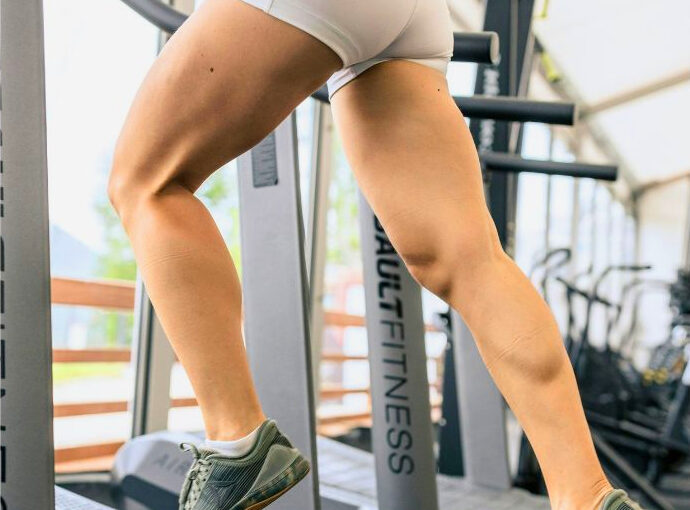
Manual treadmills typically engage more muscle groups, especially your hamstrings and glutes, because you’re powering the belt yourself. This can translate to a more intense and efficient workout in a shorter period. They’re also excellent for interval training or short sprints, as they respond instantly to your effort.
Electric treadmills, however, offer smoother performance and tend to be easier on the joints—ideal for longer runs or steady cardio sessions. Features like incline control and built-in programs add variety and help users follow structured routines without guesswork.
Manual vs. Electric Treadmills: Side-by-Side Comparison
| Feature | Manual Treadmill | Electric Treadmill |
|---|---|---|
| Power Source | Human-powered | Motorized (requires electricity) |
| Workout Intensity | Higher (effort-driven pace) | Adjustable (via speed/incline controls) |
| Muscle Engagement | More full-body engagement | Lower body focus |
| Joint Impact | Higher (no shock absorption) | Lower (often includes cushioning) |
| Noise Level | Quieter | Can be noisy (motor and belt noise) |
| Space & Portability | Compact and lightweight | Heavier and larger footprint |
| Maintenance | Minimal (no motor or electronics) | Requires more upkeep |
| Best For | Short, intense, self-paced workouts | Long runs, tech-based programs, consistent pacing |
Noise, Energy Use, and Maintenance
Manual treadmills are much quieter since they don’t have a motor—making them ideal for early-morning or late-night workouts in shared spaces. They also don’t use electricity, which can be a plus for eco-conscious users or those looking to reduce utility bills.
Electric treadmills tend to be louder and require a constant power source. While modern models are often quieter than older versions, they may still be disruptive in noise-sensitive environments. They also involve more maintenance due to their motor and electronics.
Space, Cost, and Longevity
In small apartments or multi-use rooms, space is a key factor. Because manual treadmills are usually lighter and more portable, they are simpler to transport or store. Many fold up for vertical storage when not in use. Electric treadmills are bulkier and heavier but are often sturdier for long-term, high-volume use.
Manual treadmills usually cost less upfront and have fewer parts that can break down, which can translate to longer durability with lower ongoing costs. Electric models, while more expensive, often include warranties and advanced features that can make them worth the investment over time.
How to Choose Based on Your Goals
When asking are manual treadmills better than electric, consider your specific needs:
- For weight loss and short, intense workouts: A manual treadmill may be more effective, as it burns more calories per minute due to increased effort.
- For long-distance training and comfort: An electric treadmill is often the better choice, thanks to smooth pacing and customizable settings.
- For minimalism and simplicity: Manual treadmills win with their no-frills design and easy maintenance.
- For tech-driven workouts: Electric treadmills provide metrics, heart rate tracking, virtual classes, and app integration that manual models lack.
Conclusion
So, are manual treadmills better than electric? It depends on what you’re looking for in a workout experience. Manual treadmills are budget-friendly, compact, and offer a challenging, full-body cardio workout. Electric treadmills provide convenience, consistency, and features that enhance long-term training. The ideal treadmill is ultimately the one that complements your objectives, maintains your motivation, and blends in with your daily routine.
Frequently Asked Questions (FAQ)
Some manual treadmills, especially curved models, are excellent for running. They provide a more intense workout by requiring you to power the belt with your own effort. However, flat-belt manual treadmills are better suited for walking or light jogging.
Yes, manual treadmills can help you burn more calories in less time because you engage more muscles and exert more effort to keep the belt moving.
Generally, yes. Most electric treadmills come with shock absorption systems that reduce impact on the knees and joints, making them more comfortable for longer or frequent use.
Yes, manual treadmills don’t require any electricity. They operate entirely based on your movement, making them ideal for off-grid use or homes with limited outlets.
Electric treadmills are typically better for beginners because they offer speed control, pre-set programs, and a smoother, less physically demanding experience.
Recommended Equipment for Cardio Training at Home
Choosing the right cardio equipment for your home workout space depends on your goals, available room, and preferred training style. Whether you’re aiming to improve endurance, burn calories, or incorporate high-intensity intervals, selecting the right machine can help you stay consistent, avoid injury, and get the most out of your workouts.
Treadmills
For those focused on consistent pacing, incline training, or walking and running indoors, a standard treadmill is a reliable choice. Look for models with adjustable speed and incline, cushioning for joint support, and built-in metrics to track your progress. Treadmills are ideal for long-distance runners, casual walkers, and anyone looking to add steady-state cardio to their routine.
Manual Treadmills
Manual treadmills are a great option for users who want a self-powered, more intense workout. Many are compact, require no electricity, and offer a greater degree of muscle engagement. Some curved designs are especially popular among athletes for high-intensity sprint training and improved running mechanics. These are ideal if you’re limited on space or want a simple, maintenance-friendly option.
Air Bikes
Air bikes provide a full-body cardio experience by combining pedaling with upper-body pushing and pulling. Resistance increases with effort, making them suitable for both steady workouts and high-intensity interval training (HIIT). They’re also useful for conditioning and calorie burn in shorter sessions. Air bikes are a solid addition for users seeking a dynamic and scalable cardio asset.
Affiliate Disclaimer:
The links above are affiliate links, which means we may earn a small commission if you make a purchase through them, at no additional cost to you.