
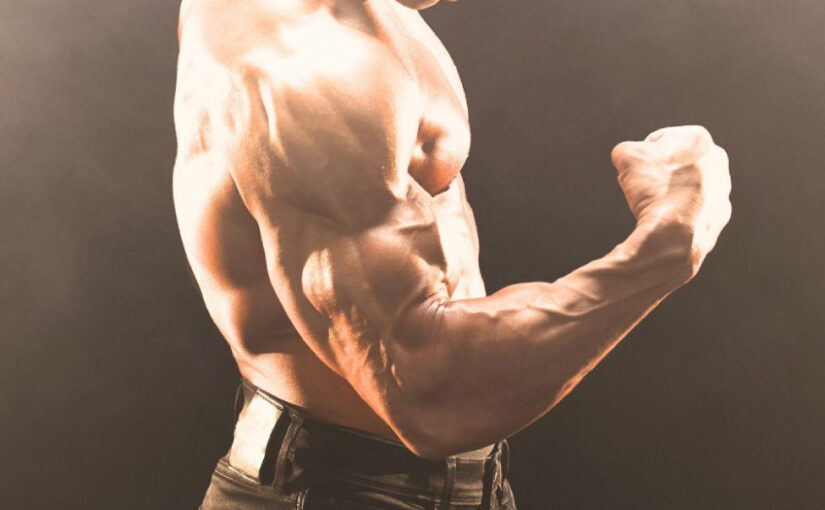
Many gym-goers love the pump they get from curls, but far fewer give their triceps the same attention. This raises an important question: what if you only train biceps and not triceps? While focusing on biceps may seem appealing—especially if your goal is bigger-looking arms—the truth is that neglecting triceps can lead to imbalances, slower growth, and even injuries. In this post, we’ll explore why balanced arm training is essential and how to maximize both strength and aesthetics.
Why Training Only Biceps Is a Bad Idea
1. Triceps Make Up Most of Your Arm
The triceps comprise the most significant muscle group in the upper arm, accounting for about two-thirds of the overall mass of your arm. Focusing solely on biceps may give you some size, but your arms will look incomplete and less defined. Balanced development ensures your arms appear strong and proportional.
2. Imbalances Can Lead to Injuries
Biceps and triceps work as antagonists: the biceps bend the elbow, while the triceps straighten it. Ignoring triceps development can lead to a pulling-dominant imbalance, which can strain the elbow and shoulder joints over time. This is one of the hidden consequences of asking what if you only train biceps and not triceps—you risk both appearance and joint health.
3. Strength and Growth Will Be Limited
Triceps are essential for pressing movements like bench press, shoulder press, dips, and push-ups. Weak triceps limit your lifting capacity, which indirectly slows biceps growth. Balanced arm training ensures both strength and size develop evenly.
4. Aesthetic Considerations
Well-developed triceps create the classic horseshoe shape on the back of the arm, giving it a fuller, more defined look. Focusing only on biceps can make your arms appear top-heavy and incomplete.
5. Avoiding Plateaus
Neglecting triceps can prevent progression in compound lifts and reduce overall arm stimulus. Balanced training helps muscles grow and prevents frustrating plateaus.
Common Mistakes in Arm Training
- Overemphasizing Curls – Isolation is good, but overdoing it limits proportional development.
- Skipping Compound Movements – Bench presses, dips, and push-ups naturally recruit the triceps and boost overall arm size.
- Poor Exercise Order – Training biceps first can fatigue pulling muscles and reduce performance in major lifts.
- Ignoring Recovery – Overtraining one muscle while neglecting the other slows growth.
How to Train Biceps and Triceps Effectively
Biceps Exercises
- Barbell curls
- Hammer curls
- Preacher curls
- Cable curls
- Concentration curls
Triceps Exercises
- Tricep pushdowns
- Close-grip bench press
- Overhead tricep extensions
- Dips
- Skull crushers
Training Tips
- Train arms 2–3 times per week, with proper recovery.
- Include compound lifts first, followed by isolation exercises.
- Use progressive overload to increase weight or reps gradually.
- Mix rep ranges: 8–12 for hypertrophy, 12–20 for endurance.
Recommended Biceps and Triceps Workout
| Muscle | Exercise | Sets | Reps | Rest |
|---|---|---|---|---|
| Biceps | Barbell Curls | 3 | 8–12 | 60 sec |
| Biceps | Hammer Curls | 3 | 10–12 | 60 sec |
| Biceps | Preacher Curls | 3 | 8–12 | 60 sec |
| Triceps | Tricep Pushdowns | 3 | 10–12 | 60 sec |
| Triceps | Overhead Tricep Extensions | 3 | 10–12 | 60 sec |
| Triceps | Dips | 3 | 8–12 | 60 sec |
Notes:
- Start with compound lifts (like dips or close-grip bench press) before isolation exercises.
- Adjust weight so the last 1–2 reps of each set feel challenging.
- Rest 60–90 seconds between sets depending on intensit
Conclusion
So, what if you only train biceps and not triceps? The answer is simple: it’s a bad idea. Ignoring triceps leads to smaller, less defined arms, higher injury risk, and slower overall progress. For strong, balanced, and visually appealing arms, consistently train both biceps and triceps. Remember, triceps make up the majority of your upper arm, and neglecting them limits both your aesthetic potential and strength gains. Train smart, train balanced, and your arms will grow evenly and healthily.
Frequently Asked Questions (FAQ)
The majority of individuals achieve the best outcomes by training their arms 2 to 3 times weekly, ensuring a minimum of 48 hours of rest between workouts to facilitate recovery and muscle development.
Effective tricep exercises include dips, close-grip bench presses, tricep pushdowns, skull crushers, and overhead tricep extensions. Mixing compound and isolation movements yields the best results.
Yes. Using higher repetitions with moderate weight or bodyweight exercises can stimulate hypertrophy, but gradually increasing resistance over time (progressive overload) is important for long-term growth.
Growth plateaus can happen due to lack of progressive overload, insufficient recovery, poor nutrition, or overtraining. Varying exercises and rep ranges, along with proper diet, usually helps overcome plateaus.
It’s generally recommended to start with compound exercises like pull-ups, dips, or bench presses, as they recruit multiple muscles and allow heavier loads, then finish with isolation exercises for focused growth.