
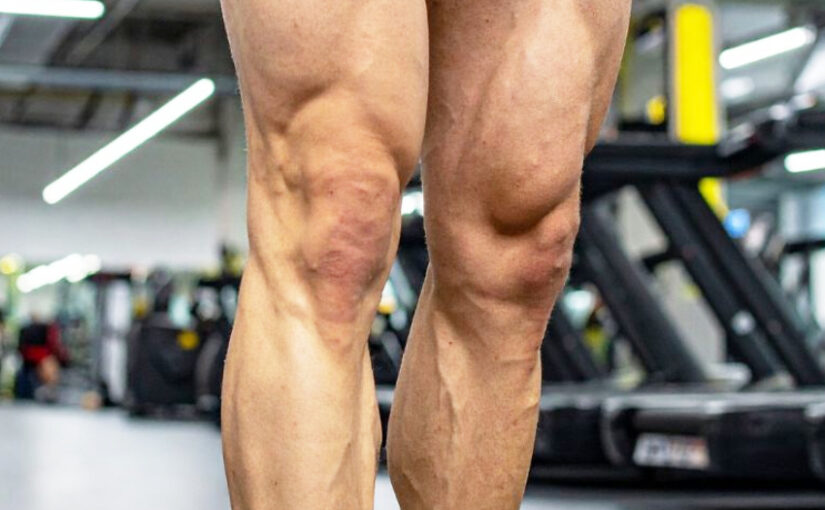
Many fitness enthusiasts find themselves wondering, “Why are my legs strong but not big?” You may squat heavy weights or cycle long distances, yet your quads, hamstrings, and calves don’t look as muscular as you expect. The good news is that this is a common issue — and it’s fixable. Let’s break down why strength doesn’t always equal size, and how you can change your training and nutrition to build more noticeable muscle.
Understanding the Strength vs. Size Difference
If you’re asking why are my legs strong but not big, it often comes down to the type of training you’re doing. Strength and size are related but not identical:
- Strength training focuses on improving your nervous system’s efficiency — how well your brain recruits muscle fibers to move heavy loads.
- Muscle growth (hypertrophy) focuses on increasing the size of individual muscle fibers through volume, tension, and fatigue.
In short, you can be strong because your body is highly efficient at using what it already has, not necessarily because you’ve built bigger muscles.
1. You’re Lifting Heavy, but Not Enough Volume
Low-rep, high-weight training builds strength but not much muscle size. To trigger hypertrophy, your legs require more total work — typically moderate weights for 8–15 repetitions per set and multiple sets per muscle group.
Try switching some of your heavy low-rep squats for higher-rep sets of leg presses, Bulgarian split squats, or lunges.
2. You’re Not Training All Parts of the Legs
Even if you squat and deadlift regularly, some leg muscles might not be getting enough attention.
- Quads need deep knee bend movements (front squats, leg extensions).
- Hamstrings grow from hip-hinge movements (RDLs, leg curls).
- Calves need dedicated, high-volume work (seated and standing raises).
Balancing your leg training ensures you develop both strength and visible size.
3. Your Nutrition Isn’t Supporting Growth
Muscle growth requires a caloric surplus and sufficient protein intake. If you’re strong but lean, your legs won’t look bulky because they lack the stored glycogen and new muscle tissue that come from extra calories.
Aim for:
- The equivalent of 1.6 to 2.2 grams of protein for each kg of body weight everyday.
- 300–500 calories above maintenance
- A mix of carbs and fats to support training energy and recovery
4. You’re Not Giving Your Legs Enough Rest
Overtraining your legs or not resting enough can stunt growth. Muscle tissue grows during recovery, not during the workout itself. Make sure you’re sleeping well (7–9 hours per night) and allowing at least 48 hours between heavy leg sessions.
5. Genetics and Muscle Fiber Type
Some people naturally have more slow-twitch fibers, which are great for endurance but not for large muscle growth. Others have fast-twitch fibers, which grow faster with resistance training.
You can still maximize your potential by emphasizing explosive, hypertrophy-based training — think jump squats, sled pushes, and medium-rep resistance sets.
How to Fix It: A Sample Leg Routine
Here’s a weekly approach to target size and not just strength:
Day 1 — Strength Focus
- Back Squats: 5×5
- Romanian Deadlifts: 4×6
- Calf Raises: 4×12
Day 2 — Hypertrophy Focus
- Front Squats: 4×10
- Walking Lunges: 3×12 each leg
- Leg Press: 3×15
- Seated Calf Raises: 4×15–20
This mix of low-rep strength work and moderate-rep hypertrophy work ensures your legs not only perform better but also look fuller and more defined.
Quick Fixes for “Why Are My Legs Strong but Not Big”
| Problem | Why It Happens | How to Fix It |
|---|---|---|
| Low Training Volume | Heavy weights with too few reps build strength but not size. | Add moderate-weight, high-rep sets (8–15 reps) and increase total leg training volume. |
| Uneven Muscle Focus | Relying on squats or deadlifts alone misses smaller stabilizer muscles. | Include isolation moves like leg extensions, curls, and calf raises. |
| Lack of Calories or Protein | Not eating enough limits muscle repair and growth. | Eat a caloric surplus and get 1.6–2.2g of protein per kg of body weight. |
| Insufficient Rest | Overtraining prevents muscles from recovering and growing. | Sleep 7–9 hours and allow 48+ hours between intense leg sessions. |
| Genetic Factors | More slow-twitch muscle fibers make legs strong but less bulky. | Use hypertrophy and explosive training to activate fast-twitch fibers. |
Conclusion
If you’ve ever wondered why are my legs strong but not big, remember that muscle size depends on more than just strength. You might be lifting heavy, but without the right training volume, nutrition, and recovery, your muscles won’t reach their full potential. By combining strength and hypertrophy training, eating enough to support growth, and resting properly, you’ll finally see the powerful legs you’ve worked so hard to build.
Frequently Asked Questions (FAQ)
Yes. Strength is not only about muscle size — it’s also about how efficiently your nervous system activates your muscle fibers. You can build a lot of strength through neural adaptations and muscle fiber recruitment without adding much visible size.
Your legs may not grow if your workouts focus too much on low reps, if you’re not eating enough calories, or if recovery is lacking. Muscle growth needs proper training volume, nutrition, and rest to happen consistently.
To make your legs appear more muscular, combine moderate-weight, higher-rep training with isolation exercises for each leg muscle group. Ensure you’re eating a calorie surplus, staying hydrated, and getting enough sleep to promote growth.
Excessive cardio, especially endurance-based activities like long-distance running, can make it difficult to build muscle mass because it burns extra calories and emphasizes slow-twitch fibers. However, short, intense cardio such as sprints can complement muscle growth.
Most people start noticing leg muscle growth after 8–12 weeks of consistent hypertrophy training, proper nutrition, and recovery. The exact timeline varies depending on genetics, training experience, and overall consistency.