
When it comes to measuring health, many people automatically turn to BMI (Body Mass Index) as a quick way to assess whether they are underweight, normal weight, or overweight. But recent studies and expert opinions suggest that focusing solely on BMI may not give the whole picture. This brings up the debate: body fat vs BMI — which one actually matters? In this article, we’ll break down the differences, benefits, and limitations of each measurement so you can understand what truly reflects your health.
Understanding BMI
BMI is a straightforward formula that involves your height and weight. The formula is:
BMI = Weight (kg) / Height (m)² (see example here)
It provides a general classification into categories like underweight, normal weight, overweight, or obese. While BMI is convenient, it has several limitations:
- Doesn’t distinguish between fat and muscle: Even when a muscular athlete has little body fat, they may be considered overweight or obese.
- Ignores fat distribution: Abdominal fat is more harmful than fat in other areas, but BMI cannot measure this.
- Varies by age, gender, and ethnicity: BMI charts are not universally accurate for all populations.
What Body Fat Tells You
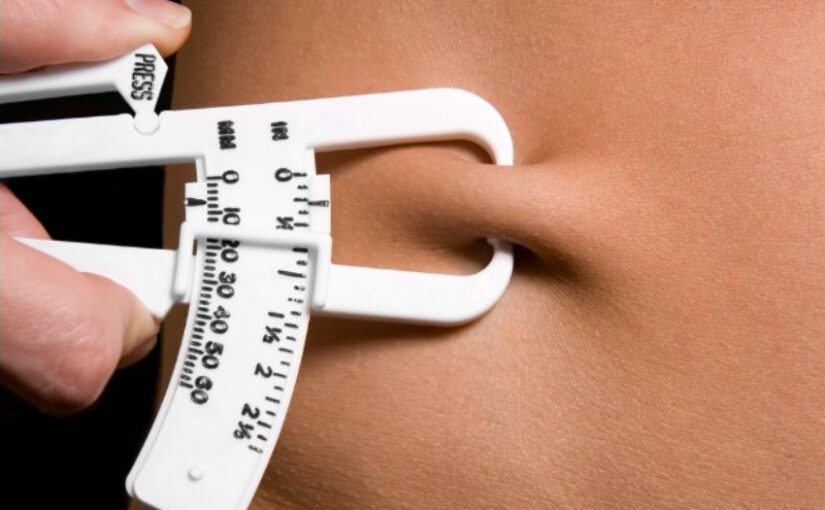
Unlike BMI, body fat percentage measures the proportion of body fat relative to lean mass (muscle, bones, water, etc.). Tools like calipers, bioelectrical impedance scales, and DEXA scans can estimate this metric. Understanding body fat is essential because:
- Health risk correlation: An increased risk of heart disease, diabetes, and metabolic problems is associated with excess body fat, particularly visceral fat surrounding internal organs.
- Fitness and performance insight: Athletes may weigh more due to muscle, but a low body fat percentage indicates high fitness levels.
- Customized health planning: Tracking body fat over time can help tailor nutrition and exercise plans more effectively than BMI alone.
Body Fat vs BMI: Key Differences
| Feature | BMI | Body Fat % |
|---|---|---|
| Measures | Weight relative to height | Proportion of fat vs lean mass |
| Reflects | General population trends | Individual health and fitness |
| Accuracy | Low for muscular or elderly populations | High if measured properly |
| Health Insight | Basic risk indicator | Detailed risk profile for metabolic and cardiovascular health |
Why Body Fat May Matter More
Experts argue that BMI can sometimes be misleading. For example:
- Two people with the same BMI could have very different body compositions — one with high muscle and low fat, the other with low muscle and high fat.
- Compared to BMI alone, excess body fat—especially around the abdomen—is a more reliable indicator of health problems.
- Tracking changes in body fat gives more actionable insights than just monitoring weight.
In short, while BMI can be useful for population-level assessments, body fat vs BMI clearly favors body fat percentage for individual health decisions.
Conclusion
So, body fat vs BMI — which one actually matters? Both have their place: BMI can quickly screen for potential issues, but it’s far from a perfect measure. Body fat percentage provides a deeper understanding of your actual health, fitness, and long-term risk factors. For those truly looking to optimize wellness and monitor progress, focusing on body fat is generally the smarter choice.
Knowing your numbers is just the first step — the real value comes from using that information to make healthier lifestyle choices.
Frequently Asked Questions (FAQ)
Weight alone doesn’t give the full picture. Assessing body composition, including fat distribution and muscle mass, provides a clearer understanding of your health risks and overall wellness.
Tracking body fat percentage, lean muscle mass, and waist-to-hip ratio offers more accurate insight into fitness and health than relying solely on weight or BMI.
Muscle weighs more than fat, so individuals with high muscle mass can have a higher BMI but low body fat. This is why BMI alone may be misleading for athletic or muscular people.
Regular assessments using calipers, bioelectrical impedance scales, or DEXA scans can help track body fat and muscle mass changes, providing a more actionable guide for diet and exercise adjustments.
Visceral fat levels, waist circumference, and overall body fat percentage are better predictors of cardiovascular and metabolic risk than BMI alone.