
When it comes to body fat, different types serve distinct purposes. Understanding visceral fat vs subcutaneous fat can help you take control of your health and make smarter lifestyle choices. However, one type of fat poses a much greater risk to your long-term well-being than the other — and knowing the difference can be life-changing.
What Is Visceral Fat?
Visceral fat accumulates deep within your abdomen, encasing essential organs like your liver, pancreas, and intestines. Because it’s hidden beneath the muscle layer, it’s not visible from the outside — which means even people who appear slim can have dangerous levels of visceral fat.
Because of its metabolic activity, this type of fat can disrupt regular bodily functions by producing hormones and inflammatory chemicals. Severe medical disorders are associated with high levels of visceral fat, such as:
- Type 2 diabetes
- Heart disease and stroke
- Insulin resistance
- Certain cancers
- Fatty liver disease
In short, visceral fat doesn’t just affect your waistline — it affects your overall metabolic health.
What Is Subcutaneous Fat?
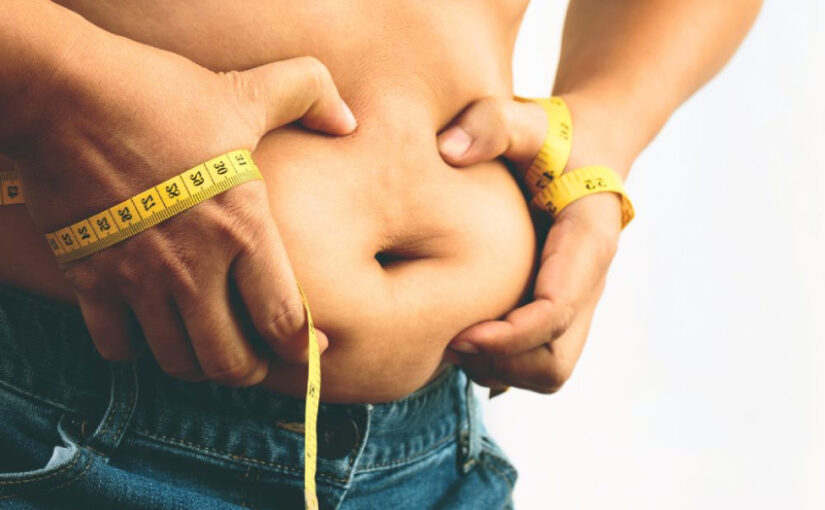
The fat right beneath the skin is called subcutaneous fat. It’s the soft, pinchable fat you can feel on your belly, thighs, hips, and arms. This type of fat cushions the body and helps regulate temperature.
Unlike visceral fat, subcutaneous fat is generally less harmful and even plays a protective role. However, excess subcutaneous fat can still contribute to obesity-related issues, particularly when combined with poor diet and inactivity.
Visceral Fat vs Subcutaneous Fat: Key Differences
When comparing visceral fat vs subcutaneous fat, the main differences lie in location, health impact, and risk level. Visceral fat builds up around your internal organs, increasing the risk of chronic disease, while subcutaneous fat sits just under the skin and poses less danger.
Visceral fat is often harder to lose because hormonal and genetic factors influence it, whereas subcutaneous fat typically responds more quickly to diet and exercise changes. Despite this, targeting visceral fat through healthy habits offers the most significant benefit to your long-term health.
How to Reduce Visceral Fat
Fortunately, visceral fat is highly responsive to lifestyle adjustments. Here are a few proven ways to reduce it:
- Move more: Aim for about 20 to 30 minutes of moderate exercise per day to keep visceral fat under control.
- Eat whole foods: Focus on lean proteins, fruits, vegetables, and whole grains. Avoid added sugars and refined carbs.
- Sleep well: Obtaining 7 to 9 hours of sleep per night aids in the regulation of hormones that govern hunger and the accumulation of fat.
- Manage stress: Chronic stress elevates cortisol, which promotes abdominal fat storage.
- Limit alcohol: Excessive alcohol intake can increase visceral fat levels, particularly around the midsection.
These small, consistent habits can make a measurable difference in your internal health and overall body composition.
Visceral Fat vs Subcutaneous Fat: Key Differences
| Factor | Visceral Fat | Subcutaneous Fat |
|---|---|---|
| Location | Deep within the abdomen, surrounding internal organs | Directly beneath the skin |
| Visibility | Not visible (hidden fat) | Visible and pinchable |
| Health Risk | High — linked to heart disease, diabetes, and inflammation | Lower — mostly aesthetic or mobility-related |
| Ease of Loss | Harder to lose due to hormonal and genetic influence | Easier to lose through diet and exercise |
| Metabolic Activity | Very active; releases harmful hormones and inflammatory compounds | Less active; primarily an energy reserve |
| Response to Lifestyle Changes | Improves with consistent exercise, balanced diet, and stress control | Responds well to calorie deficit and physical activity |
The Bottom Line
When weighing visceral fat vs subcutaneous fat, visceral fat is clearly the more dangerous type. Its location around your internal organs makes it a serious threat to cardiovascular and metabolic health, even if you appear slim on the outside.
By maintaining an active lifestyle, consuming a nutritious diet, handling stress effectively, and ensuring adequate rest, you can greatly lower visceral fat and enhance your overall health in the long run.
Frequently Asked Questions (FAQ)
Excess abdominal fat can show up as a larger waistline or a “hard” belly that feels firm rather than soft. The most reliable method is measuring your waist circumference — anything over 35 inches for women or 40 inches for men may indicate excess internal fat.
Stomach fat often develops due to poor diet, lack of physical activity, chronic stress, hormonal imbalances, and inadequate sleep. Excessive consumption in processed foods and sugary beverages can also be a major factor.
There’s no quick fix, but consistent exercise, a balanced diet, and reduced stress can lower deep abdominal fat over time. High-intensity interval training (HIIT) and strength training are particularly effective.
Yes. Genetics play a role in how your body accumulates and utilizes fat, which is why certain individuals may naturally have more weight in their abdominal area compared to others. However, lifestyle habits still have a major impact.
A mix of cardiovascular workouts, resistance training, and core workouts is most effective. Activities like brisk walking, cycling, swimming, and resistance training help burn calories and improve overall body composition.