
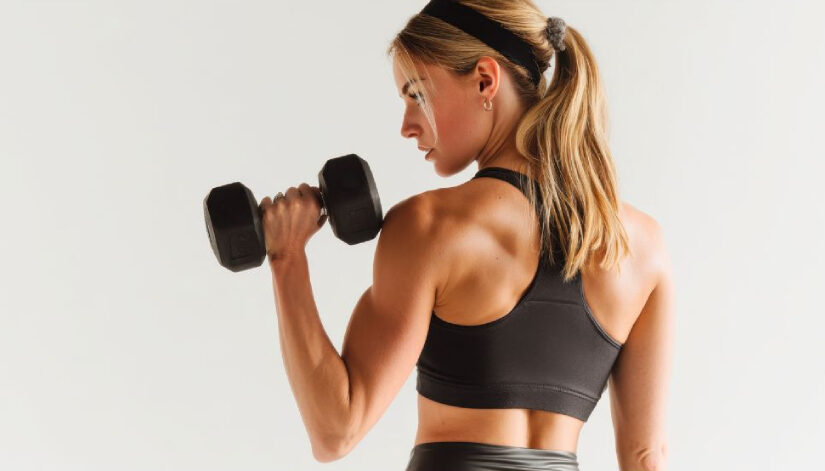
When it comes to strength training, many women hesitate to pick up heavy weights due to lingering fears and outdated beliefs. The topic of heavy weight lifting side effects for female athletes and gym-goers is often surrounded by confusion and misinformation. From concerns about bulking up too much to fears of hormonal imbalances, it’s time to separate fact from fiction. In this article, we’ll dive into the most common myths and reveal the real effects heavy lifting can have on women’s bodies and health.
Myth #1: Heavy Weight Lifting Makes Women Look “Manly”
Fact: This is one of the most persistent myths. Because women generally have lower testosterone levels than men, it’s inherently challenging for them to build large, bulky muscles without intense training and supplementation. For most women, heavy lifting leads to toned muscles, improved body composition, and a stronger physique—not a masculine appearance.
Myth #2: It’s Bad for Hormones or Reproductive Health
Fact: There’s no scientific evidence that strength training negatively affects female hormones or reproductive function in healthy individuals. In fact, resistance training can support hormonal balance, improve insulin sensitivity, and even help regulate menstrual cycles, especially in women with conditions like PCOS.
Myth #3: Heavy Lifting Causes Joint or Bone Damage
Fact: When done with proper form and guidance, lifting heavy weights strengthens joints, ligaments, and bones. It actually reduces the risk of osteoporosis, especially as women age. One of the positive heavy weight lifting side effects for female health is increased bone density, which is crucial in preventing age-related bone loss.
Myth #4: It’s Only for Young Women
Fact: Women of all ages can benefit from strength training. In fact, post-menopausal women may see even greater improvements in bone density, metabolism, and balance from lifting heavier weights. Age is not a barrier—it’s a reason to start.
Myth #5: Cardio is Better for Weight Loss
Fact: While cardio burns calories, strength training builds lean muscle mass, which boosts your metabolism over time. Women who include heavy lifting in their exercise routines frequently discover that they can more easily keep a healthy weight, shape their bodies, and decrease fat, even while at rest.
Real Heavy Weight Lifting Side Effects for Female Lifters
Let’s break down the realistic and science-backed side effects women may experience when incorporating heavy weight training into their fitness routines:
- Improved strength and endurance
- Increased metabolic rate
- Better posture and core stability
- Higher confidence and body image
- Reduced risk of chronic diseases
- Boosted mental health and reduced anxiety
These are the true heavy weight lifting side effects for female fitness enthusiasts—far from the myths that still circulate.
Myths vs Facts: Heavy Weight Lifting Side Effects for Female
| Myth | Fact |
|---|---|
| Lifting heavy weights makes women bulky or “manly” | Women don’t produce enough testosterone to bulk up easily—lifting builds tone and definition. |
| Heavy lifting is bad for female hormones and fertility | Strength training supports hormone balance and may help with issues like PCOS and irregular cycles. |
| It increases the risk of joint or bone injury | Proper lifting strengthens joints and increases bone density, reducing the risk of osteoporosis. |
| Only young women should lift heavy weights | Women of all ages benefit from lifting—especially older women aiming to prevent bone loss. |
| Cardio is better for fat loss than lifting | Heavy lifting increases muscle mass and metabolism, helping burn more fat over time. |
| Strength training is intimidating and not for beginners | With the right guidance, women at any level can safely and effectively lift heavy weights. |
Conclusion
The idea that heavy lifting is harmful or inappropriate for women is outdated and unsupported by science. In reality, the heavy weight lifting side effects for female athletes are overwhelmingly positive, promoting physical health, mental well-being, and long-term fitness. By debunking common myths and focusing on facts, women can feel empowered to lift heavier, train smarter, and embrace strength as part of a healthy lifestyle.
Frequently Asked Questions (FAQ)
No, most women don’t have the hormonal profile to gain large muscle mass easily. Instead, lifting heavy typically results in a leaner, more toned appearance.
Yes, it’s generally safe. In fact, some women report improved mood and reduced cramps with regular strength training. However, it’s important to listen to your body and adjust intensity as needed.
Strength training has been shown in studies to improve mood and self-esteem while lowering the symptoms of anxiety and sadness.
Most fitness experts recommend 3–4 sessions per week, allowing for rest days between major muscle groups. Consistency and progressive overload are key to seeing results.
While using lighter weights for more repetitions stresses endurance, employing heavy weights for fewer repetitions is more effective for building strength and muscular mass.