
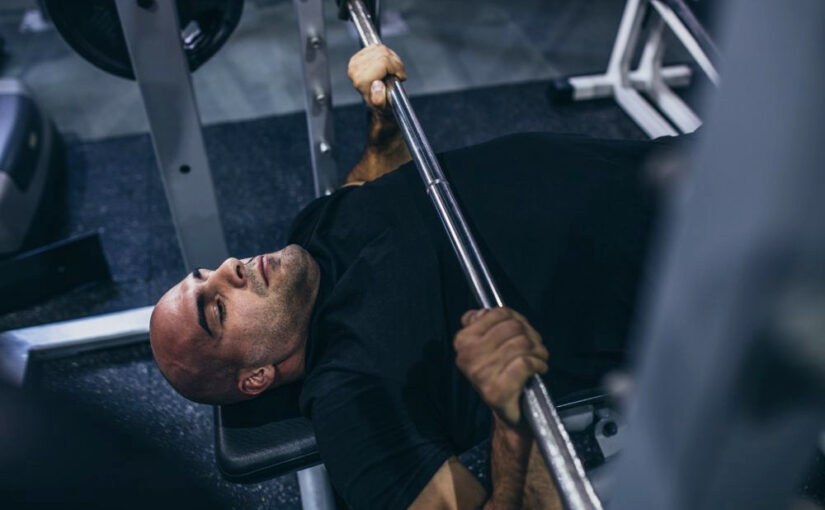
What is the Decline Bench Press?
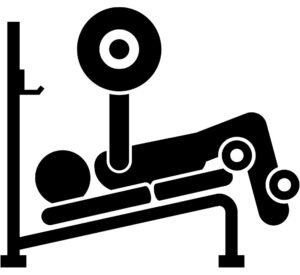
The decline bench press is a fantastic strength training exercise performed on a bench inclined downward, angled between 15 and 30 degrees, perfect for boosting upper body strength. This position shifts the focus of the movement toward the lower chest muscles, making the decline bench press a strategic addition to upper-body workouts for those seeking well-rounded development of the pectorals.
What It’s Used For
The decline bench press is used to build strength and muscle mass in the lower portion of the chest. It’s especially popular among bodybuilders and strength athletes who want to ensure complete development of the chest muscles. The exercise can also help lifters press heavier weights due to the favorable pressing angle and shorter range of motion.
History / Variations
While flat and incline bench presses have long been staples in weight training, the decline bench press gained traction as lifters recognized the need to isolate the lower chest for improved muscle symmetry. Over time, variations such as the decline dumbbell press, Smith machine decline press, and decline cable press have emerged, allowing for different resistance profiles and muscle activation.
Muscles Worked
Primary:
- Pectoralis major (lower portion)
- Triceps brachii
Secondary:
- Anterior deltoids (front shoulders)
- Serratus anterior
- Core stabilizers
Benefits
Strength Gains
The decline bench press allows most lifters to move heavier weights than flat or incline presses, leading to greater strength development in the lower chest and triceps.
Functional Fitness
It improves pushing strength from a lower angle, which can translate to enhanced performance in sports and daily activities that involve forward and downward forces.
Aesthetic Improvements
Targeting the lower chest helps create a more balanced and defined appearance, adding depth and fullness to the chest muscles.
Mental Health
Like other forms of resistance training, consistent use of the decline bench press can help improve mood, reduce stress, and enhance self-confidence.
Who Should Use It
- Beginners can incorporate the decline bench press with light weights and proper instruction to build chest strength from multiple angles.
- Intermediate and advanced lifters benefit from its ability to overload the lower chest and break through plateaus.
- Athletes may use it to improve pressing mechanics and upper-body power.
- Older adults, if cleared by a medical professional and supervised properly, can use it for maintaining muscle mass and strength.
Who Might Want to Skip It
- Individuals with shoulder or rotator cuff injuries, as poor form can still lead to discomfort despite the lower stress compared to incline pressing.
- Those with lower back issues, since the bench angle may place extra pressure on the lumbar spine.
- Lifters training without a spotter are at a higher risk of getting stuck under the bar in the decline position.
Alternatives:
- Flat or incline dumbbell presses for a joint-friendly range of motion
- Decline push-ups for a bodyweight option
- Machine chest presses for controlled resistance
Common Mistakes
- Poor Form: Letting your elbows flare out or arching your back excessively increases your risk of injury.
- Neglecting to utilize the complete range of motion: Incomplete repetitions restrict muscle engagement and hinder long-term progress.
- Overloading Too Soon: Using too much weight before mastering the movement can lead to breakdown in technique or injury.
How to Get Stronger on It
Progressive Overload Tips
Gradually add weight, reps, or sets over time. Begin with weights you can handle and focus on form before moving onto heavier weights.
Accessory Movements
Incorporate:
- Chest dips
- Close-grip bench press
- Decline chest flyes
These exercises target the same muscle groups as the decline bench press.
Program Suggestions
Include the decline bench press once a week in your chest training routine. Use heavier loads for lower reps (3–6) to build strength and moderate reps (6–10) for muscle growth. Pair it with flat and incline presses for balanced chest development.
Alternatives
Machines
- Decline chest press machine
- Cable crossovers (low-to-high angle)
Bodyweight Versions
- Decline push-ups (with feet raised on a bench or platform)
- TRX push-ups with a decline angle
Quick Reference Table: Decline Bench Press Overview
| Category | Details |
|---|---|
| Exercise Name | Decline Bench Press |
| Main Use | Targeting lower chest muscles, increasing pressing strength |
| Equipment Needed | Decline bench, barbell or dumbbells |
| Primary Muscles | Lower pectoralis major, triceps |
| Secondary Muscles | Front deltoids, serratus anterior, core stabilizers |
| Common Mistakes | Poor form, shallow range of motion, adding weight too quickly |
| Best For | Intermediate lifters, athletes, bodybuilders |
| Caution For | People with shoulder or lower back injuries, lifters without a spotter |
| Alternatives | Decline push-ups, decline dumbbell press, machine chest press |
| Training Frequency | 1x per week as part of a balanced chest program |
| Progression Tips | Use progressive overload, track volume, add accessory exercises |
Conclusion
The decline bench press is an effective and often underused exercise for building lower chest strength and improving upper-body aesthetics. With proper form and innovative programming, it can help lifters of all levels develop a more powerful and well-rounded chest. Whether you’re aiming for size, strength, or balance, the decline bench press is a valuable tool in your training arsenal.
Frequently Asked Questions (FAQ)
It depends on form and individual joint health. Because the pressing path is shorter, there’s often less stress on the shoulders than with steeper angles. However, poor technique or pre-existing shoulder issues can amplify the risk. Always use controlled motion and stop if you experience any pain.
For most lifters, placing it once per week is sufficient as part of a balanced chest routine. Some advanced lifters rotate it every second or third session, depending on volume and recovery.
Some lifters report moderate carryover, especially for the bottom portion of the press, but many see more value in focusing on flat and incline pressing for total strength gains.
If you overload excessively or neglect balanced training (e.g. upper and middle chest), there is potential for strain or aesthetic imbalance. Ensuring you train all portions of the chest and use correct technique helps mitigate that risk.
You can use decline push‑ups (feet elevated), decline dumbbell variations (if adjustable benches exist), or select machine presses and cable movements that mimic the angle.